
Why Are Prefabricated Site Offices a Smart Choice?
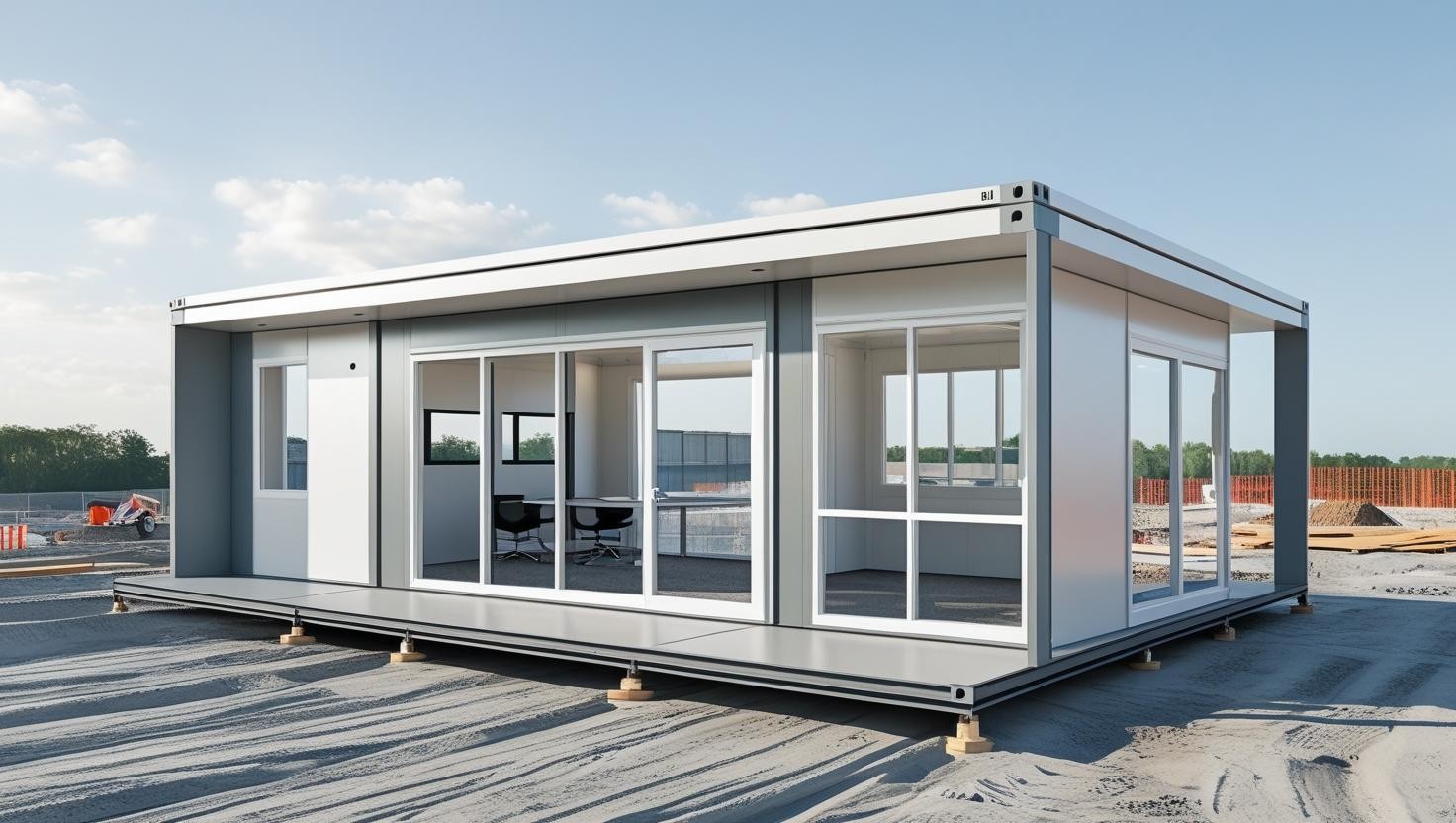
Prefabricated offices are the most effective strategy for decreasing costs linked with your firm, regardless of the size of your enterprise. In addition to reducing the amount of time spent on it, it is also beneficial to the environment because of its sustainable approach. The construction industry has gained a substantial degree of recognition in recent years as a result of the revolutionary impact that prefabricated houses have had on the building process over the course of the past few decades.
Additionally, the notion that it is advantageous is backed by the fact that it possesses a great deal of advantages over traditional residential structures. In the blog post, we are going to talk about the reasons why prefabricated buildings are the best alternative for the construction projects that are now being carried out.
What are Prefabricated Site Offices?
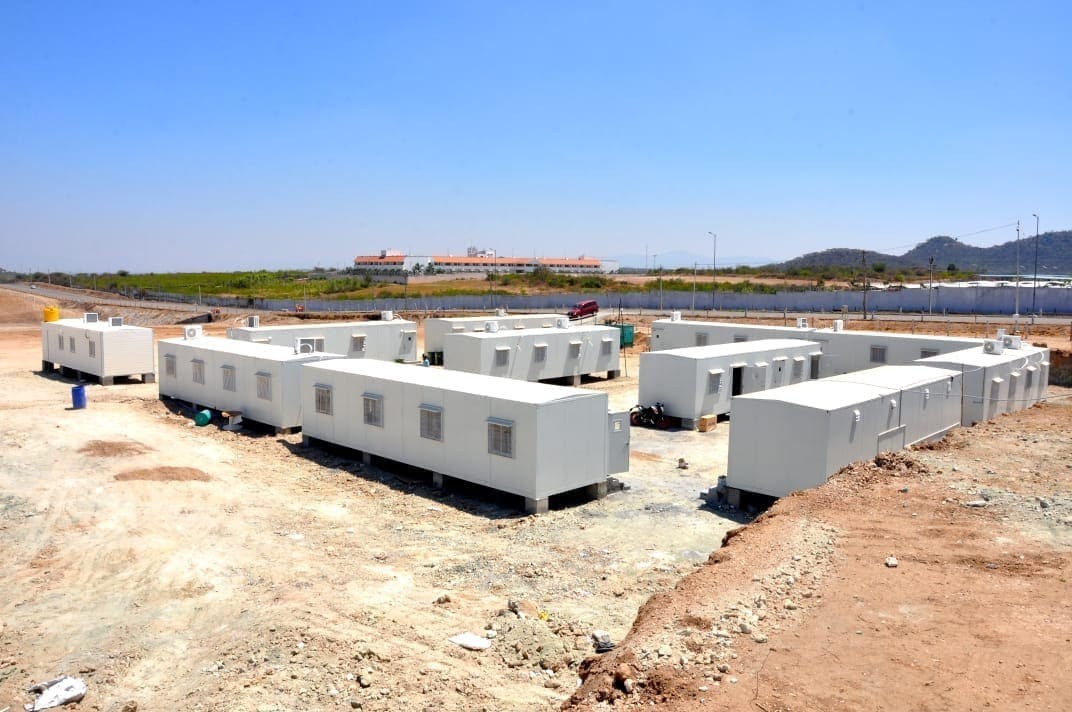
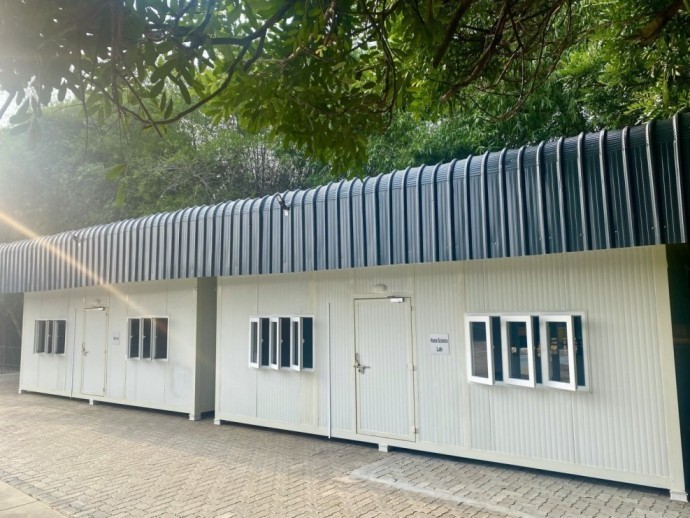
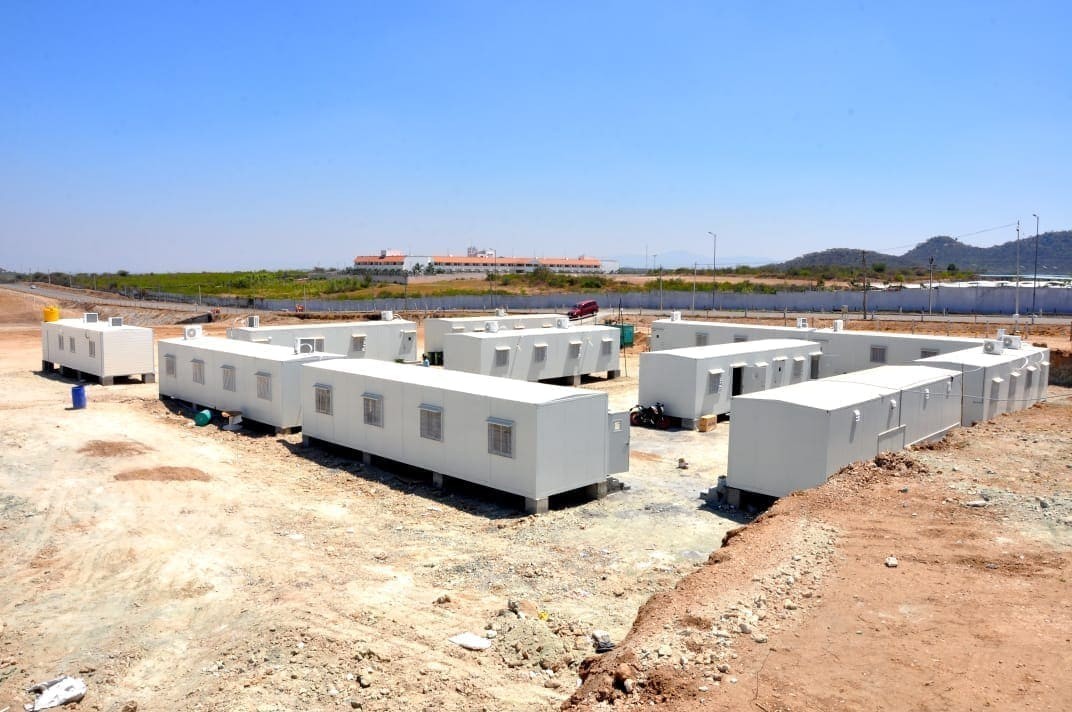
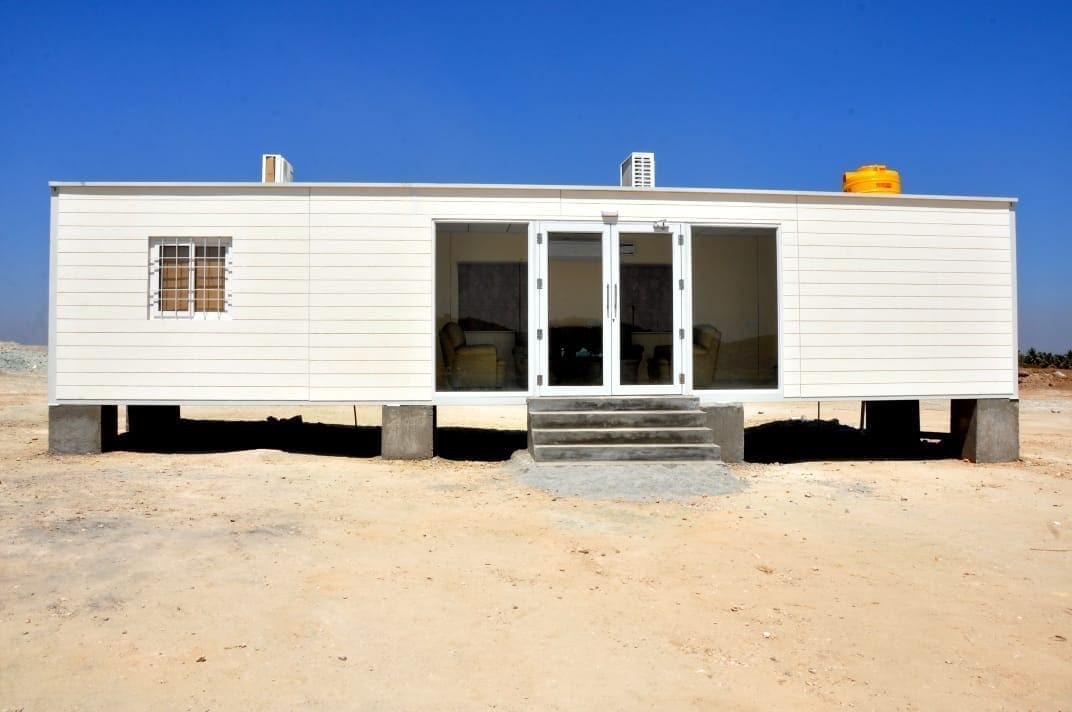
Prefabricated site offices, which are also known as modular or portable offices, are self-contained units that are built in a factory instead of on-site. These units already have the walls, roof, plumbing, insulation, electrical wires, and finishes put on them. After being built, they are brought to the project site and put together in a few days, instead of the weeks or months that are usually needed for regular builds.
How Are They Made?
- Design and Engineering: Every office starts with thorough CAD drawings that show the space's measurements, layout, and how the different systems will work together. Custom choices can include floor plans with multiple rooms, layouts with two stories, or special features like meeting rooms and break areas.
- Factory Production: Steel frames and precisely cut panels are used to build units in a climate-controlled area. Electrical, plumbing, and HVAC systems are put in at the same time as structural parts. The team makes sure that everything fits together perfectly and that quality control is very strict.
- Finishing and Inspection Interior Work: Flooring, wall panels, lighting, and fixtures is overseen by the plant. Before leaving the facility, each module goes through strict inspections to make sure it meets safety, durability, and efficiency standards.
- Transportation and Assembly: When modules are finished, they are put on trailer trucks and brought to the site. Each unit is put on a foundation that has already been prepared by crane workers. They are then bolted together and connected to local utilities. Final touches make sure that a full workspace is ready to use right away.
Advantages of Using Prefabricated Site Offices
- Cost-Efficiency: Standardizing the building process through prefabrication cuts down on trash and labor costs. Off-site production cuts down on the time workers have to spend on-site, which saves a lot of money on both labor and project timelines.
- Speed of Deployment: Traditional buildings can take months, but once they are made, movable offices can be set up and ready to use in just a few days. This quick turnaround is very important for tasks with tight deadlines and changing schedules.
- Flexibility and Scalability: As the needs of a project change, modular pieces can be added, taken away, or rearranged. Prefabricated offices can be changed without having to pay a lot of money for repairs or rebuilds. They can grow to fit a bigger team or shrink when the job is done.
- Quality and Durability: Consistent work and strict quality checks are made possible by the conditions in the factory. The materials are picked based on how well they handle transport and how long they last. Often, they last as long as or longer than standard site structures.
- Environmental Sustainability: Controlled production cuts down on trash and damage to the environment. When compared to traditional methods, prefabrication makes up to 50% less waste, and many of the parts can be recycled or used again after the job is finished.
- Enhanced Working Conditions: Walls that are well insulated and temperature control make places comfortable all year. Sound-attenuating materials lower noise, making meeting rooms and private offices useful even in busy building zones.
- Portability: When a project is finished, the site offices can be moved to the next one. This makes them last longer and gives you the best return on your investment.
Check out the Myths and Facts about Portable Office Buildings
Choose Pressmach as Your Prefabricated Office Manufacturer
Pressmach has been making modular parts for more than 40 years. Since our company was founded in 1985, we have improved every part of design, engineering, and production so that the site offices we make meet the highest standards of performance and longevity.
- We are a proven leader in projects related to mining, oil and gas, building, and infrastructure, with a successful track record spanning 40 years.
- Our in-house team makes sure that each unit meets your operating needs by creating custom floor plans and fitting them out in unique ways.
- We take care of everything, from the initial idea to manufacturing in the factory, logistics for shipping, and assembly on-site. We offer a comprehensive solution.
- Our facilities are dedicated to quality, ensuring tight tolerances and consistent finishes by using the most up-to-date CNC machining and automated welding.
- We use recyclable materials and methods that reduce trash to have the least possible effect on the environment without affecting the strength of the building.
To conclude, when compared to standard builds, prefabricated site offices are a fantastic option because they are faster, cheaper, and more flexible. Their factory-controlled production ensures high quality, and their portability and scalability meet the changing needs of projects. With 40 years of experience, Pressmach is a reliable partner that can give you customized, high-performance offices anywhere in the world. Modular site offices are a smarter, faster, and more environmentally friendly way to run a project.
Your Requirements
Related
Blogs

How Tensile Roofing Structures Reduce Swimming Pool Maintenance
Benefits of Tensile Roofing Structures for Modern Agriculture
How to Maintain Tensile Roofing Structures
Benefits of Tensile Roofing for Industrial Projects

Can Tensile Structures Handle Heavy Rain and Strong Wind Loads
Questions to Ask Before Choosing a Prefabricated Farmhouse Manufacturer
How Long Does it Take to Install a 10,000 sq ft Prefab Warehouse in India?
How Pressmach Delivered a 50-Bed Hospital in Just 90 Days
How Educational Institutions Are Using Portable Classrooms to Handle Enrollment Pressure
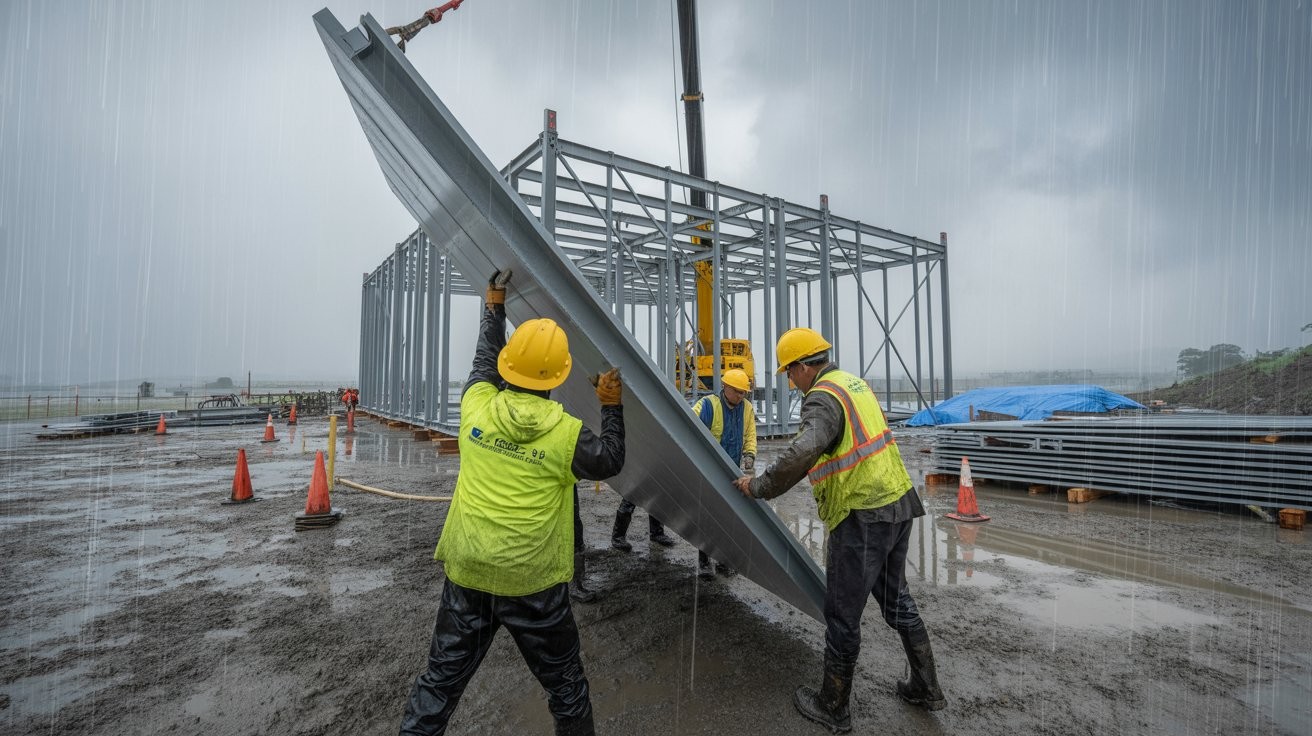
Can a Prefab Structure Be Installed During Monsoon or Do You Have to Wait It Out?
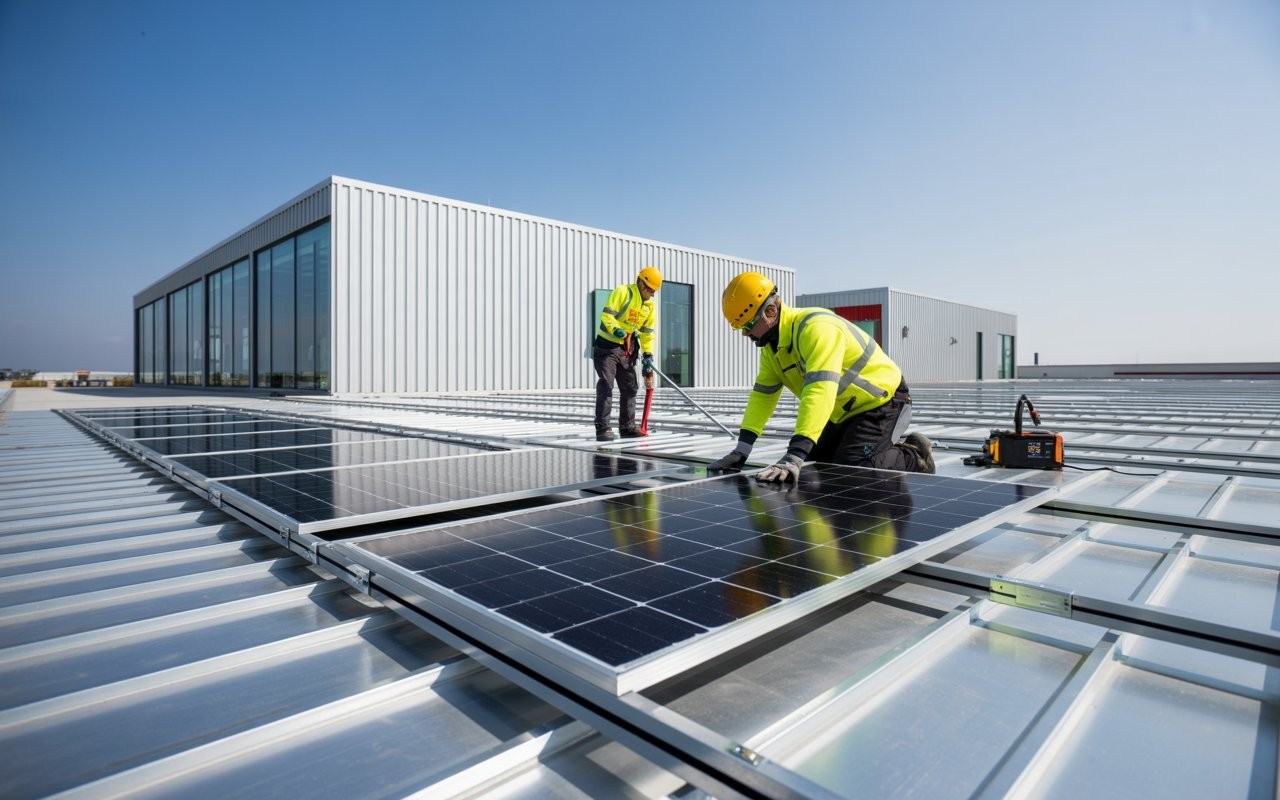
How to Install Solar Panels on Prefabricated Rooftop Structures
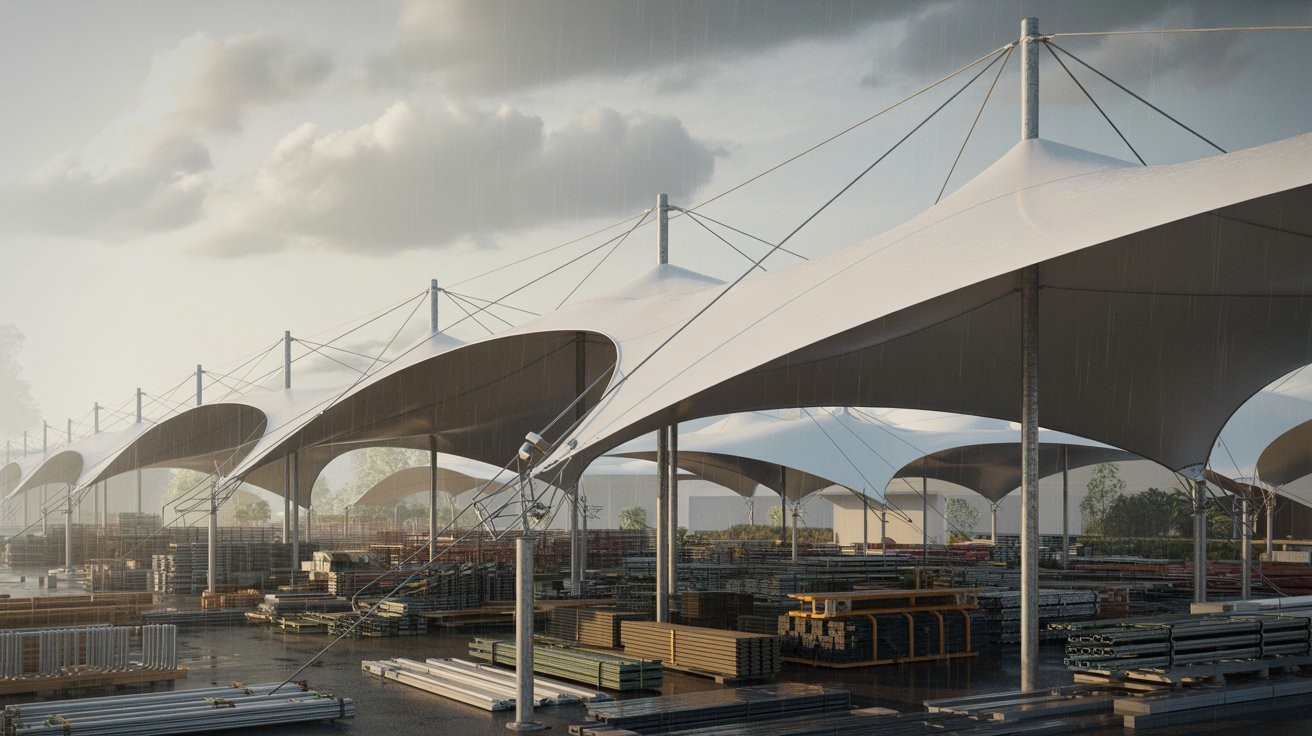
Tensile Roofing Structures for Outdoor Storage Yards: What Material Holds up to Indian Weather?

What Makes Prefab Quality Control Rooms Ideal for Manufacturing Facilities?

How Portable Workmen Accommodation Improves Site Productivity
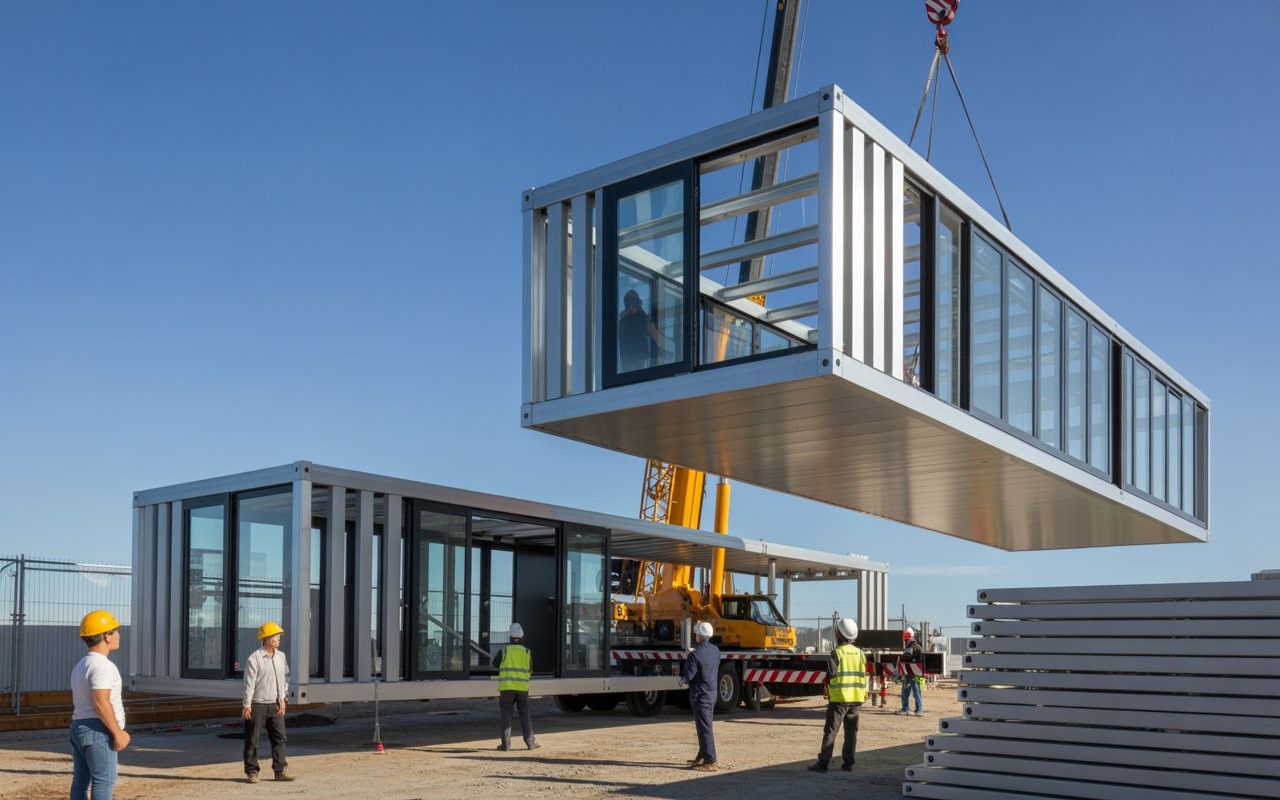
How Prefabricated Buildings Help Reduce Project Delays?
What Are Prefabricated Hospitals and When Are They the Right Choice?

Why Tensile Membrane Structures are the Future of Modern Architecture in India
What Are the Advantages of Prefab Toilets Over Conventional Toilets?
How PUF Panels Improve Cooling Efficiency in Warehouses and Cold Rooms
Why Tensile Roofing Solutions Outshine Traditional Roofing Options
Top Industries that Benefits from Prefabricated Structures
The Rise of Prefabricated Construction in India: Benefits and Challenges
Why You Should Conduct Soil Testing Before Building a Prefab Modular Home
How Pressmach is India's Leading Prefabricated Building Manufacturer
How Tensile Architecture Combines Sustainability with Striking Design
Rising Demand and Future Growth of the Solar Mounting Structures Market
Why Businesses are Turning to PEB Building Construction in 2025

Why PUF Panels Are the Best Choice for Prefabricated Construction

Acoustic Enclosures vs Industrial Enclosures: What’s the Difference and Why It Matters

Solar Panel Orientation and Tilt Angle: How Mounting Structures Play a Role

Rise of Prefabricated Data Centers in India’s Digital Boom

Can Prefabricated Structures Withstand Seismic Shocks?

How LGSF is Revolutionizing Affordable Housing in India

Role of Prefabricated Warehouses in Modern Business Storage Solutions

The Future of AI in Prefabricated Construction

10 Major Advantages of Prefabrication in Modern Construction Projects

Advancements in Prefabricated Materials: What to Expect in 2025
6790c3d8f29a2.jpeg)
The Role of Prefabrication in Disaster Relief and Emergency Housing

Tips for Preparing Your Site for a Prefabricated Structure

Are Modular Prefab Homes Suitable for Extreme Weather Conditions

Uses Of Peb Structure In Residential Spaces

Trends and Innovations in Prefab Commercial Buildings

Top Benefits of Modular Office Space in 2024

Prefabricated Homes vs Traditional Homes

Benefits of Having Modular Prefabricated Cold Storage Solutions

How is Prefab Modernising India’s Ageing Industrial Spaces

How Modular Construction Improves Accessibility in Remote Areas

How to Choose the Right PUF Panels for Your Prefab Building

Types of Pre-engineered Buildings Used in Different Industries

Pre-Monsoon Checklist For PEB Buildings

Uses of Portable Cabins in Disaster Relief

Top Uses for Portable Cabins

Advantages of Portable Security Cabins

Why are Eco-friendly Prefab Homes a Better Choice

Insulation and Passive Technology Benefits of Prefab Modular Buildings

Why is Prefab Construction Greener than RCC Construction

Securing Modular and Prefabricated Buildings: Essential Tips

Benefits of Modular Construction in Healthcare

Factors To Consider Before Buying A Prefabricated Warehouse Building

Benefits of Portable Labour Accommodation Manufacturer

Reasons To Choose Portable Cabins

Myths And Facts About Portable Office Buildings

Innovative Uses Of Modular Buildings
Benefits Of Modular Cleanroom
Advantages Of Pre-Engineered Factory Buildings
65cf4d38697f9.webp)


65cf65f046eed.webp)


64afe3444467b.jpeg)
Importance Of Having Portable Toilets On-Site
Why Prefab Solutions are Ideal For Schools In Rural Areas?
What Is The Difference Between Precast And Prefabricated Buildings?
How LGSF Building Helps In Rapid Construction

Important Things To Look For In a Prefab Company
How Long Does A Prefab Structure Last
 site office front view622f00119ba65.jpg)
9 Benefits Of Choosing Portable On Site Office

Building Materials Used for Modular Construction
6349487807893.jpeg)
Modular Home Construction: Pros and Cons