
9 Benefits Of Choosing Portable On Site Office
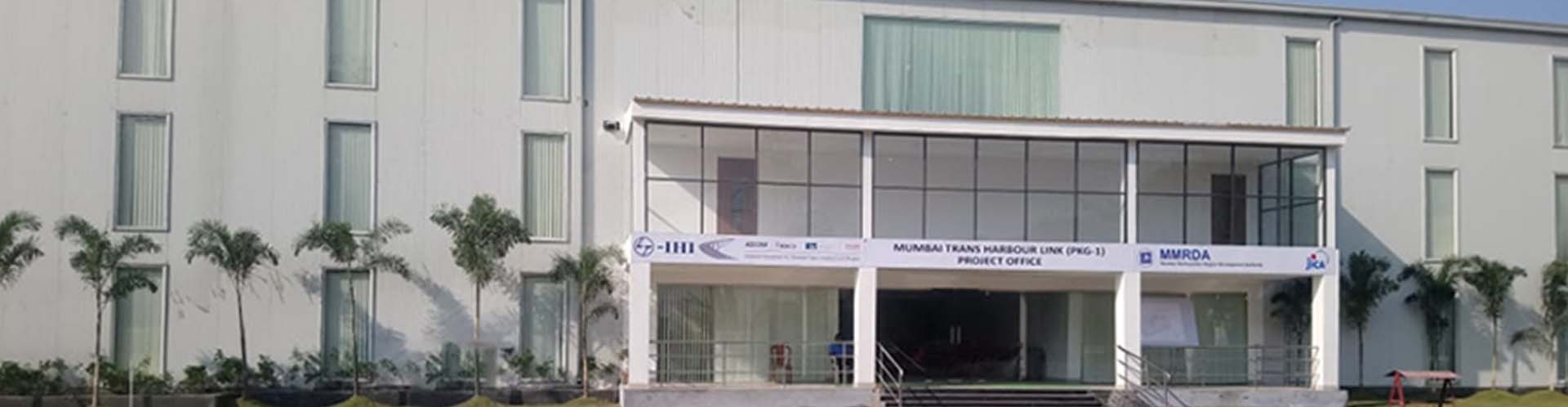
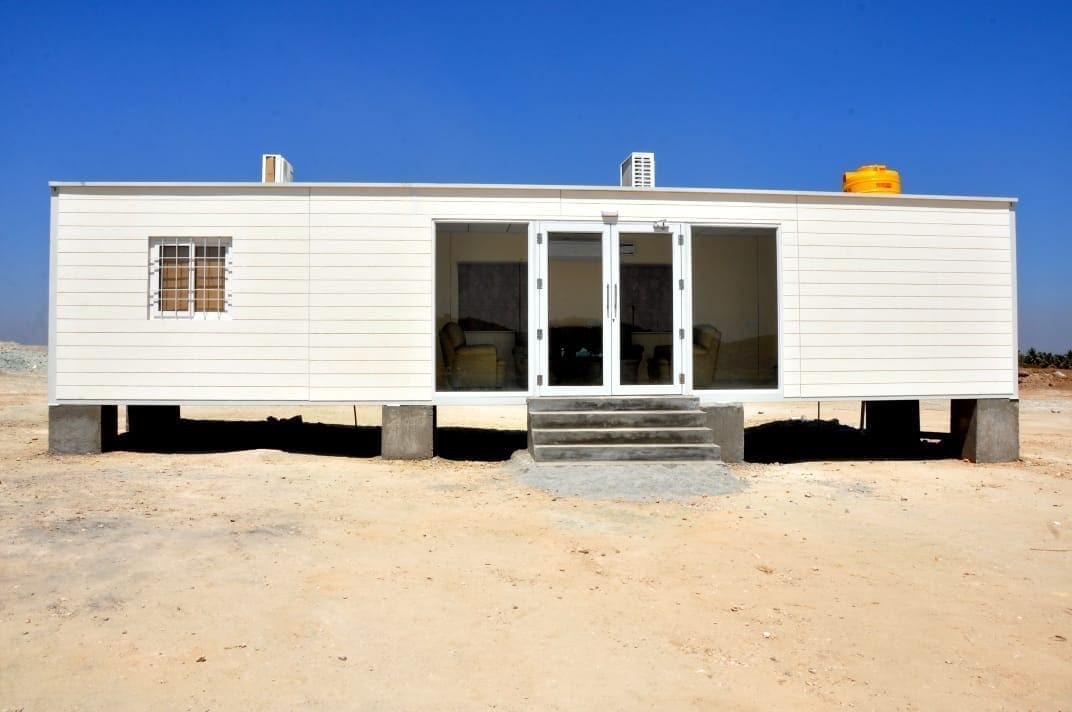
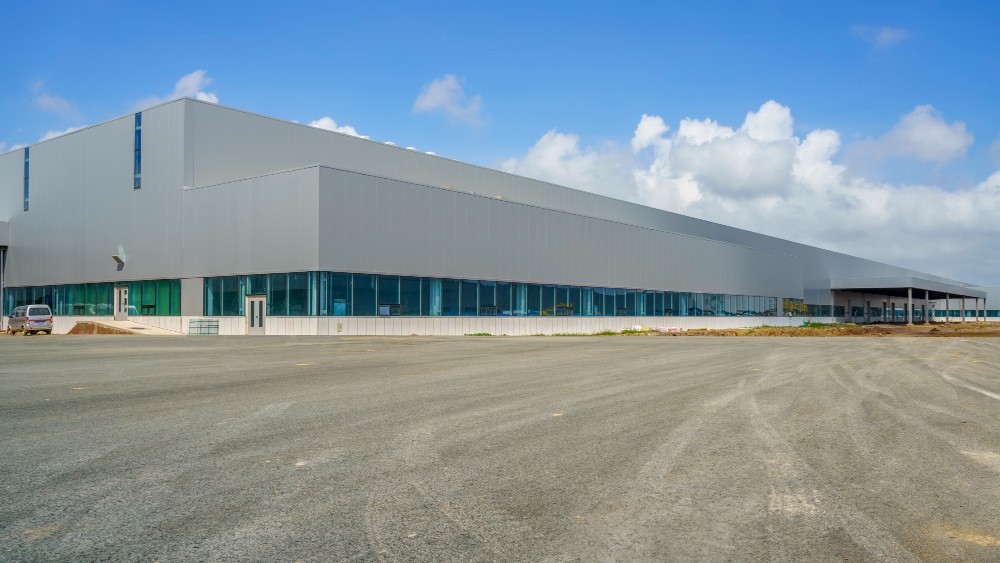
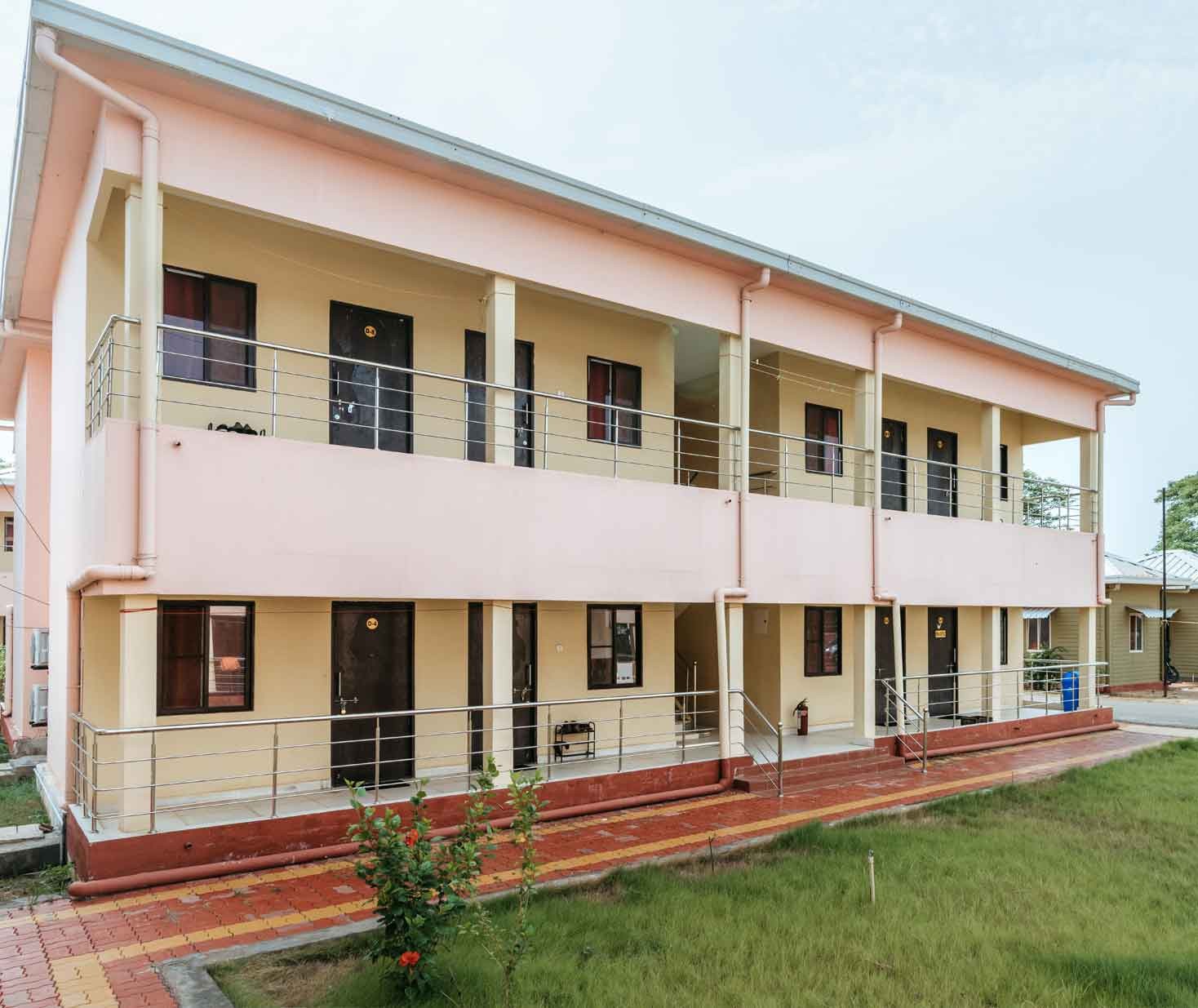
 site office front view622f00119ba65.jpg)
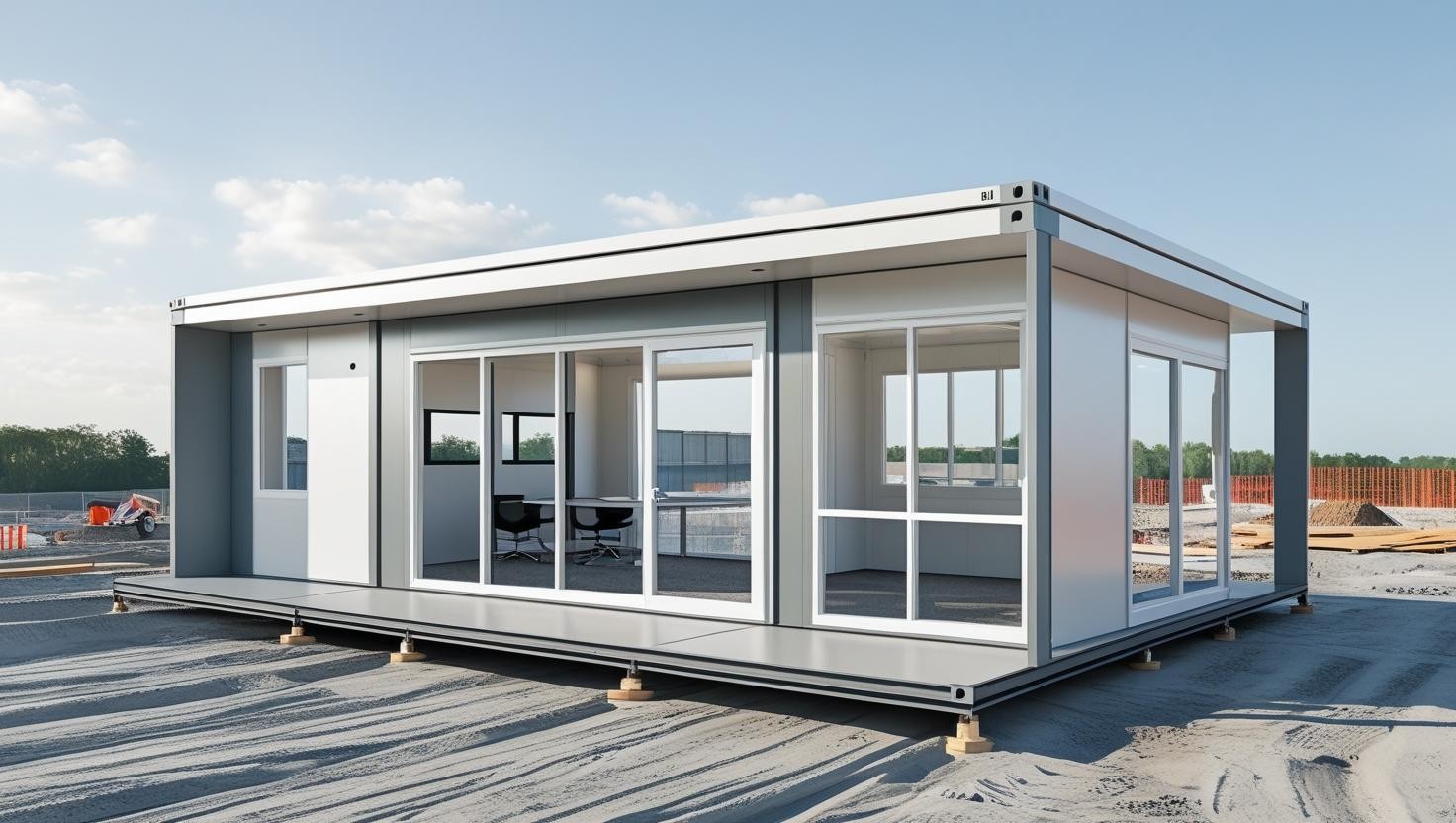
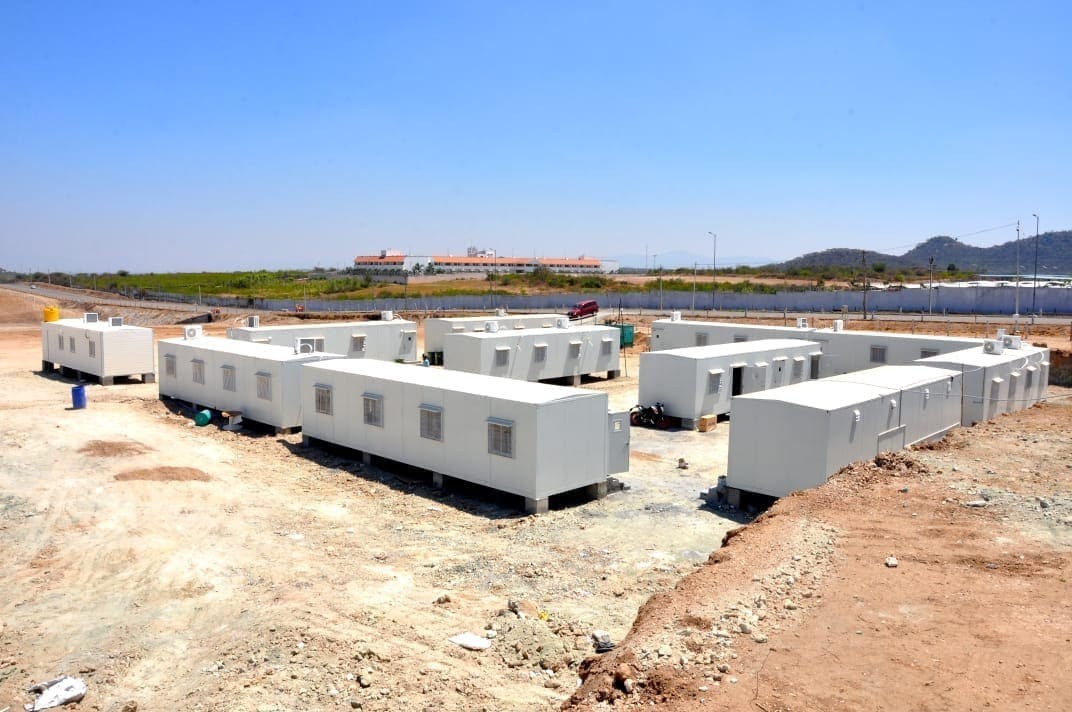
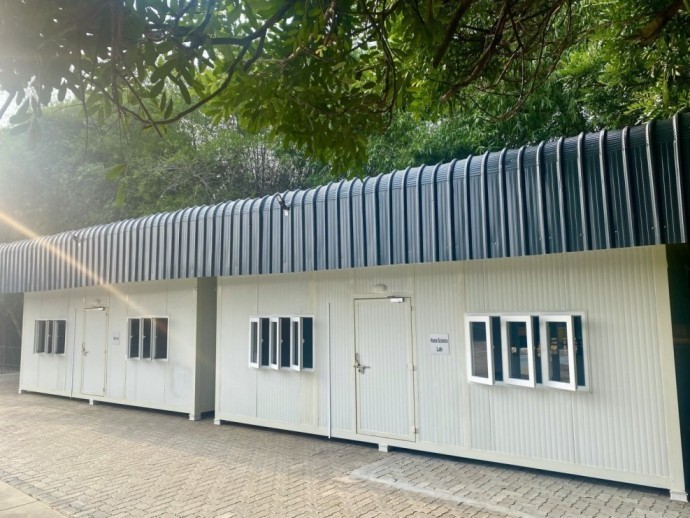
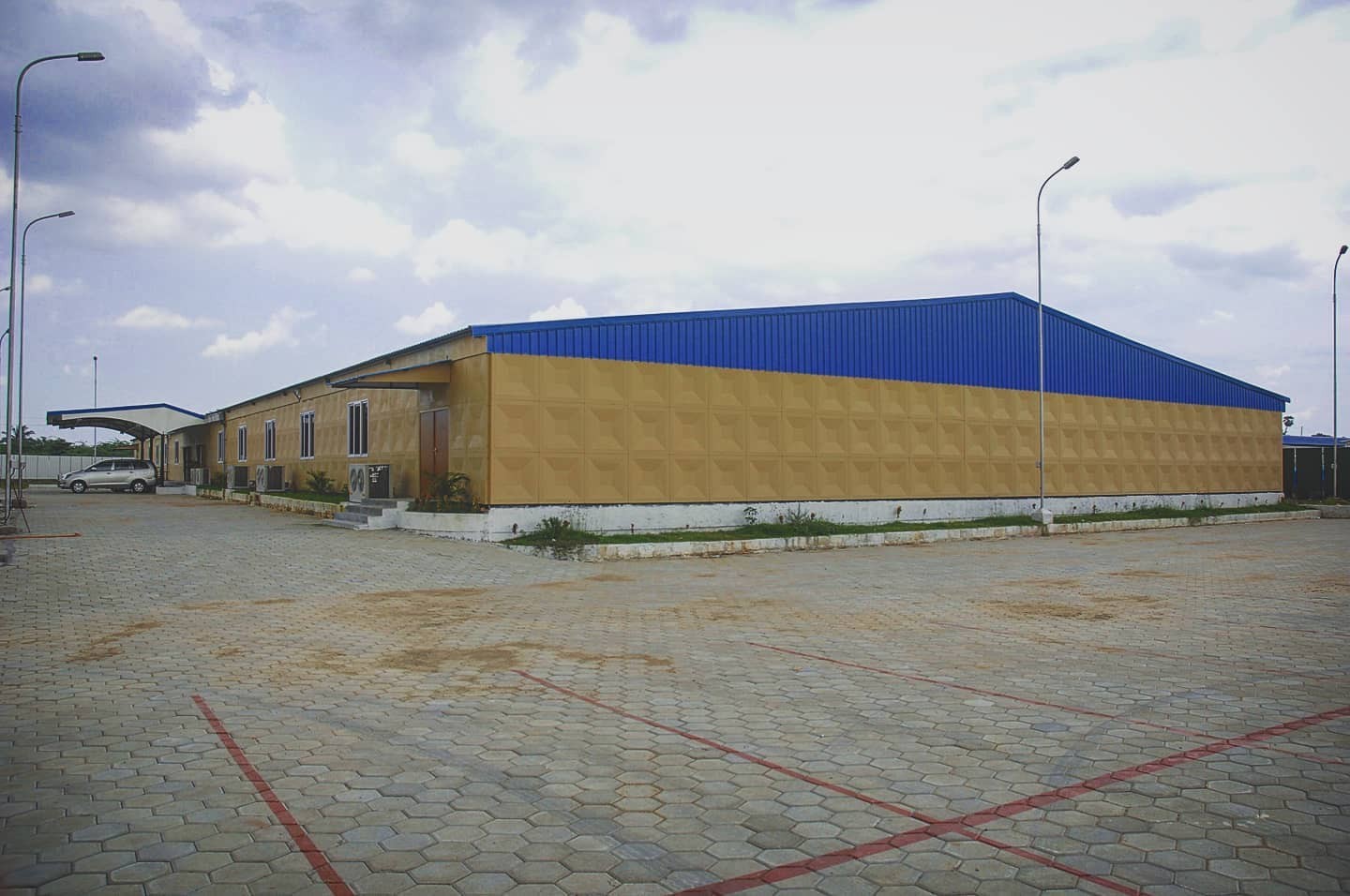
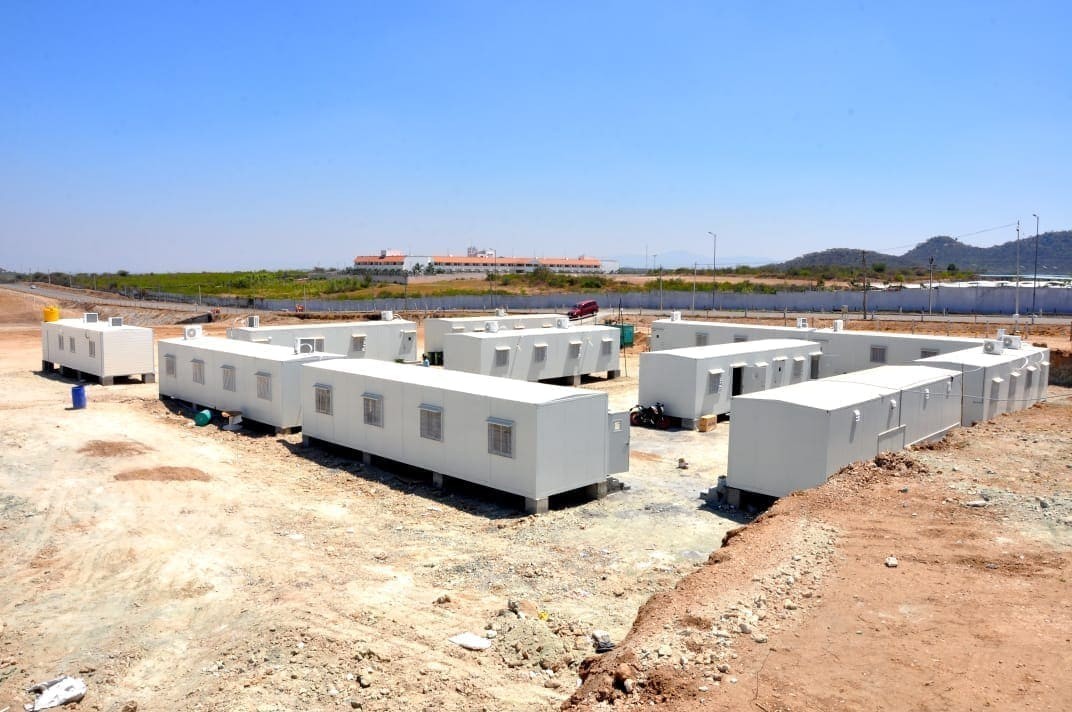
Prefabricated portable office structures can be set up easily. The affordable portable offices offer you convenience and comfort. The brick and mortar construction is going to consume you more effort, time and money. On the contrary, the strong and durable prefabricated offices can be constructed in a matter of days.
Relocation is also feasible with the prefabricated structures. Minimal wastage, with reusable prospects, has been another prominent aspect that led to increased acceptance of such constructions.
We have been fortunate to deliver high-quality prefabricated structures to many elite entities and renowned companies around the country. A prefabricated structure is the best choice for a portable office onsite.
How Are Prefabricated Office Cabins Different from Concrete Construction?
The design and construction process is the basic difference between concrete construction and a prefabricated structure.
- Portable office cabins use the prefabricated structure for constructing the office. On the other hand, brick, steel and mortar are used for concrete construction
- Brick and mortar construction is costly compared to a prefabricated structure. Especially due to the rapidly rising cost of construction material
- Relocation is possible with prefabricated construction, whereas it is not possible with the permanent ones
- Prefabricated structure designing is easy and construction possible even in constrained spaces
- Durability as much as or more than brick and fabricated structure
- Construction of a prefabricated portable office is not as complex as a concrete structure
- Prefabricated structure doesn’t cause harmful wastage on destruction. The material can be reused or sold to vendors for recycling. This is not possible with a brick and mortar structure.
Benefits of Choosing a Portable Office Site
We are listing 9 benefits of opting for a prefabricated portable office on site. You can check out the advantages for deciding which one to choose, brick and mortar construction or a prefabricated portable office on site.
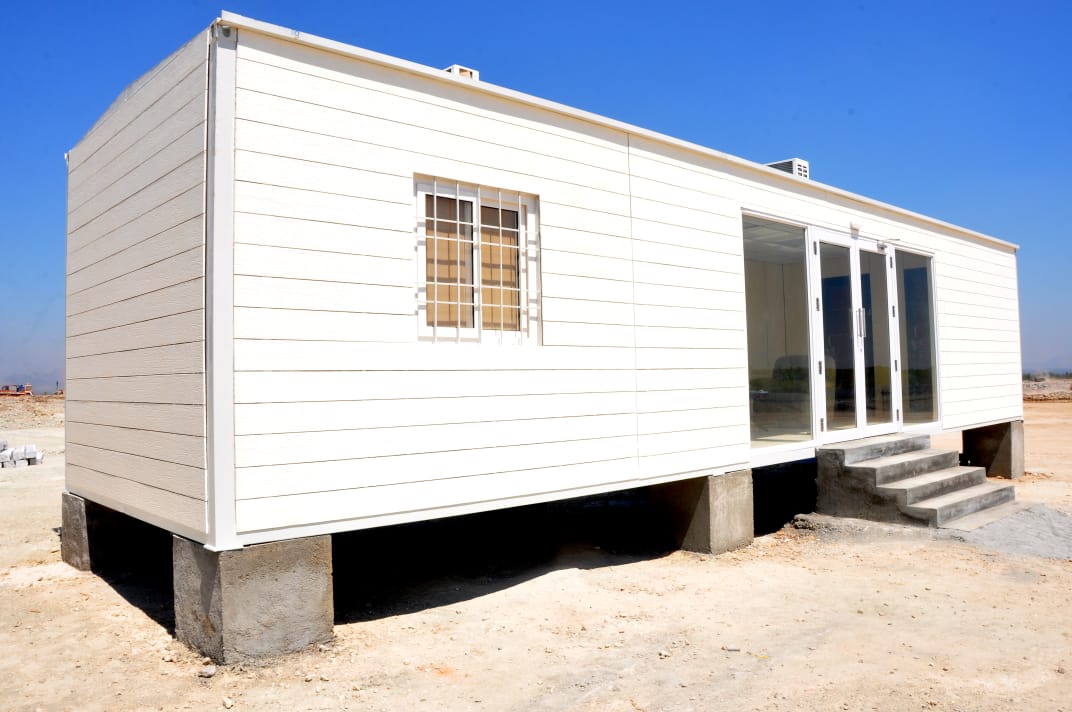
1. Quick Construction of the Office
Permanent office space constructed using concrete beams, cement, and steel is going to take too much time. The planning and construction activities are not simple as in the case of a prefabricated portable office. Construction of a portable office on-site will take around 50% less time than permanent construction.
2. Relocate to Anywhere Anytime You Want
It is impossible to relocate a permanent construction. The only possible way is to demolish the office and use as many components as possible for the new office. However, a portable onsite office can be relocated to any site, whenever you want. Thus saving on budget.
3. Play Your Part in Protecting Biosphere
Prefabricated office structures are made of eco-friendly materials. It doesn’t cause any harmful emissions during the manufacturing and assembling process. Moreover, the wastage is minimal during the construction. Even the waste material can be reused or recycled. By using the prefabricated portable offices, you will be playing your part in protecting nature.
4. Affordable than Brick and Mortar Construction
Prefabricated portable offices are budget-friendly. A permanent construction may cause unexpected budget overheads hampering your financial planning. Prefabricated construction can be completed in a fixed, predefined, budget.
5. Cost-effective Solution
Prefabricated offices are cost-effective solutions. It would withstand adverse weather scenarios and stand strong throughout. The tropical climatic conditions or the saline environment will not be a problem for prefabricated structures.
6. Excellent Durability
Highly durable material is used for the construction of prefabricated portable offices on site. The structure is so strong that it would endure external forces and impacts. The prefabricated structure is made of such robust material that has been tested for strength and performance. Nonetheless, you should check the reliability of the company offering the prefabricated structure before getting into a contract with them.
7. Easy Alterations

It is a difficult or impossible task to alter a permanent office made of brick and mortar. Altering a prefabricated portable office is easy and effective. The arrangements, design pattern, size of the room etc can be redesigned according to the varying requirements.
8. Convenient Construction
Prefabricated offices offer optimal convenience to the client. The office can be designed depending on the space availability. It can be moved within the premises or to another location on shifting of project. Brick and mortar structures cannot match the convenience offered by portable offices on site.
9. Multiple Usage
A permanent on-site office will have a limited purpose normally. Generally, it can be used as office space only. Nevertheless, the prefabricated office can be altered to suit any other requirement. Thus, the ROI of using the structure is very high compared to permanent construction.
Conclusion
We have listed just 9 benefits of choosing a portable office on-site, although there are many! An onsite office should not cost you much, at the same time, offer you all the comfort and convenience. Prefabricated structures are versatile enough to use them the way you want. An onsite office can be constructed quickly, without expending much, with the prefabricated structures.
Let us know what you are looking for. Our team can brief you on the different construction patterns, design possibilities, budgetary offers etc. Pressmach, one of the leading prefabricated construction companies in India, offers you a long-lasting and strong portable office at competitive rates.
Your Requirements
Related
Blogs

How Tensile Roofing Structures Reduce Swimming Pool Maintenance
Benefits of Tensile Roofing Structures for Modern Agriculture
How to Maintain Tensile Roofing Structures
Benefits of Tensile Roofing for Industrial Projects

Can Tensile Structures Handle Heavy Rain and Strong Wind Loads
Questions to Ask Before Choosing a Prefabricated Farmhouse Manufacturer
How Long Does it Take to Install a 10,000 sq ft Prefab Warehouse in India?
How Pressmach Delivered a 50-Bed Hospital in Just 90 Days
How Educational Institutions Are Using Portable Classrooms to Handle Enrollment Pressure
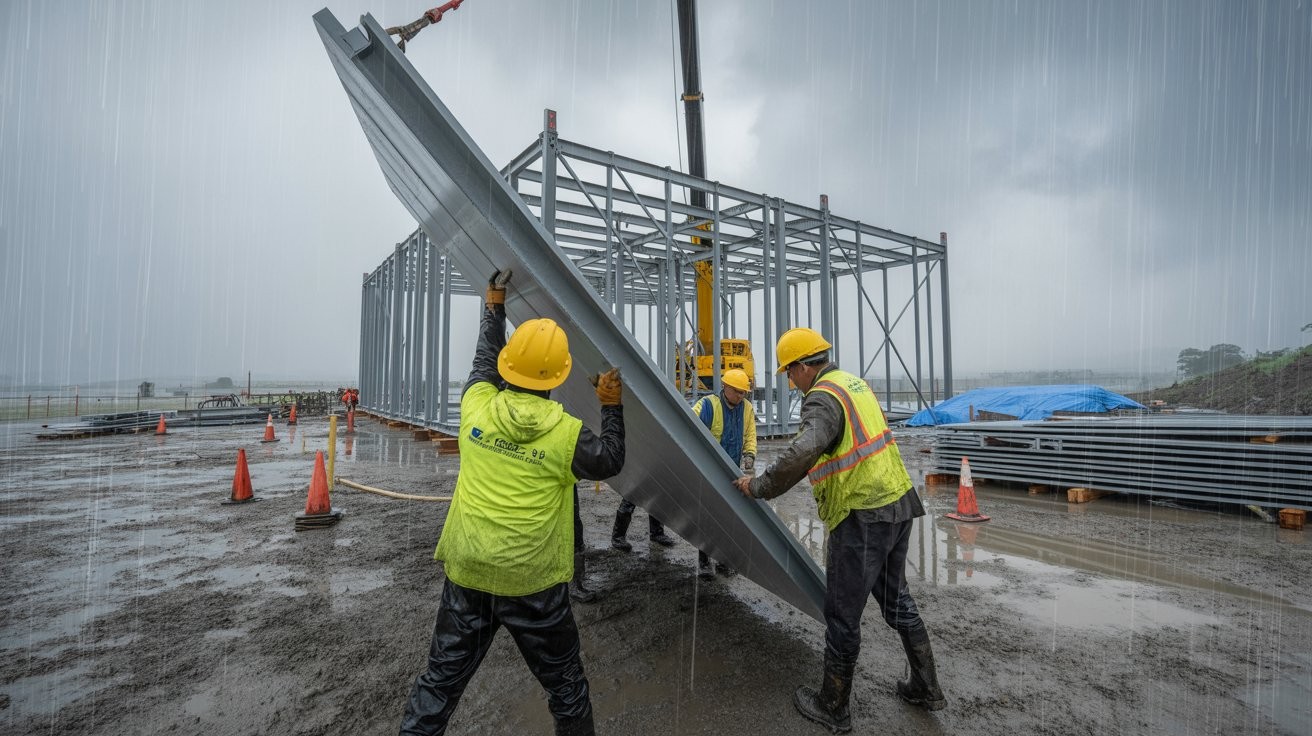
Can a Prefab Structure Be Installed During Monsoon or Do You Have to Wait It Out?
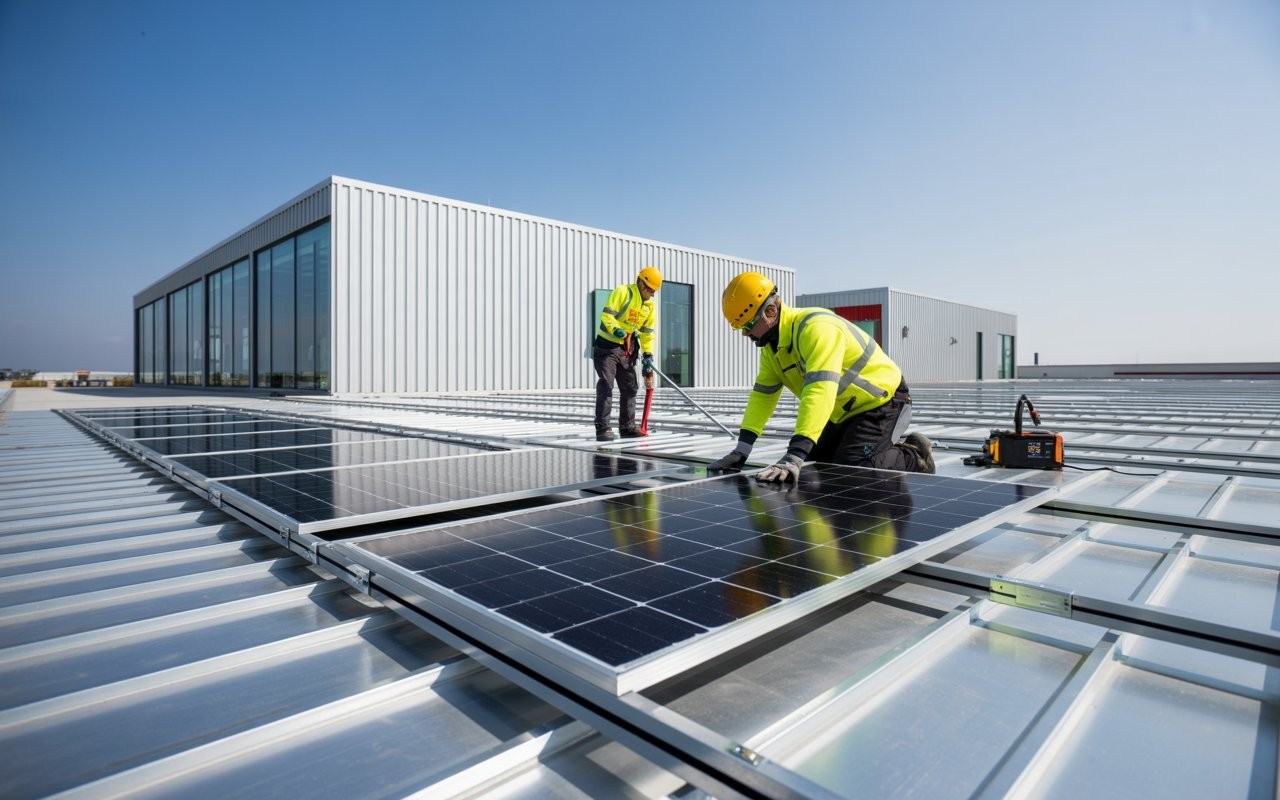
How to Install Solar Panels on Prefabricated Rooftop Structures
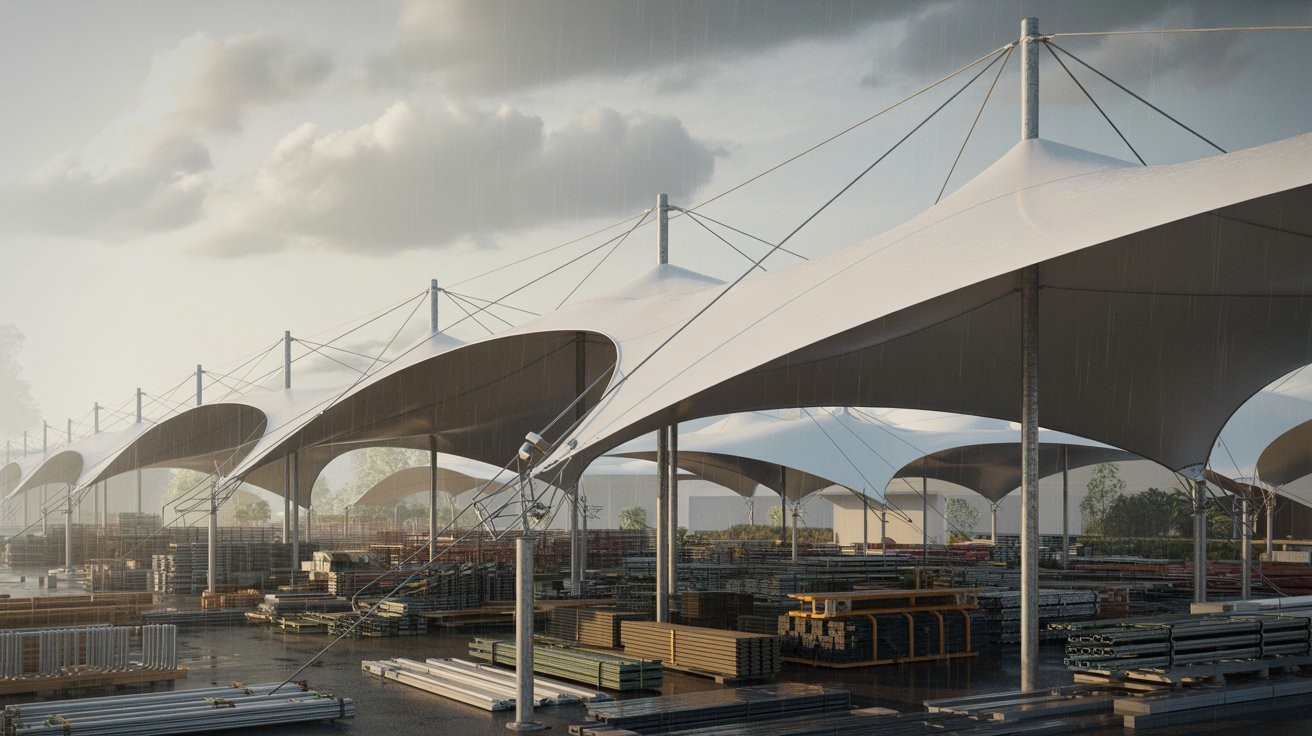
Tensile Roofing Structures for Outdoor Storage Yards: What Material Holds up to Indian Weather?

What Makes Prefab Quality Control Rooms Ideal for Manufacturing Facilities?

How Portable Workmen Accommodation Improves Site Productivity
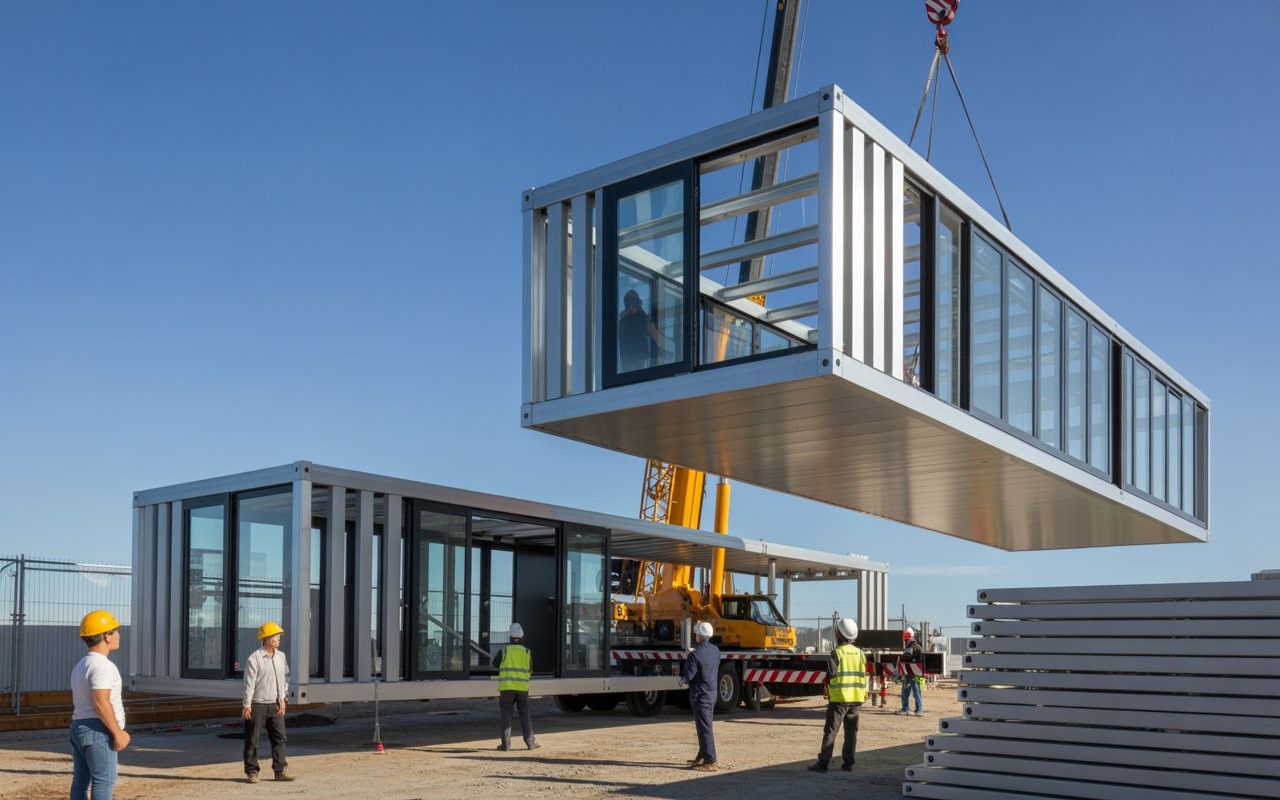
How Prefabricated Buildings Help Reduce Project Delays?
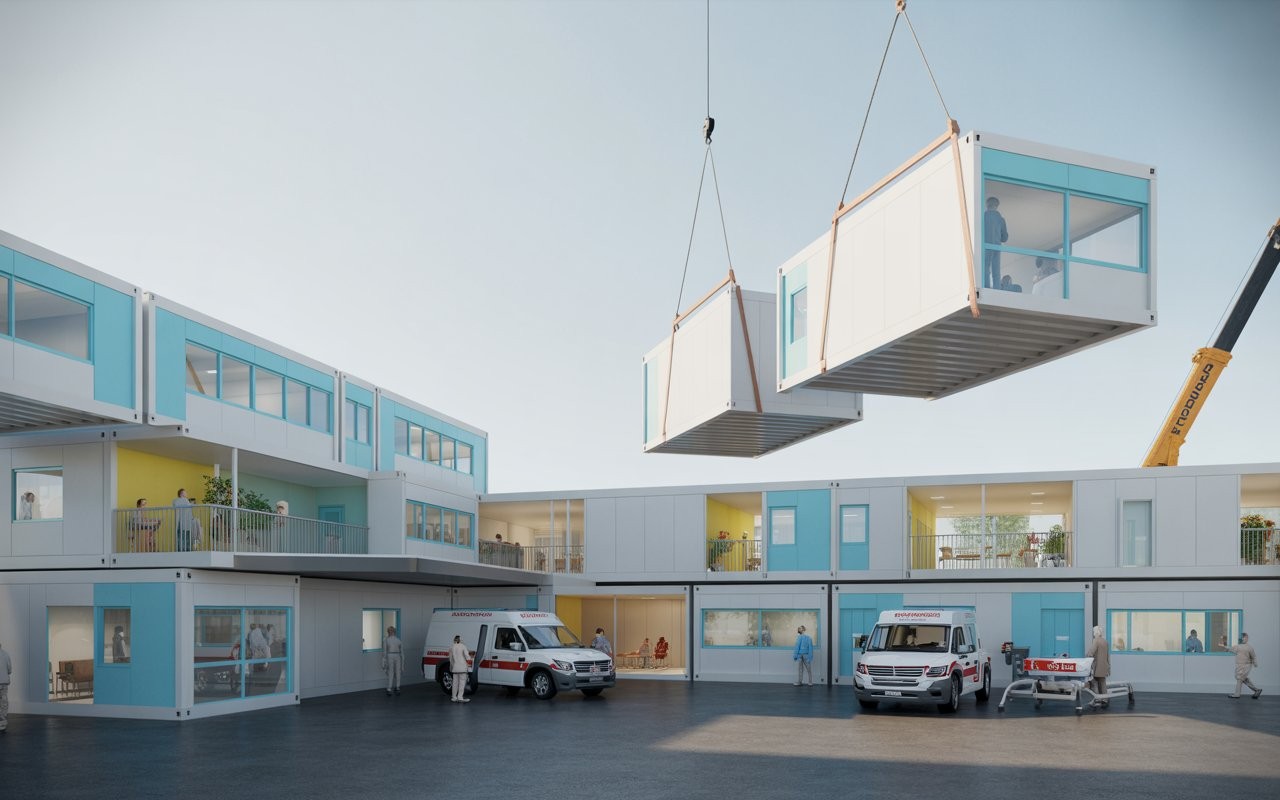
What Are Prefabricated Hospitals and When Are They the Right Choice?

Why Tensile Membrane Structures are the Future of Modern Architecture in India
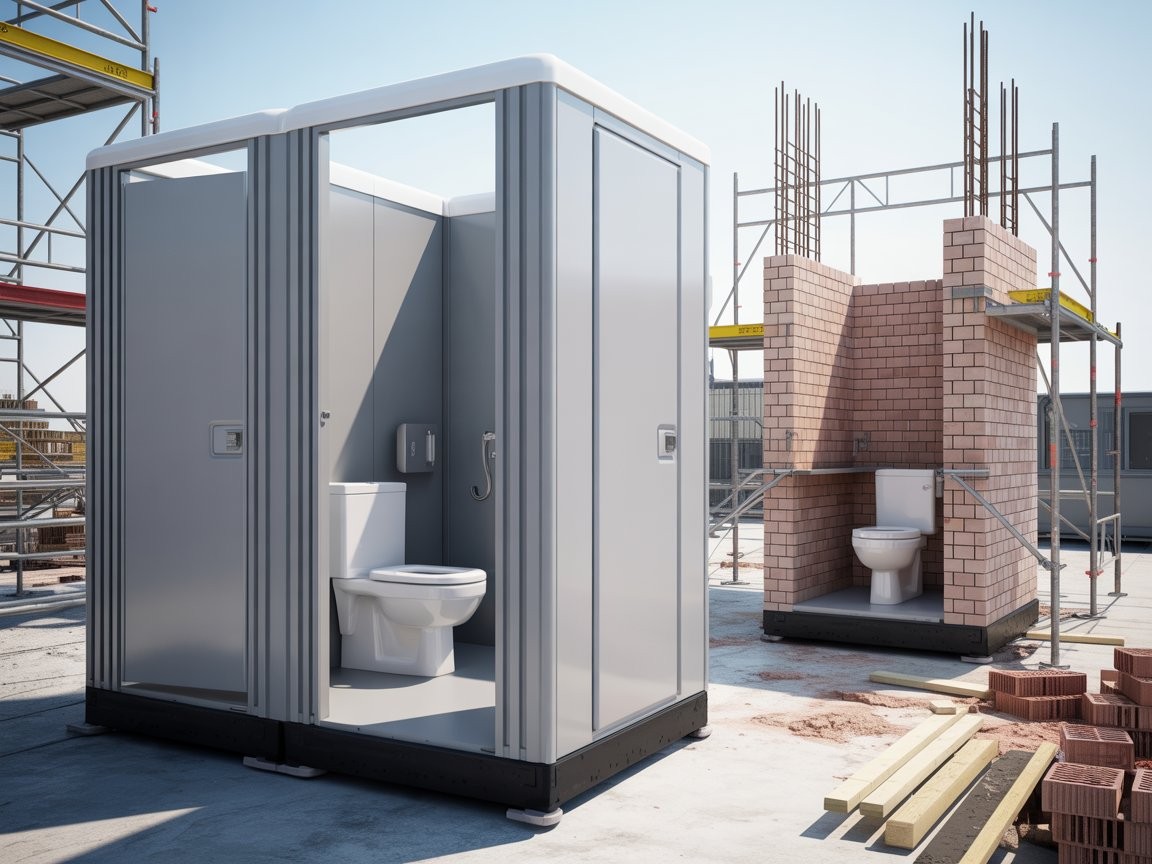
What Are the Advantages of Prefab Toilets Over Conventional Toilets?
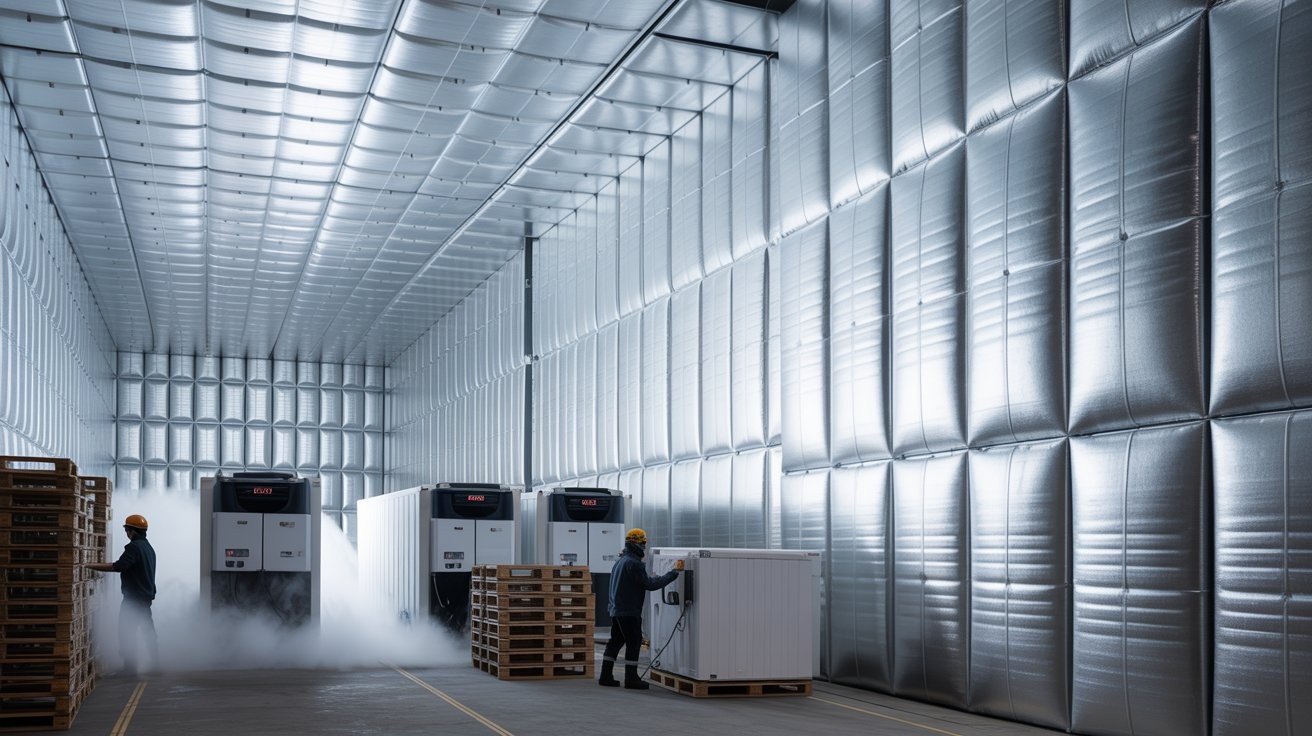
How PUF Panels Improve Cooling Efficiency in Warehouses and Cold Rooms
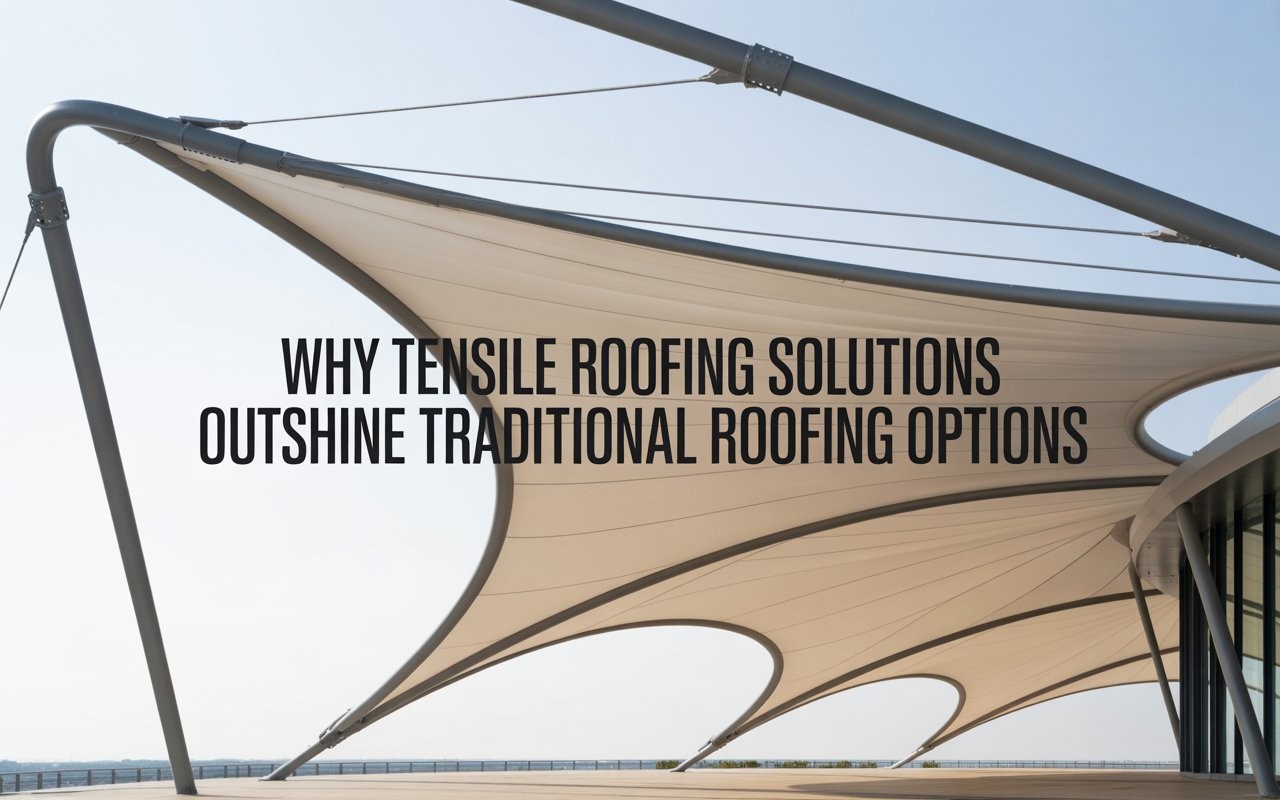
Why Tensile Roofing Solutions Outshine Traditional Roofing Options
Top Industries that Benefits from Prefabricated Structures
The Rise of Prefabricated Construction in India: Benefits and Challenges
Why You Should Conduct Soil Testing Before Building a Prefab Modular Home
How Pressmach is India's Leading Prefabricated Building Manufacturer
How Tensile Architecture Combines Sustainability with Striking Design
Rising Demand and Future Growth of the Solar Mounting Structures Market
Why Are Prefabricated Site Offices a Smart Choice?
Why Businesses are Turning to PEB Building Construction in 2025

Why PUF Panels Are the Best Choice for Prefabricated Construction

Acoustic Enclosures vs Industrial Enclosures: What’s the Difference and Why It Matters

Solar Panel Orientation and Tilt Angle: How Mounting Structures Play a Role

Rise of Prefabricated Data Centers in India’s Digital Boom

Can Prefabricated Structures Withstand Seismic Shocks?

How LGSF is Revolutionizing Affordable Housing in India

Role of Prefabricated Warehouses in Modern Business Storage Solutions

The Future of AI in Prefabricated Construction

10 Major Advantages of Prefabrication in Modern Construction Projects

Advancements in Prefabricated Materials: What to Expect in 2025
6790c3d8f29a2.jpeg)
The Role of Prefabrication in Disaster Relief and Emergency Housing

Tips for Preparing Your Site for a Prefabricated Structure

Are Modular Prefab Homes Suitable for Extreme Weather Conditions

Uses Of Peb Structure In Residential Spaces

Trends and Innovations in Prefab Commercial Buildings

Top Benefits of Modular Office Space in 2024

Prefabricated Homes vs Traditional Homes

Benefits of Having Modular Prefabricated Cold Storage Solutions

How is Prefab Modernising India’s Ageing Industrial Spaces

How Modular Construction Improves Accessibility in Remote Areas

How to Choose the Right PUF Panels for Your Prefab Building

Types of Pre-engineered Buildings Used in Different Industries

Pre-Monsoon Checklist For PEB Buildings

Uses of Portable Cabins in Disaster Relief

Top Uses for Portable Cabins

Advantages of Portable Security Cabins

Why are Eco-friendly Prefab Homes a Better Choice

Insulation and Passive Technology Benefits of Prefab Modular Buildings

Why is Prefab Construction Greener than RCC Construction

Securing Modular and Prefabricated Buildings: Essential Tips

Benefits of Modular Construction in Healthcare

Factors To Consider Before Buying A Prefabricated Warehouse Building

Benefits of Portable Labour Accommodation Manufacturer

Reasons To Choose Portable Cabins

Myths And Facts About Portable Office Buildings

Innovative Uses Of Modular Buildings
Benefits Of Modular Cleanroom
Advantages Of Pre-Engineered Factory Buildings
65cf4d38697f9.webp)


65cf65f046eed.webp)
64afe3444467b.jpeg)
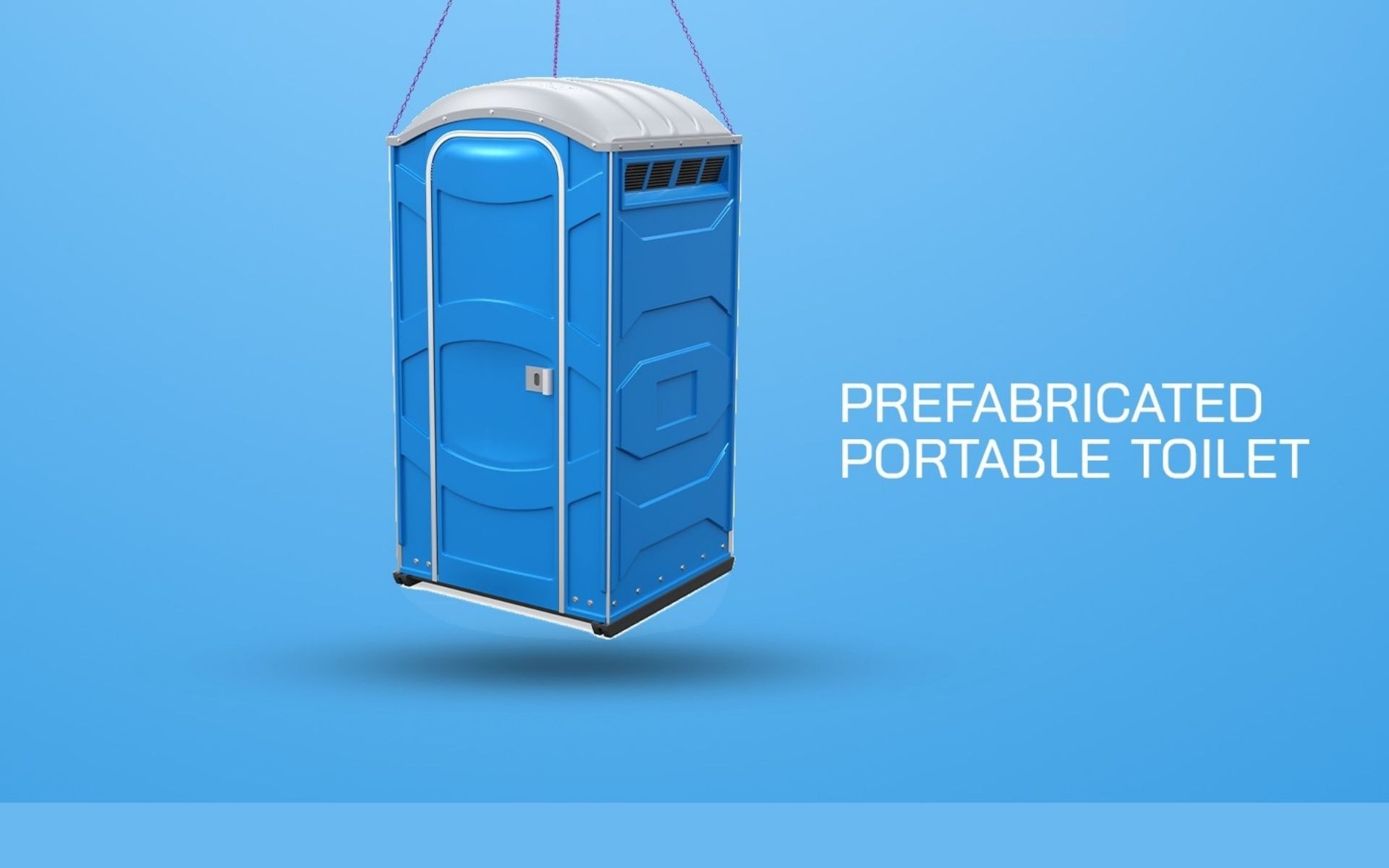
Importance Of Having Portable Toilets On-Site
Why Prefab Solutions are Ideal For Schools In Rural Areas?
What Is The Difference Between Precast And Prefabricated Buildings?
How LGSF Building Helps In Rapid Construction

Important Things To Look For In a Prefab Company
How Long Does A Prefab Structure Last

Building Materials Used for Modular Construction
6349487807893.jpeg)
Modular Home Construction: Pros and Cons