
How Prefabricated Buildings Help Reduce Project Delays?
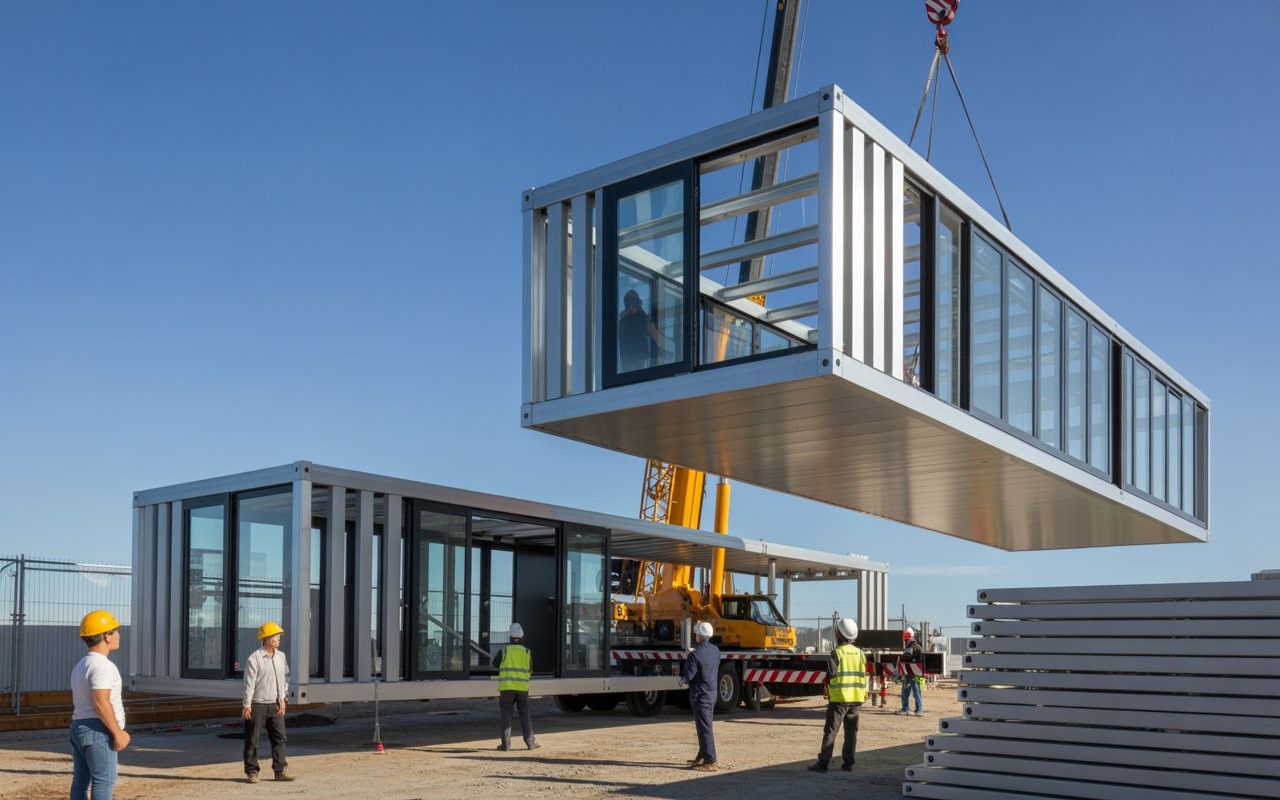
Traditional construction involves many moving parts, and even small disruptions can cause major delays. Most site-based projects follow a fixed, step-by-step process, where a delay in one stage affects everything that follows. Late material deliveries, unexpected weather, or labour shortages can quickly push timelines off track and extend project completion by weeks or even months.
Prefabrication takes a different approach. Instead of managing problems on-site as they arise, most of the construction work is completed in a controlled factory environment. This allows for better planning, consistent quality, and fewer interruptions, helping projects move forward on time with greater predictability.
The scale of this shift is reflected in the market data. India's prefabricated buildings market hit USD 15 billion in 2026. It is projected to reach USD 23 billion by 2030 at an 8.8% CAGR. This growth is driven by aggressive urbanization and the rising cost of delayed capital. Prefabrication isn't an alternative; it is a necessary response to an industry that can no longer afford the inefficiencies of conventional building.
Why are Project Delays so Common in Construction?
Construction delays are very common, especially in traditional building methods. Most projects follow a step-by-step process, where one task can only begin after the previous one is completed. For example, walls can only be built after the foundation has fully cured, and roofing can only start once the walls are finished. Because everything depends on the previous stage, even a small delay can affect the entire project timeline.
Labor volatility is the primary culprit. Relying on an unskilled workforce to execute complex tasks in uncontrolled environments leads to errors. Rework is the hidden time-killer. When a wall isn't plumb because of poor site conditions, the time spent fixing it is doubled.
Delays are further increased by supply chain issues. When materials do not arrive on time, workers and machinery remain idle, increasing project costs without any progress on site. Traditional construction also treats every project as a one-off build, with most work done on-site, making the process slower and more difficult to control.
How Prefabricated Construction Speeds Up Your Project Timeline?

The advantage here is parallel processing. In a traditional build, site prep and construction happen sequentially. With prefabrication, these paths happen simultaneously. While the ground is being excavated at the site, the actual building structure, including the walls, roof, and internal modules, is already being manufactured in the factory.
This workflow compresses the timeline by 30% to 50%. You are building the hardware of your facility while the site infrastructure is being readied.
- Precision Engineering: Components are manufactured with high accuracy, down to millimetre-level tolerances.
- Mechanical Joining: There is no need for on-site cutting, adjustments, or repeated trial-and-error. The structure is assembled using mechanical connections, making installation faster and more predictable.
- Elimination of Curing Times: Traditional construction relies heavily on “wet” processes, where work pauses while concrete cures over several days. Prefabrication follows a “dry” method, allowing each installed component to immediately support the next stage of construction.
You turn the construction site into an assembly point. The complexity is handled in the factory. This reduces the footprint of the construction phase. Businesses move from groundbreaking to operations in a fraction of the time.
Read more on: 10 Major Advantages of Prefabrication in Modern Construction Projects
How Off-Site Manufacturing Helps Avoid Weather-Related Delays?
Weather is the most common excuse for construction stagnation, but in prefabrication, environmental volatility is engineered out of the timeline. On a conventional site, a heavy storm does more than just stop work for the day; it compromises the staging area, creates mud that stalls heavy machinery, and necessitates extensive cleanup before the next pour can begin. Prefabrication removes much of this uncertainty through detailed upfront planning. With most of the construction process shifted off-site, nearly 80% of the build takes place in a climate-controlled industrial facility. This level of structured site planning ensures that rain, monsoon cycles, or extreme heat have little impact on progress. Welding, sealing, and assembly continue without relying on short-term weather forecasts. You aren't checking the 10-day forecast to decide if you can weld or seal a joint. Production continues 24/7 in an environment optimized for structural integrity and human performance. This predictability turns a construction "gamble" into a fixed industrial schedule.
- Protecting Material Integrity: Steel, insulation, and timber are prone to warping, rust, or moisture absorption when left on an exposed site. Factory storage and assembly ensure that the raw hardware of your building is never degraded by the elements before it is sealed.
- Eliminating Thermal Inefficiency: Extreme heat significantly reduces site labor productivity and can compromise the curing process of "wet" materials like concrete and mortar. Climate-controlled production maintains the physical properties of the materials and the output of the workforce.
- Structural Reliability: High-wind conditions or humidity levels on-site often lead to inconsistent application of adhesives or coatings. In a factory, these variables are standardized, ensuring the building envelope is physically superior to anything built in an open field.
- Sequential Site Safety: While the site might be muddy or flooded, your factory-made components are ready for rapid installation the moment a weather window opens. You don't lose time waiting for the ground to dry before you can continue building.
Read more on: Are Modular Prefab Homes Suitable for Extreme Weather Conditions
Cost Savings Through Prefabrication in Construction
In construction, speed isn't just a metric; it is the cost of capital. Every month a project sits unfinished, interest on construction loans continues to accumulate without a corresponding revenue stream. This is why the primary financial advantage of prefabrication is the aggressive compression of the time-to-market. If a warehouse or industrial unit opens a quarter early, you are capturing revenue while a traditional competitor is still managing foundation curing times. The opportunity cost of slow building often dwarfs the actual material costs. You are effectively paying to keep a site dormant while your capital remains locked.
A factory-controlled environment also helps reduce unnecessary costs. In traditional construction, a significant amount of material is often wasted due to breakage, cutting errors, and damage at the site. In many projects, this wastage can account for a noticeable portion of the overall budget. Prefabrication minimizes these losses by manufacturing components in a controlled setting using precise measurements and standardized processes. As a result, materials are used more efficiently, helping ensure that your budget goes toward the actual structure rather than avoidable waste.
- Slashing Site Overheads: Traditional construction demands months of spending on security, temporary lighting, site offices, and management salaries. Cutting the on-site phase from twelve months to four directly improves the project’s bottom line.
- Price Protection: You avoid the “price creep” caused by rising labour costs and material inflation. On long builds, expenses rarely stay stable. Prefabrication secures a fixed, industrial cost for a precision-engineered outcome.
- Reduced Financing Burdens: Shorter project lifecycles lead to smaller windows for debt accumulation. You move from borrowing to earning much faster.
- Lower Quality-Control Costs: Rework is expensive. Factory manufacturing includes built-in inspection stages, ensuring components are perfect before they ship. Site-based rework often costs double the original installation price.
Why Choose Pressmach for Your Prefabrication Projects?
Pressmach, as one of the experienced prefabricated structure manufacturers, builds for industrial operators who measure success in operational uptime rather than just construction milestones. We eliminate the guesswork that traditionally ruins project timelines. Our engineering focus is on the hardware; we solve assembly complexities in the factory so your site team isn't left improvising in the field. When you choose Pressmach, you are investing in a controlled industrial delivery system that removes the human and environmental variables that cause traditional infrastructure to stall.
Our manufacturing scale is designed for time-compression. We handle massive industrial footprints without allowing component quality to fluctuate. We don’t deal in vague promises of speed. We provide a fixed, engineered timeline that makes your ROI a mathematical certainty rather than a hope. We focus on getting your facility online and generating revenue while your competitors are still waiting for their foundations to dry.
Connect with Pressmach to discuss how our prefabrication approach can deliver a predictable timeline and faster returns for your industrial facility.
Your Requirements
Related
Blogs

How Prefab Buildings Can Help You Earn Green Building Ratings (IGBC/GRIHA)
How Tensile Roofing Structures Improve Bus Terminal Infrastructure

How Tensile Roofing Structures Reduce Swimming Pool Maintenance
Benefits of Tensile Roofing Structures for Modern Agriculture
How to Maintain Tensile Roofing Structures
Benefits of Tensile Roofing for Industrial Projects

Can Tensile Structures Handle Heavy Rain and Strong Wind Loads
Questions to Ask Before Choosing a Prefabricated Farmhouse Manufacturer
How Long Does it Take to Install a 10,000 sq ft Prefab Warehouse in India?
How Pressmach Delivered a 50-Bed Hospital in Just 90 Days
How Educational Institutions Are Using Portable Classrooms to Handle Enrollment Pressure
Can a Prefab Structure Be Installed During Monsoon or Do You Have to Wait It Out?
How to Install Solar Panels on Prefabricated Rooftop Structures
Tensile Roofing Structures for Outdoor Storage Yards: What Material Holds up to Indian Weather?

What Makes Prefab Quality Control Rooms Ideal for Manufacturing Facilities?

How Portable Workmen Accommodation Improves Site Productivity
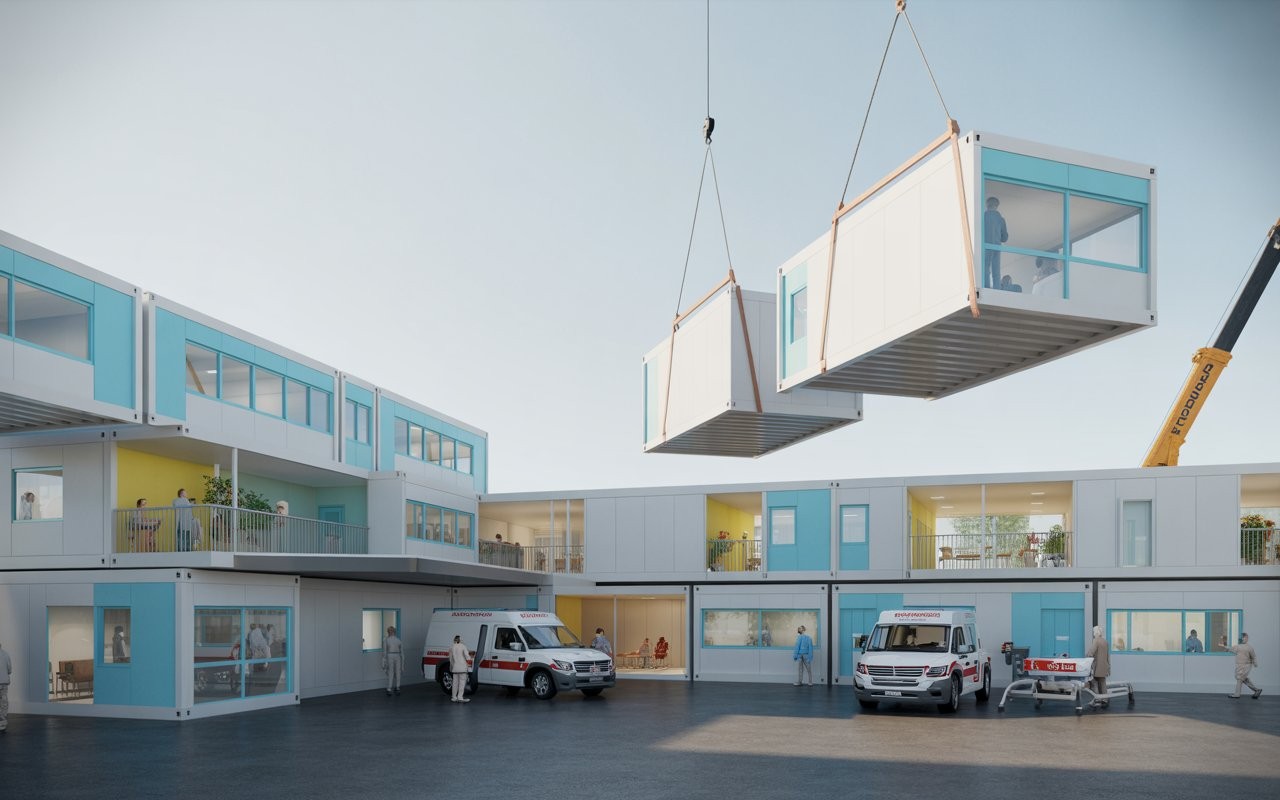
What Are Prefabricated Hospitals and When Are They the Right Choice?

Why Tensile Membrane Structures are the Future of Modern Architecture in India
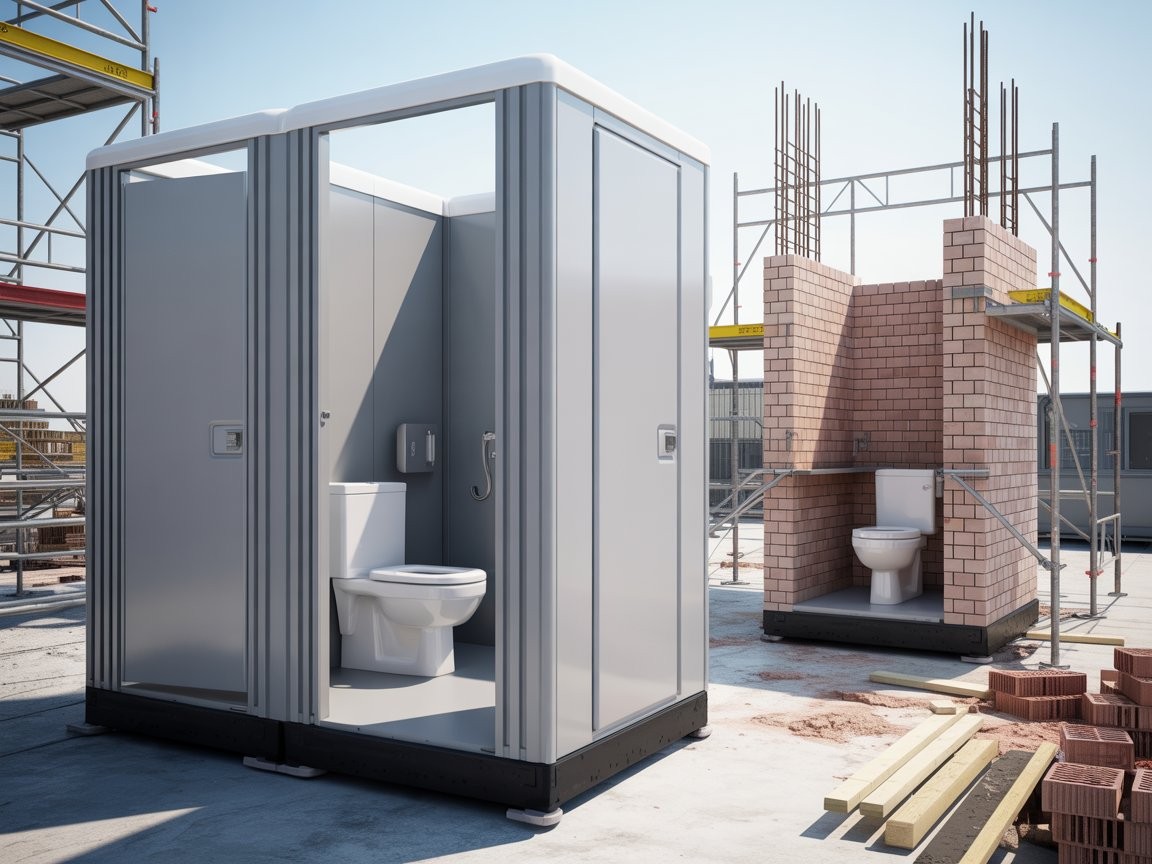
What Are the Advantages of Prefab Toilets Over Conventional Toilets?
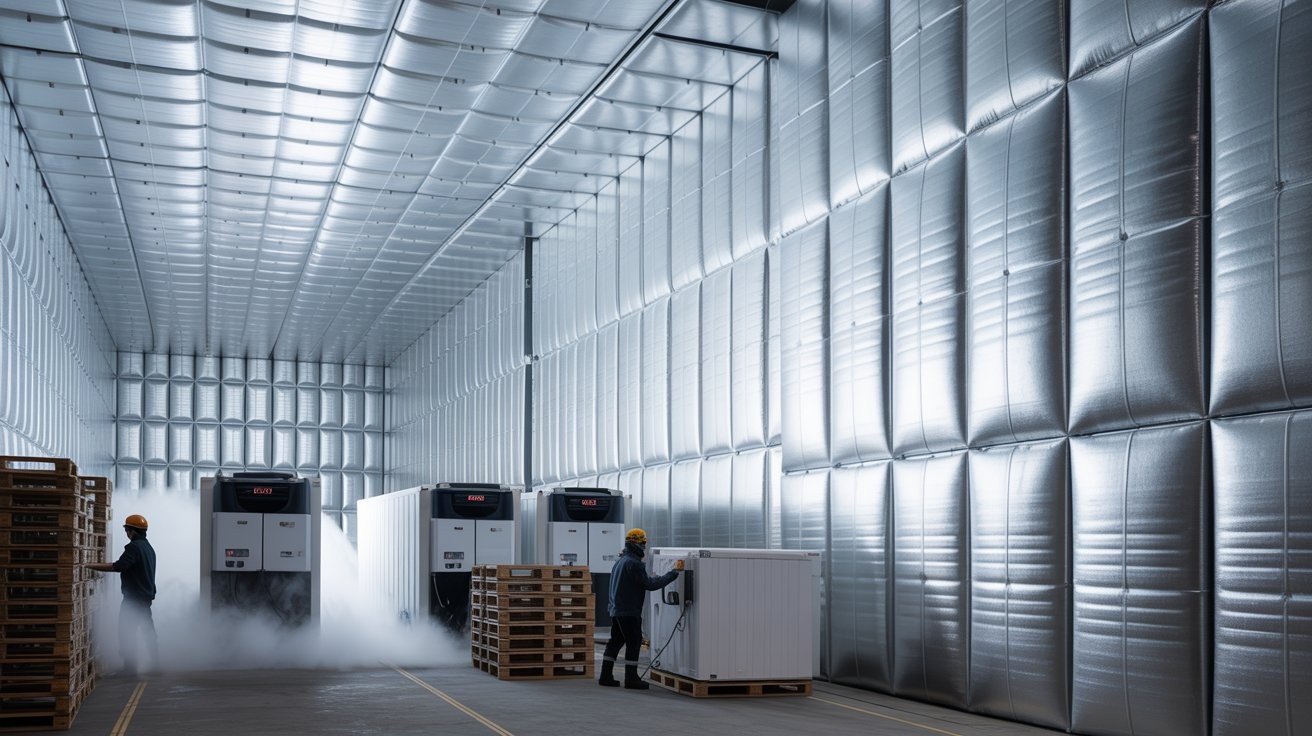
How PUF Panels Improve Cooling Efficiency in Warehouses and Cold Rooms
Why Tensile Roofing Solutions Outshine Traditional Roofing Options
Top Industries that Benefits from Prefabricated Structures
The Rise of Prefabricated Construction in India: Benefits and Challenges
Why You Should Conduct Soil Testing Before Building a Prefab Modular Home
How Pressmach is India's Leading Prefabricated Building Manufacturer
How Tensile Architecture Combines Sustainability with Striking Design
Rising Demand and Future Growth of the Solar Mounting Structures Market
Why Are Prefabricated Site Offices a Smart Choice?
Why Businesses are Turning to PEB Building Construction in 2025

Why PUF Panels Are the Best Choice for Prefabricated Construction

Acoustic Enclosures vs Industrial Enclosures: What’s the Difference and Why It Matters

Solar Panel Orientation and Tilt Angle: How Mounting Structures Play a Role

Rise of Prefabricated Data Centers in India’s Digital Boom

Can Prefabricated Structures Withstand Seismic Shocks?

How LGSF is Revolutionizing Affordable Housing in India

Role of Prefabricated Warehouses in Modern Business Storage Solutions

The Future of AI in Prefabricated Construction

10 Major Advantages of Prefabrication in Modern Construction Projects

Advancements in Prefabricated Materials: What to Expect in 2025
6790c3d8f29a2.jpeg)
The Role of Prefabrication in Disaster Relief and Emergency Housing

Tips for Preparing Your Site for a Prefabricated Structure

Are Modular Prefab Homes Suitable for Extreme Weather Conditions

Uses Of Peb Structure In Residential Spaces

Trends and Innovations in Prefab Commercial Buildings

Top Benefits of Modular Office Space in 2024

Prefabricated Homes vs Traditional Homes

Benefits of Having Modular Prefabricated Cold Storage Solutions

How is Prefab Modernising India’s Ageing Industrial Spaces

How Modular Construction Improves Accessibility in Remote Areas

How to Choose the Right PUF Panels for Your Prefab Building

Types of Pre-engineered Buildings Used in Different Industries

Pre-Monsoon Checklist For PEB Buildings

Uses of Portable Cabins in Disaster Relief

Top Uses for Portable Cabins

Advantages of Portable Security Cabins

Why are Eco-friendly Prefab Homes a Better Choice

Insulation and Passive Technology Benefits of Prefab Modular Buildings

Why is Prefab Construction Greener than RCC Construction

Securing Modular and Prefabricated Buildings: Essential Tips

Benefits of Modular Construction in Healthcare

Factors To Consider Before Buying A Prefabricated Warehouse Building

Benefits of Portable Labour Accommodation Manufacturer

Reasons To Choose Portable Cabins

Myths And Facts About Portable Office Buildings

Innovative Uses Of Modular Buildings
Benefits Of Modular Cleanroom
Advantages Of Pre-Engineered Factory Buildings
65cf4d38697f9.webp)


65cf65f046eed.webp)

64afe3444467b.jpeg)

Importance Of Having Portable Toilets On-Site
Why Prefab Solutions are Ideal For Schools In Rural Areas?
What Is The Difference Between Precast And Prefabricated Buildings?
How LGSF Building Helps In Rapid Construction

Important Things To Look For In a Prefab Company
How Long Does A Prefab Structure Last
 site office front view622f00119ba65.jpg)
9 Benefits Of Choosing Portable On Site Office

Building Materials Used for Modular Construction
6349487807893.jpeg)
Modular Home Construction: Pros and Cons