
The Rise of Prefabricated Construction in India: Benefits and Challenges
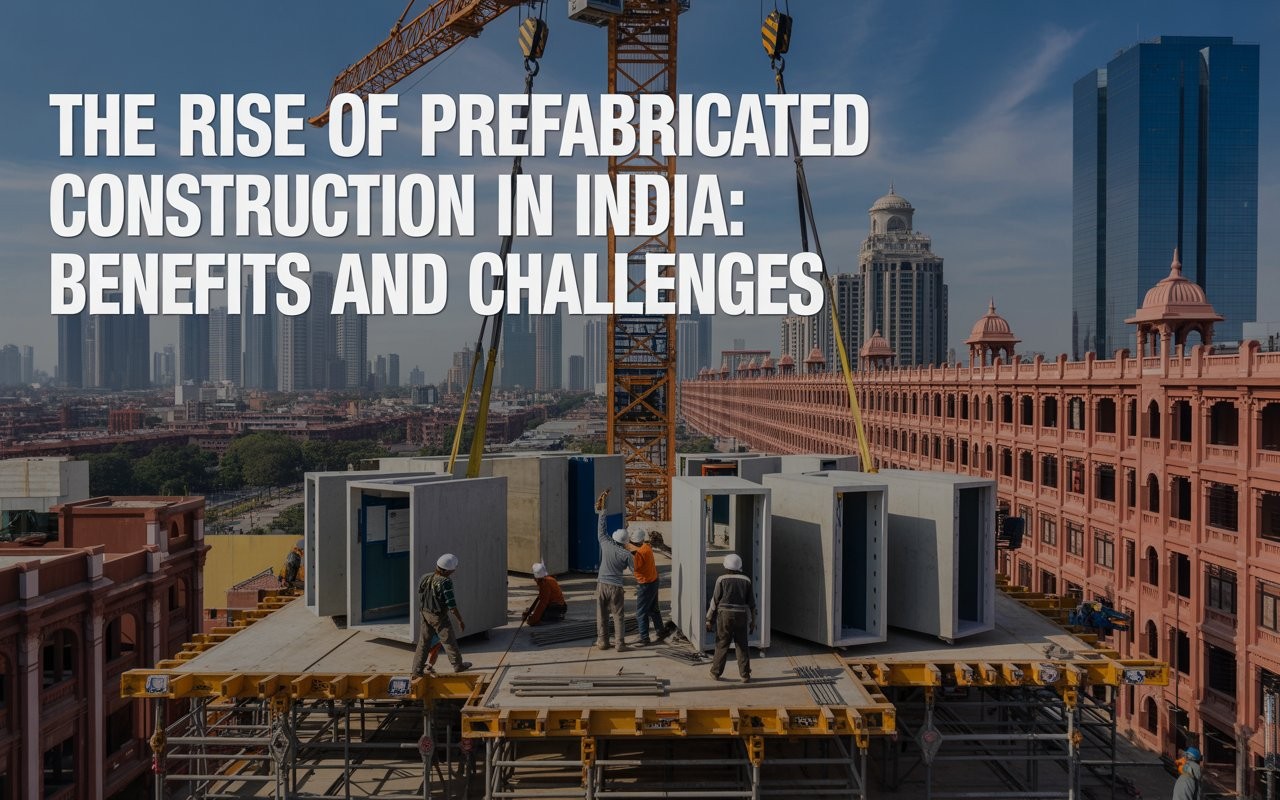
India's building sector is going through a massive change, mainly because we desperately need quick housing, rapid city growth, and high-quality infrastructure. For years, the industry relied on the slow, traditional way of building everything right on site. This method is often messy, burns up too much time and material, and the quality can be all over the place because you're fighting the weather and local conditions. With huge national projects and the rush to build more schools and hospitals, the old construction methods just can't keep up.
This urgent need for speed and precision has opened the door for the prefabrication revolution, where entire sections of a building can be manufactured in a controlled factory. Following that, the completed parts are transported to the location for prompt, hygienic assembly. This isn't just a fleeting trend; it’s a total game-changer that’s promising to improve quality, slash timelines, and make building way more sustainable across the country.
Techniques and Components in Prefabricated Construction
Prefabrication is a broad term that encompasses various unique manufacturing and assembly methods, each providing particular advantages based on the project's size and intricacy. Understanding these core methods is key to leveraging the efficiency of off-site construction. One of the most popular solutions in prefabricated construction is the use of PUF panels, which offer excellent insulation, durability, and ease of installation. You can read more about their benefits and applications in our dedicated blog on PUF Panels for Prefabricated Construction.
Modular Construction
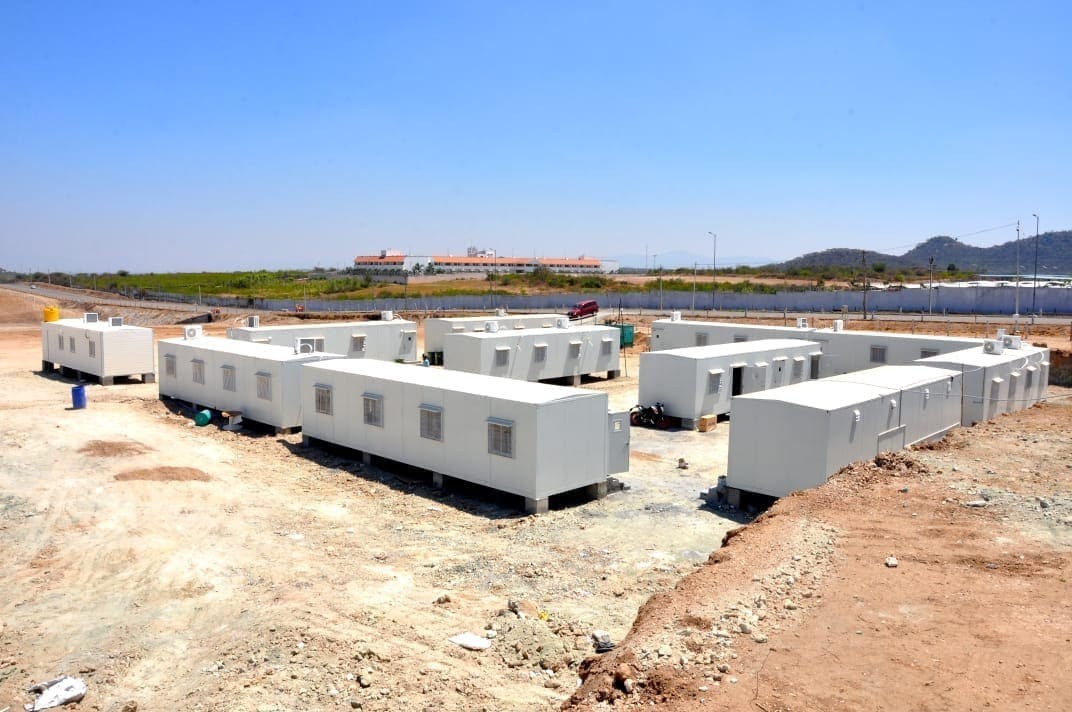
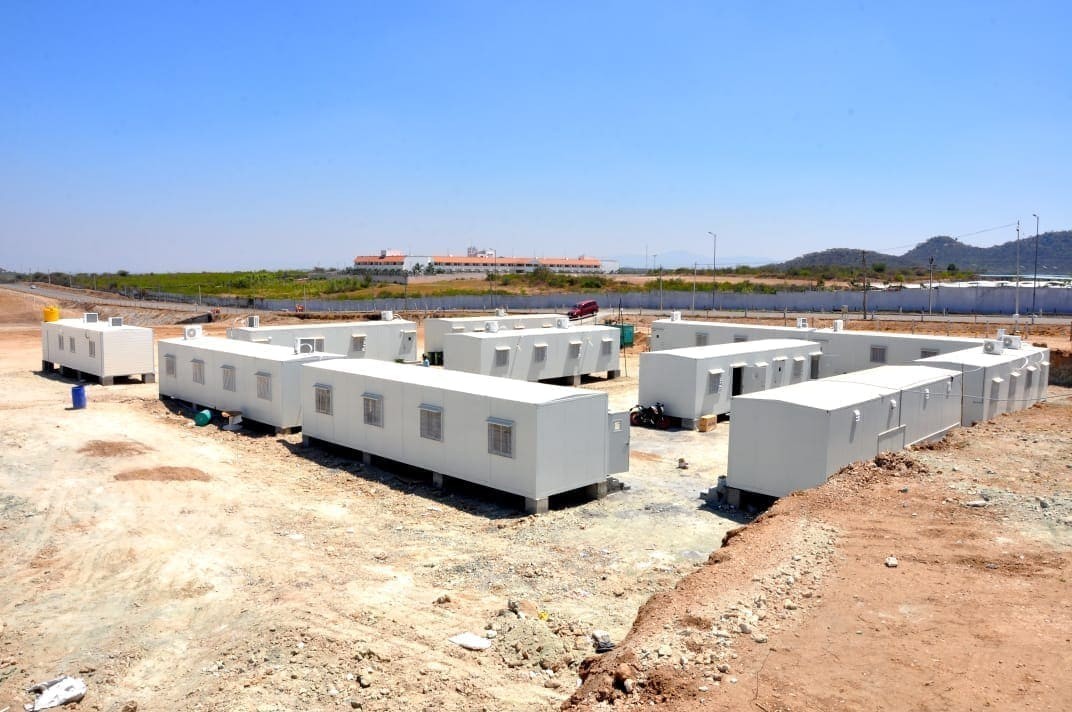
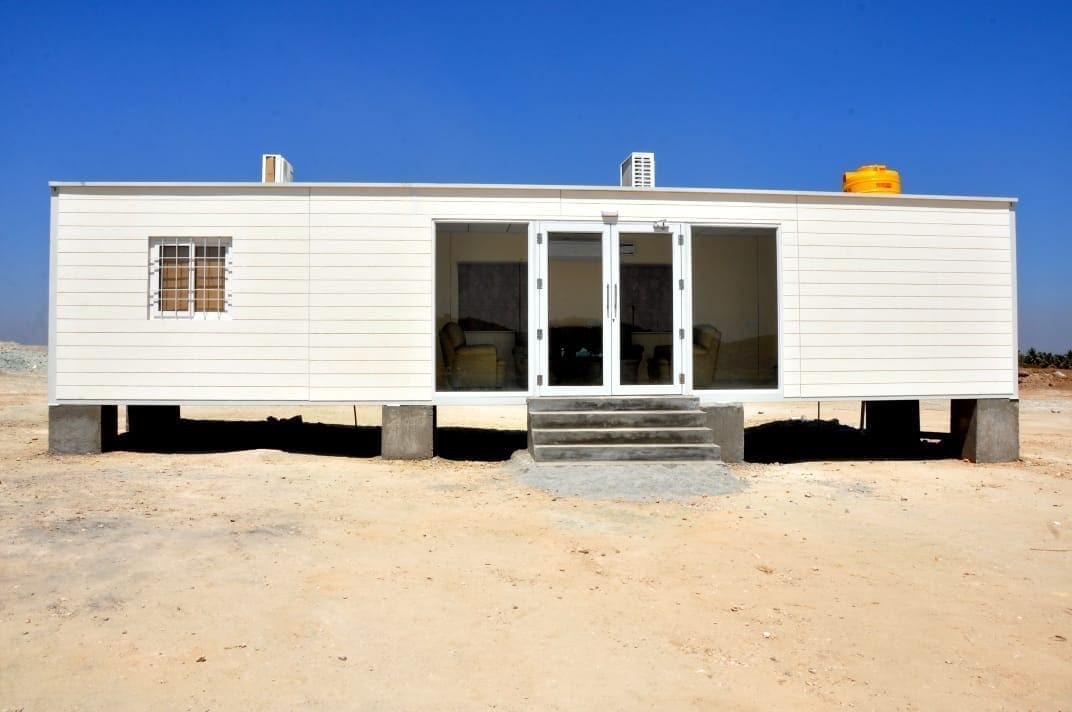
This method, which involves fully fabricating three-dimensional units or "modules" in a factory, is arguably the most sophisticated. On the construction site, these modules are basically whole rooms or building sections, complete with plumbing, electrical wiring, and interior finishes, that are just stacked and joined to create the finished structure.
Panelized Construction
This method emphasizes creating two-dimensional structural elements, including wall panels, floor panels, and roof panels, instead of complete rooms. These components are manufactured off-site with extreme precision and then transported for quick erection on-site. Compared to fully modular units, panelized construction offers more design flexibility and is incredibly versatile.
Pre-engineered Building (PEB) Systems and Structural Elements
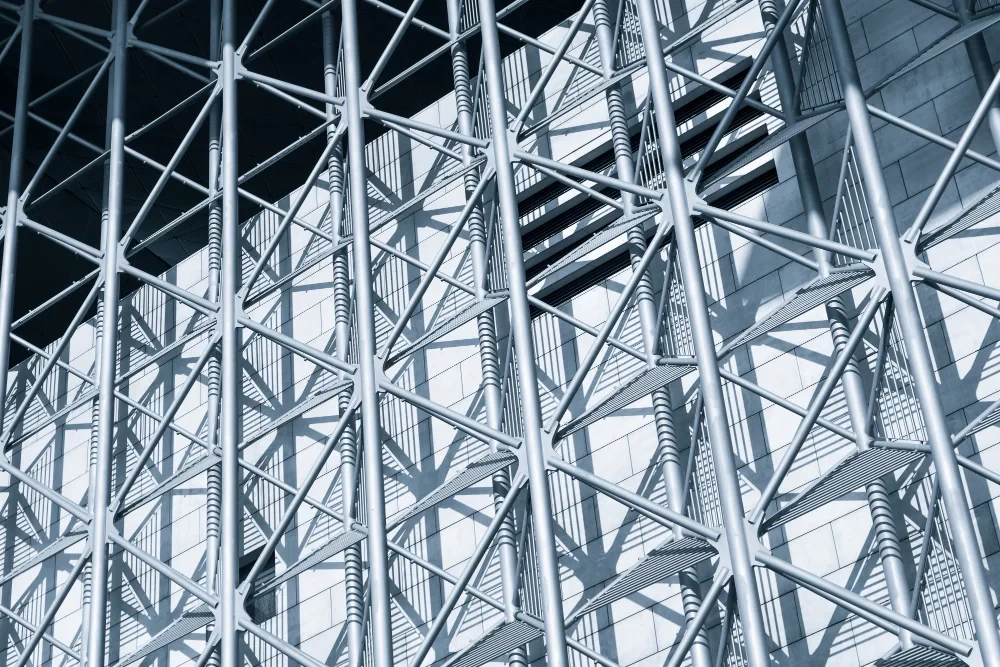
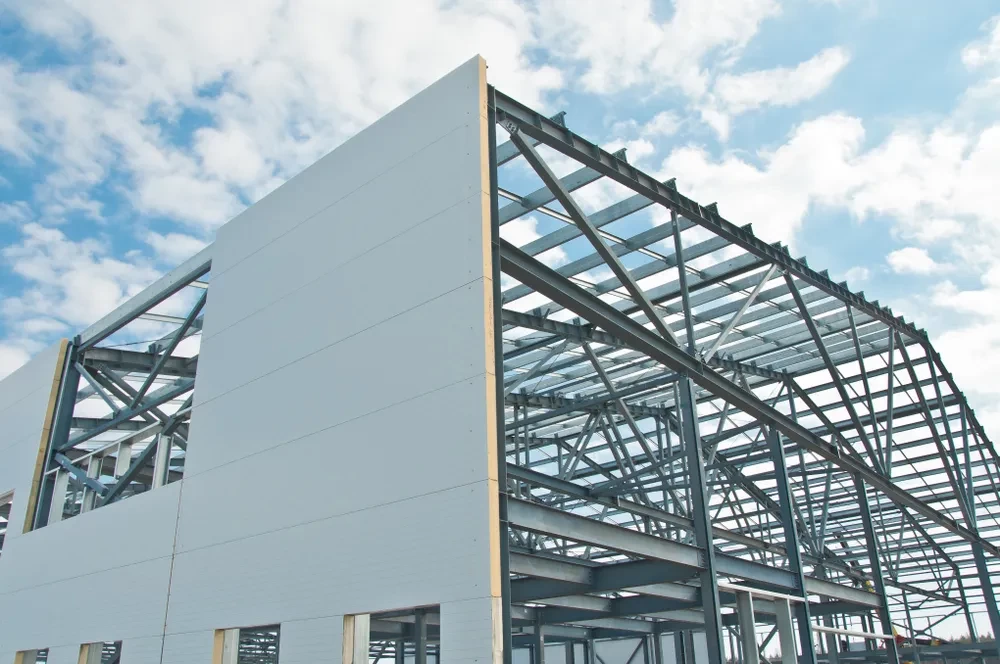
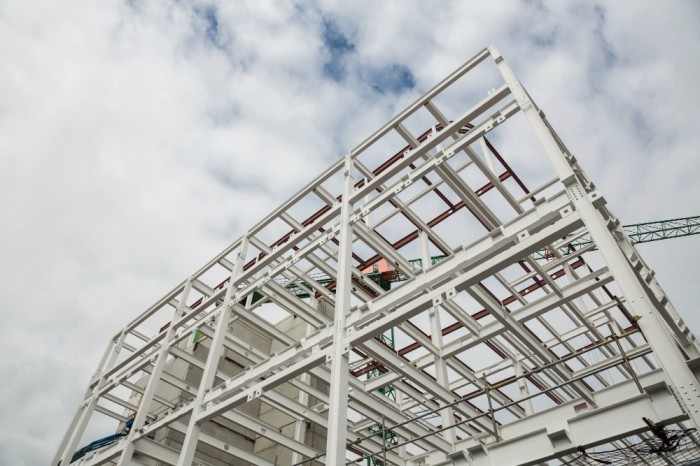
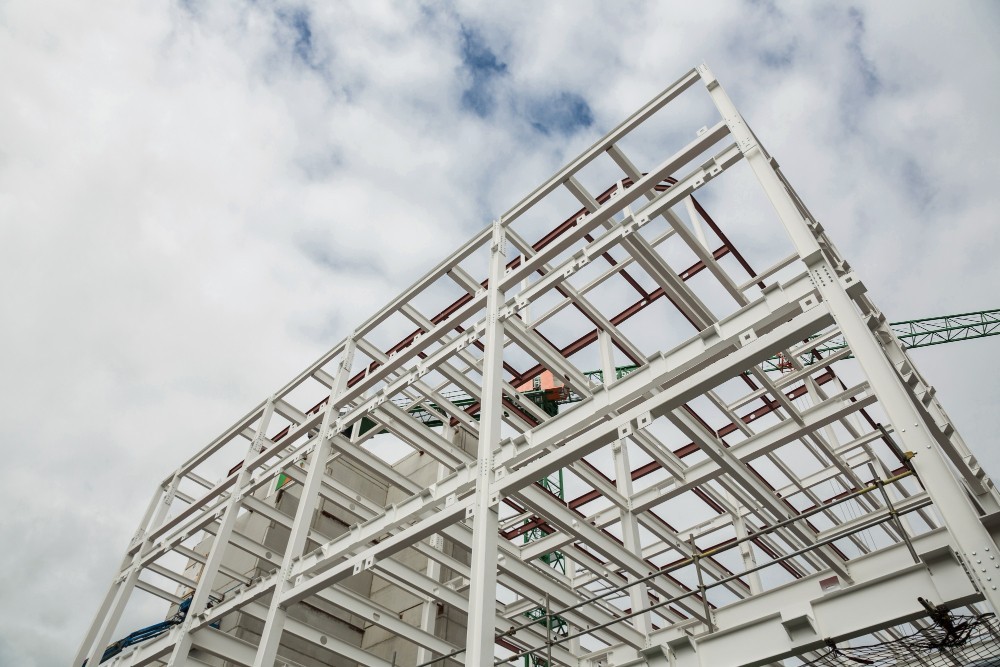
Pre-designed, standardized structural components used in PEB systems include steel beams, columns, and trusses. These components are manufactured and cut to exact lengths in a factory. Precast concrete slabs and columns are also made off-site. These elements offer superior strength, durability, and a significantly faster assembly process than traditional cast-in-place concrete methods.
Integrated Systems and Envelopes
Modern prefabrication extends beyond the structure itself. It involves the off-site assembly of intricate systems such as Mechanical, Electrical, and Plumbing (MEP) components, including pre-wired conduits and ducting. Furthermore, off-site integration of prefabricated building envelopes, including finished window systems, cladding, and wall panels, ensures improved weather resistance, insulation, and energy efficiency following installation.
Benefits of Prefabricated Constructions
Prefabrication techniques are becoming increasingly popular in India for infrastructure, institutional, and commercial projects owing to their benefits.
Time Efficiency and Speed
One of the biggest advantages of prefabrication is the significant reduction in construction time. Since most manufacturing occurs off-site while foundation and site work happen at the same time, the overall project timeline is significantly reduced. Projects that once took two years can now be completed in 12–18 months, enabling developers to generate returns and occupy buildings sooner.
Unparalleled Quality Control
The controlled atmosphere of a factory removes common on-site problems like wind, rain, and temperature changes that might affect the quality of the materials and the accuracy of the assembly. Components are manufactured with cutting-edge equipment and rigorous quality control protocols, delivering greater accuracy, more durable connections, and an elevated overall standard compared to conventional on-site building techniques.
Enhanced Sustainability and Waste Reduction
Prefabrication plays a key role in promoting sustainability within the construction industry. Since most of the work happens in a controlled factory environment, materials can be cut with greater precision, which greatly reduces waste. Any scrap material can be more easily collected and recycled. Furthermore, the ability to integrate sustainable materials and precise insulation panels during manufacturing contributes to the creation of highly energy-efficient buildings that reduce the long-term carbon footprint.
Cost Predictability and Savings
Although the upfront manufacturing costs may seem close to traditional construction, prefabrication offers savings in several ways. Project overheads and financing costs are reduced when construction time is shortened. Efficient material use reduces waste, while steady factory labor minimizes site delays and cost overruns, improving overall cost predictability and project efficiency.
Greater Safety and Reduced Site Disruption
By moving as much as 80% of construction work indoors, the amount of on-site activity in potentially dangerous conditions is greatly reduced, improving overall safety. This also means cleaner, quieter job sites with less traffic disruption and a lower environmental impact on nearby areas.
Check out this blog on: 10 Major Advantages of Prefabrication in Modern Construction Projects
Challenges of Prefabricated Construction
Despite its numerous advantages, the widespread adoption of prefabrication in India faces several hurdles that must be systematically addressed.
Transportation and Logistics Complexity
Moving large prefabricated modules or panels from the factory to the site needs special transport, route planning, and permits for size limits. These logistics add cost and complexity, sometimes offsetting the savings of off-site construction.
Perception and Market Acceptance
One of the ongoing challenges is changing the outdated belief that prefabricated structures are temporary, low-quality, or lack aesthetic appeal. Although modern prefabrication offers vast design possibilities, the industry still needs to actively educate clients and the public about the durability, strength, and architectural versatility these systems can deliver.
Initial Design and Engineering Demands
Prefabrication needs very precise planning and coordination from the start. Unlike traditional construction, where small mistakes can be fixed on-site, modular design requires every measurement, connection, and system to be correct before manufacturing begins.
Skilled Labor and Training Gap
Instead of using traditional on-site masons and carpenters, prefabrication has created a need for skilled factory technicians who are knowledgeable about advanced machinery, welding, assembly, and quality control of modular components. The Indian construction sector must put in place extensive training and upskilling programs to develop a workforce capable of meeting this new technical demand.
The Future of Prefabricated Construction in India
As India continues to grow rapidly and pursue major infrastructure goals, off-site construction is expected to evolve from a niche approach into a widely used building method. This growth will be driven by increasing investments in automation, robotics, and advanced materials that make structures lighter, stronger, and quicker to assemble. Demand will be further increased by the government's push for affordable and sustainable housing. The speed and efficiency of prefabrication are crucial for large-scale projects that must be completed quickly, such as metro stations, airports, hospitals, and schools.
How Pressmach Is Driving the Prefabrication Revolution in India
Since 1985, Pressmach Infrastructure Private Limited has been a pioneer in the prefabricated structures sector in India. With nearly four decades of experience, we have established a strong reputation for handling large, intricate projects, ranging from modular constructions to institutional facilities. Our success isn’t a secret: it comes down to a laser focus on precise design and strict quality standards, ensuring everything they build is reliable and lasts forever. On top of that, Pressmach offers complete interior and ready-to-install structures, giving you a tough, cost-efficient choice over slow, traditional construction.
Your Requirements
Related
Blogs

How Tensile Roofing Structures Reduce Swimming Pool Maintenance
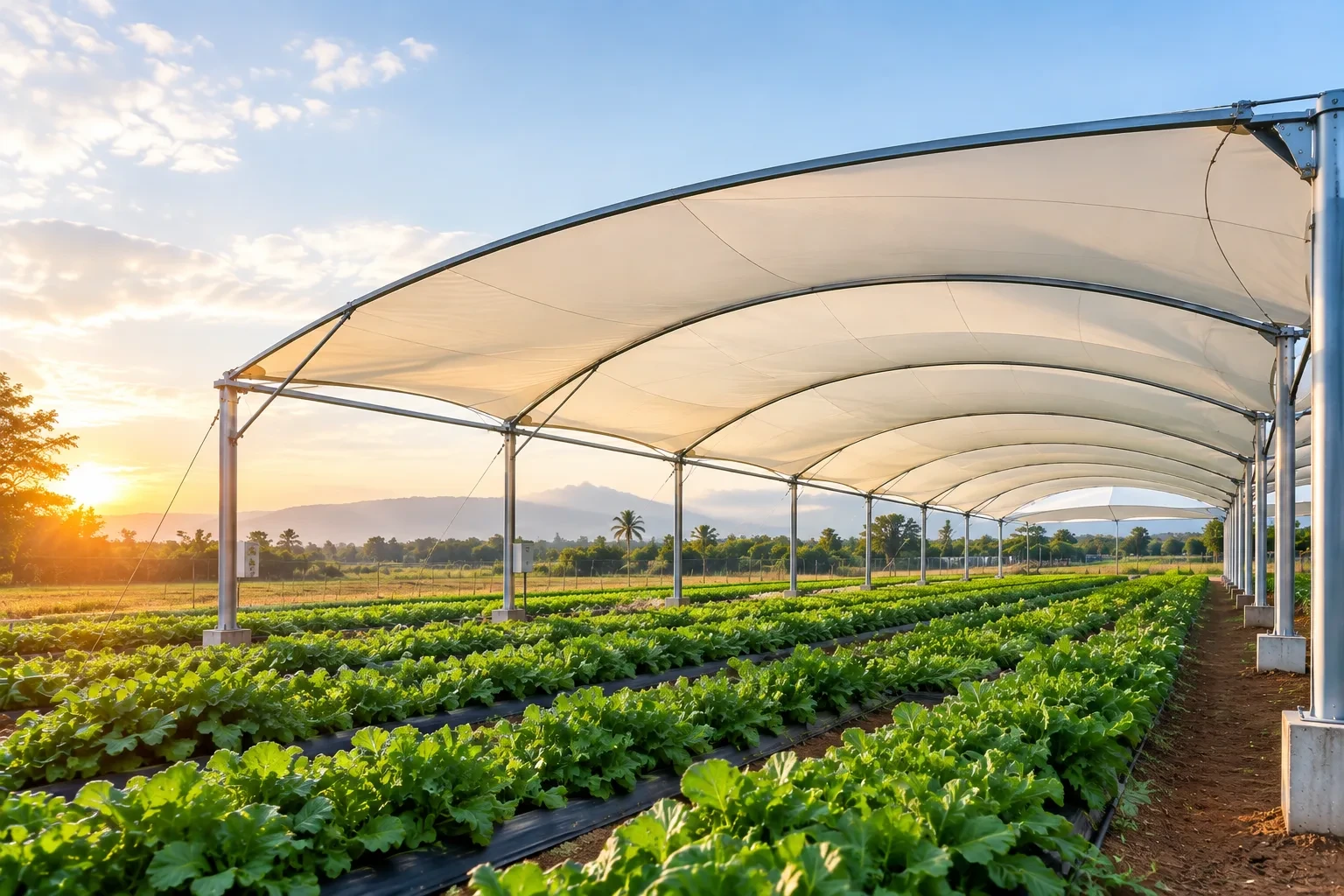
Benefits of Tensile Roofing Structures for Modern Agriculture
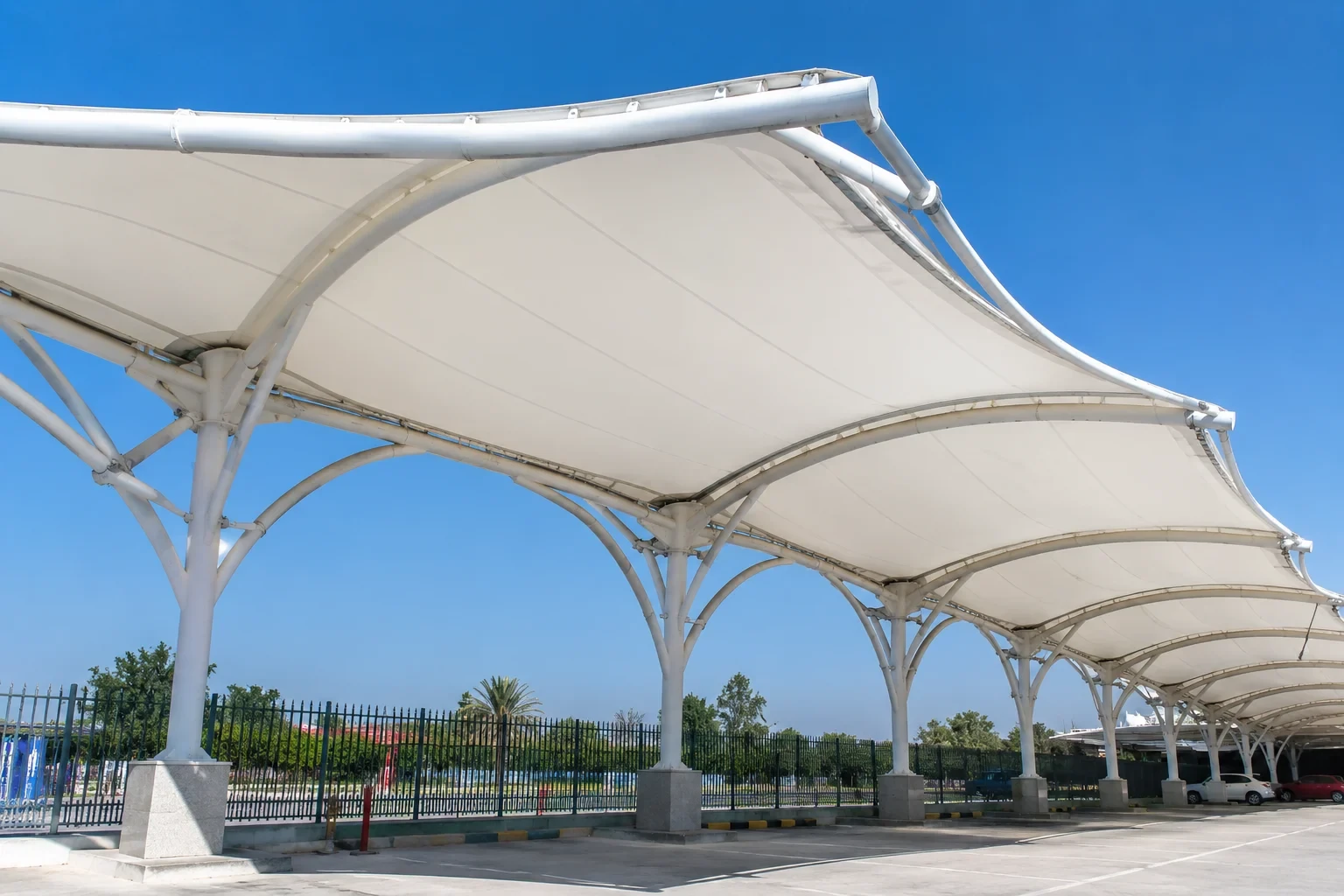
How to Maintain Tensile Roofing Structures
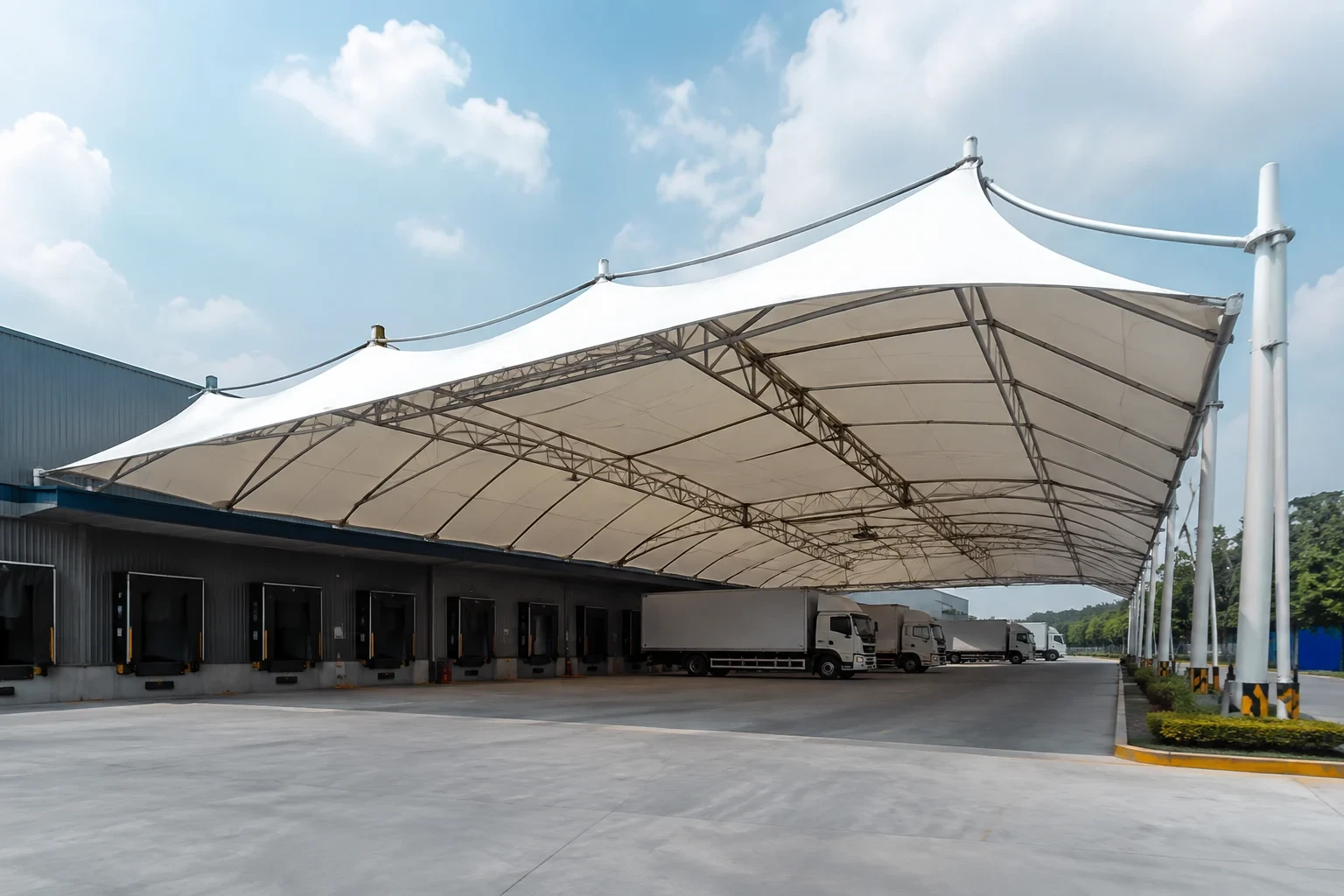
Benefits of Tensile Roofing for Industrial Projects

Can Tensile Structures Handle Heavy Rain and Strong Wind Loads
Questions to Ask Before Choosing a Prefabricated Farmhouse Manufacturer
How Long Does it Take to Install a 10,000 sq ft Prefab Warehouse in India?
How Pressmach Delivered a 50-Bed Hospital in Just 90 Days
How Educational Institutions Are Using Portable Classrooms to Handle Enrollment Pressure
Can a Prefab Structure Be Installed During Monsoon or Do You Have to Wait It Out?
How to Install Solar Panels on Prefabricated Rooftop Structures
Tensile Roofing Structures for Outdoor Storage Yards: What Material Holds up to Indian Weather?

What Makes Prefab Quality Control Rooms Ideal for Manufacturing Facilities?

How Portable Workmen Accommodation Improves Site Productivity
How Prefabricated Buildings Help Reduce Project Delays?
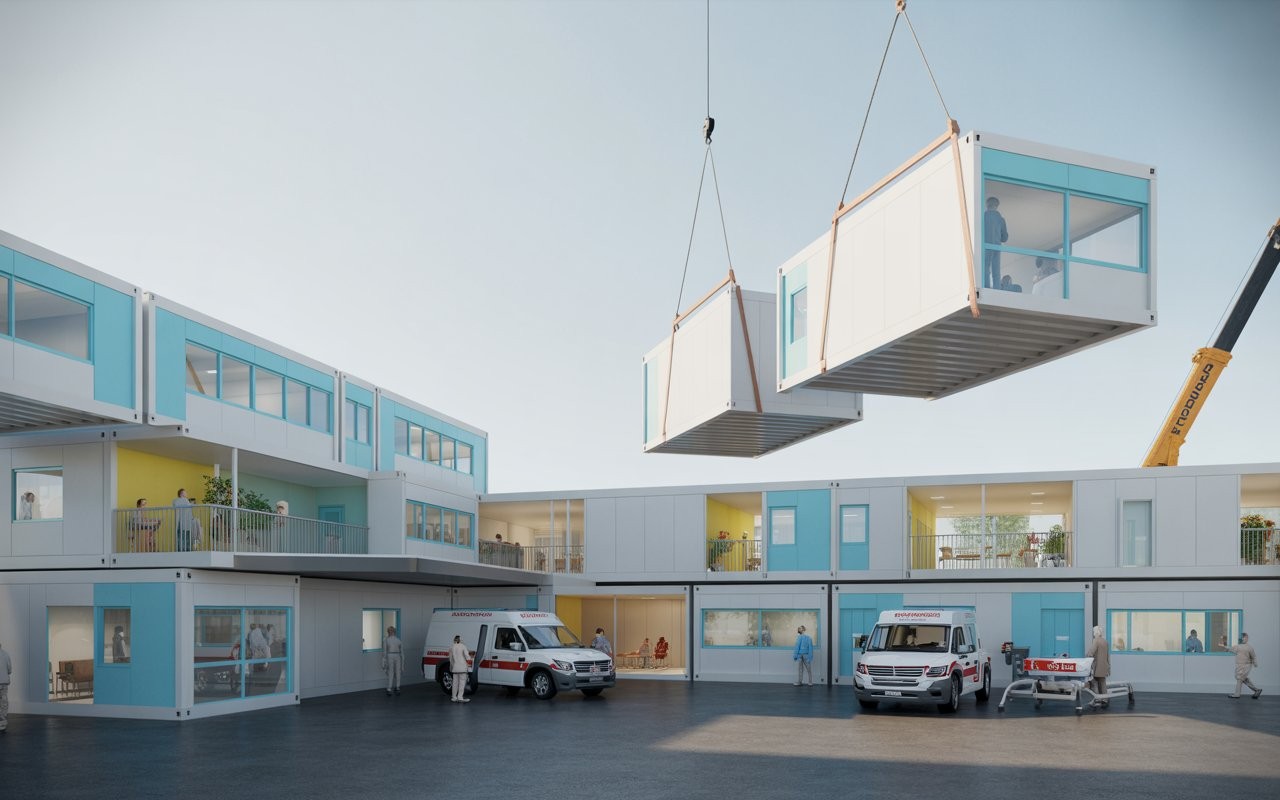
What Are Prefabricated Hospitals and When Are They the Right Choice?

Why Tensile Membrane Structures are the Future of Modern Architecture in India
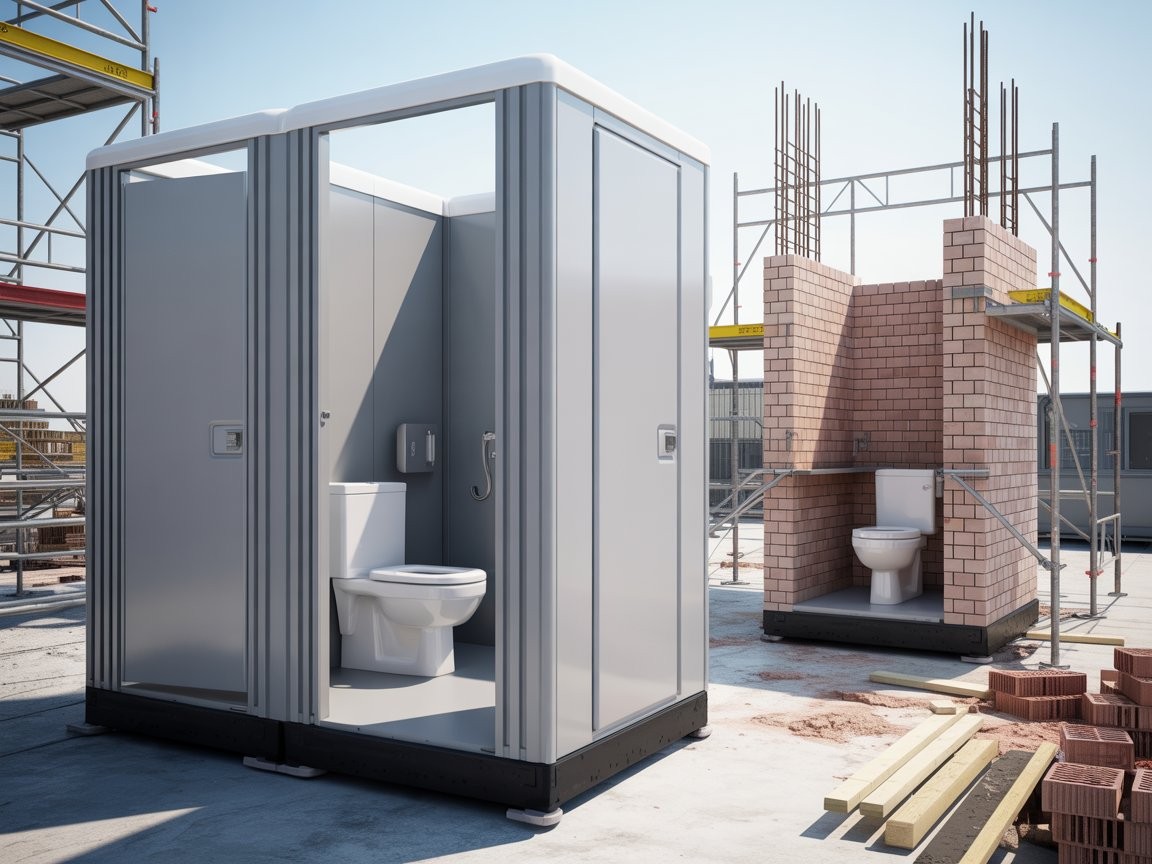
What Are the Advantages of Prefab Toilets Over Conventional Toilets?
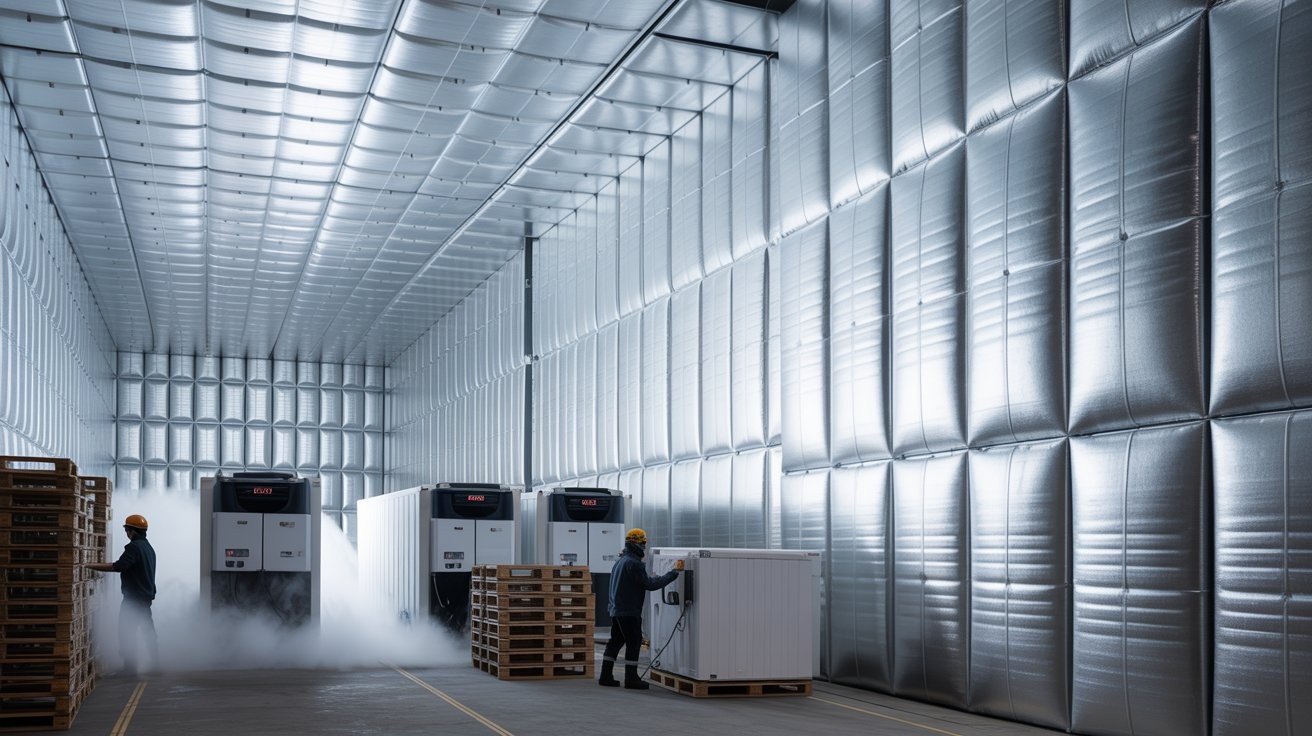
How PUF Panels Improve Cooling Efficiency in Warehouses and Cold Rooms
Why Tensile Roofing Solutions Outshine Traditional Roofing Options
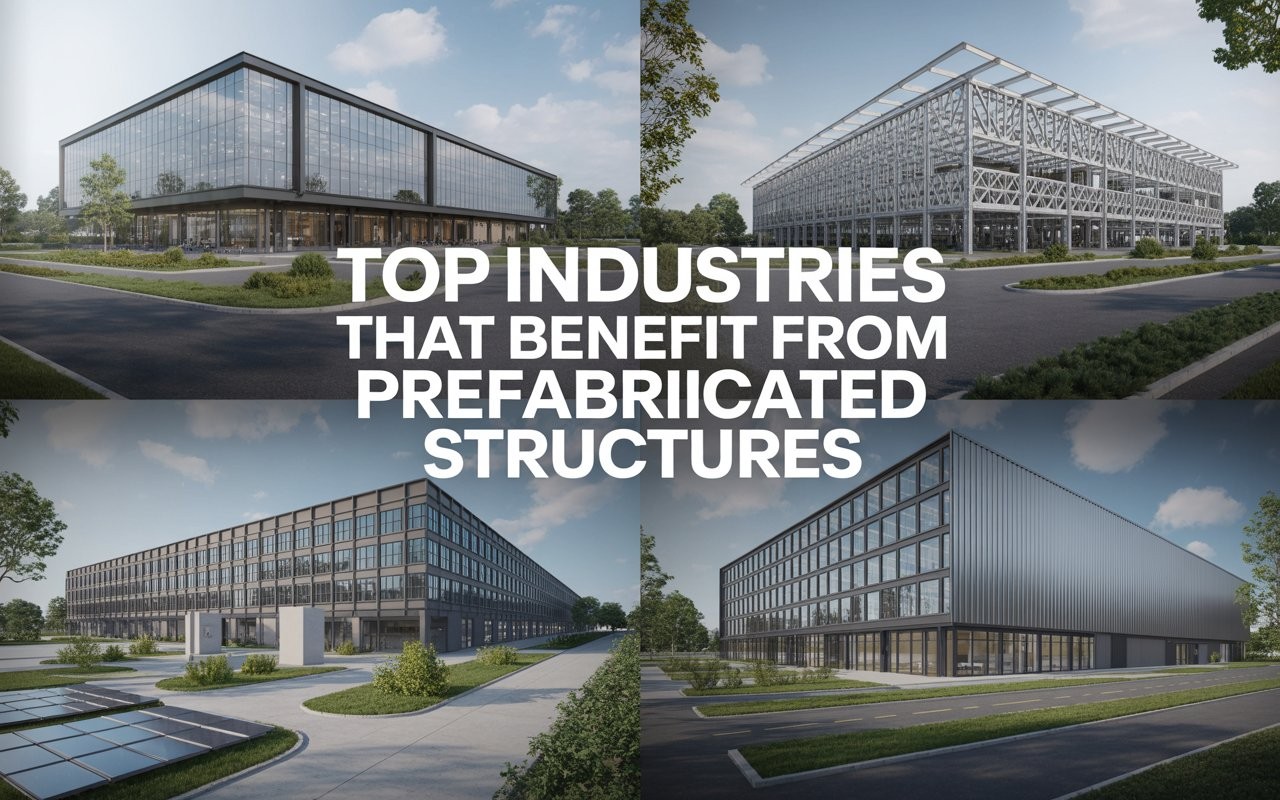
Top Industries that Benefits from Prefabricated Structures
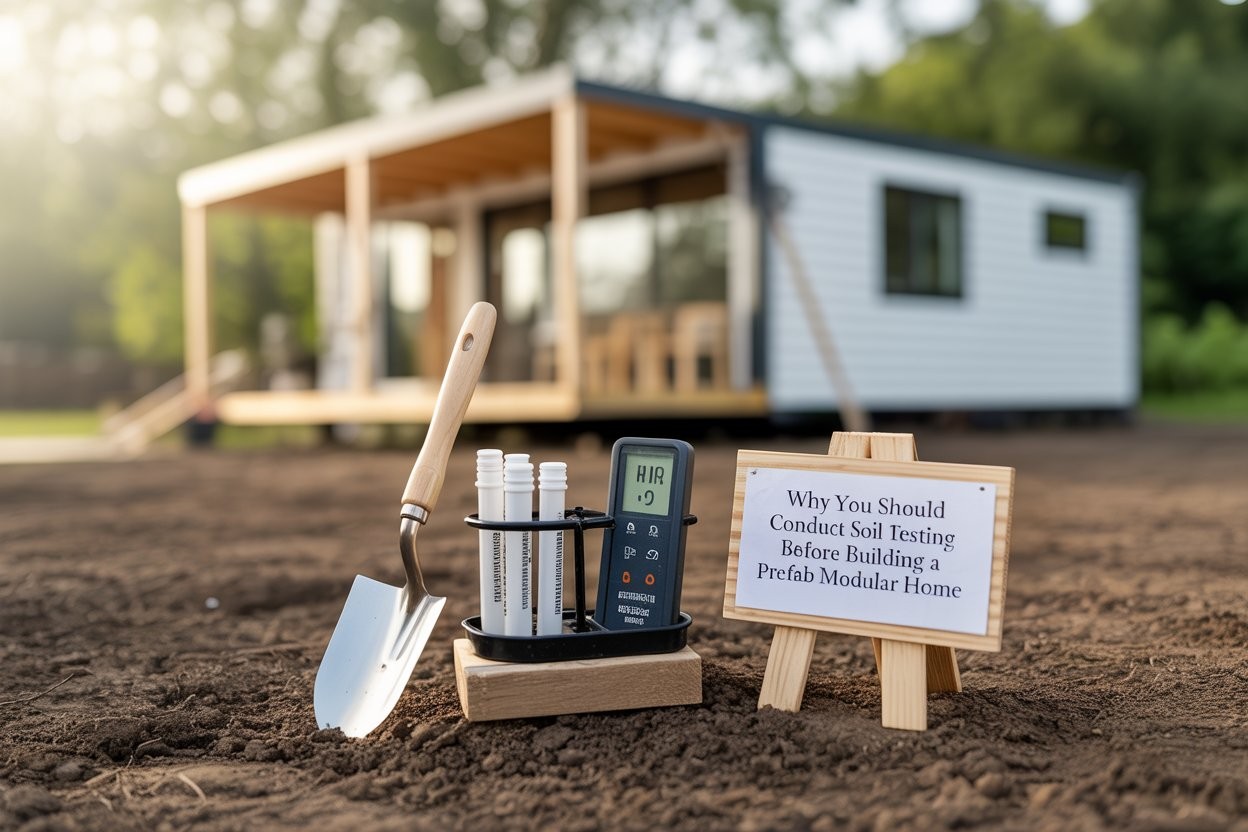
Why You Should Conduct Soil Testing Before Building a Prefab Modular Home
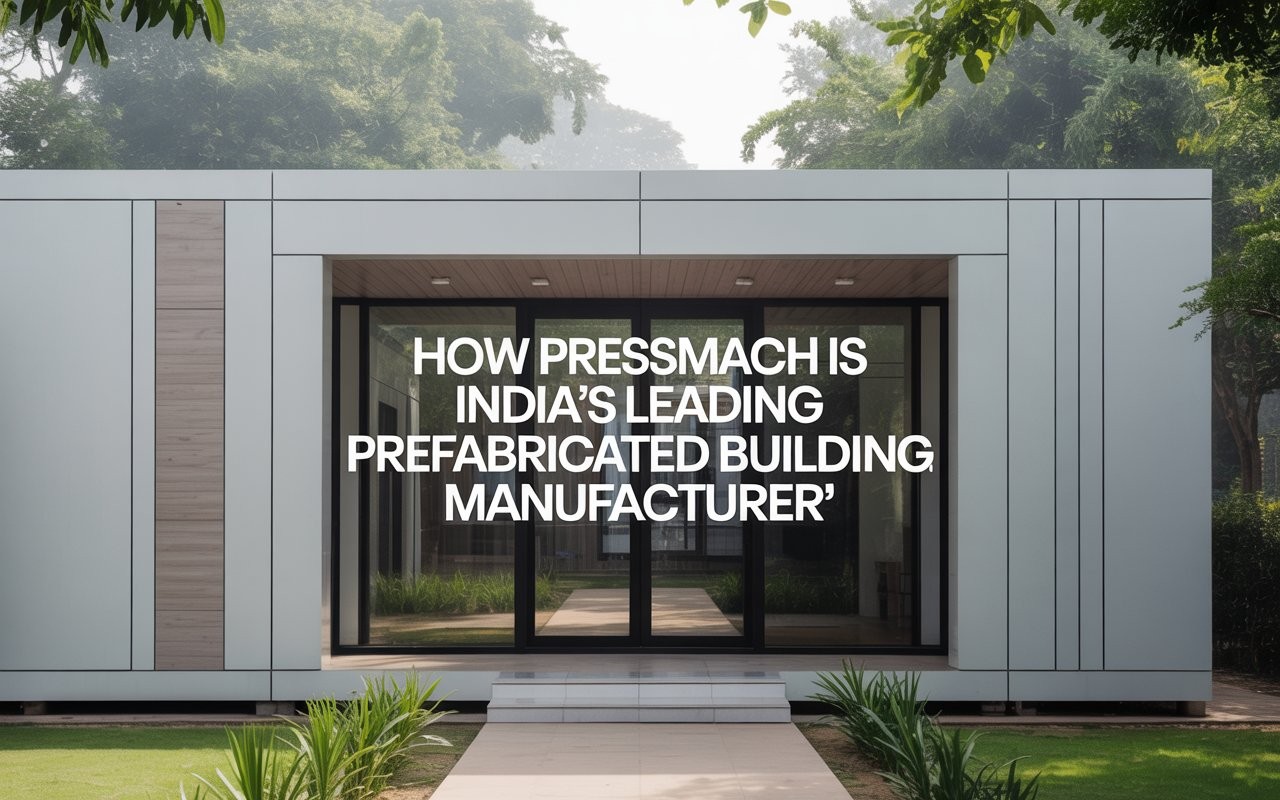
How Pressmach is India's Leading Prefabricated Building Manufacturer
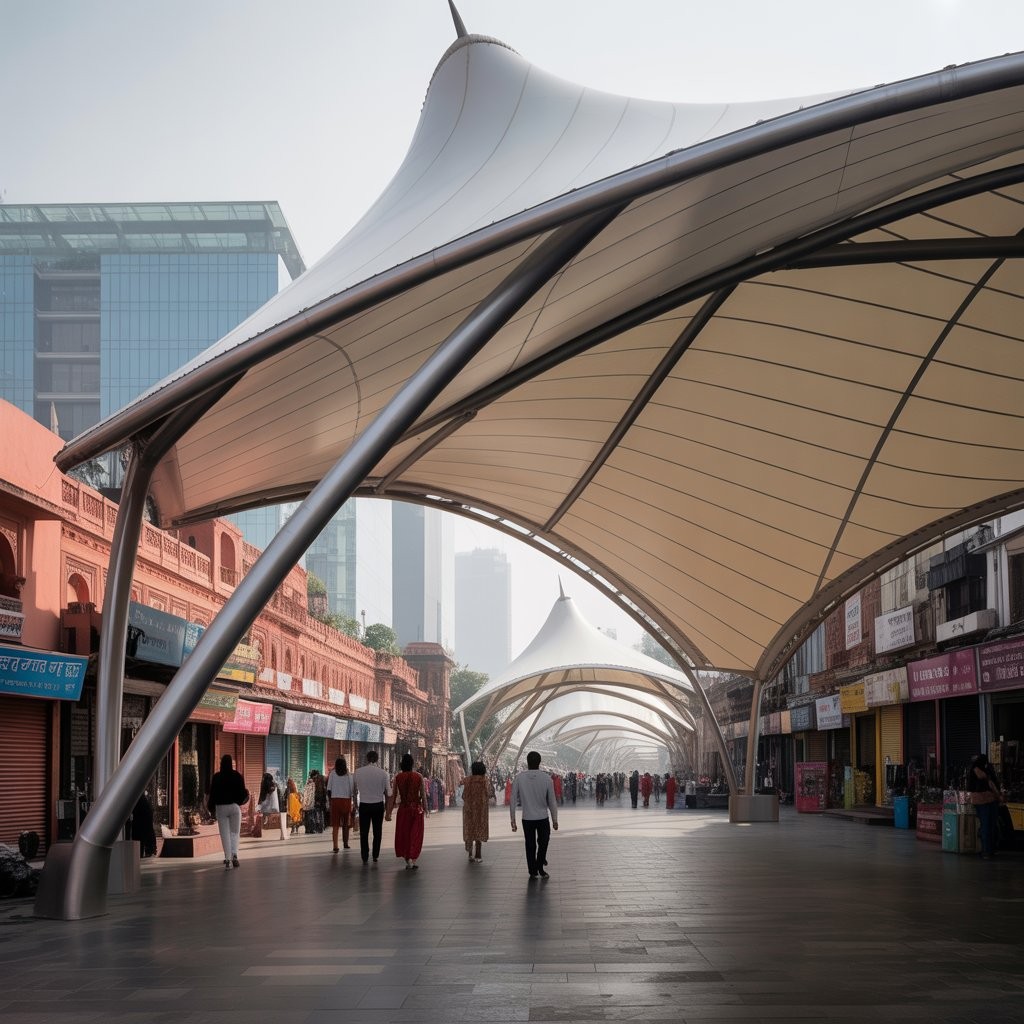
How Tensile Architecture Combines Sustainability with Striking Design
Rising Demand and Future Growth of the Solar Mounting Structures Market
Why Are Prefabricated Site Offices a Smart Choice?
Why Businesses are Turning to PEB Building Construction in 2025

Why PUF Panels Are the Best Choice for Prefabricated Construction

Acoustic Enclosures vs Industrial Enclosures: What’s the Difference and Why It Matters

Solar Panel Orientation and Tilt Angle: How Mounting Structures Play a Role

Rise of Prefabricated Data Centers in India’s Digital Boom

Can Prefabricated Structures Withstand Seismic Shocks?

How LGSF is Revolutionizing Affordable Housing in India

Role of Prefabricated Warehouses in Modern Business Storage Solutions

The Future of AI in Prefabricated Construction

10 Major Advantages of Prefabrication in Modern Construction Projects

Advancements in Prefabricated Materials: What to Expect in 2025
6790c3d8f29a2.jpeg)
The Role of Prefabrication in Disaster Relief and Emergency Housing

Tips for Preparing Your Site for a Prefabricated Structure

Are Modular Prefab Homes Suitable for Extreme Weather Conditions

Uses Of Peb Structure In Residential Spaces

Trends and Innovations in Prefab Commercial Buildings

Top Benefits of Modular Office Space in 2024

Prefabricated Homes vs Traditional Homes

Benefits of Having Modular Prefabricated Cold Storage Solutions

How is Prefab Modernising India’s Ageing Industrial Spaces

How Modular Construction Improves Accessibility in Remote Areas

How to Choose the Right PUF Panels for Your Prefab Building

Types of Pre-engineered Buildings Used in Different Industries

Pre-Monsoon Checklist For PEB Buildings

Uses of Portable Cabins in Disaster Relief

Top Uses for Portable Cabins

Advantages of Portable Security Cabins

Why are Eco-friendly Prefab Homes a Better Choice

Insulation and Passive Technology Benefits of Prefab Modular Buildings

Why is Prefab Construction Greener than RCC Construction

Securing Modular and Prefabricated Buildings: Essential Tips

Benefits of Modular Construction in Healthcare

Factors To Consider Before Buying A Prefabricated Warehouse Building

Benefits of Portable Labour Accommodation Manufacturer

Reasons To Choose Portable Cabins

Myths And Facts About Portable Office Buildings

Innovative Uses Of Modular Buildings

Benefits Of Modular Cleanroom
Advantages Of Pre-Engineered Factory Buildings
65cf4d38697f9.webp)


65cf65f046eed.webp)


64afe3444467b.jpeg)

Importance Of Having Portable Toilets On-Site

Why Prefab Solutions are Ideal For Schools In Rural Areas?
What Is The Difference Between Precast And Prefabricated Buildings?
How LGSF Building Helps In Rapid Construction

Important Things To Look For In a Prefab Company
How Long Does A Prefab Structure Last
 site office front view622f00119ba65.jpg)
9 Benefits Of Choosing Portable On Site Office

Building Materials Used for Modular Construction
6349487807893.jpeg)
Modular Home Construction: Pros and Cons