
How LGSF Building Helps In Rapid Construction
With the advancement of new technology, the construction industry is changing. Rapid construction is increasing, as is the demand for energy-efficient building materials. LGSF is one such technology that requires a shorter construction period than a conventional building system. This construction technology is gaining popularity due to its numerous economic, structural, and environmental advantages.
The need to reduce the production costs associated with building construction is also thought to be a major driver of LGSF market growth. Because of the use of prefabricated steel structures, LGSF technology provides ease of installation as well as a reduction in the cumulative project completion period.
What is a Light Gauge Steel Frame Structure (LGSF)?
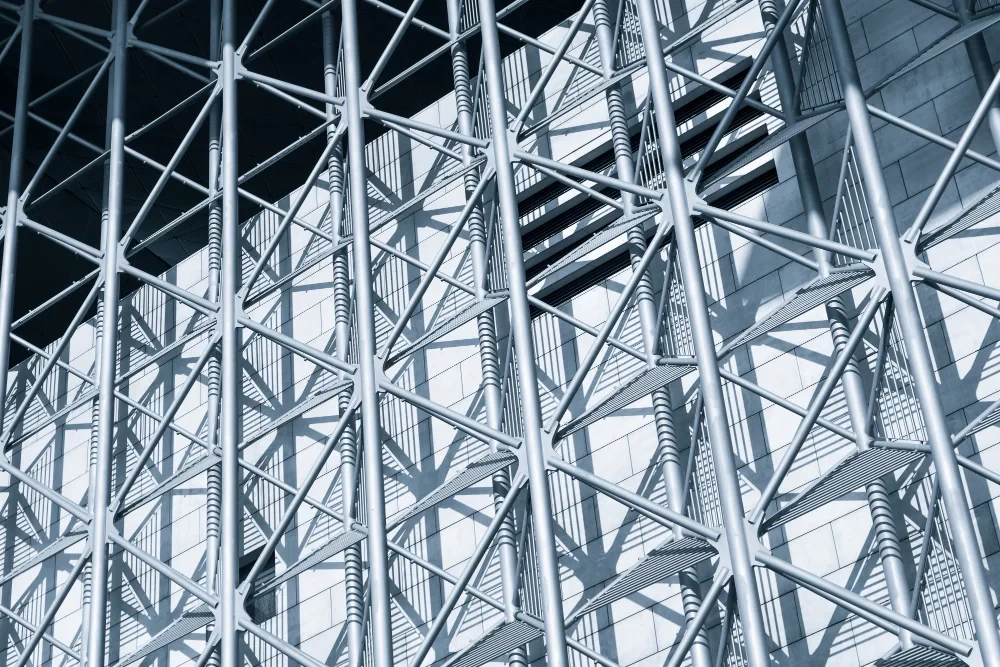
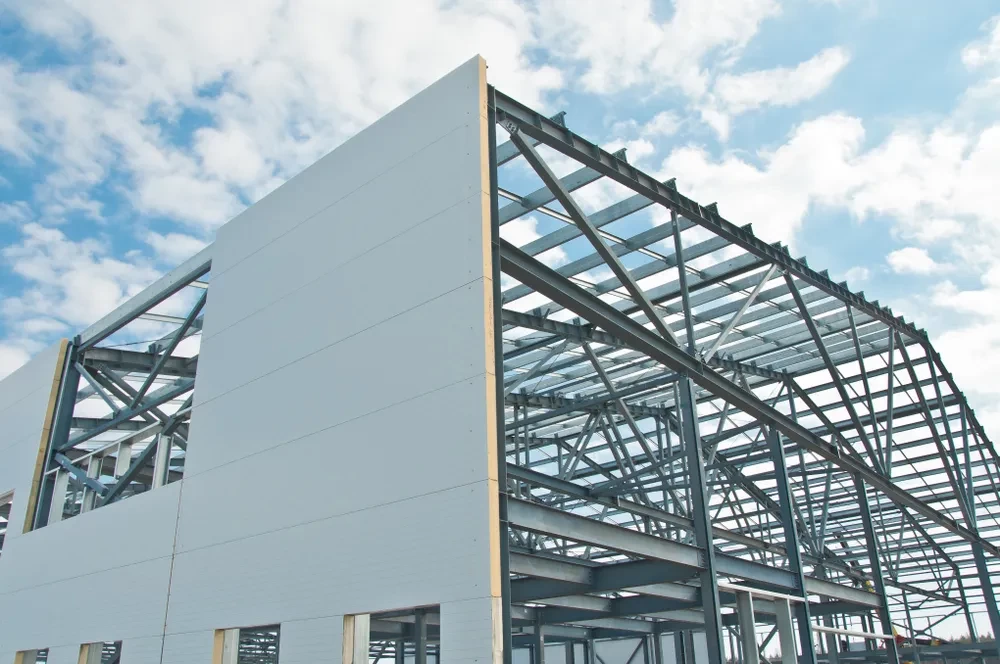
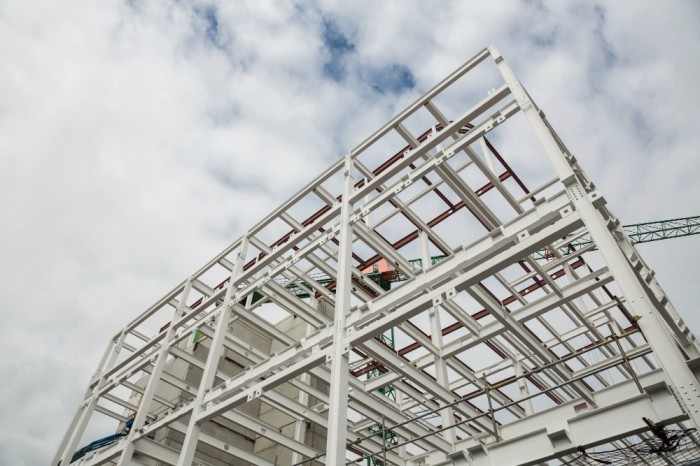
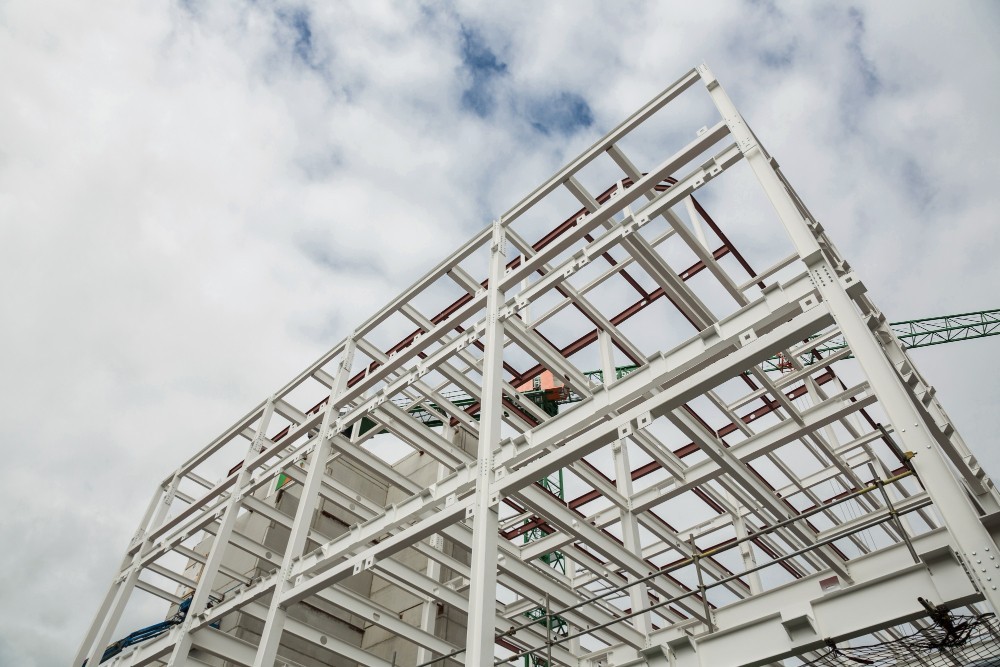
Light Gauge Steel Frame is a type of construction technology that makes use of cold-formed steel as the primary building material. It can be applied to roof systems, floor systems, wall systems, roof panels, decks, and the entire structure.
Cold-formed steel (CFS) is rapidly becoming the material of choice for low to mid-rise construction in India due to inherent advantages such as
- High strength to weight ratio
- Lightweight & ease of handling
- Cost-effective
- Vermin resistant
- Dimensionally constant
- Easily fabricated to a wide range of profiles and sizes with little material waste
- Long-term viability, as its material properties do not deteriorate over time.
LGSF is a better choice in terms of
- Strength to weight ratio
- Seismic and wind resistance
- Pest and mould resistance
- LGSF construction is environmentally friendly
- Assembled using a completely non-combustible
- Environmentally controlled production technique
- LGSF is design-led and accurate to half a millimetre
This technology allows for the rapid construction of sustainable houses. To meet the growing demands of the construction industry, light gauge steel framing manufacturers in India have been providing well-designed, precise, and meticulous LGSF structures made with cutting-edge technology. The shift to steel construction, whether for a house, commercial complex, or multi-storied building, has provided competitive advantages in terms of speed and waste reduction.
With the changing needs of the construction industry, technology is evolving to meet those needs. The LGSF technology, in conjunction with design frame CAD software, is being used to design and develop the structure and building. These methods are successfully used to build multi-story light gauge steel frame buildings for housing developments and projects. To provide a smart lean production process, the structures are fully optimised using patented technology.
Aside from providing accuracy, LGSF technology assists in meeting the rapid construction needs, particularly during pandemic times – for residential, commercial, health centres, community centres, schools, independent houses, or rehabilitation buildings.
Confused about choosing a prefab company? Refer to this blog to know the factors while selecting a prefab company.
Advantages of LGSF Construction
- Frames can be produced more quickly both on-site and off-site.
- Less time and skilled labour are required to erect the structural steel frame.
- All steel has pre-drilled holes for attaching fasteners, and all steel parts are levelled and labelled to avoid confusion; thus, there is no room for error, saving time in assembly.
- It is manageable and time-saving due to its adaptability in creating it at the factory or on the site; as a result, assembly and production can be done side by side or faster assembly can be done by employing more labourers and purchasing pre-made steel frames in bulk from the factory.
- Overcome the scarcity of natural minerals used in construction, such as sand, bricks, and aggregates, so that in the coming days it will be difficult to build a building in traditional construction, now is the time to adopt LGSF technology.
- LGSF technology has been approved by the BMTPC and CPWD in India, and it is recognised by major government bodies in all states.
- LGSF erection is so simple and quick. Picking and lifting machinery is unnecessary because light equipment is sufficient.
- Only one supplier can be in charge of the entire project, which helps to reduce construction risk.
Because all of the components are specially designed to work together as a system, maximum efficiency can be achieved. Impressive architectural options are available at low costs. - Because they are constructed of lightweight flexible members, these structures are resistant to seismic forces.
- It is recyclable, and 70% of the material can be reused.
- When compared to conventional construction, the speed of construction is extremely fast.
- Steel structures have a life expectancy of 50 years, which can be extended by using advanced cladding.
In today's rapidly changing world and depleting resources, it is more important than ever to use resources wisely and work with the most environmentally friendly technologies. Construction of critical infrastructure while keeping an eye on the environment and in a short time frame highlighted the need for unconventional and innovative, but also effective, construction solutions.
Your Requirements
Related
Blogs
How Tensile Roofing Structures Reduce Swimming Pool Maintenance
Benefits of Tensile Roofing Structures for Modern Agriculture
How to Maintain Tensile Roofing Structures
Benefits of Tensile Roofing for Industrial Projects

Can Tensile Structures Handle Heavy Rain and Strong Wind Loads
Questions to Ask Before Choosing a Prefabricated Farmhouse Manufacturer
How Long Does it Take to Install a 10,000 sq ft Prefab Warehouse in India?
How Pressmach Delivered a 50-Bed Hospital in Just 90 Days
How Educational Institutions Are Using Portable Classrooms to Handle Enrollment Pressure
Can a Prefab Structure Be Installed During Monsoon or Do You Have to Wait It Out?
How to Install Solar Panels on Prefabricated Rooftop Structures
Tensile Roofing Structures for Outdoor Storage Yards: What Material Holds up to Indian Weather?

What Makes Prefab Quality Control Rooms Ideal for Manufacturing Facilities?

How Portable Workmen Accommodation Improves Site Productivity
How Prefabricated Buildings Help Reduce Project Delays?
What Are Prefabricated Hospitals and When Are They the Right Choice?

Why Tensile Membrane Structures are the Future of Modern Architecture in India
What Are the Advantages of Prefab Toilets Over Conventional Toilets?
How PUF Panels Improve Cooling Efficiency in Warehouses and Cold Rooms
Why Tensile Roofing Solutions Outshine Traditional Roofing Options
Top Industries that Benefits from Prefabricated Structures
The Rise of Prefabricated Construction in India: Benefits and Challenges
Why You Should Conduct Soil Testing Before Building a Prefab Modular Home
How Pressmach is India's Leading Prefabricated Building Manufacturer
How Tensile Architecture Combines Sustainability with Striking Design
Rising Demand and Future Growth of the Solar Mounting Structures Market
Why Are Prefabricated Site Offices a Smart Choice?
Why Businesses are Turning to PEB Building Construction in 2025

Why PUF Panels Are the Best Choice for Prefabricated Construction

Acoustic Enclosures vs Industrial Enclosures: What’s the Difference and Why It Matters

Solar Panel Orientation and Tilt Angle: How Mounting Structures Play a Role

Rise of Prefabricated Data Centers in India’s Digital Boom

Can Prefabricated Structures Withstand Seismic Shocks?

How LGSF is Revolutionizing Affordable Housing in India

Role of Prefabricated Warehouses in Modern Business Storage Solutions

The Future of AI in Prefabricated Construction

10 Major Advantages of Prefabrication in Modern Construction Projects

Advancements in Prefabricated Materials: What to Expect in 2025
6790c3d8f29a2.jpeg)
The Role of Prefabrication in Disaster Relief and Emergency Housing

Tips for Preparing Your Site for a Prefabricated Structure

Are Modular Prefab Homes Suitable for Extreme Weather Conditions

Uses Of Peb Structure In Residential Spaces

Trends and Innovations in Prefab Commercial Buildings

Top Benefits of Modular Office Space in 2024

Prefabricated Homes vs Traditional Homes

Benefits of Having Modular Prefabricated Cold Storage Solutions

How is Prefab Modernising India’s Ageing Industrial Spaces

How Modular Construction Improves Accessibility in Remote Areas

How to Choose the Right PUF Panels for Your Prefab Building

Types of Pre-engineered Buildings Used in Different Industries

Pre-Monsoon Checklist For PEB Buildings

Uses of Portable Cabins in Disaster Relief

Top Uses for Portable Cabins

Advantages of Portable Security Cabins

Why are Eco-friendly Prefab Homes a Better Choice

Insulation and Passive Technology Benefits of Prefab Modular Buildings

Why is Prefab Construction Greener than RCC Construction

Securing Modular and Prefabricated Buildings: Essential Tips

Benefits of Modular Construction in Healthcare

Factors To Consider Before Buying A Prefabricated Warehouse Building

Benefits of Portable Labour Accommodation Manufacturer

Reasons To Choose Portable Cabins

Myths And Facts About Portable Office Buildings

Innovative Uses Of Modular Buildings
Benefits Of Modular Cleanroom
Advantages Of Pre-Engineered Factory Buildings
65cf4d38697f9.webp)


65cf65f046eed.webp)
64afe3444467b.jpeg)

Importance Of Having Portable Toilets On-Site
Why Prefab Solutions are Ideal For Schools In Rural Areas?
What Is The Difference Between Precast And Prefabricated Buildings?

Important Things To Look For In a Prefab Company
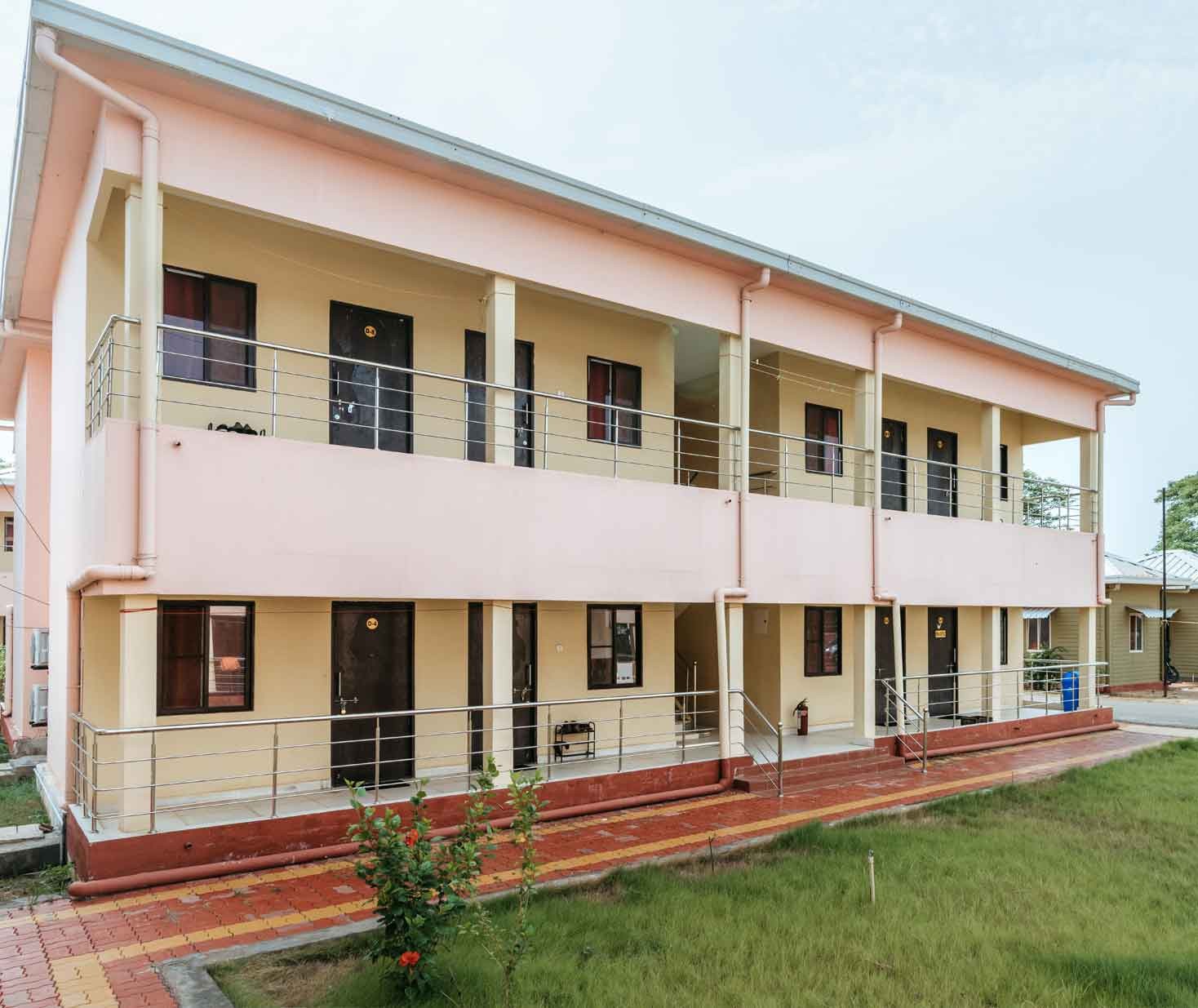
How Long Does A Prefab Structure Last
 site office front view622f00119ba65.jpg)
9 Benefits Of Choosing Portable On Site Office

Building Materials Used for Modular Construction
6349487807893.jpeg)
Modular Home Construction: Pros and Cons