
Portable Classrooms: A Cost-Effective Solution for Educational Space

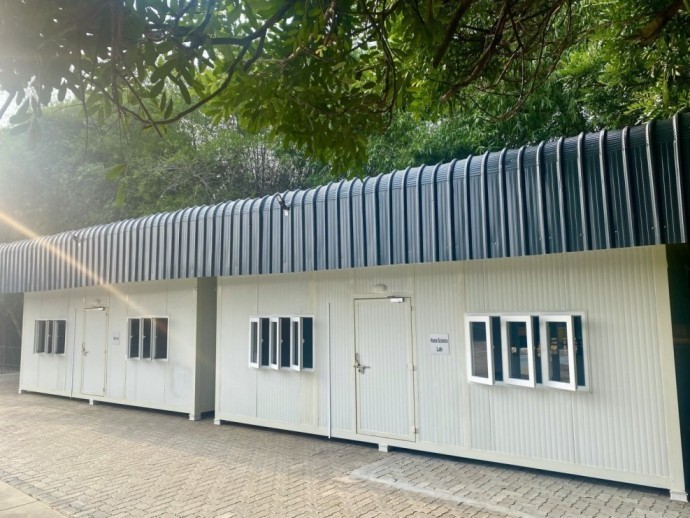
Typically employed in schools, portable classrooms can be moved from one location to another as needed. To facilitate their portability and quick assembly/disassembly in response to changing circumstances, they are often manufactured from lightweight materials. When a school or other educational institution needs additional classroom space but lacks the resources to construct a permanent building, a temporary or portable classroom can be a convenient and cost-effective alternative. They can be used as supplemental classrooms during peak enrollment times, as temporary classrooms during construction projects, or as emergency classrooms following natural disasters.
Mobile classrooms can be found in a wide range of shapes and sizes, and many now feature WiFi and other high-tech conveniences. They can be constructed to complement the main structure's aesthetic so that they are less noticeable. All things considered, portable classrooms are a versatile and affordable option for schools in need of additional classroom space.
How are Portable Classrooms Made With Modular Construction?
Modular construction allows for the building of portable classrooms in portions that can then be transported to the spot where they will be used. The modules are made out of the same materials and procedures as permanent building structures but with a focus on making them conveniently transportable and able to be assembled rapidly on-site.
There has been an uptick in the use of modular classrooms because of its many advantages over conventional construction, including shorter build times, lower prices, and more creative layout options. Having the modules constructed in a factory setting allows for stricter quality control, as every step of the building process can be closely monitored and regulated.
The final structure is created by connecting and assembling the modules after they have been delivered to the site. Since the modules are prefabricated and just need minimal finishing work on-site, this can be done rapidly. As a consequence, we have a portable classroom that is safe, sound, and compliant with all regional regulations.
What Are The Advantages of Portable Classrooms?
The myriad advantages of portable classrooms are:
Affordable: A portable classroom is an excellent option if you're looking for a simple and affordable way to increase the number of students in a class without breaking the bank. As for their price, it can vary from shop to shop, but in general, they are less expensive than regular classrooms, depending on where they are purchased. Compared to the cost of a traditional classroom, portable classrooms can be as little as half the cost of a regular classroom. The fact that they are so inexpensive makes them a great deal, even if you have to rent one for a few weeks at a time.
Ensure consistency in quality: Due to the regulated nature of the factory setting in which portable classrooms or prefabrication is done, every component meets the required specifications. The quality of the unit's construction will be consistent as a result. On top of that, some of the building's parts are made with cutting-edge machinery that ensures accurate, consistent results that are up to code. Portable classrooms are built using high-quality materials and construction techniques, making them safe and durable structures that can withstand normal wear and tear. They are also designed to meet local building codes and standards, ensuring that they are safe and secure for students and staff.
Portability: The components of the temporary classrooms are simple to dismantle and can be relocated to other locations within the grounds of the school with relative ease. Typically, their individual components are not very heavy. Portable classrooms can be quickly and easily set up, meaning that schools and other institutions can have additional classroom space almost immediately. It can be beneficial in situations where there is a sudden increase in enrollment or a need for additional space due to construction or renovation projects.
Customizable: There is a wide variety of designs for temporary classrooms. A temporary classroom can be constructed to satisfy the immediate demands of the school, with the added benefit of being easily expanded should the school's enrollment grow. Including the installation of modern conveniences like climate control, heating, and WiFi all fall under this category. They can be styled to conform to any expectations that best represent the institution's stature.
Conclusion
When a school has a shortage of space or needs a rapid solution to accommodate a surge in enrollment, portable or modular classrooms are excellent possibilities. While your school waits for a more permanent option, like a new building or remodeling project, portable classrooms provide a flexible and inexpensive answer. Simple, adaptable, and long-lasting materials are used to construct portable classrooms. Portable classrooms have a much longer lifespan and a lower risk of malfunction than permanent ones. Also, the cost is typically lower than that of competing classroom furniture. If you're in the market for a mobile classroom, your best bets will be ones that are lightweight and include quick assembly and breakdown.
Useful link : Why Prefab Solutions are Ideal For Schools In Rural Areas
Your Requirements
Related
Blogs
How Tensile Roofing Structures Reduce Swimming Pool Maintenance
Benefits of Tensile Roofing Structures for Modern Agriculture
How to Maintain Tensile Roofing Structures
Benefits of Tensile Roofing for Industrial Projects

Can Tensile Structures Handle Heavy Rain and Strong Wind Loads
Questions to Ask Before Choosing a Prefabricated Farmhouse Manufacturer
How Long Does it Take to Install a 10,000 sq ft Prefab Warehouse in India?
How Pressmach Delivered a 50-Bed Hospital in Just 90 Days
How Educational Institutions Are Using Portable Classrooms to Handle Enrollment Pressure
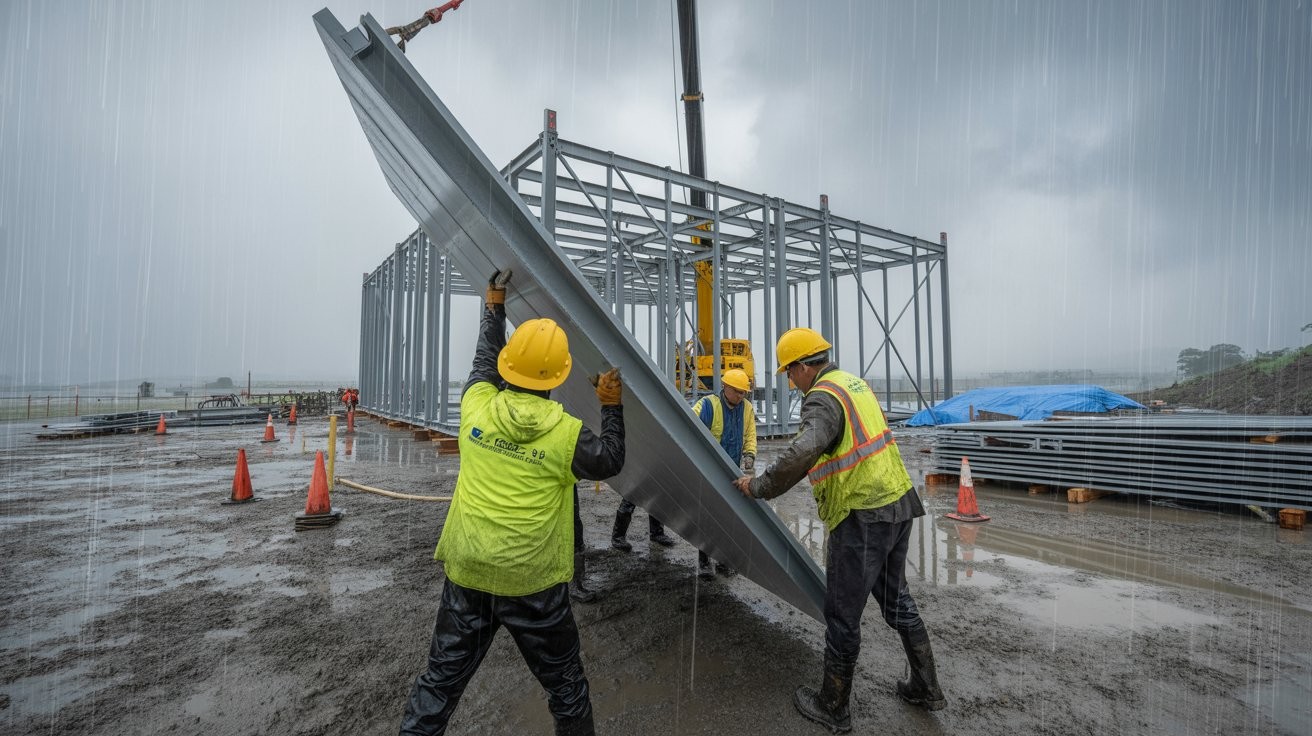
Can a Prefab Structure Be Installed During Monsoon or Do You Have to Wait It Out?
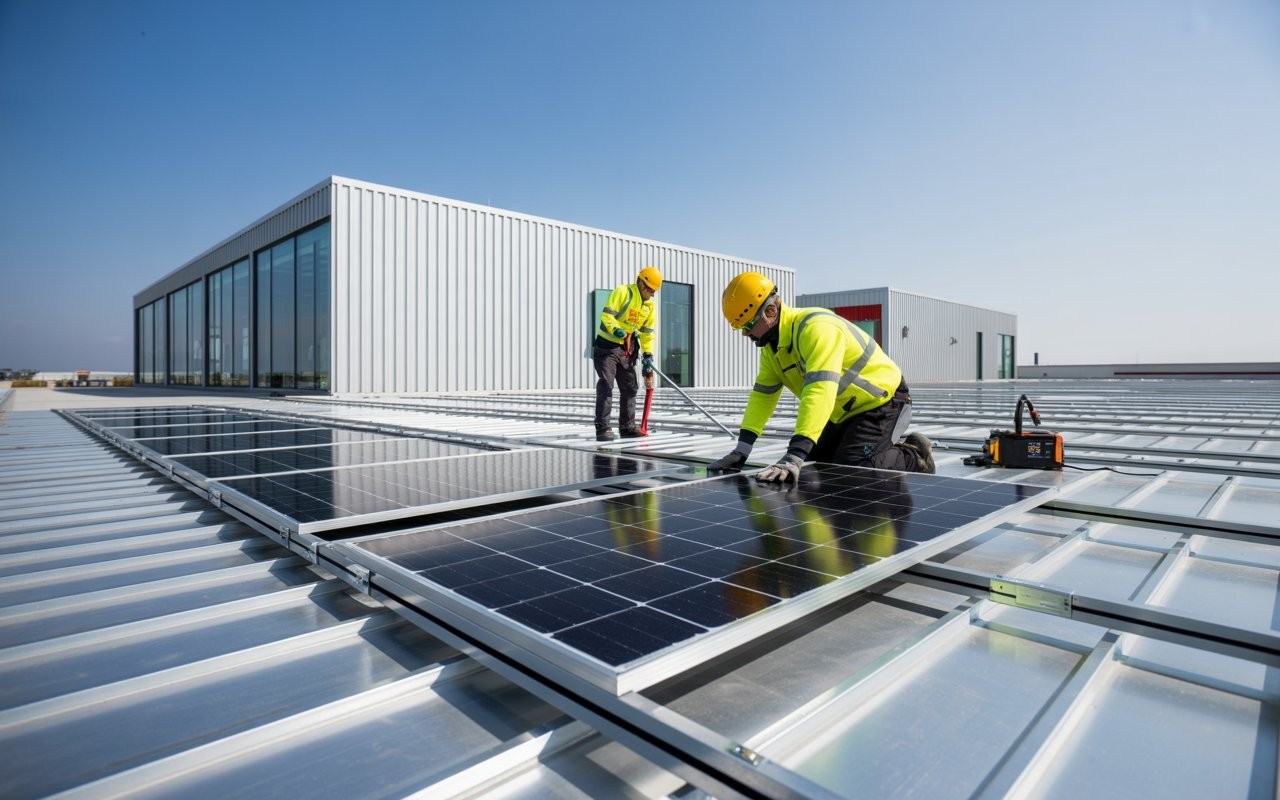
How to Install Solar Panels on Prefabricated Rooftop Structures
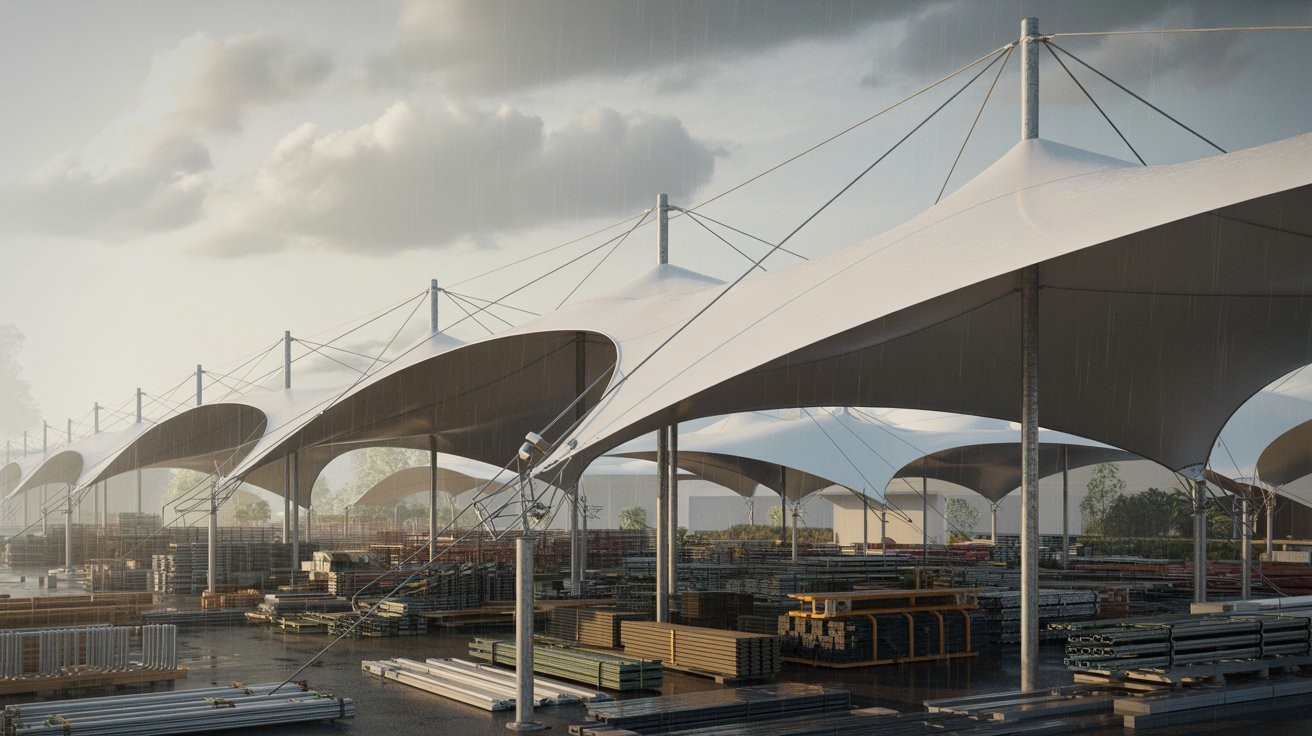
Tensile Roofing Structures for Outdoor Storage Yards: What Material Holds up to Indian Weather?

What Makes Prefab Quality Control Rooms Ideal for Manufacturing Facilities?

How Portable Workmen Accommodation Improves Site Productivity
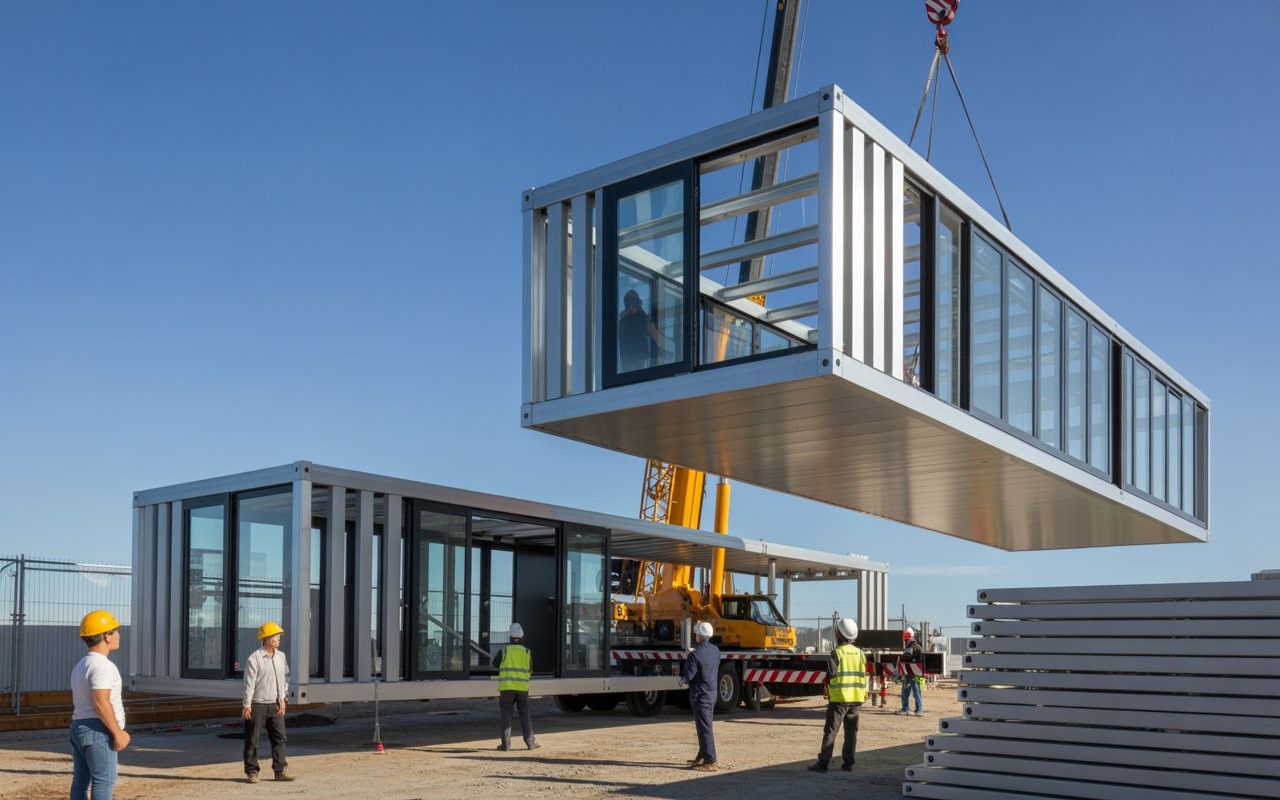
How Prefabricated Buildings Help Reduce Project Delays?
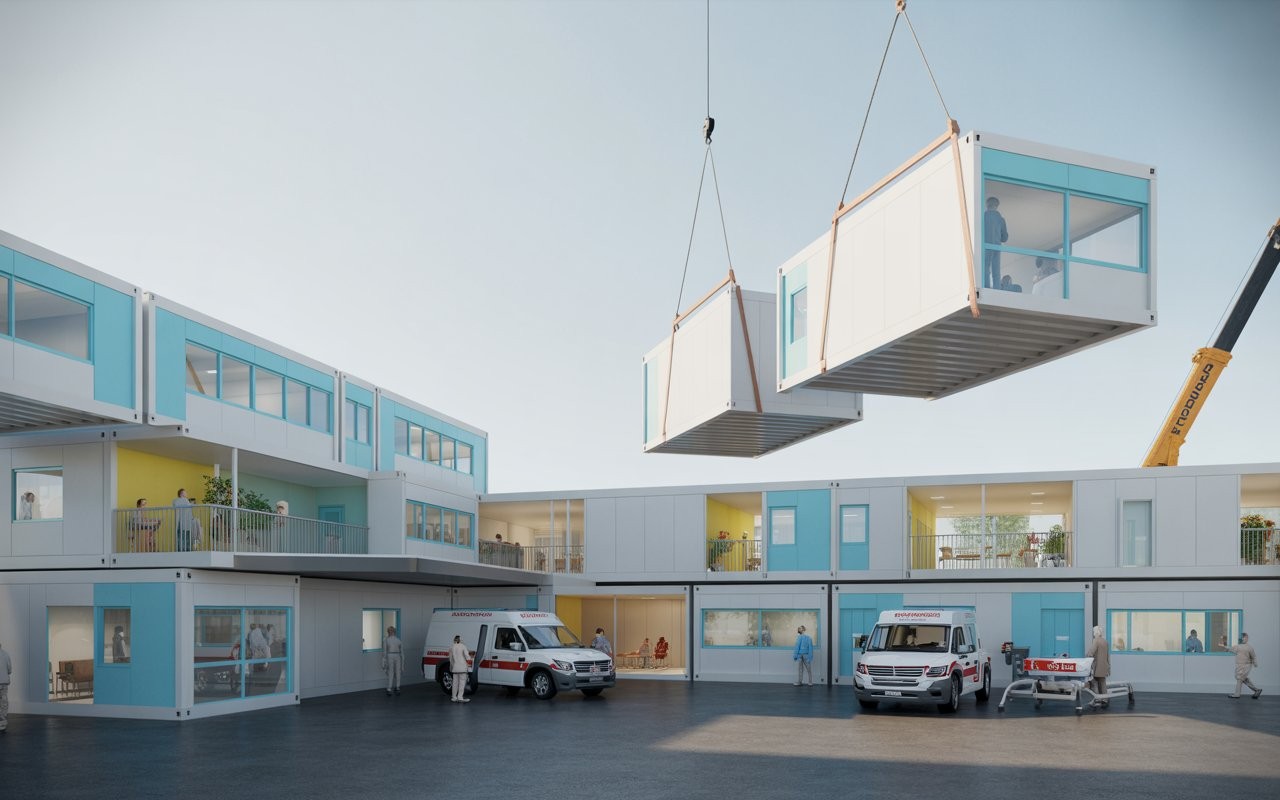
What Are Prefabricated Hospitals and When Are They the Right Choice?

Why Tensile Membrane Structures are the Future of Modern Architecture in India
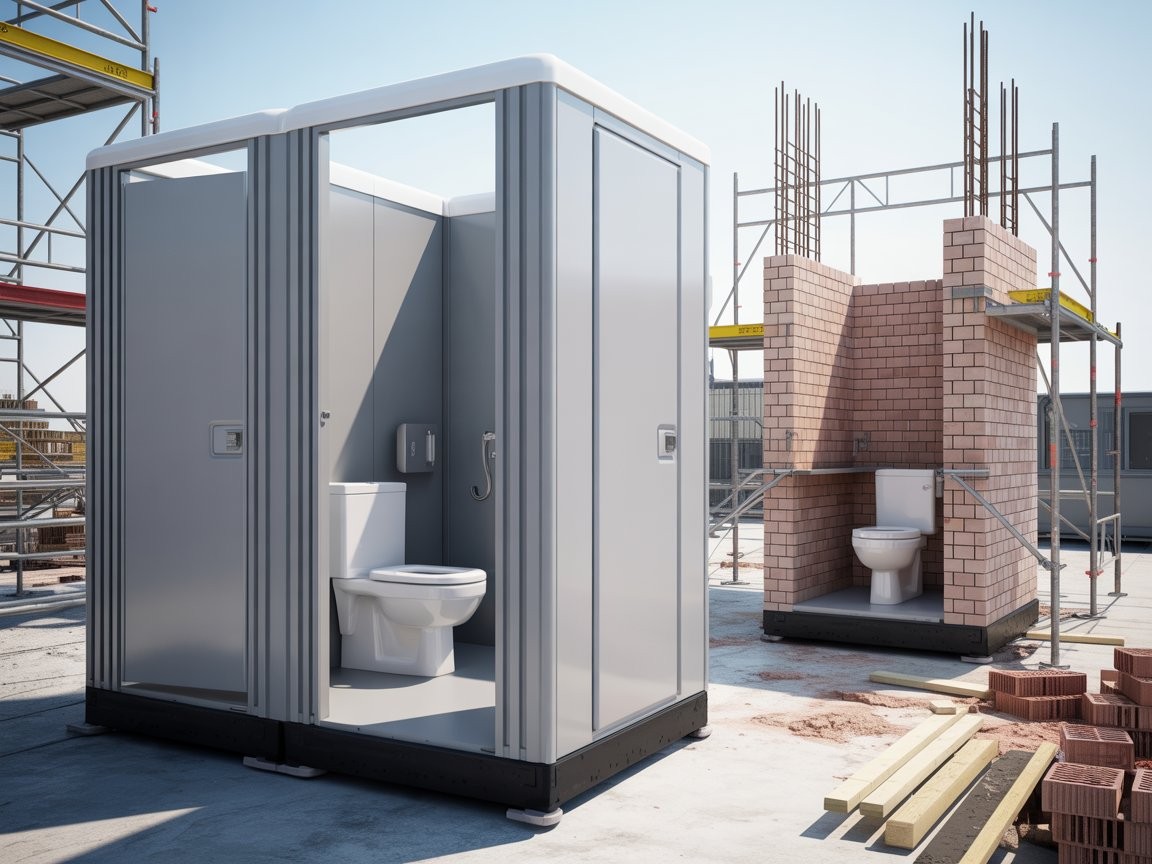
What Are the Advantages of Prefab Toilets Over Conventional Toilets?
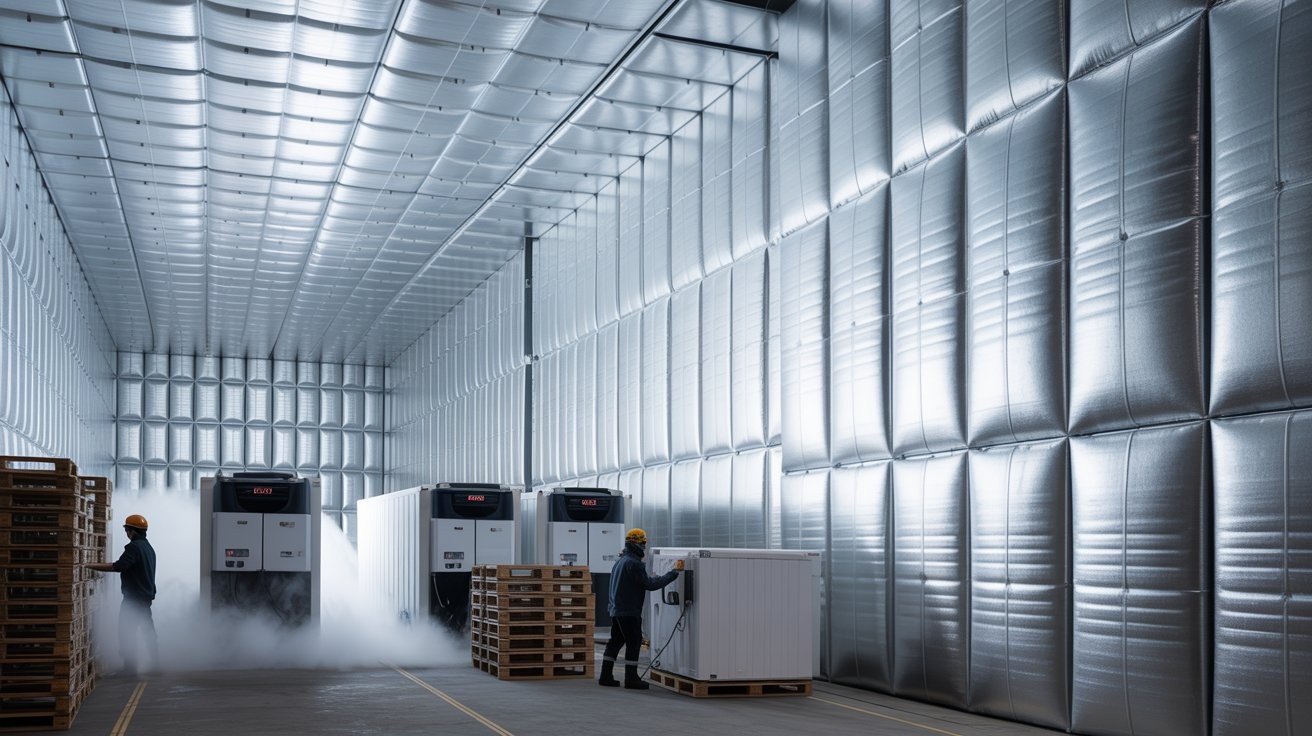
How PUF Panels Improve Cooling Efficiency in Warehouses and Cold Rooms
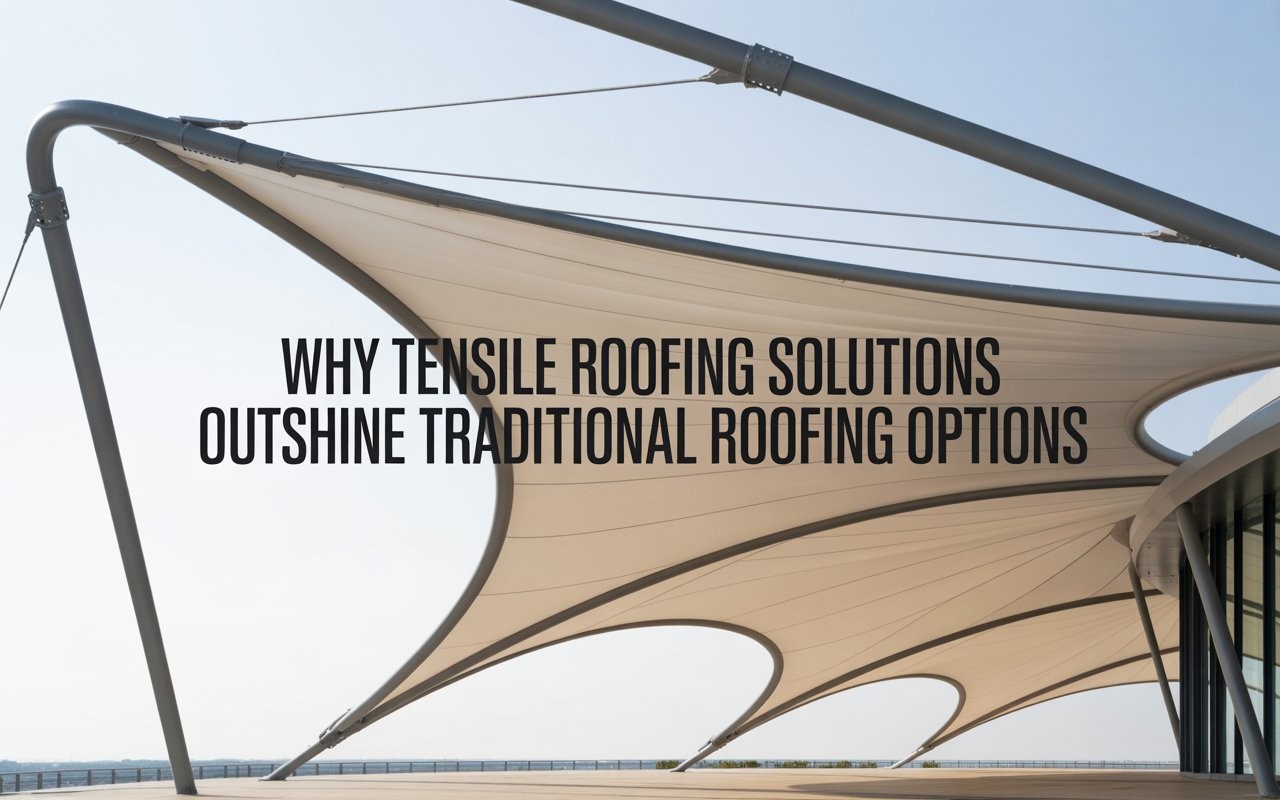
Why Tensile Roofing Solutions Outshine Traditional Roofing Options
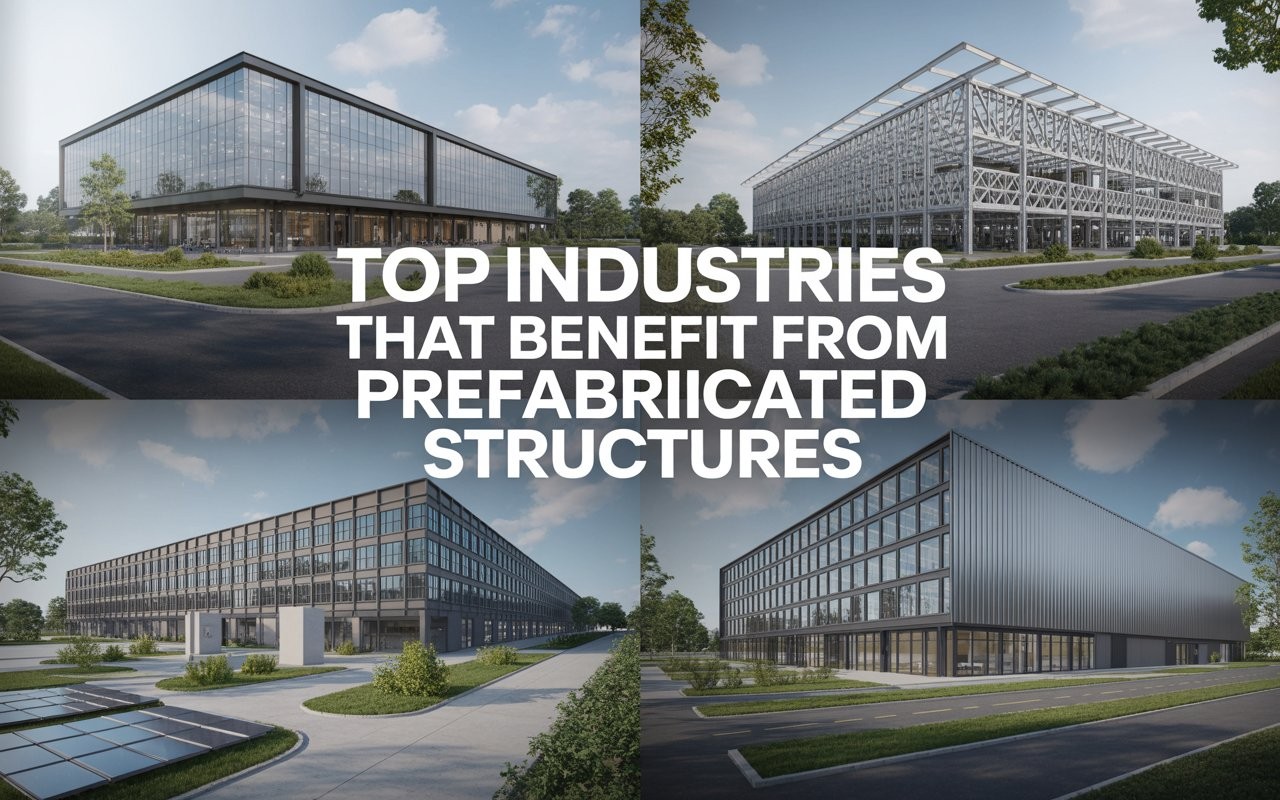
Top Industries that Benefits from Prefabricated Structures
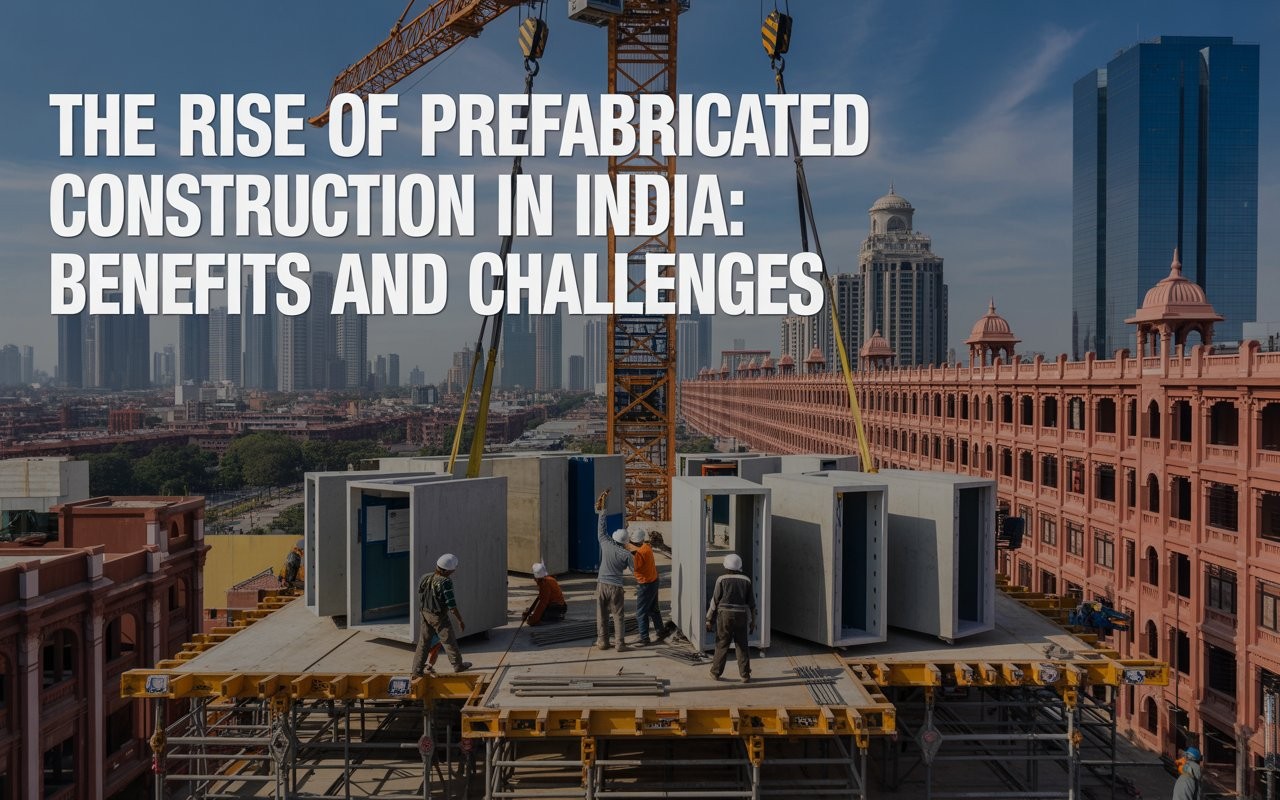
The Rise of Prefabricated Construction in India: Benefits and Challenges
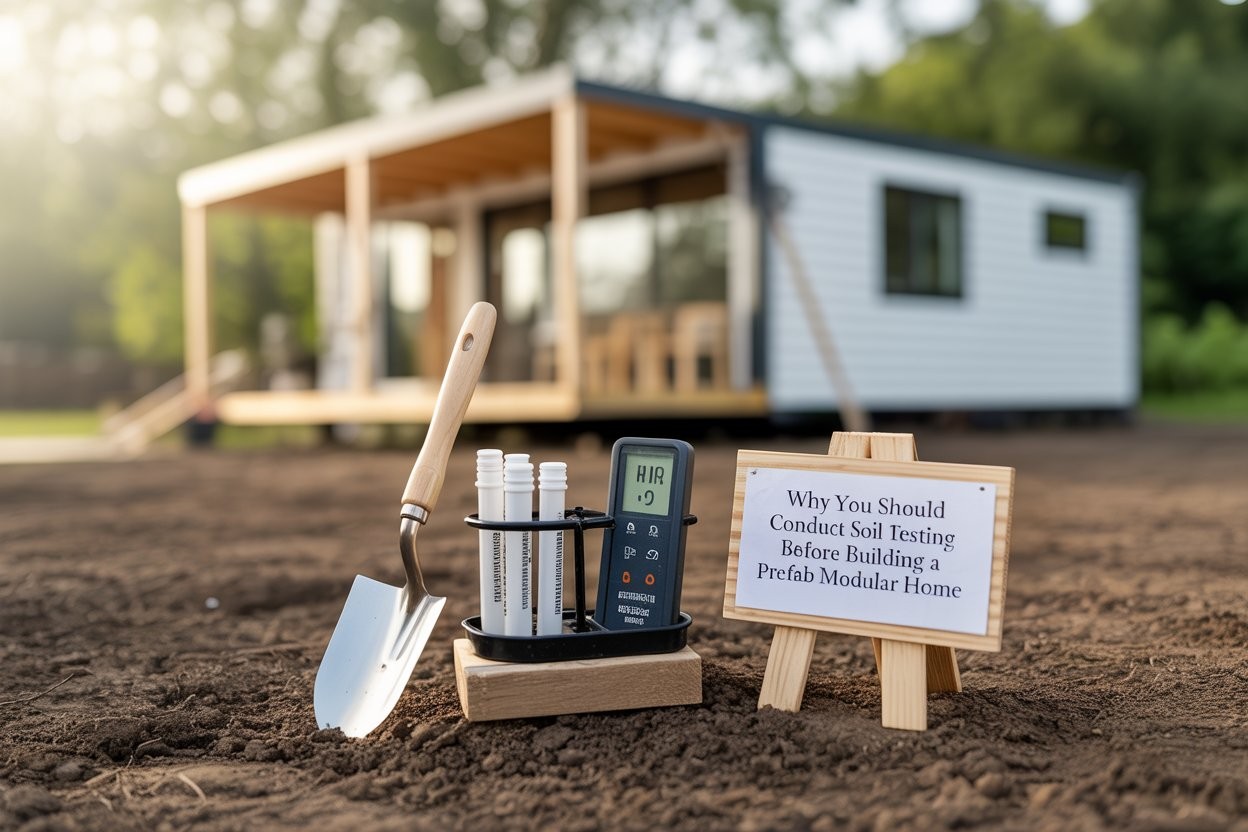
Why You Should Conduct Soil Testing Before Building a Prefab Modular Home
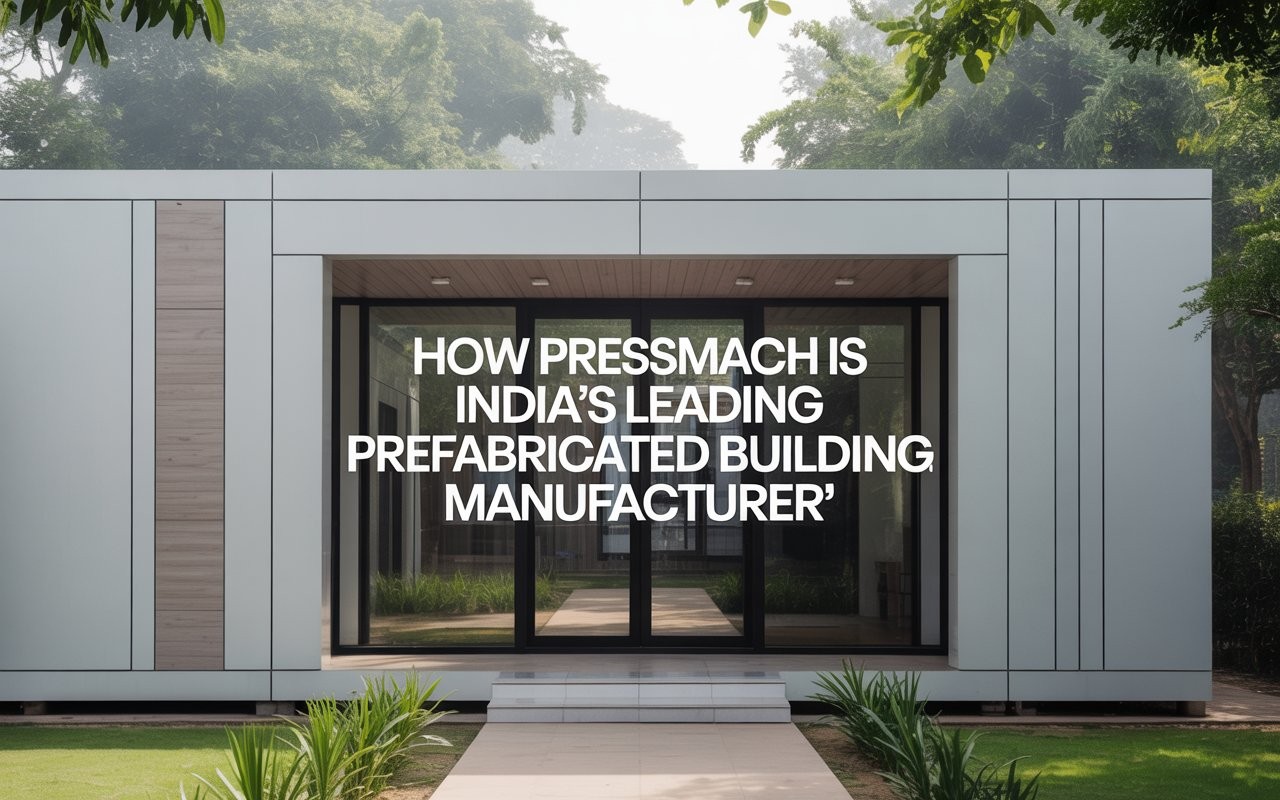
How Pressmach is India's Leading Prefabricated Building Manufacturer
How Tensile Architecture Combines Sustainability with Striking Design

Rising Demand and Future Growth of the Solar Mounting Structures Market
Why Are Prefabricated Site Offices a Smart Choice?
Why Businesses are Turning to PEB Building Construction in 2025

Why PUF Panels Are the Best Choice for Prefabricated Construction

Acoustic Enclosures vs Industrial Enclosures: What’s the Difference and Why It Matters

Solar Panel Orientation and Tilt Angle: How Mounting Structures Play a Role

Rise of Prefabricated Data Centers in India’s Digital Boom

Can Prefabricated Structures Withstand Seismic Shocks?

How LGSF is Revolutionizing Affordable Housing in India

Role of Prefabricated Warehouses in Modern Business Storage Solutions

The Future of AI in Prefabricated Construction

10 Major Advantages of Prefabrication in Modern Construction Projects

Advancements in Prefabricated Materials: What to Expect in 2025
6790c3d8f29a2.jpeg)
The Role of Prefabrication in Disaster Relief and Emergency Housing

Tips for Preparing Your Site for a Prefabricated Structure

Are Modular Prefab Homes Suitable for Extreme Weather Conditions

Uses Of Peb Structure In Residential Spaces

Trends and Innovations in Prefab Commercial Buildings

Top Benefits of Modular Office Space in 2024

Prefabricated Homes vs Traditional Homes

Benefits of Having Modular Prefabricated Cold Storage Solutions

How is Prefab Modernising India’s Ageing Industrial Spaces

How Modular Construction Improves Accessibility in Remote Areas

How to Choose the Right PUF Panels for Your Prefab Building

Types of Pre-engineered Buildings Used in Different Industries

Pre-Monsoon Checklist For PEB Buildings

Uses of Portable Cabins in Disaster Relief

Top Uses for Portable Cabins

Advantages of Portable Security Cabins

Why are Eco-friendly Prefab Homes a Better Choice

Insulation and Passive Technology Benefits of Prefab Modular Buildings

Why is Prefab Construction Greener than RCC Construction

Securing Modular and Prefabricated Buildings: Essential Tips

Benefits of Modular Construction in Healthcare

Factors To Consider Before Buying A Prefabricated Warehouse Building

Benefits of Portable Labour Accommodation Manufacturer

Reasons To Choose Portable Cabins

Myths And Facts About Portable Office Buildings

Innovative Uses Of Modular Buildings
Benefits Of Modular Cleanroom
Advantages Of Pre-Engineered Factory Buildings
65cf4d38697f9.webp)

65cf65f046eed.webp)

64afe3444467b.jpeg)
Importance Of Having Portable Toilets On-Site
Why Prefab Solutions are Ideal For Schools In Rural Areas?
What Is The Difference Between Precast And Prefabricated Buildings?
How LGSF Building Helps In Rapid Construction

Important Things To Look For In a Prefab Company
How Long Does A Prefab Structure Last
 site office front view622f00119ba65.jpg)
9 Benefits Of Choosing Portable On Site Office

Building Materials Used for Modular Construction
6349487807893.jpeg)
Modular Home Construction: Pros and Cons