
Why Pre-engineered Steel Buildings For Industrial Warehouses
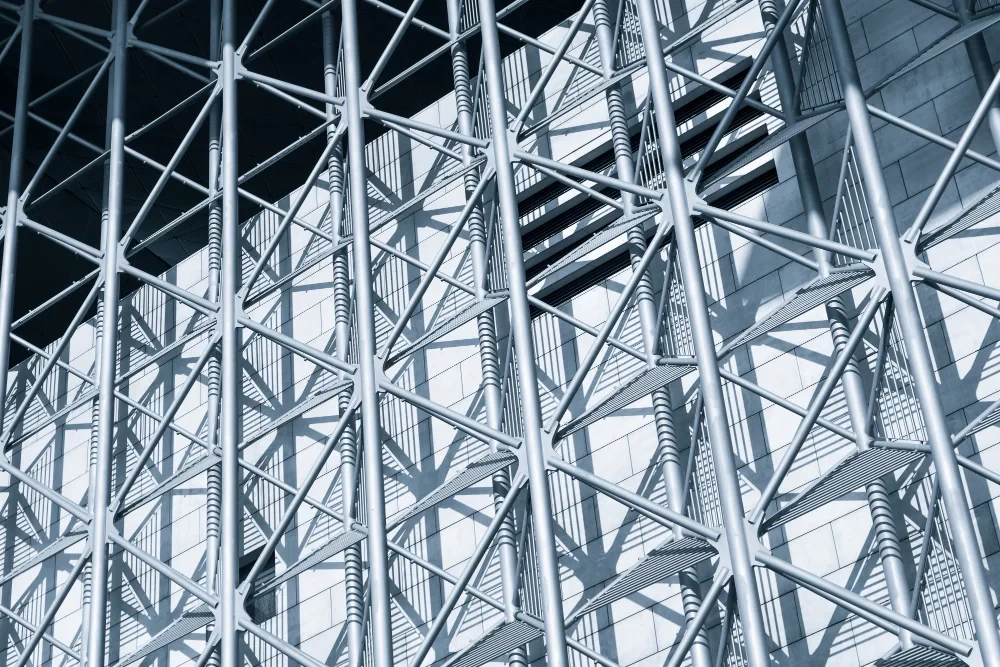
As technology continues to evolve and improve, so does the world of construction. Pre-engineered steel buildings are becoming increasingly popular due to their versatility and easy customization for various applications. When it comes to constructing an industrial warehouse, there are a number of options available – from traditional wooden structures to more modern steel frames. However, the pre-engineered steel building option is becoming increasingly popular amongst large-scale projects. If you're looking for the optimal material to use when constructing an industrial warehouse, there is no better choice than pre-engineered steel buildings. In this blog post, we'll be breaking down why pre-engineered steel buildings are the best choice for industrial warehouses and what advantages come with them!
Advantages of Pre - engineered Steel Buildings
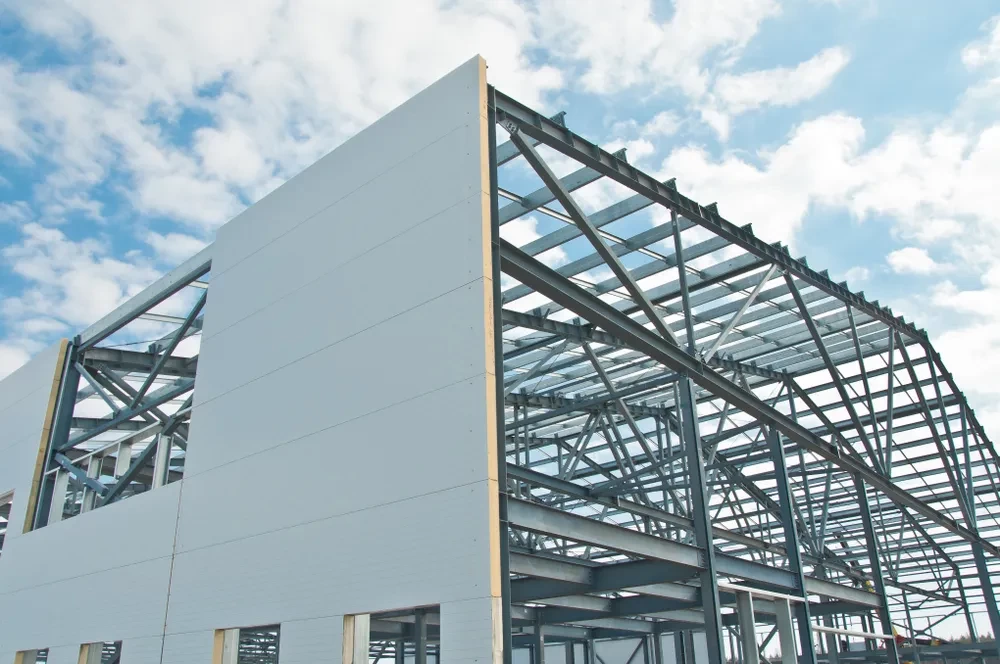
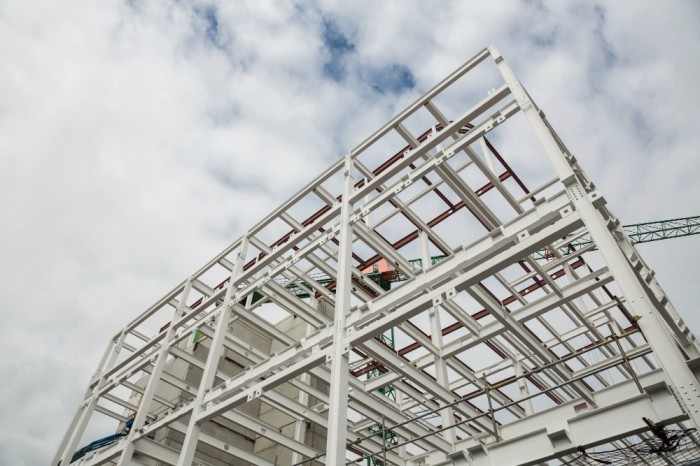
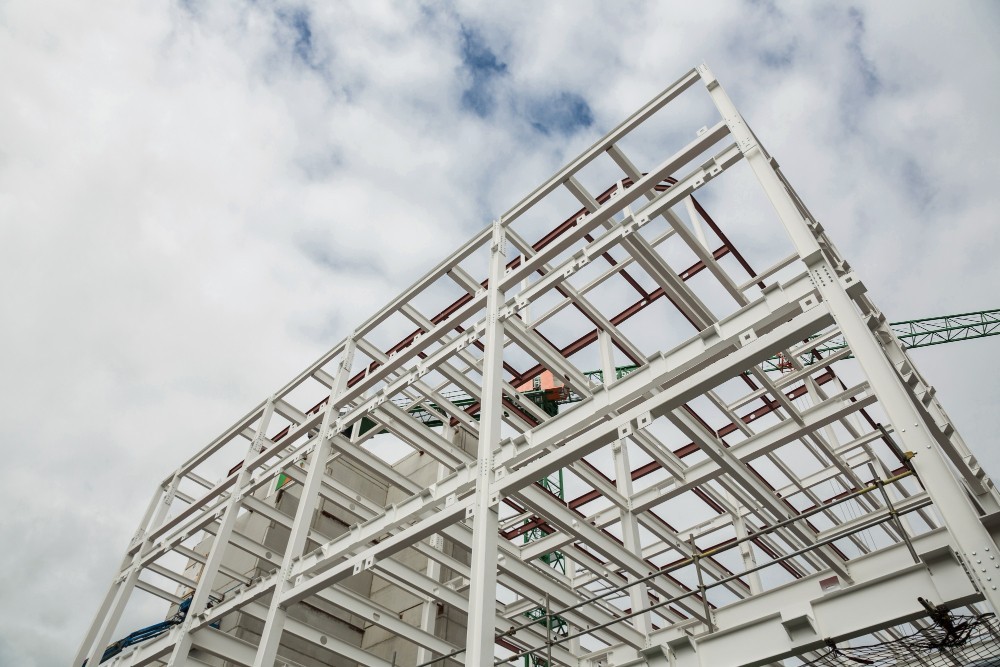
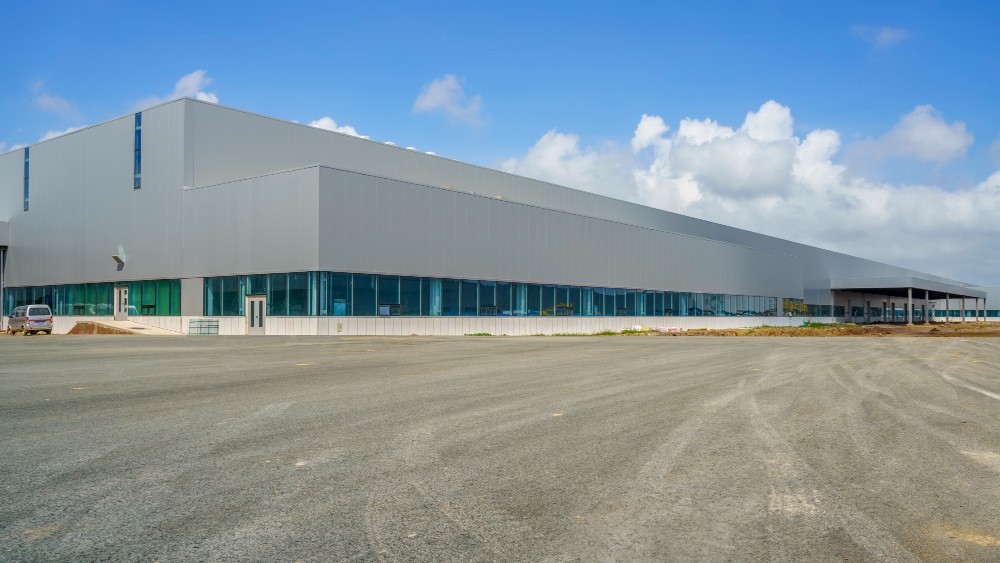
Because of its longevity, adaptability, and low cost, pre-engineered steel buildings are frequently used for industrial warehouses. Because of their modular construction, they may be easily expanded and adapted to meet the changing needs of any given warehouse.
While constructing an industrial warehouse, a pre-engineered building is a best option because it shortens the duration of the project in comparison to conventional approaches. The steel parts have already been designed, cut, and punched at the factory and may be easily assembled. As a result, less time is spent on-site, which speeds up the overall process and causes less interference with regular business.
Prefabricated steel buildings offer numerous benefits for manufacturing storage facilities. They come with numerous benefits, the reason why Pre-engineered steel buildings are the best choice for industrial warehouses. Among the many benefits are the following:
- Durability and Strength: Steel can survive severe weather, including varying temperatures, storm, and snow, without deteriorating. Industrial warehouses greatly benefit from steel building due to its superior fire resistance.
- Customization: Pre-engineered businesses are very adaptable, so they may be modified to meet the requirements of virtually any factory or warehouse. It is possible for their layouts to incorporate large machinery, tall ceilings, and wide-open spaces.
- Cost-Effectiveness: As a result of their low building costs, prefabricated industrial warehouses (PEBs) are a fantastic choice. When steel components are manufactured in a clean room, a building can be completed in a fraction of the time and with substantially less waste than with traditional methods.
- Versatility: Pre Engineered Steel Buildings could be used in a variety of ways in a warehouse environment. Its adaptability makes them useful in a wide range of commercial and industrial establishments.
- Energy Efficiency: Steel construction that has been engineered to be particularly energy-efficient can be a benefit in perspective of cost savings for industrial storage facilities that are constructed of steel.
Prefabricated steel warehouses provide many advantages over conventional construction, including lower construction costs, greater longevity, and adaptability. These numerous benefits make pre-engineered steel buildings the best choice for industrial warehouses. Also, consideration, including experience, customization choices, quality, service, and budget, should all be taken into account when selecting a pre-engineered steel building manufacturer. Pressmach's years of experience, customizable features, high-quality materials, and production standards, good customer service and support, and affordable prices make them an attractive alternative for building industrial warehouses. Get in touch with Pressmach Infrastructure immediately to discuss your demands for an industrial warehouse and find out more about their pre-engineered steel buildings.
Why is Pressmach Your go to PEB Manufacturer?
When it comes to industrial warehouses, high-quality steel structures are a must, and Pressmach Infrastructure is at the forefront of that industry as a leading pre-engineered steel building maker. In case you were wondering why you should choose Pressmach for your industrial warehouse, here are a few reasons:
- a) Experience: Pressmach is a prefab steel building company that has been around for over the past decade. They are known for their high-quality, tailored solutions for industrial warehouse development.
- b) Customization: Steel buildings from Pressmach can be modified to better suit the demands of your company, making them ideal for use as an industrial warehouse.
- c) Quality: Pressmach's pre-engineered steel buildings are long-lasting and secure since the company uses premium materials and adheres to stringent manufacturing requirements. In addition to being confident in the durability of their goods, they provide a 50-year structural warranty.
- d) Service: Pressmach's support and assistance to clients during building projects is second to none. From initial concept to final installation, their team of specialists is here to help at every stage.
- e) Price: Pressmach's rates are low, and their products are high quality. Pre-engineered steel buildings are offered at competitive prices because of the company's streamlined production process and premium materials.
Pressmach goes above and beyond by also providing services such as design and engineering, project execution, and building. To make sure your industrial warehouse is properly suited for your business's demands, they provide a number of accessories and options, including insulation, ventilation, and lighting.
Your Requirements
Related
Blogs

How Tensile Roofing Structures Reduce Swimming Pool Maintenance
Benefits of Tensile Roofing Structures for Modern Agriculture
How to Maintain Tensile Roofing Structures
Benefits of Tensile Roofing for Industrial Projects

Can Tensile Structures Handle Heavy Rain and Strong Wind Loads
Questions to Ask Before Choosing a Prefabricated Farmhouse Manufacturer
How Long Does it Take to Install a 10,000 sq ft Prefab Warehouse in India?
How Pressmach Delivered a 50-Bed Hospital in Just 90 Days
How Educational Institutions Are Using Portable Classrooms to Handle Enrollment Pressure
Can a Prefab Structure Be Installed During Monsoon or Do You Have to Wait It Out?
How to Install Solar Panels on Prefabricated Rooftop Structures
Tensile Roofing Structures for Outdoor Storage Yards: What Material Holds up to Indian Weather?

What Makes Prefab Quality Control Rooms Ideal for Manufacturing Facilities?

How Portable Workmen Accommodation Improves Site Productivity
How Prefabricated Buildings Help Reduce Project Delays?
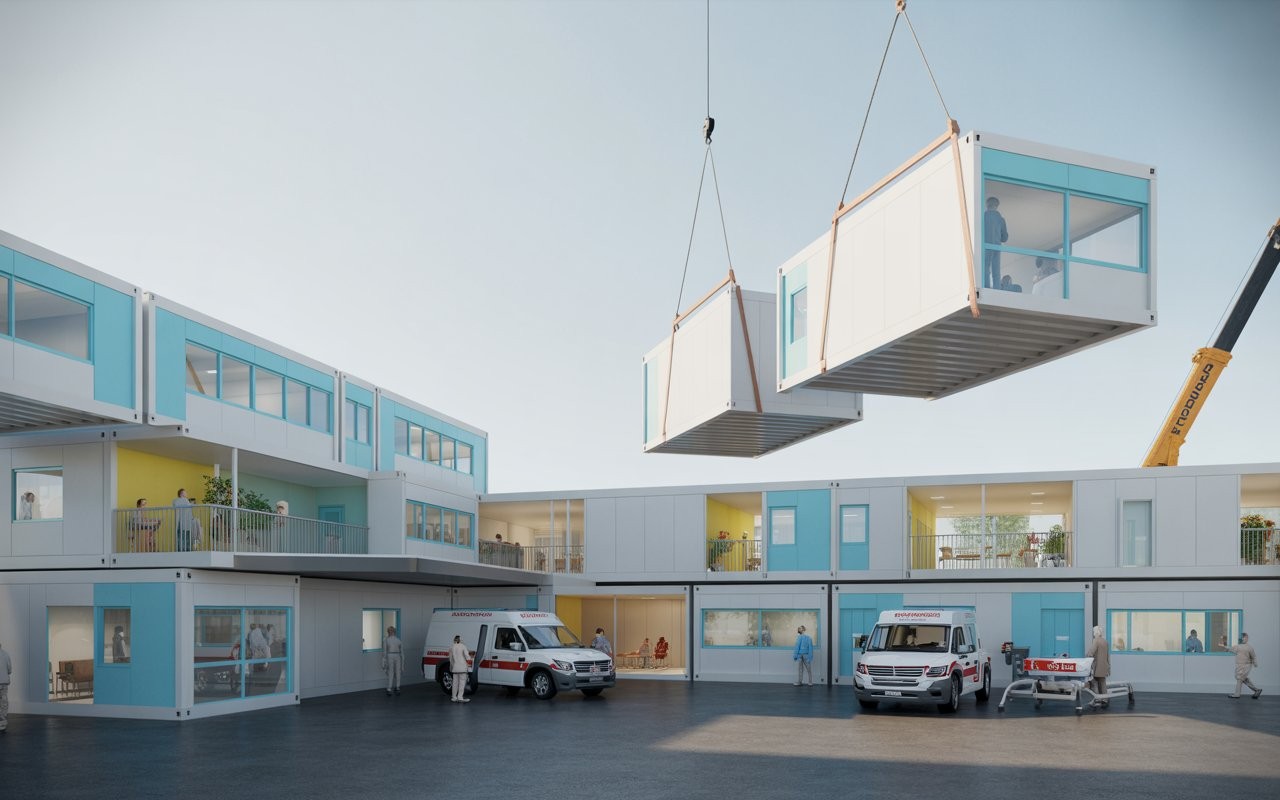
What Are Prefabricated Hospitals and When Are They the Right Choice?

Why Tensile Membrane Structures are the Future of Modern Architecture in India
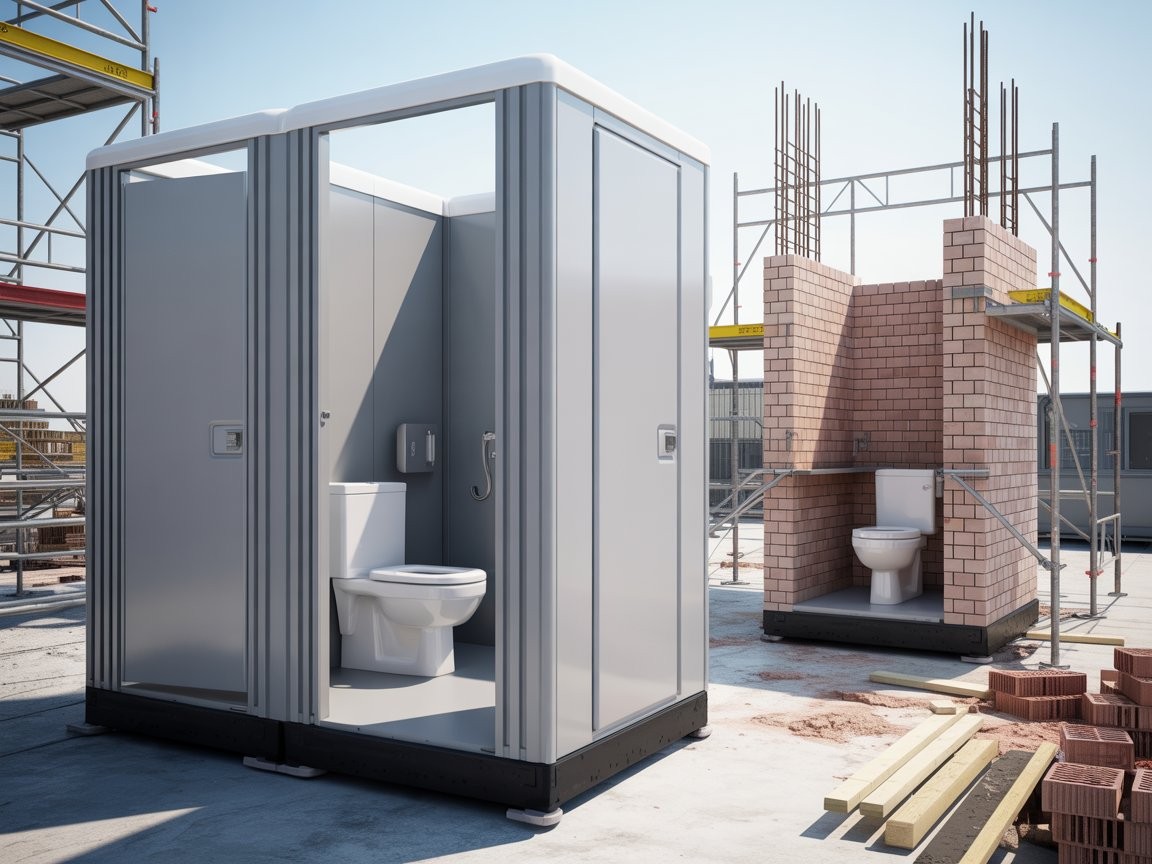
What Are the Advantages of Prefab Toilets Over Conventional Toilets?
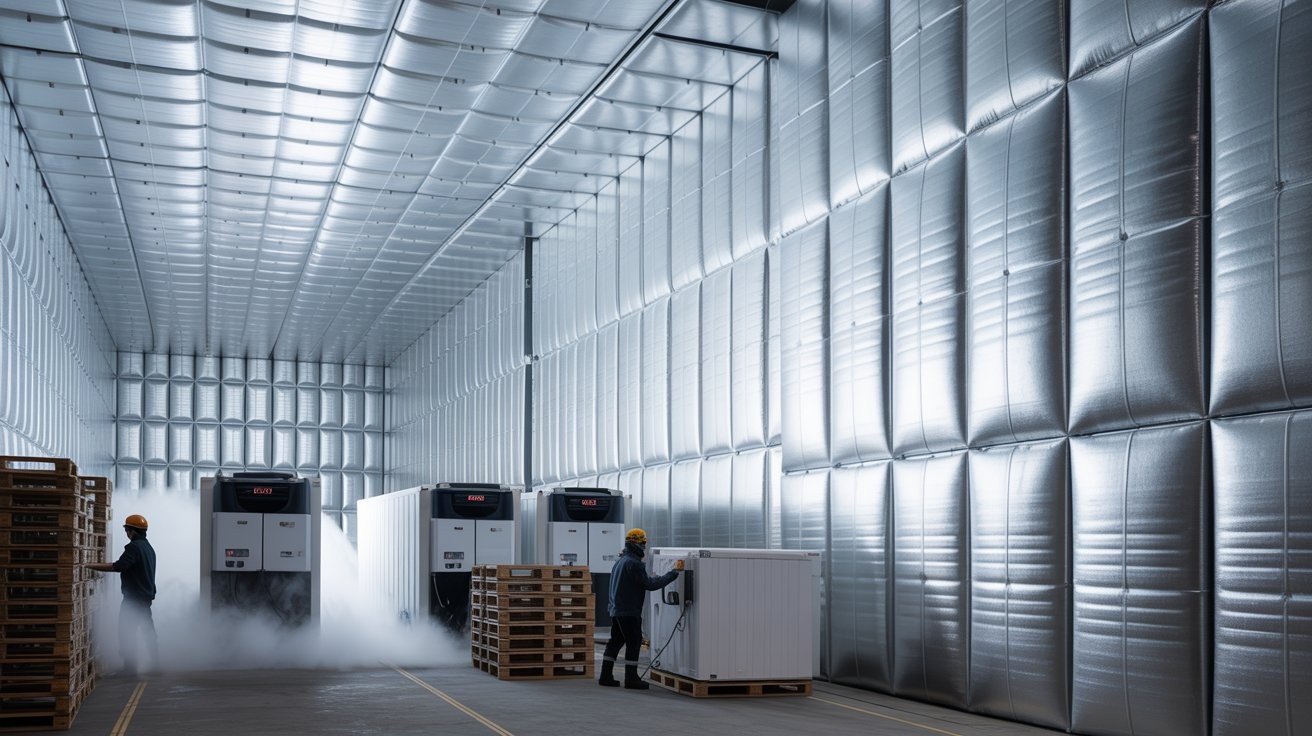
How PUF Panels Improve Cooling Efficiency in Warehouses and Cold Rooms
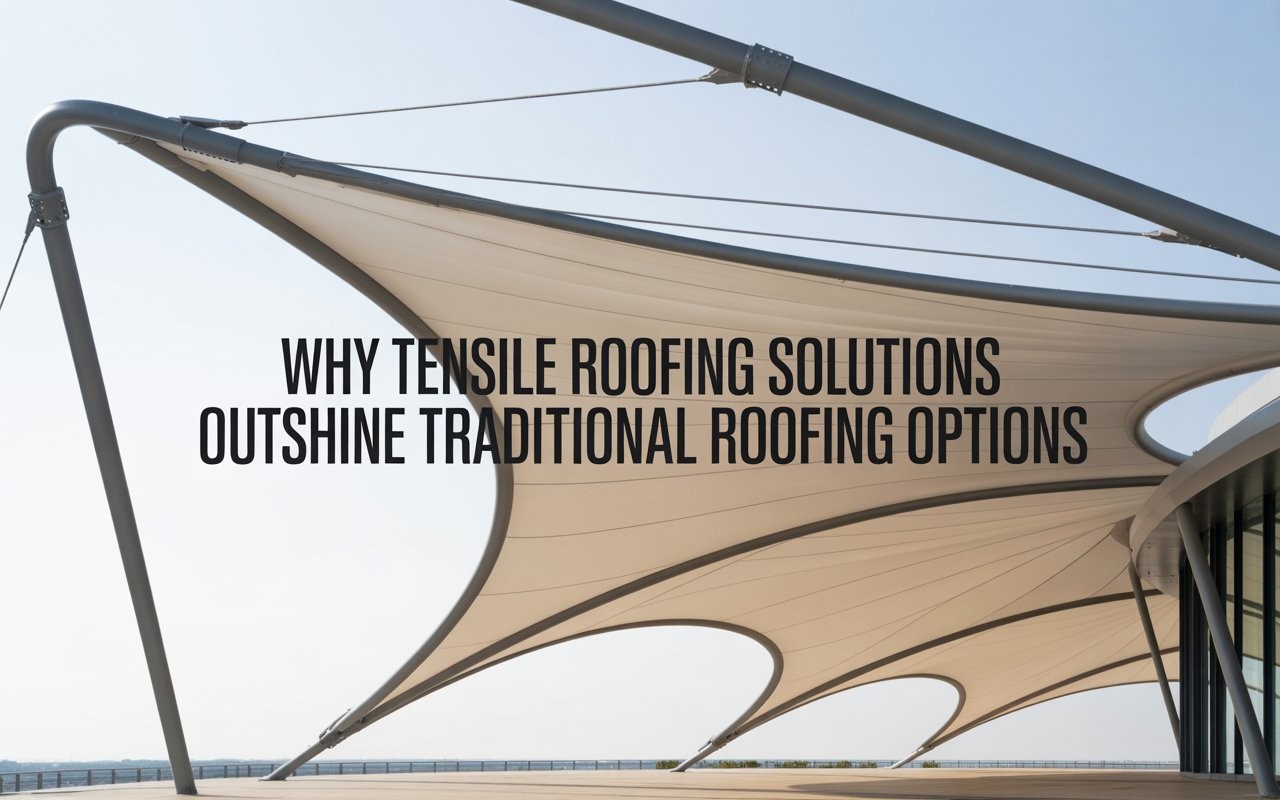
Why Tensile Roofing Solutions Outshine Traditional Roofing Options
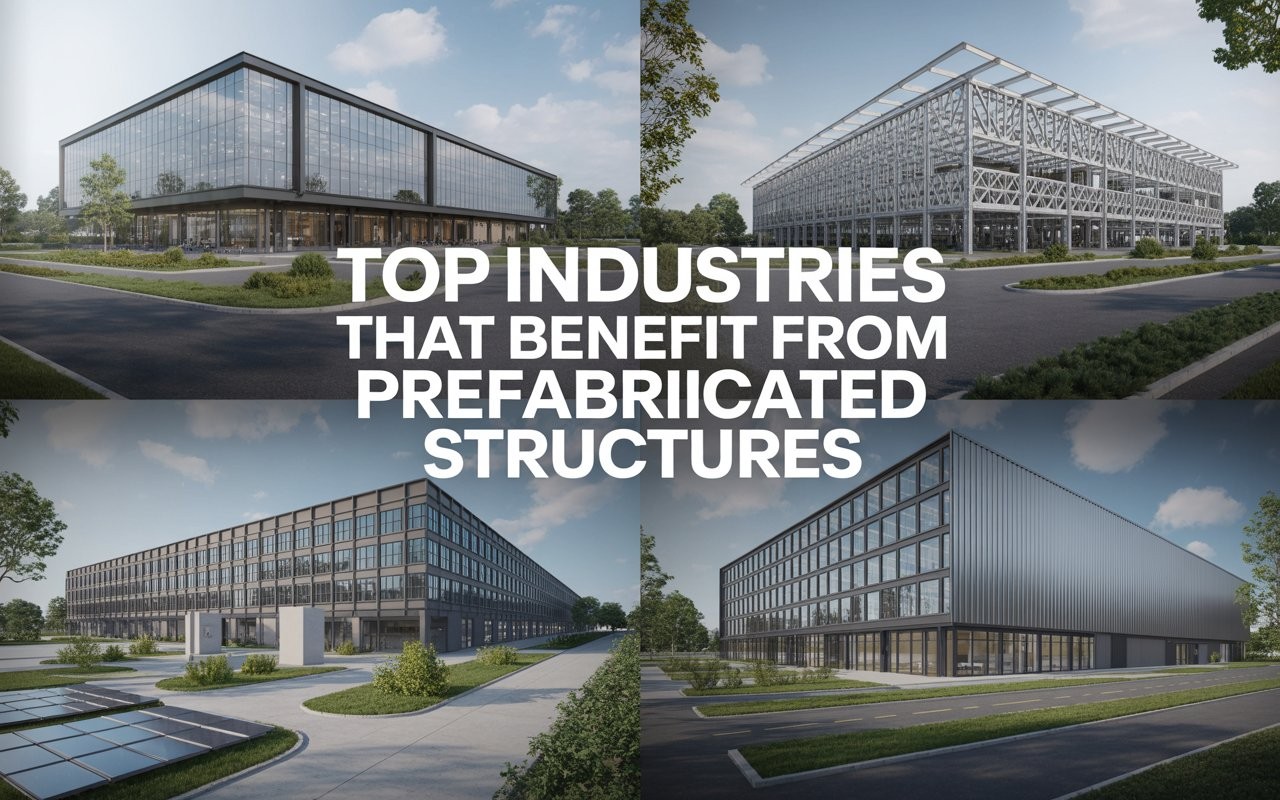
Top Industries that Benefits from Prefabricated Structures
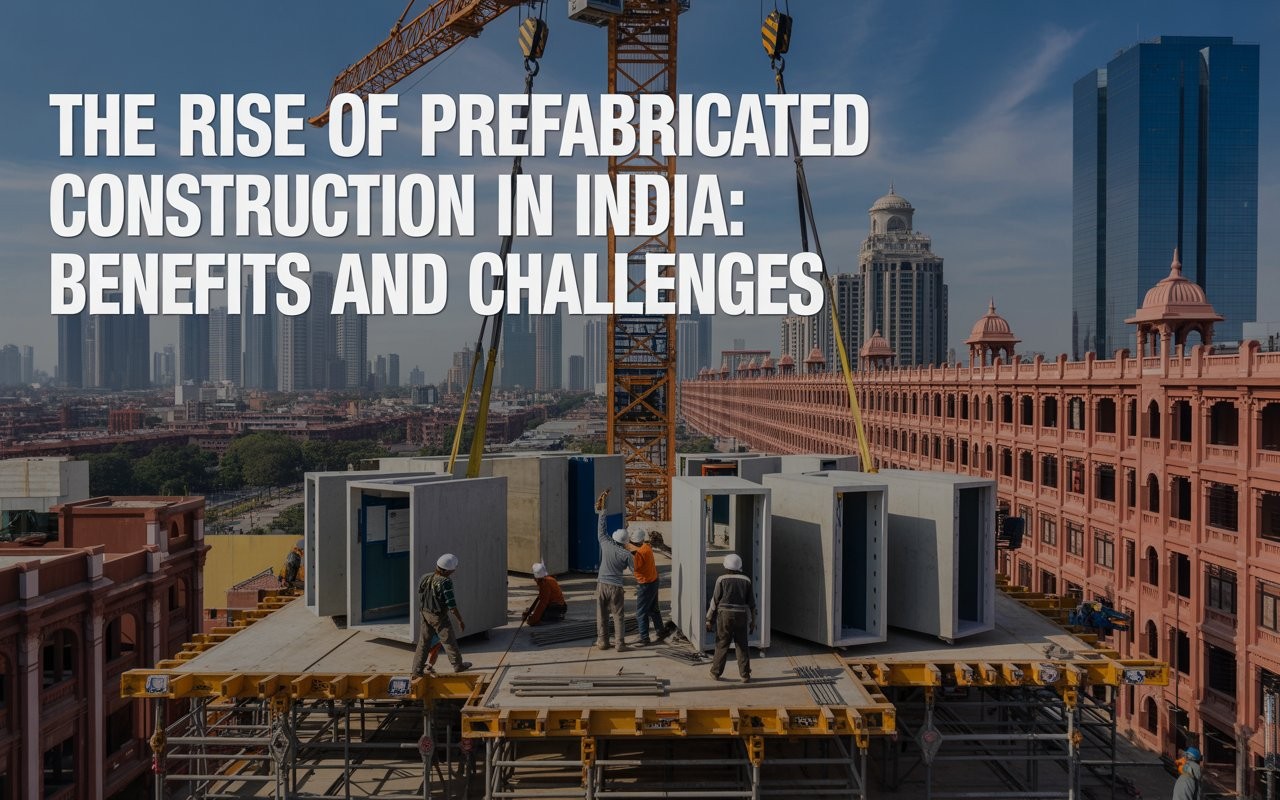
The Rise of Prefabricated Construction in India: Benefits and Challenges
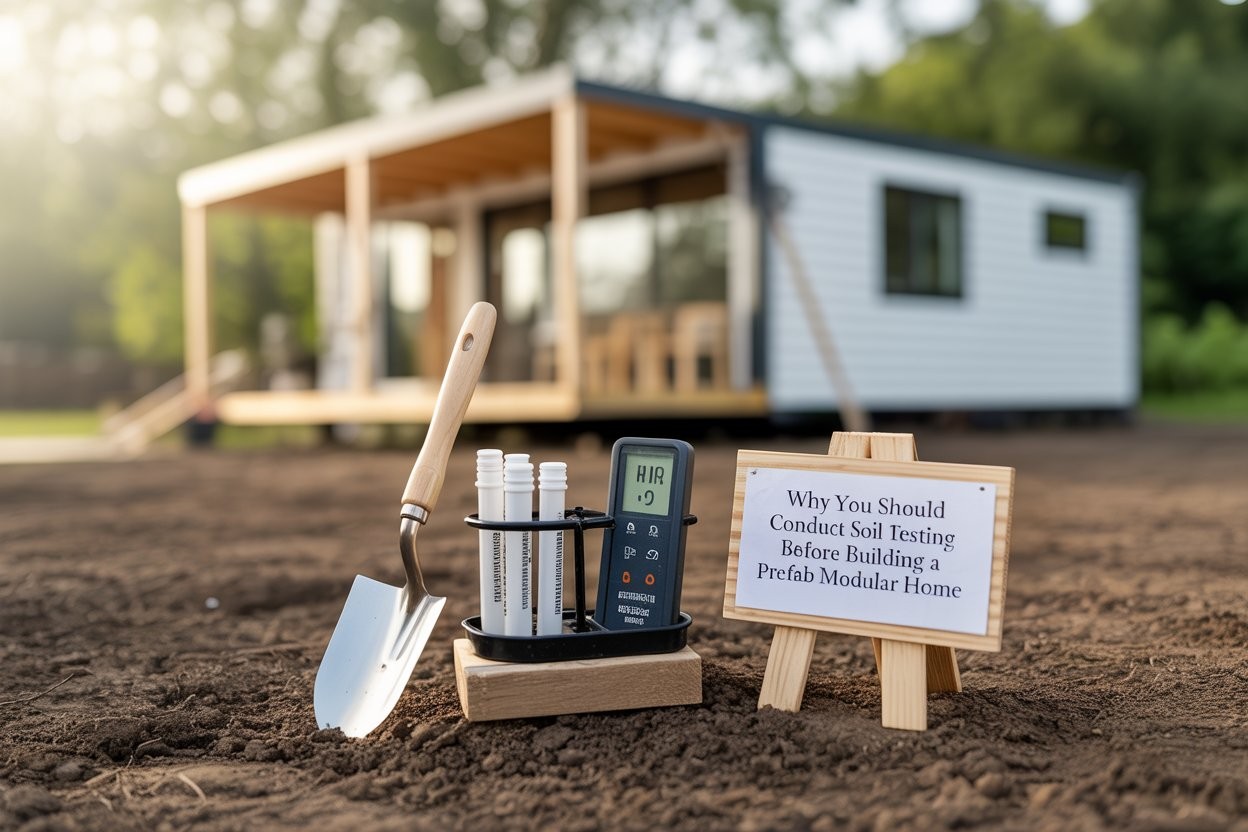
Why You Should Conduct Soil Testing Before Building a Prefab Modular Home
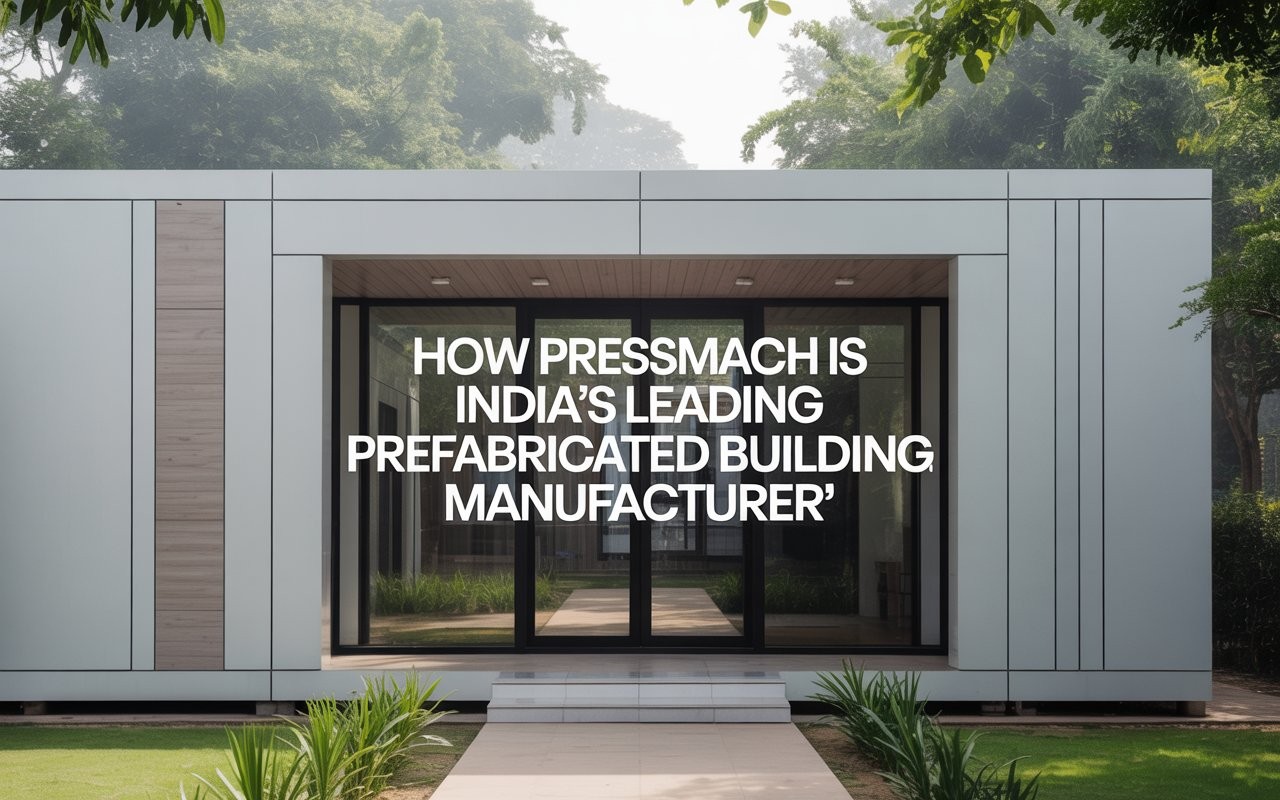
How Pressmach is India's Leading Prefabricated Building Manufacturer
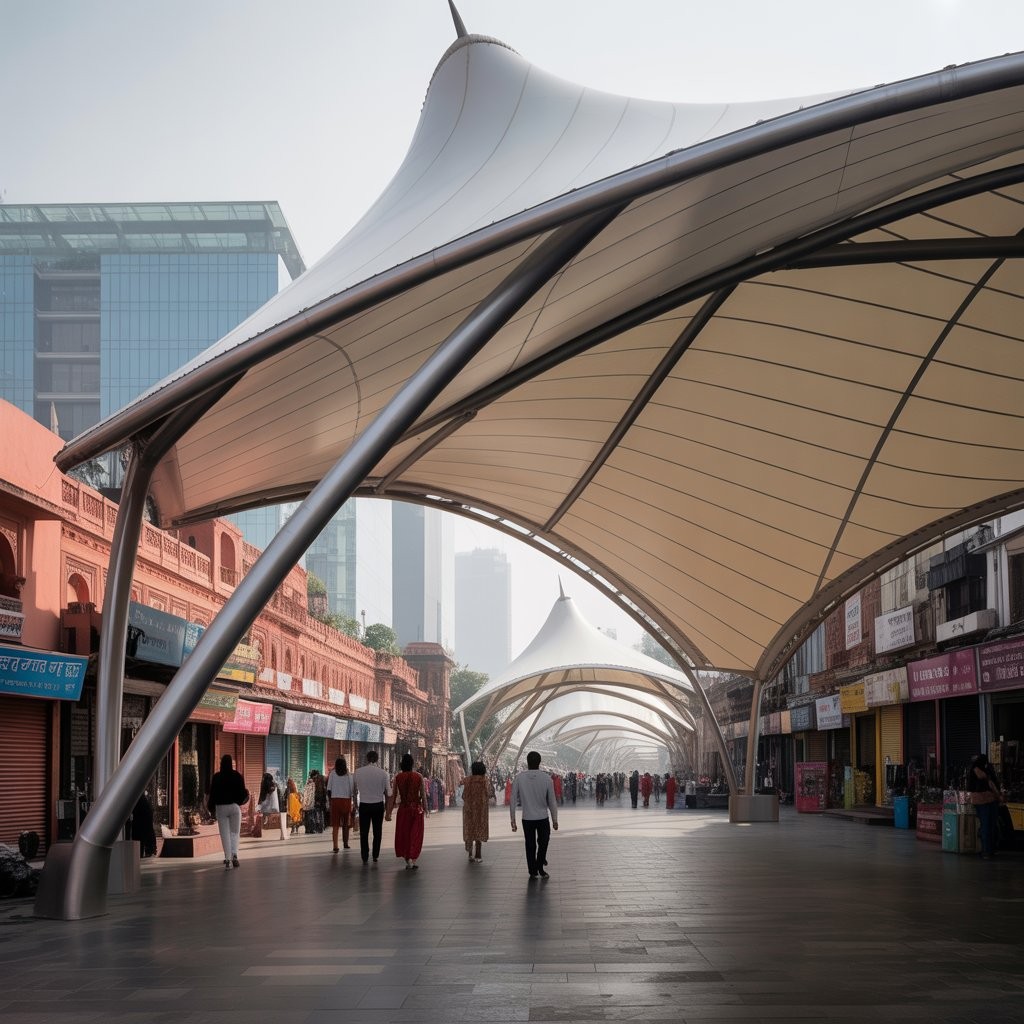
How Tensile Architecture Combines Sustainability with Striking Design
Rising Demand and Future Growth of the Solar Mounting Structures Market
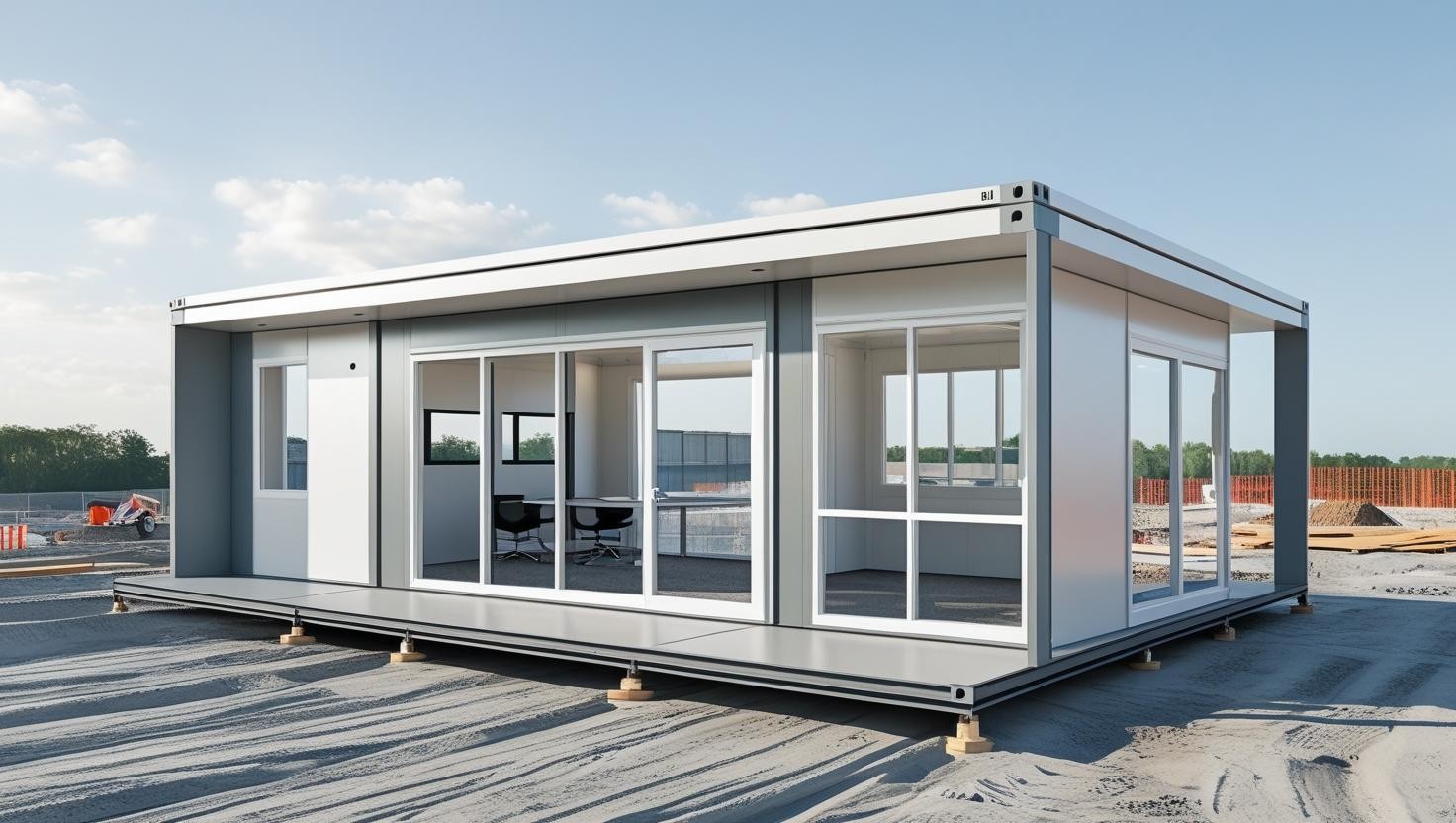
Why Are Prefabricated Site Offices a Smart Choice?
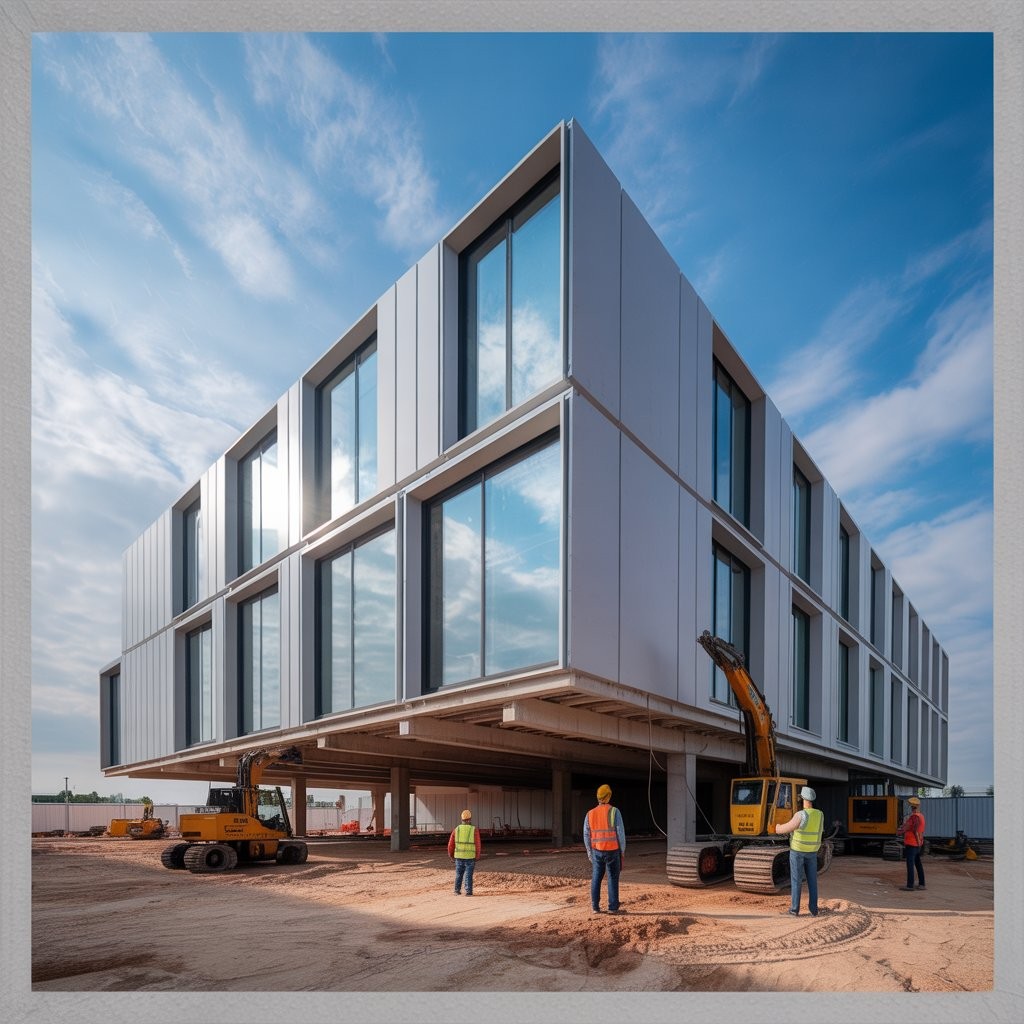
Why Businesses are Turning to PEB Building Construction in 2025

Why PUF Panels Are the Best Choice for Prefabricated Construction

Acoustic Enclosures vs Industrial Enclosures: What’s the Difference and Why It Matters

Solar Panel Orientation and Tilt Angle: How Mounting Structures Play a Role

Rise of Prefabricated Data Centers in India’s Digital Boom

Can Prefabricated Structures Withstand Seismic Shocks?

How LGSF is Revolutionizing Affordable Housing in India

Role of Prefabricated Warehouses in Modern Business Storage Solutions

The Future of AI in Prefabricated Construction

10 Major Advantages of Prefabrication in Modern Construction Projects

Advancements in Prefabricated Materials: What to Expect in 2025
6790c3d8f29a2.jpeg)
The Role of Prefabrication in Disaster Relief and Emergency Housing

Tips for Preparing Your Site for a Prefabricated Structure

Are Modular Prefab Homes Suitable for Extreme Weather Conditions

Uses Of Peb Structure In Residential Spaces

Trends and Innovations in Prefab Commercial Buildings

Top Benefits of Modular Office Space in 2024

Prefabricated Homes vs Traditional Homes

Benefits of Having Modular Prefabricated Cold Storage Solutions

How is Prefab Modernising India’s Ageing Industrial Spaces

How Modular Construction Improves Accessibility in Remote Areas

How to Choose the Right PUF Panels for Your Prefab Building

Types of Pre-engineered Buildings Used in Different Industries

Pre-Monsoon Checklist For PEB Buildings

Uses of Portable Cabins in Disaster Relief

Top Uses for Portable Cabins

Advantages of Portable Security Cabins

Why are Eco-friendly Prefab Homes a Better Choice

Insulation and Passive Technology Benefits of Prefab Modular Buildings

Why is Prefab Construction Greener than RCC Construction

Securing Modular and Prefabricated Buildings: Essential Tips

Benefits of Modular Construction in Healthcare

Factors To Consider Before Buying A Prefabricated Warehouse Building

Benefits of Portable Labour Accommodation Manufacturer

Reasons To Choose Portable Cabins

Myths And Facts About Portable Office Buildings

Innovative Uses Of Modular Buildings
Benefits Of Modular Cleanroom
Advantages Of Pre-Engineered Factory Buildings
65cf4d38697f9.webp)


65cf65f046eed.webp)


64afe3444467b.jpeg)
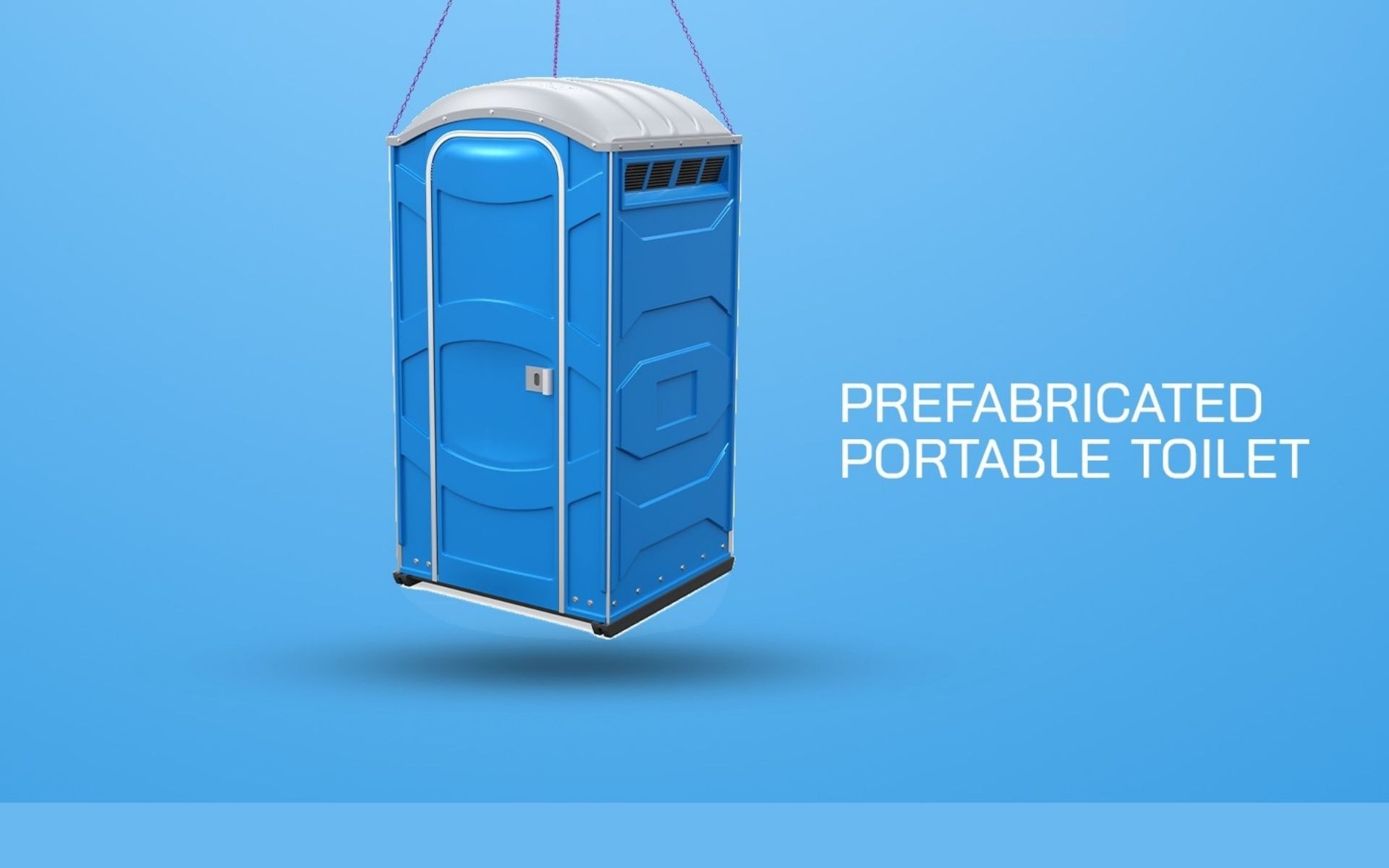
Importance Of Having Portable Toilets On-Site
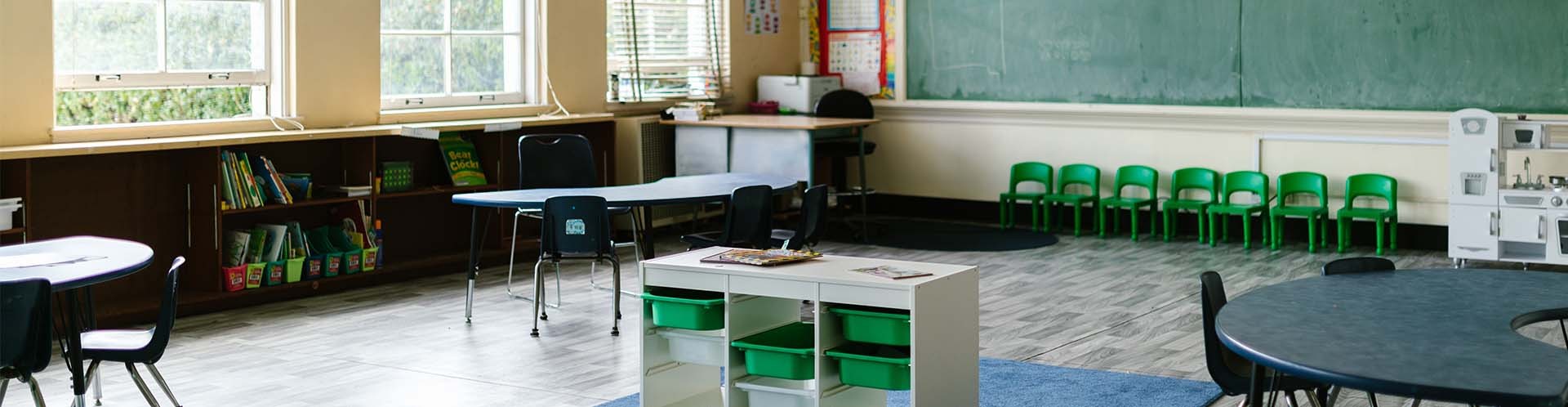
Why Prefab Solutions are Ideal For Schools In Rural Areas?
What Is The Difference Between Precast And Prefabricated Buildings?
How LGSF Building Helps In Rapid Construction

Important Things To Look For In a Prefab Company
How Long Does A Prefab Structure Last
 site office front view622f00119ba65.jpg)
9 Benefits Of Choosing Portable On Site Office

Building Materials Used for Modular Construction
6349487807893.jpeg)
Modular Home Construction: Pros and Cons