
Pre-Engineered Buildings Future of Commercial Industrial Construction
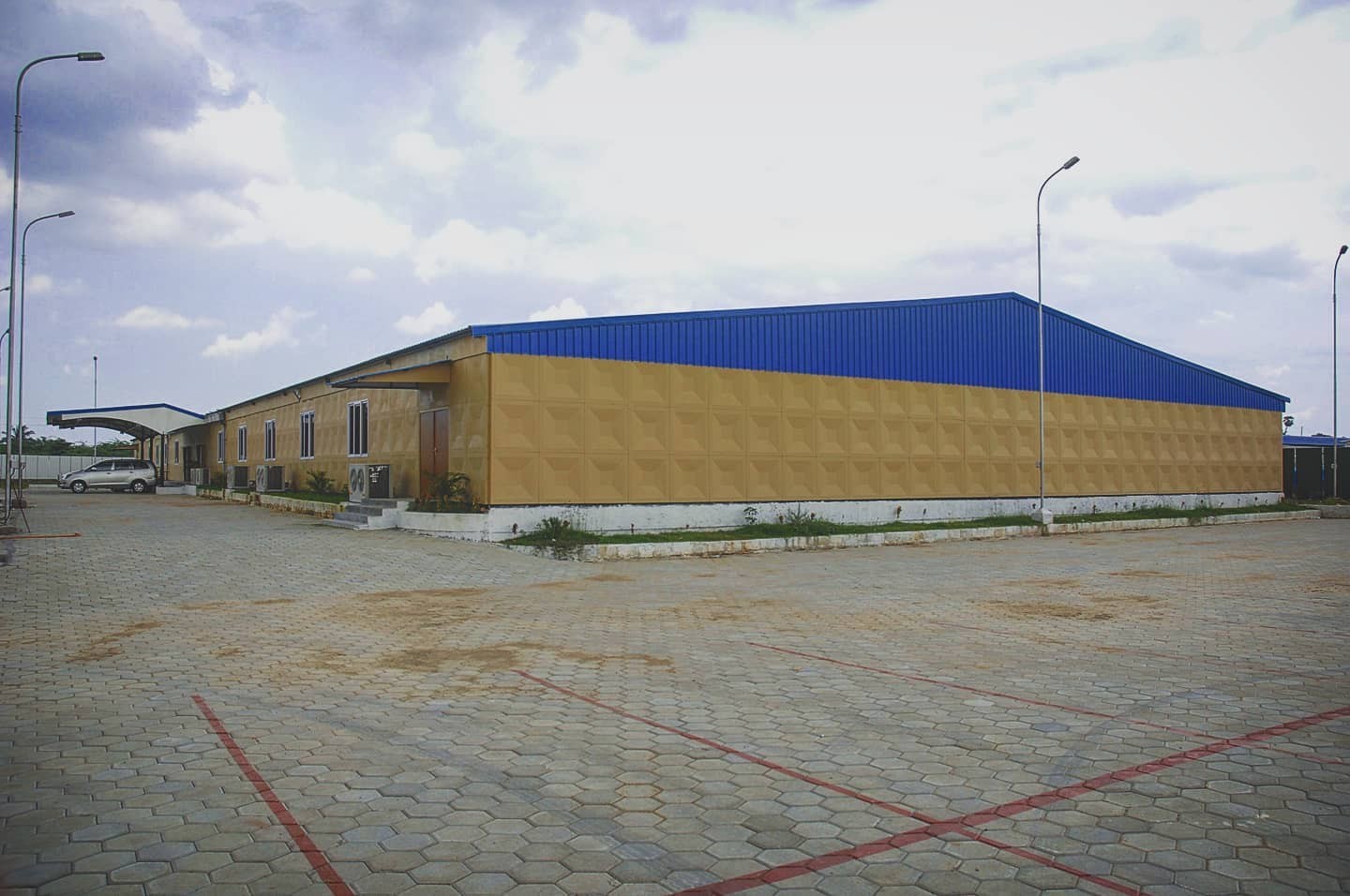
Construction has evolved significantly in recent years. The industry is constantly changing, moving from traditional brick and mortar to prefab construction in India to stay relevant in modern construction. PEB is revolutionizing the commercial and industrial construction landscape by offering cost-effectiveness, sustainable practices, and faster construction. In this blog, we will delve into the reasons why it is considered that Pre-Engineered Buildings - Future of Commercial and Industrial Construction.
How Pre-Engineered Buildings Are Made?
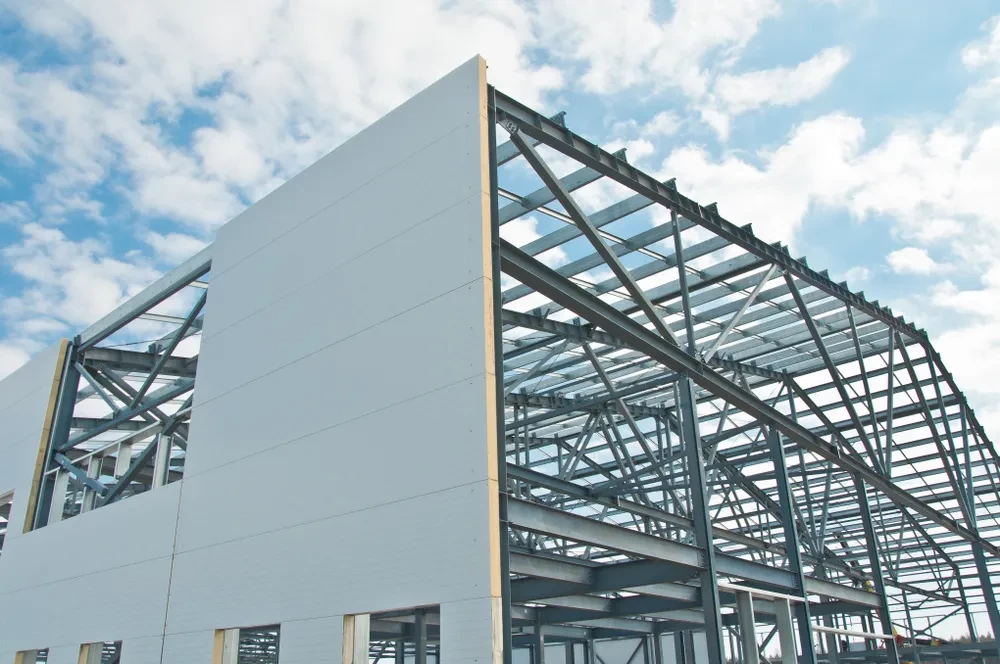
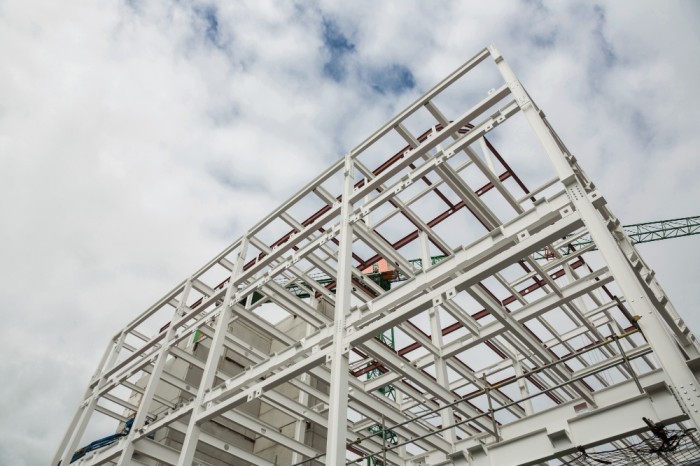
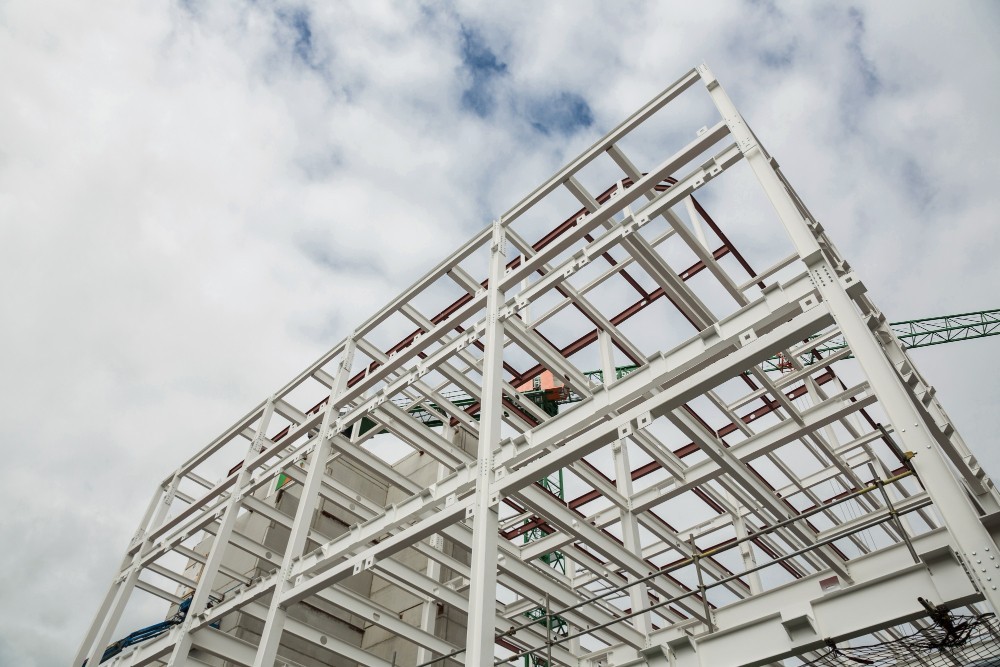
The production of pre-engineered building components requires advanced technology and machinery to create precise, high-quality elements. These components are usually made from steel and require careful cutting, welding, and painting to meet precise design specifications. Once these components have been fabricated, they are then transported to the construction site, where a team of skilled workers expertly assembles them using cranes and heavy machinery. Compared to traditional construction approaches, which require on-site construction of each individual component, this method overcomes limitations in terms of time and efficiency.
What are the advantages of pre-engineered buildings?
There are several advantages of using pre-engineered buildings and some of them are as follows:
Cost-Effectiveness
Pre-engineered buildings are really cost-efficient. The use of standardized components in the design and manufacturing of these buildings cuts down on material procurement and design expenses. Labour requirements are lower for pre-engineered buildings due to off-site manufacturing and quick assembly. This allows companies to reduce construction costs and allocate those funds to other business expenses.
Speed Of Construction
The speed of construction is one of the biggest benefits of pre-engineered buildings. The overall construction time can be minimized by carrying out the manufacturing process and site preparation simultaneously. Once the foundation has been prepared, the pre-engineered building components can be transported to the site and quickly assembled within a timeframe that may range from days to weeks, depending on the building's size. Industries like warehousing, manufacturing, and logistics benefit from the rapid construction time.
Read to know more about Building Materials Used for Modular Construction
Customization
Pre Engineered Structures can be tailored to fit the unique needs of customers, despite being made from standardized components. PEB companies employ the MTO (made-to-order) procedure, providing customers with the opportunity to specify their needs and goals. This streamlined approach ensures precise and detailed solutions that perfectly match each project's specific requirements. Increase the building's footprint, add new features, or adapt the structure for changing purposes with pre-engineered buildings, which offer a hassle-free solution that saves time and resources.
Durability
Pre-engineered buildings excel in durability, which is crucial in commercial and industrial construction. PEB buildings are engineered to exhibit durability and longevity. PEB steel structures are commonly constructed using high-quality materials. The steel components are designed to fit perfectly, making the building stronger and more secure.
Sustainability
Pre-engineered buildings are eco-friendly too. PEB building manufacturers have a manufacturing process that is more efficient and sustainable than traditional construction methods. Standardized components decrease material waste by allowing manufacturers to accurately measure the required amount of materials for each building. Pre-engineered buildings are a sustainable choice for companies aiming to lessen their environmental impact.
Versatility
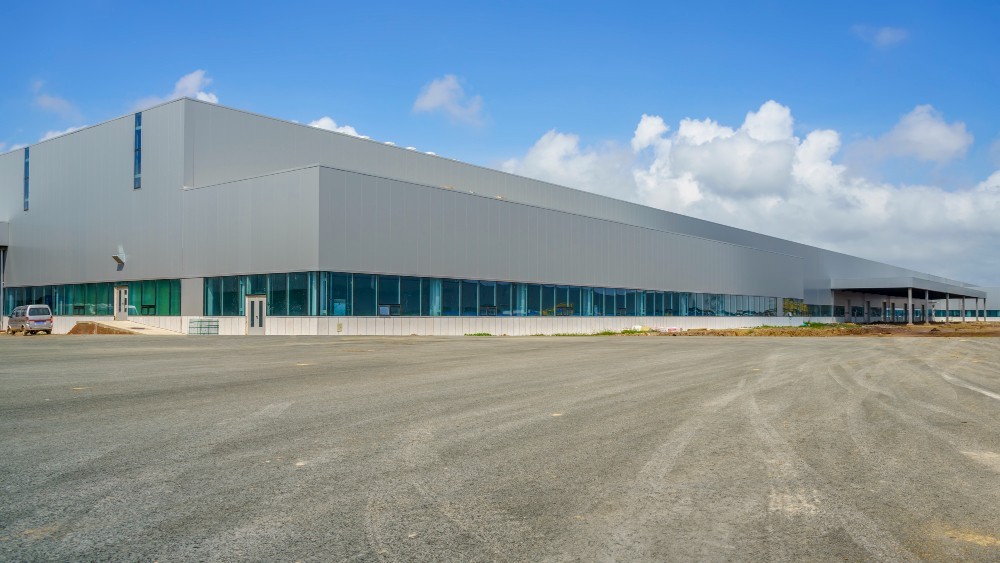
One of the great things about pre-engineered buildings is their versatility, as they can be utilized for a wide range of applications. From manufacturing to warehousing, logistics, and commercial enterprises, these buildings are ideal for a diverse range of industries. In addition to their industrial applications, pre-engineered buildings can also serve other purposes, including office buildings, schools, and medical facilities. Companies that are in need of a building that can adjust to their evolving needs over time often find pre-engineered buildings to be the best option due to their versatility.
Learn the Advantages Of Prefabricated E-Houses Over Concrete Substations
Structural Integrity and Safety
Pre-engineered buildings provide exceptional structural integrity and safety. These structures have been specifically designed and constructed to endure and resist a wide range of environmental elements, such as earthquakes, strong winds, and heavy snow loads. The PEB structure takes into account wind loads, earthquake zones, and data from previous earthquakes in its design and construction process. The weight of the structure is calculated, taking into account these factors. The engineering and quality control during fabrication make sure every part fits perfectly, so there's less chance of mistakes and the building is safe.
Adaptability
In the dynamic business landscape, companies must have flexible structures to meet their evolving needs. With pre-engineered buildings, you have the opportunity to expand by adding extensions or adjusting the interior layout as necessary. PEB's adaptability makes it a preferred choice for businesses expecting growth and expansion in the future.
Want to know more about How Prefabrication Fuelled the World's Fastest Construction Project
Conclusion
The advantages of pre-engineered buildings over traditional construction methods are numerous. These include faster construction times, lower costs, the ability to be customized, increased durability, sustainability, and versatility. Due to their ability to meet the demands of modern construction, these buildings are rapidly emerging as the future of the industry, providing companies with a solution that is both reliable and cost-effective. Be it for industrial or non-industrial purposes, Pressmach offers the best pre-engineered buildings that suit your requirements.
Your Requirements
Related
Blogs
How Prefab Buildings Can Help You Earn Green Building Ratings (IGBC/GRIHA)
How Tensile Roofing Structures Improve Bus Terminal Infrastructure

How Tensile Roofing Structures Reduce Swimming Pool Maintenance
Benefits of Tensile Roofing Structures for Modern Agriculture
How to Maintain Tensile Roofing Structures
Benefits of Tensile Roofing for Industrial Projects

Can Tensile Structures Handle Heavy Rain and Strong Wind Loads
Questions to Ask Before Choosing a Prefabricated Farmhouse Manufacturer
How Long Does it Take to Install a 10,000 sq ft Prefab Warehouse in India?
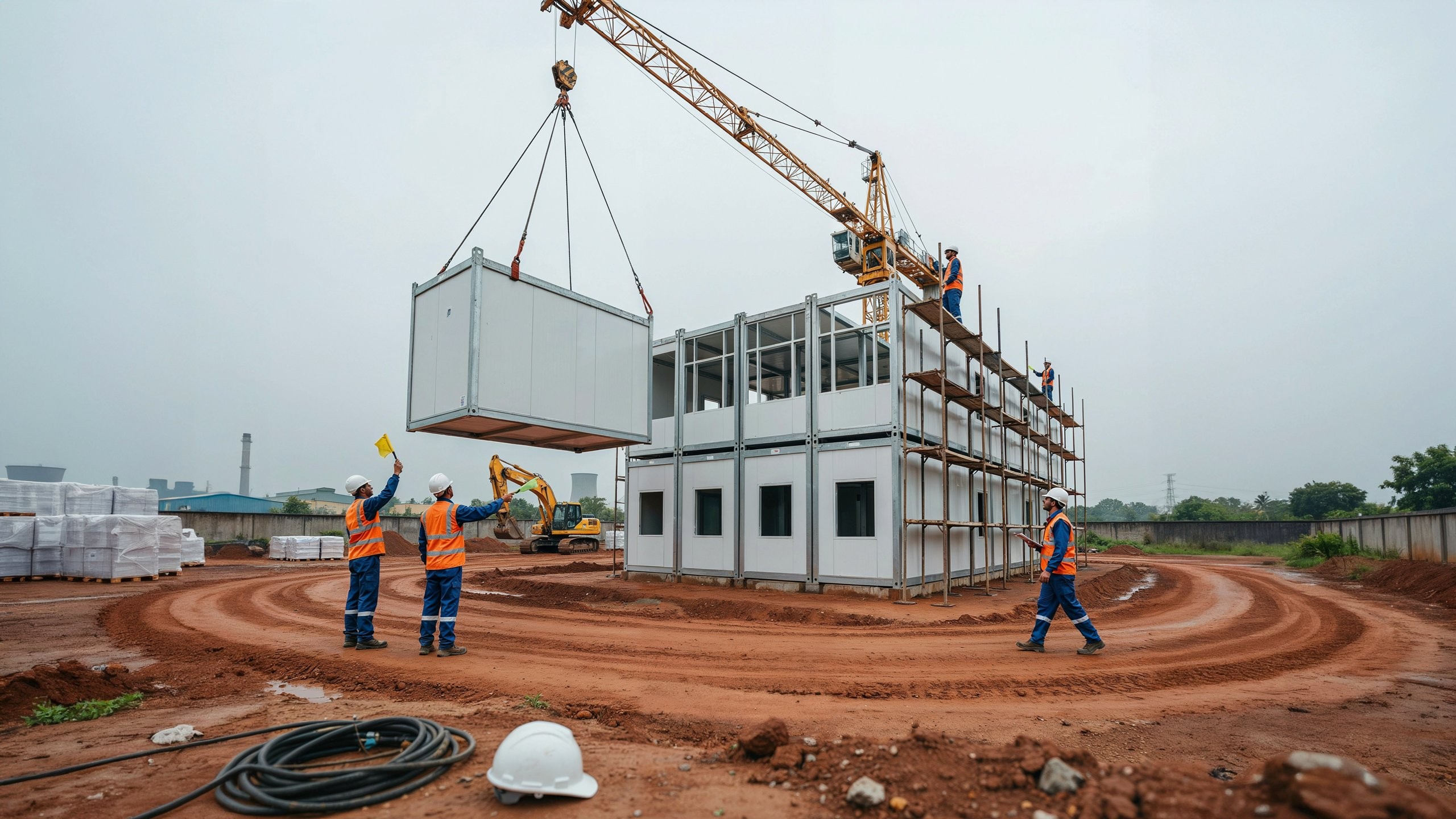
How Pressmach Delivered a 50-Bed Hospital in Just 90 Days
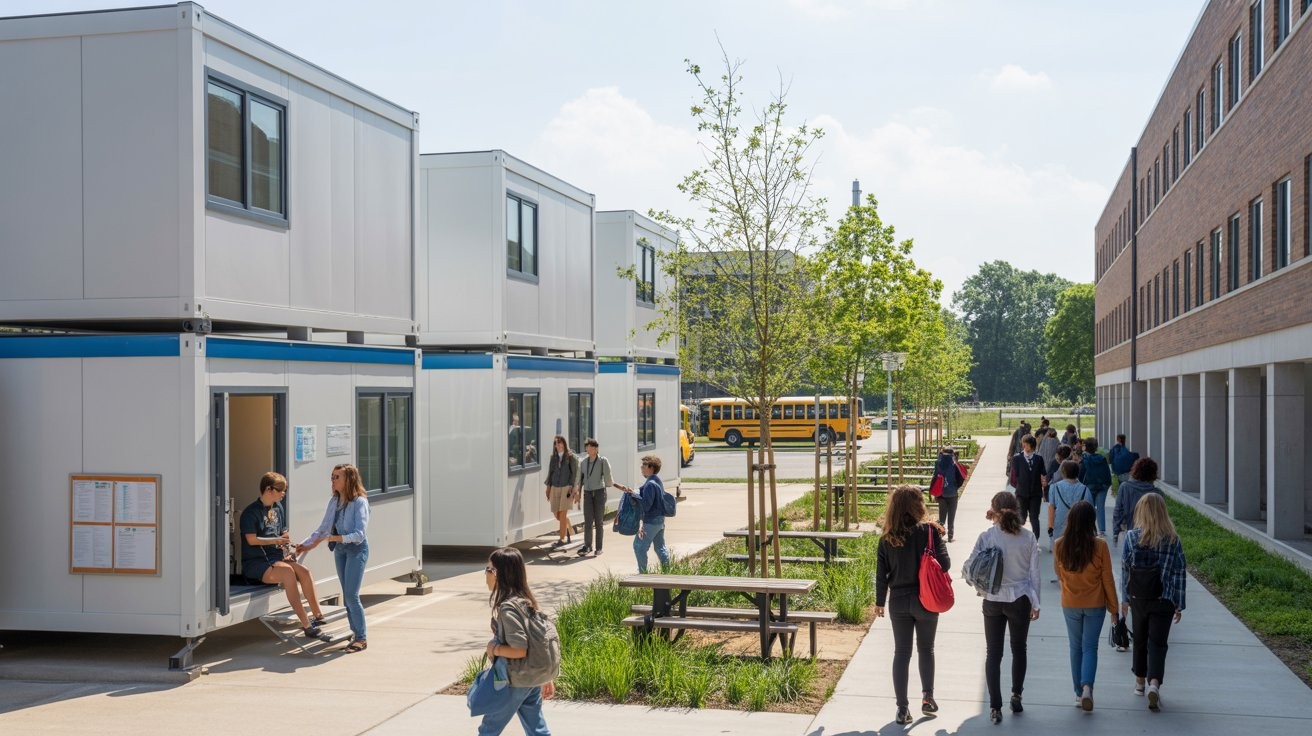
How Educational Institutions Are Using Portable Classrooms to Handle Enrollment Pressure
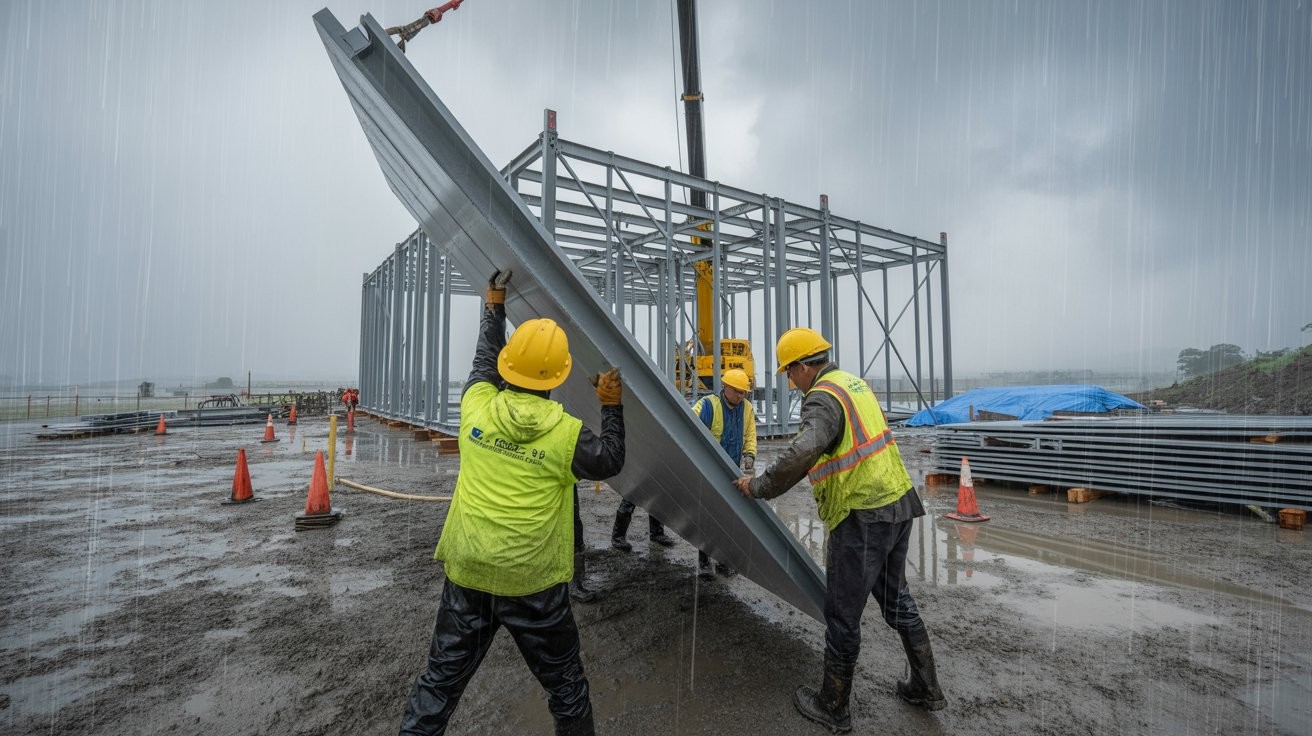
Can a Prefab Structure Be Installed During Monsoon or Do You Have to Wait It Out?
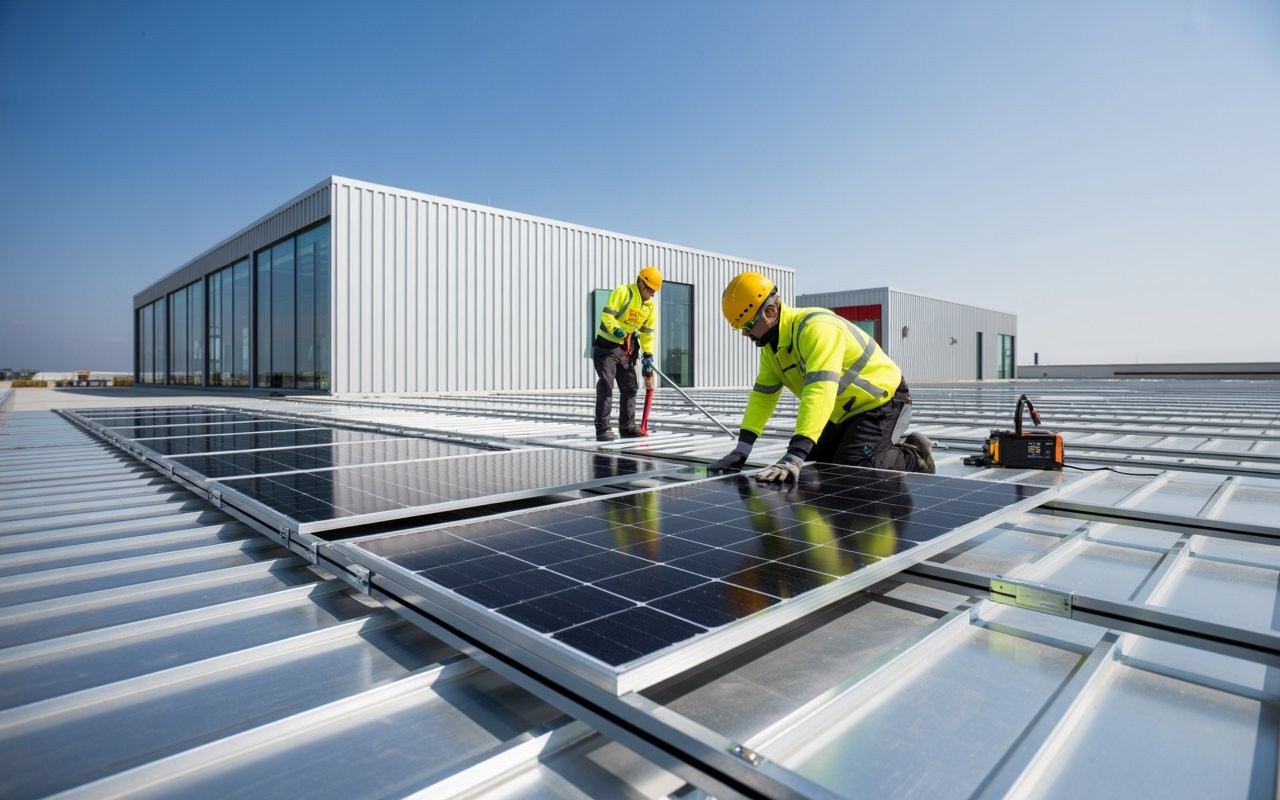
How to Install Solar Panels on Prefabricated Rooftop Structures
Tensile Roofing Structures for Outdoor Storage Yards: What Material Holds up to Indian Weather?

What Makes Prefab Quality Control Rooms Ideal for Manufacturing Facilities?

How Portable Workmen Accommodation Improves Site Productivity
How Prefabricated Buildings Help Reduce Project Delays?
What Are Prefabricated Hospitals and When Are They the Right Choice?

Why Tensile Membrane Structures are the Future of Modern Architecture in India
What Are the Advantages of Prefab Toilets Over Conventional Toilets?
How PUF Panels Improve Cooling Efficiency in Warehouses and Cold Rooms
Why Tensile Roofing Solutions Outshine Traditional Roofing Options
Top Industries that Benefits from Prefabricated Structures
The Rise of Prefabricated Construction in India: Benefits and Challenges
Why You Should Conduct Soil Testing Before Building a Prefab Modular Home
How Pressmach is India's Leading Prefabricated Building Manufacturer
How Tensile Architecture Combines Sustainability with Striking Design
Rising Demand and Future Growth of the Solar Mounting Structures Market
Why Are Prefabricated Site Offices a Smart Choice?
Why Businesses are Turning to PEB Building Construction in 2025

Why PUF Panels Are the Best Choice for Prefabricated Construction

Acoustic Enclosures vs Industrial Enclosures: What’s the Difference and Why It Matters

Solar Panel Orientation and Tilt Angle: How Mounting Structures Play a Role

Rise of Prefabricated Data Centers in India’s Digital Boom

Can Prefabricated Structures Withstand Seismic Shocks?

How LGSF is Revolutionizing Affordable Housing in India

Role of Prefabricated Warehouses in Modern Business Storage Solutions

The Future of AI in Prefabricated Construction

10 Major Advantages of Prefabrication in Modern Construction Projects

Advancements in Prefabricated Materials: What to Expect in 2025
6790c3d8f29a2.jpeg)
The Role of Prefabrication in Disaster Relief and Emergency Housing

Tips for Preparing Your Site for a Prefabricated Structure

Are Modular Prefab Homes Suitable for Extreme Weather Conditions

Uses Of Peb Structure In Residential Spaces

Trends and Innovations in Prefab Commercial Buildings

Top Benefits of Modular Office Space in 2024

Prefabricated Homes vs Traditional Homes

Benefits of Having Modular Prefabricated Cold Storage Solutions

How is Prefab Modernising India’s Ageing Industrial Spaces

How Modular Construction Improves Accessibility in Remote Areas

How to Choose the Right PUF Panels for Your Prefab Building

Types of Pre-engineered Buildings Used in Different Industries

Pre-Monsoon Checklist For PEB Buildings

Uses of Portable Cabins in Disaster Relief

Top Uses for Portable Cabins

Advantages of Portable Security Cabins

Why are Eco-friendly Prefab Homes a Better Choice

Insulation and Passive Technology Benefits of Prefab Modular Buildings

Why is Prefab Construction Greener than RCC Construction

Securing Modular and Prefabricated Buildings: Essential Tips

Benefits of Modular Construction in Healthcare

Factors To Consider Before Buying A Prefabricated Warehouse Building

Benefits of Portable Labour Accommodation Manufacturer

Reasons To Choose Portable Cabins

Myths And Facts About Portable Office Buildings

Innovative Uses Of Modular Buildings
Benefits Of Modular Cleanroom
Advantages Of Pre-Engineered Factory Buildings
65cf4d38697f9.webp)


65cf65f046eed.webp)
64afe3444467b.jpeg)
Importance Of Having Portable Toilets On-Site
Why Prefab Solutions are Ideal For Schools In Rural Areas?
What Is The Difference Between Precast And Prefabricated Buildings?
How LGSF Building Helps In Rapid Construction

Important Things To Look For In a Prefab Company
How Long Does A Prefab Structure Last
 site office front view622f00119ba65.jpg)
9 Benefits Of Choosing Portable On Site Office

Building Materials Used for Modular Construction
6349487807893.jpeg)
Modular Home Construction: Pros and Cons