
Why Tensile Roofing Solutions Outshine Traditional Roofing Options
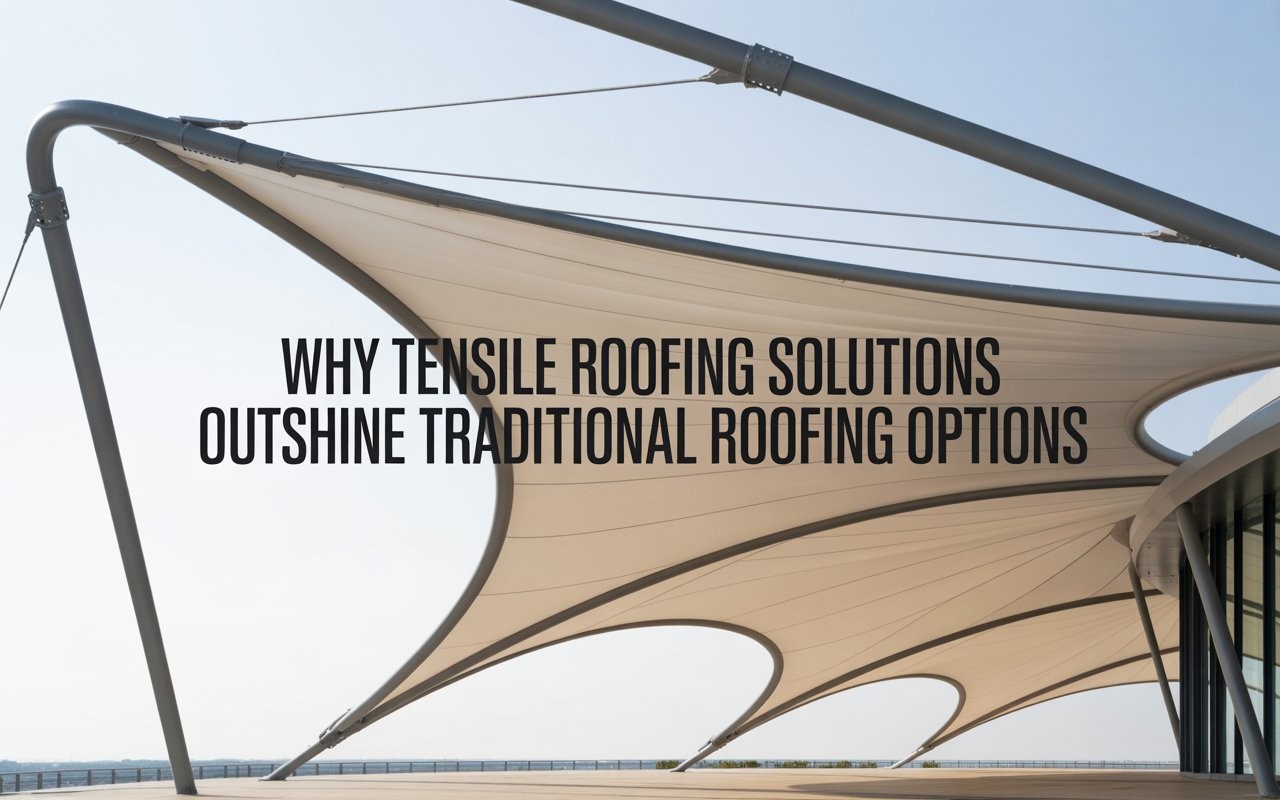
Nowadays, a roof does much more than just provide shelter. It sets the look, decides how useful the space is, affects sustainability, and overall efficiency of a building. While traditional roofs are dependable, they often come with drawbacks like being expensive to maintain, too rigid, and limiting what designers can do. This is why tensile roofing has completely changed the game. It offers a lightweight, tough, and eye-catching option that performs brilliantly everywhere. Whether you're covering a sports stadium, a shopping center, or a simple walkway, tensile roofs blend great engineering with creative freedom. That’s why tensile roofing structures are so popular in construction today.
Understanding Tensile Roofing Solutions
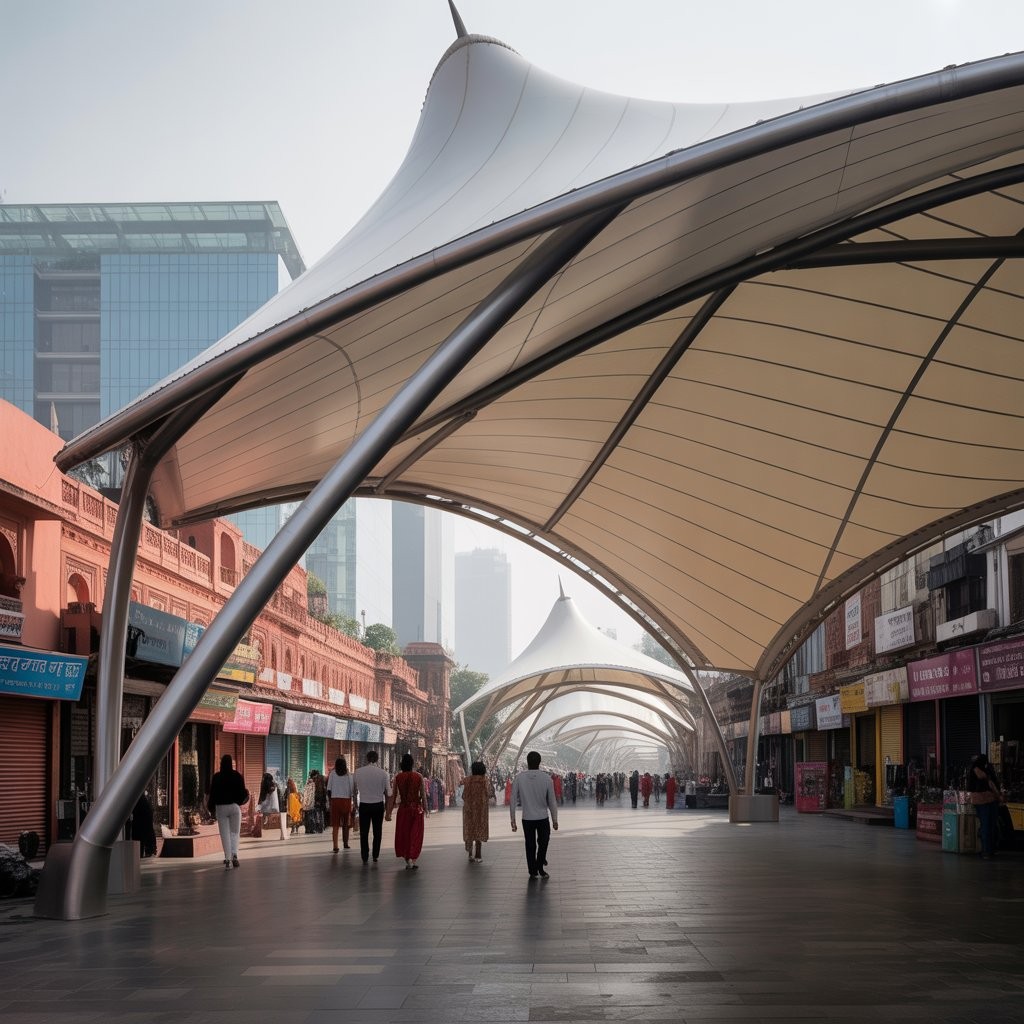
A tensile structure is simply a roof built using a special membrane that is held tightly in position by steel cables. What makes them special is how they handle force: they work best when they are stretched tight (under tension). They are easy to make in advance, can cover huge spaces, and are very flexible.
This building system uses minimal materials because it relies on thin, strong canvases. When these thin canvases are pulled taut by steel cables, they become surfaces that are powerful enough to overcome any forces acting against them.
These structures are essentially lightweight fabric shields, designed specifically to guard buildings against rain, sun, and other weather. The project needs to determine the choice of fabric, which could be PTFE, HDPE, or flexible PVC. The fabric is then pulled tight over metal frames (steel or aluminum) to create protective features that also look great.
Traditional roofing: The Conventional Approach
Traditional roofs use common materials like concrete, metal sheets, tiles, or asphalt shingles, depending on the structure and budget. These roofs are usually heavier and more complex because they require rigid, compressed support structures to remain stable. While traditional roofs have been reliable for decades, they often fall short in modern projects that demand sustainability, quick building times, and innovative design.
Tensile vs Traditional: A Detailed Comparison
| Feature | Tensile Roofs | Traditional Roofs |
| Weight | Uses light materials like fabric membranes and steel frameworks, decreasing the burden on support structures. Perfect for extensive or upgraded projects. | Made from heavy materials like tiles, slate, or concrete, requiring reinforced supports that increase structural demands and costs. |
| Design Flexibility | Can be shaped into unique shapes like curves, cones, and striking arcs. Provide limitless creative opportunities for architects and designers. | Limited to conventional types such as flat, sloped, or gabled roofs, limiting architectural innovation. |
| Installation Efficiency | Prefabricated components allow faster, less labor-intensive installation, minimizing project timelines and costs. | Installation involves multiple layers and complex processes, leading to longer timelines and higher labor requirements. |
| Aesthetic Appeal | Modern, sleek, and visually striking. Improves the architectural character of an area and fosters open, well-lit settings. | Focuses on functionality but often lacks distinctive or eye-catching design features. |
| Maintenance | Needs little maintenance due to strong materials that withstand corrosion and weather effects. | Needs regular inspections, repairs, and occasional replacements due to wear and tear. |
Why Tensile Roofing Outshine Others
Tensile roofs represent a forward-thinking choice that blends appealing design with real-world function. Their lightweight nature allows architects to pursue bold, challenging designs without placing too much stress on the structure below. This is especially useful for covering large, open areas like urban terraces, shopping centers, and sports stadiums. You’ll also find that the speed of installation and the reduced material waste are big advantages, helping to minimize disruption to your schedule and reduce the project's environmental footprint. Additionally, since tensile roofs can be fully customized, companies can design unforgettable environments that effectively highlight their brand identity or mission, enabling them to stand out from competitors.
On the other hand, traditional roofing systems can only offer basic shelter. They often lack the kind of flexibility, smart innovation, and cost-efficiency that modern projects truly need. For those seeking the ideal blend of beauty, functionality, and environmental responsibility, tensile roofs are certainly the right choice.
Check out this blog on: How Tensile Architecture Combines Sustainability with Striking Design
Choose Pressmach: Your Right Tensile Roofing Partner
Pressmach has built a solid reputation for delivering high-quality, innovative tensile roofing. We have years of hands-on experience and strong technical know-how, allowing us to create custom structures that are functional, durable, and visually appealing.
We make sure every project fits the client’s exact needs, achieving the right mix of strong performance and unique design. We only use premium-grade fabrics and tough supporting materials, guaranteeing the structure will be safe and last a long time. Our skilled team of designers and engineers ensures precision from the first idea all the way through installation. With Pressmach, every structure we build is more than just a roof; it’s a modern, sustainable space that’s built to stand the test of time.
Your Requirements
Related
Blogs
How Tensile Roofing Structures Reduce Swimming Pool Maintenance
Benefits of Tensile Roofing Structures for Modern Agriculture
How to Maintain Tensile Roofing Structures
Benefits of Tensile Roofing for Industrial Projects
Can Tensile Structures Handle Heavy Rain and Strong Wind Loads
Questions to Ask Before Choosing a Prefabricated Farmhouse Manufacturer
How Long Does it Take to Install a 10,000 sq ft Prefab Warehouse in India?
How Pressmach Delivered a 50-Bed Hospital in Just 90 Days
How Educational Institutions Are Using Portable Classrooms to Handle Enrollment Pressure
Can a Prefab Structure Be Installed During Monsoon or Do You Have to Wait It Out?
How to Install Solar Panels on Prefabricated Rooftop Structures
Tensile Roofing Structures for Outdoor Storage Yards: What Material Holds up to Indian Weather?

What Makes Prefab Quality Control Rooms Ideal for Manufacturing Facilities?

How Portable Workmen Accommodation Improves Site Productivity
How Prefabricated Buildings Help Reduce Project Delays?
What Are Prefabricated Hospitals and When Are They the Right Choice?
Why Tensile Membrane Structures are the Future of Modern Architecture in India
What Are the Advantages of Prefab Toilets Over Conventional Toilets?
How PUF Panels Improve Cooling Efficiency in Warehouses and Cold Rooms
Top Industries that Benefits from Prefabricated Structures
The Rise of Prefabricated Construction in India: Benefits and Challenges
Why You Should Conduct Soil Testing Before Building a Prefab Modular Home
How Pressmach is India's Leading Prefabricated Building Manufacturer
How Tensile Architecture Combines Sustainability with Striking Design

Rising Demand and Future Growth of the Solar Mounting Structures Market
Why Are Prefabricated Site Offices a Smart Choice?
Why Businesses are Turning to PEB Building Construction in 2025

Why PUF Panels Are the Best Choice for Prefabricated Construction

Acoustic Enclosures vs Industrial Enclosures: What’s the Difference and Why It Matters

Solar Panel Orientation and Tilt Angle: How Mounting Structures Play a Role

Rise of Prefabricated Data Centers in India’s Digital Boom

Can Prefabricated Structures Withstand Seismic Shocks?

How LGSF is Revolutionizing Affordable Housing in India

Role of Prefabricated Warehouses in Modern Business Storage Solutions

The Future of AI in Prefabricated Construction

10 Major Advantages of Prefabrication in Modern Construction Projects

Advancements in Prefabricated Materials: What to Expect in 2025
6790c3d8f29a2.jpeg)
The Role of Prefabrication in Disaster Relief and Emergency Housing

Tips for Preparing Your Site for a Prefabricated Structure

Are Modular Prefab Homes Suitable for Extreme Weather Conditions

Uses Of Peb Structure In Residential Spaces

Trends and Innovations in Prefab Commercial Buildings

Top Benefits of Modular Office Space in 2024

Prefabricated Homes vs Traditional Homes

Benefits of Having Modular Prefabricated Cold Storage Solutions

How is Prefab Modernising India’s Ageing Industrial Spaces

How Modular Construction Improves Accessibility in Remote Areas

How to Choose the Right PUF Panels for Your Prefab Building

Types of Pre-engineered Buildings Used in Different Industries

Pre-Monsoon Checklist For PEB Buildings

Uses of Portable Cabins in Disaster Relief

Top Uses for Portable Cabins

Advantages of Portable Security Cabins

Why are Eco-friendly Prefab Homes a Better Choice

Insulation and Passive Technology Benefits of Prefab Modular Buildings

Why is Prefab Construction Greener than RCC Construction

Securing Modular and Prefabricated Buildings: Essential Tips

Benefits of Modular Construction in Healthcare

Factors To Consider Before Buying A Prefabricated Warehouse Building

Benefits of Portable Labour Accommodation Manufacturer

Reasons To Choose Portable Cabins

Myths And Facts About Portable Office Buildings

Innovative Uses Of Modular Buildings
Benefits Of Modular Cleanroom
Advantages Of Pre-Engineered Factory Buildings
65cf4d38697f9.webp)

65cf65f046eed.webp)
64afe3444467b.jpeg)

Importance Of Having Portable Toilets On-Site
Why Prefab Solutions are Ideal For Schools In Rural Areas?
What Is The Difference Between Precast And Prefabricated Buildings?
How LGSF Building Helps In Rapid Construction

Important Things To Look For In a Prefab Company
How Long Does A Prefab Structure Last
 site office front view622f00119ba65.jpg)
9 Benefits Of Choosing Portable On Site Office

Building Materials Used for Modular Construction
6349487807893.jpeg)
Modular Home Construction: Pros and Cons