
How to Install Solar Panels on Prefabricated Rooftop Structures
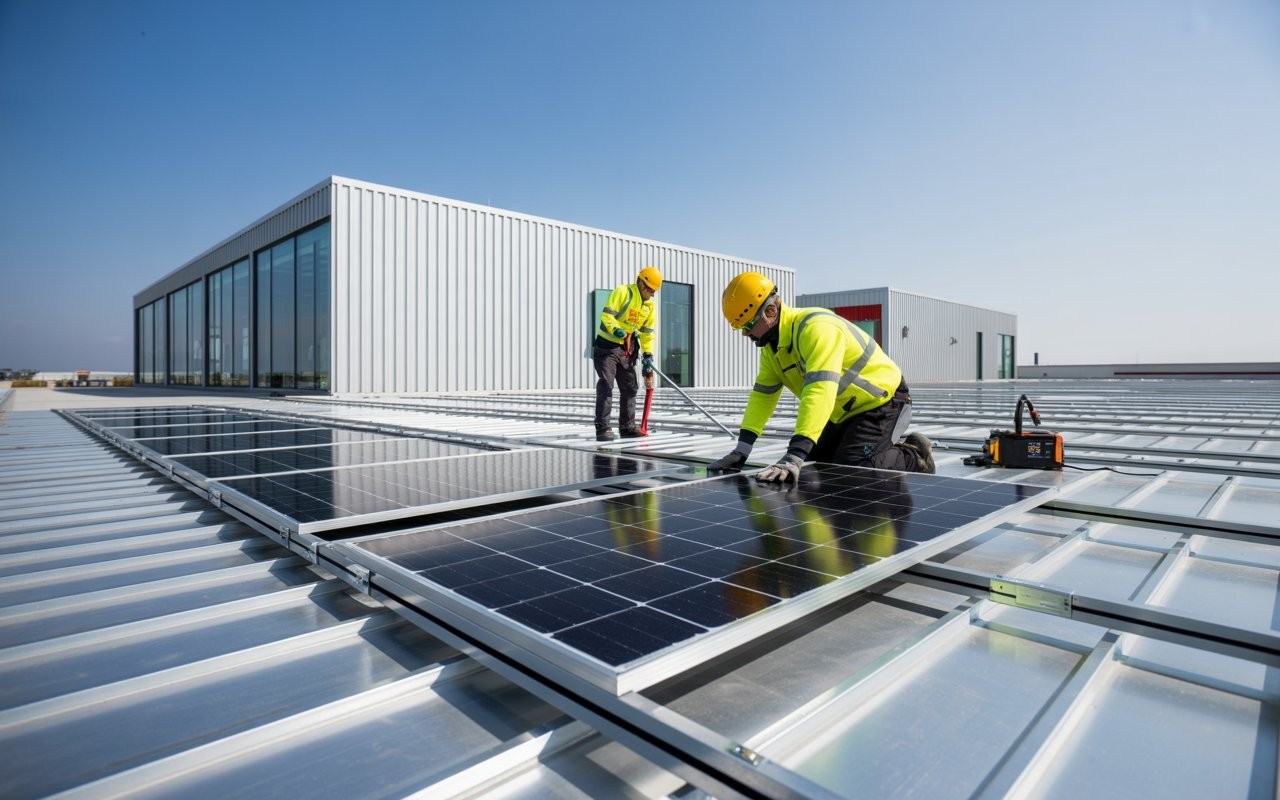
The construction landscape is witnessing a massive shift. As industries and businesses work hard for faster turnaround times and more sustainable footprints, two industries have collided in the most efficient way possible: prefabricated construction and rooftop solar energy.The global modular and prefabricated construction market has seen consistent year-on-year growth, driven by demand for faster, more cost-efficient building solutions. This rapid growth is about building smarter. One of the most significant upgrades a business can make to a prefabricated building today is the integration of solar power. By utilizing the expansive, engineered surfaces of these modern rooftops, companies are turning solar panels into a high-yielding financial asset.
But how do you ensure that a lightweight, modular roof can handle a high-performance solar array for the next 25 years? This guide looks into the technicalities, advantages, and process of installing solar panels on prefabricated structures.
Why Prefabricated Rooftops are Well-Suited for Solar: The Built-in Advantages
There is a common misconception that solar panels require heavy, concrete-slab roofs to be viable. In reality, modern Pre-Engineered Buildings (PEB) and prefabricated rooftops offer structural advantages that traditional masonry often lacks.
Precision Engineering & Load Certainty
In traditional construction, the actual load-bearing capacity of a roof can sometimes vary based on the quality of the mix or the age of the structure. Prefabricated roofs, however, are designed using advanced CAD software. Every panel and purlin is engineered to meet specific wind speeds and dead loads. This means we can calculate exactly how many solar modules your roof can support.
Non-Penetrative Mounting
One of the greatest fears for any building owner is a roof leak. With traditional roofs, you often have to drill holes to secure mounting structures. Prefabricated rooftops, specifically those with standing seam or trapezoidal profiles, allow for clamp-based mounting. These specialized clips grip the roof, providing an incredibly strong attachment point without ever puncturing the weather-tight surface of the building.
Reflectivity and Thermal Efficiency
Most prefab rooftops use Galvalume or high-reflectivity coatings. These surfaces bounce off a significant amount of solar radiation, which keeps the building cooler. For solar panels, this is a secret weapon. Solar PV efficiency actually drops as the panels get hotter. The airflow and lower surface temperature of a metal prefabricated roof help maintain optimal panel performance compared to a heat-absorbing concrete slab. Combining this with the right insulation panels in prefabricated construction takes thermal efficiency even further, reducing heat transfer from both above and below the roofline
Solar Panel Installation Process
Installing solar on a prefab structure is a blend of high-end electrical work and mechanical precision. Following a structured workflow helps prevent issues, protects your investment, and maximizes the energy your system can generate. Here is the professional workflow required to get it right:
- Pre-Installation Site Audit and Shading Analysis: Before ordering any panels, a professional audit must be done. Engineers use 3D modeling tools like PVSyst to evaluate your rooftop and check for shading caused by nearby buildings, water tanks, or parapet walls. This audit also determines the optimal solar panel orientation and tilt angle by factoring in your geographic location, seasonal sun path, and rooftop slope so that the system generates maximum energy throughout the year. For prefabricated structures, engineers additionally verify the spacing of the purlins, which are the horizontal beams that will support the solar array.
- Selecting the Correct Mounting Infrastructure: On prefabricated roofs, you typically choose between rail-less and rail-based systems. Rail-less systems work best for standing seam roofs, while rail-based systems offer a continuous flat surface for the panels.
- Installing the Anchors and Clamps: The first step is to secure the mounting brackets to the roof. On a solar-ready roof, we use EPDM-backed clamps. EPDM is a high-quality synthetic rubber that forms a tight, water-resistant seal, ensuring that no moisture can penetrate the structure, even when fasteners are in place.
- The Electrical Components (DC Cabling): Once the structure is set up, lay out the DC wiring. Use high-quality, UV-resistant solar cables housed in protective conduits. In a prefabricated industrial shed, these conduits are often neatly placed within the building’s internal rafters. This keeps the wiring safe from the elements and out of view.
- Module Placement and Securement: Carefully lift and position the solar modules. Secure them with Mid-Clamps between two panels and End-Clamps at the start and end of a row. It is important to leave small expansion gaps between the panels. Both the metal roof and the aluminum solar frames will expand and contract slightly as the sun moves throughout the day.
- Inverter Commissioning and Grid Connection: The DC power from your roof goes to a solar inverter. This device converts the raw energy into AC power for your office or factory. Once the inverter is installed and net metering, if needed, is arranged with the local DISCOM, your prefab building officially becomes a power plant.
Challenges & How to Overcome Them
Rooftop solar on prefabricated buildings has many benefits, but it also presents several technical challenges. Extreme weather conditions and structural limitations can pose risks. Understanding these issues is essential for safe and lasting installation. Here are some common problems and practical solutions to tackle them:
The Wind Uplift
Because many prefabricated buildings are located in open industrial zones or on high-rise rooftops, wind is a major factor. A solar panel can act like a sail, so if wind gets underneath it, the force can be enough to rip the panel (or even the roof sheet) off. Always ensure the mounting system is rated for local peak wind speeds (typically 150-180 km/h). Installing wind deflectors at the back of the array can also significantly reduce uplift pressure.
Maintenance Access vs. Roof Flexing
Prefabricated roofs are designed for foot traffic only in specific areas. If maintenance staff walk on the flat parts of the roof to clean the panels, the metal can flex and, over time, even crack the solar cells. To prevent this, it's better to install dedicated aluminum walkways or catwalks during the solar installation. This setup allows for safe, easy access for regular cleaning without putting any stress on the roof or the panels.
Galvanic Corrosion
When two different metals, like an aluminum solar rail and a galvanized steel roof, touch each other, a chemical reaction known as galvanic corrosion can happen. This process weakens the metal over time and may threaten the structural integrity of your rooftop system. To avoid this, always use stainless steel fasteners. Also, ensure there is a protective gasket, such as EPDM or a special coating, between any different metals. This creates a long-lasting barrier that resists corrosion.
Why Choose Pressmach for your Prefab Rooftop Solar Project?
Integrating solar into a building is a 25-year commitment. You need a partner who understands the building's unique features. Pressmach has been a leader in the modular industry since 1985. Unlike standard construction firms, we design our prefabricated rooftop structures specifically for solar panels. We account for the extra weight of the PV system during the initial design phase, so you don't have to worry about structural fatigue. Our solar module mounting structures are made from high-strength, corrosion-resistant materials that last as long as the panels. Our use of high-quality PUF panels ensures that your rooftop project is energy-efficient and insulated against the extreme heat in places in Southern India.
Ready to maximize the potential of your rooftop? Whether you are building a new industrial warehouse or looking to retrofit an existing prefabricated structure with solar, Pressmach provides the expertise to make it happen safely and efficiently. Contact our team to start your transition to a smarter rooftop.
Your Requirements
Related
Blogs

How Prefab Buildings Can Help You Earn Green Building Ratings (IGBC/GRIHA)
How Tensile Roofing Structures Improve Bus Terminal Infrastructure

How Tensile Roofing Structures Reduce Swimming Pool Maintenance

Benefits of Tensile Roofing Structures for Modern Agriculture
How to Maintain Tensile Roofing Structures
Benefits of Tensile Roofing for Industrial Projects

Can Tensile Structures Handle Heavy Rain and Strong Wind Loads
Questions to Ask Before Choosing a Prefabricated Farmhouse Manufacturer
How Long Does it Take to Install a 10,000 sq ft Prefab Warehouse in India?
How Pressmach Delivered a 50-Bed Hospital in Just 90 Days
How Educational Institutions Are Using Portable Classrooms to Handle Enrollment Pressure
Can a Prefab Structure Be Installed During Monsoon or Do You Have to Wait It Out?
Tensile Roofing Structures for Outdoor Storage Yards: What Material Holds up to Indian Weather?

What Makes Prefab Quality Control Rooms Ideal for Manufacturing Facilities?

How Portable Workmen Accommodation Improves Site Productivity
How Prefabricated Buildings Help Reduce Project Delays?

What Are Prefabricated Hospitals and When Are They the Right Choice?

Why Tensile Membrane Structures are the Future of Modern Architecture in India
What Are the Advantages of Prefab Toilets Over Conventional Toilets?
How PUF Panels Improve Cooling Efficiency in Warehouses and Cold Rooms
Why Tensile Roofing Solutions Outshine Traditional Roofing Options
Top Industries that Benefits from Prefabricated Structures
The Rise of Prefabricated Construction in India: Benefits and Challenges

Why You Should Conduct Soil Testing Before Building a Prefab Modular Home
How Pressmach is India's Leading Prefabricated Building Manufacturer
How Tensile Architecture Combines Sustainability with Striking Design
Rising Demand and Future Growth of the Solar Mounting Structures Market
Why Are Prefabricated Site Offices a Smart Choice?
Why Businesses are Turning to PEB Building Construction in 2025

Why PUF Panels Are the Best Choice for Prefabricated Construction

Acoustic Enclosures vs Industrial Enclosures: What’s the Difference and Why It Matters

Solar Panel Orientation and Tilt Angle: How Mounting Structures Play a Role

Rise of Prefabricated Data Centers in India’s Digital Boom

Can Prefabricated Structures Withstand Seismic Shocks?

How LGSF is Revolutionizing Affordable Housing in India

Role of Prefabricated Warehouses in Modern Business Storage Solutions

The Future of AI in Prefabricated Construction

10 Major Advantages of Prefabrication in Modern Construction Projects

Advancements in Prefabricated Materials: What to Expect in 2025
6790c3d8f29a2.jpeg)
The Role of Prefabrication in Disaster Relief and Emergency Housing

Tips for Preparing Your Site for a Prefabricated Structure

Are Modular Prefab Homes Suitable for Extreme Weather Conditions

Uses Of Peb Structure In Residential Spaces

Trends and Innovations in Prefab Commercial Buildings

Top Benefits of Modular Office Space in 2024

Prefabricated Homes vs Traditional Homes

Benefits of Having Modular Prefabricated Cold Storage Solutions

How is Prefab Modernising India’s Ageing Industrial Spaces

How Modular Construction Improves Accessibility in Remote Areas

How to Choose the Right PUF Panels for Your Prefab Building

Types of Pre-engineered Buildings Used in Different Industries

Pre-Monsoon Checklist For PEB Buildings

Uses of Portable Cabins in Disaster Relief

Top Uses for Portable Cabins

Advantages of Portable Security Cabins

Why are Eco-friendly Prefab Homes a Better Choice

Insulation and Passive Technology Benefits of Prefab Modular Buildings

Why is Prefab Construction Greener than RCC Construction

Securing Modular and Prefabricated Buildings: Essential Tips

Benefits of Modular Construction in Healthcare

Factors To Consider Before Buying A Prefabricated Warehouse Building

Benefits of Portable Labour Accommodation Manufacturer

Reasons To Choose Portable Cabins

Myths And Facts About Portable Office Buildings

Innovative Uses Of Modular Buildings
Benefits Of Modular Cleanroom
Advantages Of Pre-Engineered Factory Buildings
65cf4d38697f9.webp)


65cf65f046eed.webp)

64afe3444467b.jpeg)

Importance Of Having Portable Toilets On-Site

Why Prefab Solutions are Ideal For Schools In Rural Areas?
What Is The Difference Between Precast And Prefabricated Buildings?
How LGSF Building Helps In Rapid Construction

Important Things To Look For In a Prefab Company
How Long Does A Prefab Structure Last
 site office front view622f00119ba65.jpg)
9 Benefits Of Choosing Portable On Site Office

Building Materials Used for Modular Construction
6349487807893.jpeg)
Modular Home Construction: Pros and Cons