
Questions to Ask Before Choosing a Prefabricated Farmhouse Manufacturer
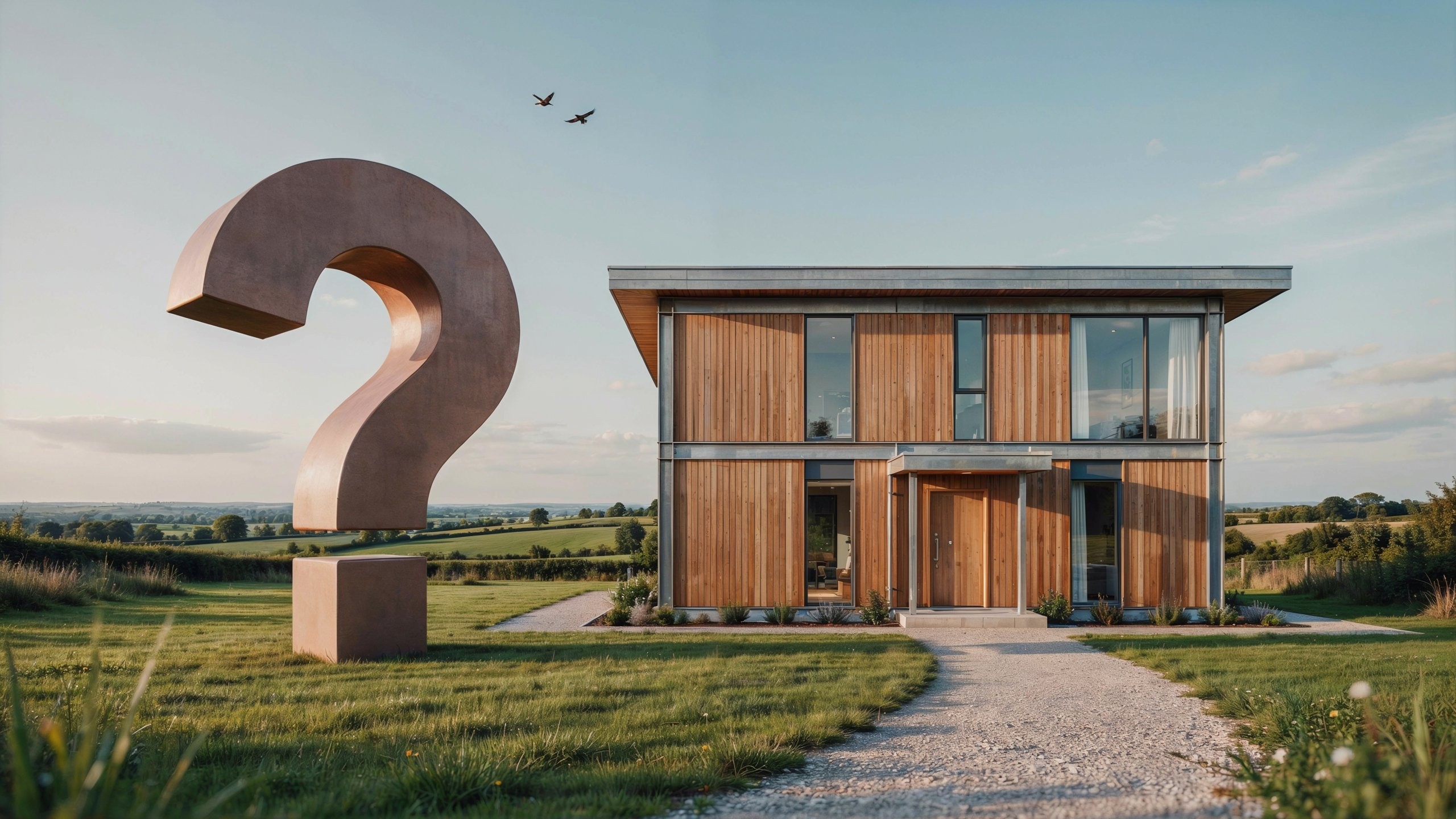
Building a farmhouse is something a lot of people spend years thinking about: a quiet retreat, a working space on agricultural land, or simply a place that's yours. Prefabricated farmhouse structures have become a popular route because they're faster to build, generate less waste, and tend to deliver more consistent results than conventional construction. But the manufacturer you choose matters just as much as the design. Their experience, engineering standards, materials, and how they treat you after handover all shape how your farmhouse holds up over time. Here are the questions worth asking before you commit.
Understand the Manufacturer's Experience Before Anything Else
Not every prefabricated building manufacturer works across the same types of projects. Some focus on industrial structures, others on commercial buildings, and relatively few have real depth in residential and rural farmhouse work. A farmhouse sits in its own category. It needs to be durable, comfortable, and look the part.
When you speak with a manufacturer, ask specifically about their farmhouse experience: how many they've completed, where, and under what conditions. If they can show you finished projects or connect you with past customers, even better. That kind of transparency tells you a lot about how confident they are in their work.
Ask About the Materials Used in the Structure
Materials are where a lot of manufacturers cut corners, and the consequences show up years later in maintenance bills and structural problems. A manufacturer worth working with will be straightforward about what goes into their buildings, such as the structural steel, roofing materials, insulation, wall panels, and protective coatings.
For farmhouse structures, high-strength steel frames and insulated panels are standard for good reason. Most manufacturers use PUF panels for this because of how well they perform on thermal insulation, but it's worth asking which panel type and thickness you're actually getting. They hold up well over time and keep interiors comfortable across seasons. Getting clarity on materials upfront can save you significant money down the line.
Can the Design Be Customised for Your Property?
No two plots of land are the same, and a farmhouse that works on one property won't necessarily suit another. If a manufacturer only offers standard designs from a fixed catalogue, that's worth noting.
Ask whether they can work with your specific land size, landscape, intended use, and any plans you might have for the future. A design that's actually tailored to your property will serve you far better over the long term.
How Will the Structure Perform in Indian Weather?
India's climate is genuinely varied. What works in Chennai doesn't automatically work in Delhi. Heavy monsoon rains, intense summer heat, high humidity, and regional wind patterns all place real demands on a building.
Don't settle for vague reassurances. Ask specifically how the structure is engineered for your location. What insulation system is used, whether materials are corrosion-resistant, how drainage is handled, and whether the structural design accounts for local wind loads. These aren't minor details; they determine how comfortable and durable the building actually is. If you're building in a monsoon-heavy or seismically active region, it's worth reading up on how prefab structures handle these specific conditions before you finalise a manufacturer.
What Exactly Does the Quotation Include?
Budget overruns on construction projects are often traced back to one thing: buyers comparing headline prices without understanding what's actually covered. Before you draw any conclusions about cost, ask for a detailed breakdown.
Does the price include transportation to your site? Installation? Foundation work? Doors, windows, roofing, insulation, electrical provisions, finishing? Each of these can add up significantly if they're not included. A clear, itemised quotation lets you compare manufacturers on equal terms and removes the risk of nasty surprises mid-project.
How Long Will the Entire Project Take?
Speed is one of the genuine advantages of prefabricated construction, but "faster than conventional building" covers a lot of ground. Manufacturing lead times, transportation, site preparation, and installation all feed into the final timeline.
Rather than just asking when the project will be done, ask for a phase-by-phase schedule. Knowing when each stage is expected to start and finish lets you plan properly and gives you something to hold the manufacturer accountable for if things start slipping. For a sense of how these phases actually play out on a real project, our breakdown of a 10,000 sq ft warehouse installation walks through each stage from manufacturing to final handover.
Who Will Install the Structure?
Even a well-built structure can underperform if it's put together incorrectly. Ask whether installation is handled by the manufacturer's own trained team or handed off to external contractors.
Manufacturers who manage installation themselves tend to maintain tighter quality control throughout the process. When the same team that built the components is overseeing how they go together, problems are caught and corrected before handover rather than after.
What Kind of Warranty and Support Can You Expect?
Signing off on a completed farmhouse shouldn't be where your relationship with the manufacturer ends. Ask what structural warranties are offered, how maintenance support works, whether replacement components are available, and who to contact if something needs attention after handover.
A manufacturer that stands behind their work beyond project completion is one that's genuinely confident in what they've built and one you're far more likely to be satisfied working with.
Can the Farmhouse Be Expanded Later?
Many people start with a modest farmhouse and find themselves wanting more space a few years down the line: an extra room, additional storage, a covered outdoor area. It's worth having this conversation at the design stage rather than after the building is up.
Prefabricated structures can often be designed with future modifications in mind, which makes expansion considerably more straightforward than with traditional construction. If growth is even a possibility for you, make sure the design accounts for it from the start.
Does the Manufacturer Follow Quality Control Standards?
By the time a prefabricated building arrives at your site, most of the quality decisions have already been made. Ask how components are manufactured, what inspection processes are in place, and how finished sections are tested before leaving the facility.
Manufacturers with well-organised production facilities tend to deliver more consistent results. Structured quality control during manufacturing means fewer issues on site and better long-term structural performance.
Pressmach – Prefabricated Farm House Structure Manufacturers
Finding a prefabricated farmhouse manufacturer is not just about finding the lowest price. It’s about finding a team that has the experience, the materials and the processes to deliver something that will actually last. The difference between a good investment and a bad one is in the questions you ask before you start work.
At Pressmach, we build prefabricated farmhouse structures using precision-engineered steel frameworks, quality insulated panel systems and designs developed for Indian conditions. From the initial planning and design stages to manufacturing and installation, we work closely with customers to produce farmhouses that are durable, functional and designed to sit on the land. Reach out to us to discuss your prefabricated structure needs.
Your Requirements
Related
Blogs
How Prefab Buildings Can Help You Earn Green Building Ratings (IGBC/GRIHA)
How Tensile Roofing Structures Improve Bus Terminal Infrastructure
How Tensile Roofing Structures Reduce Swimming Pool Maintenance
Benefits of Tensile Roofing Structures for Modern Agriculture
How to Maintain Tensile Roofing Structures
Benefits of Tensile Roofing for Industrial Projects

Can Tensile Structures Handle Heavy Rain and Strong Wind Loads
How Long Does it Take to Install a 10,000 sq ft Prefab Warehouse in India?
How Pressmach Delivered a 50-Bed Hospital in Just 90 Days
How Educational Institutions Are Using Portable Classrooms to Handle Enrollment Pressure
Can a Prefab Structure Be Installed During Monsoon or Do You Have to Wait It Out?
How to Install Solar Panels on Prefabricated Rooftop Structures
Tensile Roofing Structures for Outdoor Storage Yards: What Material Holds up to Indian Weather?

What Makes Prefab Quality Control Rooms Ideal for Manufacturing Facilities?

How Portable Workmen Accommodation Improves Site Productivity
How Prefabricated Buildings Help Reduce Project Delays?
What Are Prefabricated Hospitals and When Are They the Right Choice?

Why Tensile Membrane Structures are the Future of Modern Architecture in India
What Are the Advantages of Prefab Toilets Over Conventional Toilets?
How PUF Panels Improve Cooling Efficiency in Warehouses and Cold Rooms
Why Tensile Roofing Solutions Outshine Traditional Roofing Options
Top Industries that Benefits from Prefabricated Structures
The Rise of Prefabricated Construction in India: Benefits and Challenges
Why You Should Conduct Soil Testing Before Building a Prefab Modular Home
How Pressmach is India's Leading Prefabricated Building Manufacturer
How Tensile Architecture Combines Sustainability with Striking Design
Rising Demand and Future Growth of the Solar Mounting Structures Market
Why Are Prefabricated Site Offices a Smart Choice?
Why Businesses are Turning to PEB Building Construction in 2025

Why PUF Panels Are the Best Choice for Prefabricated Construction

Acoustic Enclosures vs Industrial Enclosures: What’s the Difference and Why It Matters

Solar Panel Orientation and Tilt Angle: How Mounting Structures Play a Role

Rise of Prefabricated Data Centers in India’s Digital Boom

Can Prefabricated Structures Withstand Seismic Shocks?

How LGSF is Revolutionizing Affordable Housing in India

Role of Prefabricated Warehouses in Modern Business Storage Solutions

The Future of AI in Prefabricated Construction

10 Major Advantages of Prefabrication in Modern Construction Projects

Advancements in Prefabricated Materials: What to Expect in 2025
6790c3d8f29a2.jpeg)
The Role of Prefabrication in Disaster Relief and Emergency Housing

Tips for Preparing Your Site for a Prefabricated Structure

Are Modular Prefab Homes Suitable for Extreme Weather Conditions

Uses Of Peb Structure In Residential Spaces

Trends and Innovations in Prefab Commercial Buildings

Top Benefits of Modular Office Space in 2024

Prefabricated Homes vs Traditional Homes

Benefits of Having Modular Prefabricated Cold Storage Solutions

How is Prefab Modernising India’s Ageing Industrial Spaces

How Modular Construction Improves Accessibility in Remote Areas

How to Choose the Right PUF Panels for Your Prefab Building

Types of Pre-engineered Buildings Used in Different Industries

Pre-Monsoon Checklist For PEB Buildings

Uses of Portable Cabins in Disaster Relief

Top Uses for Portable Cabins

Advantages of Portable Security Cabins

Why are Eco-friendly Prefab Homes a Better Choice

Insulation and Passive Technology Benefits of Prefab Modular Buildings

Why is Prefab Construction Greener than RCC Construction

Securing Modular and Prefabricated Buildings: Essential Tips

Benefits of Modular Construction in Healthcare

Factors To Consider Before Buying A Prefabricated Warehouse Building

Benefits of Portable Labour Accommodation Manufacturer

Reasons To Choose Portable Cabins

Myths And Facts About Portable Office Buildings

Innovative Uses Of Modular Buildings
Benefits Of Modular Cleanroom
Advantages Of Pre-Engineered Factory Buildings
65cf4d38697f9.webp)

65cf65f046eed.webp)
64afe3444467b.jpeg)
Importance Of Having Portable Toilets On-Site
Why Prefab Solutions are Ideal For Schools In Rural Areas?
What Is The Difference Between Precast And Prefabricated Buildings?

How LGSF Building Helps In Rapid Construction

Important Things To Look For In a Prefab Company
How Long Does A Prefab Structure Last
 site office front view622f00119ba65.jpg)
9 Benefits Of Choosing Portable On Site Office

Building Materials Used for Modular Construction
6349487807893.jpeg)
Modular Home Construction: Pros and Cons