
Can Tensile Structures Handle Heavy Rain and Strong Wind Loads
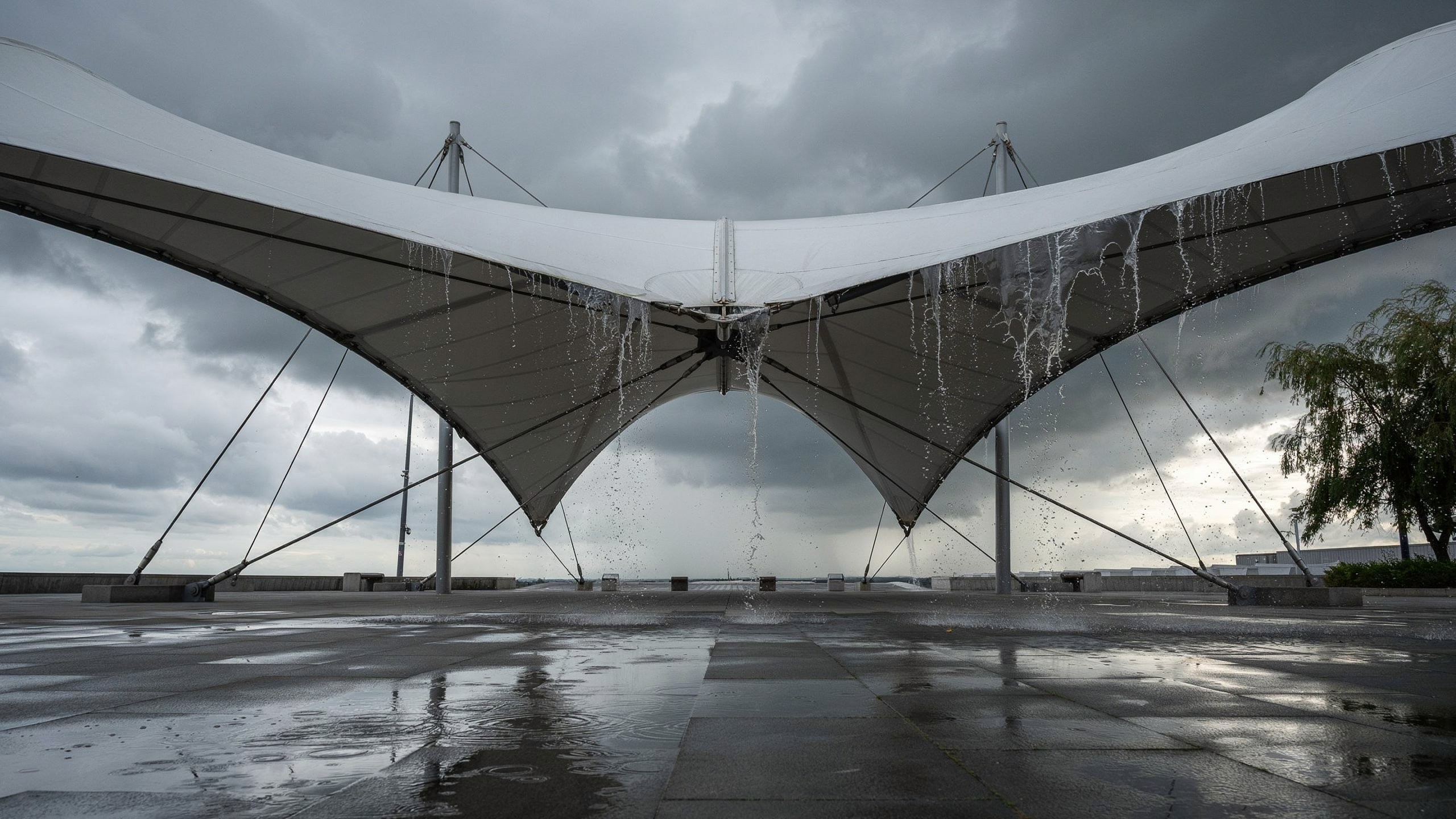
Tensile structures have become a common sight across India. Warehouses, sports venues, parking areas, transport hubs, commercial complexes, and public spaces all make use of them. The ability to cover large areas with minimal structural support makes them a practical alternative to conventional roofing. But given how varied India's climate is, a reasonable question comes up regularly: can these structures actually hold up against heavy monsoon rain, strong winds, and the general punishment the weather delivers throughout the year?
The honest answer is that it comes down to engineering, not just materials. A tensile structure designed around actual site conditions, using location-specific wind and rainfall data, quality membrane materials, and proper installation, can perform reliably through genuinely harsh weather. The combination of flexibility, structural efficiency, and modern materials gives well-designed tensile roofs an edge that traditional rigid systems often don't have.
How Tensile Structures Withstand Harsh Weather
Conventional roofs are rigid in order to resist environmental loads. Tensile structures function differently, spreading these loads over a network of high-strength membranes, steel frames, tension cables and anchor points all working together, rather than individually.
The membrane is tensioned to a predetermined level. By tensioning the membrane, loads from wind and rain are spread over the whole membrane rather than concentrating at weaknesses. This distribution is what keeps the structure from deforming under pressure.
Flexibility plays a greater role than most people expect. Rather than fighting every gust with rigid resistance, tensile membranes are designed to move slightly when the wind picks up. That controlled movement absorbs energy and reduces the amount transferred to the steel framework beneath. Aerodynamic roof shapes take this further, allowing wind to pass smoothly over the surface and reducing the uplift forces that cause so many problems with flat roofs.
Good tensile structures are also built from detailed structural analysis that accounts for local rainfall, regional wind speeds, site elevation, surrounding buildings, and ground conditions. That project-specific approach is what separates a structure that holds up from one that doesn't.
How Much Wind Load Can a Tensile Structure Actually Withstand
India's wind conditions range from seasonal inland storms to full cyclonic weather along the coast. There's no single wind resistance figure that applies to every tensile structure; it's always site-specific.
Engineers work through a combination of factors: the site's wind zone classification, building height, roof shape, span length, membrane tension, steel design, foundation strength, and anchoring. Each of these affects how the structure handles horizontal pressure, uplift, and lateral movement during high winds.
Roof geometry is more important than most people realise. Curved and sloped profiles enable the wind to move smoothly over the membrane, preventing the build-up of pressure underneath and relieving the stress on both fabric and steel.
For coastal and cyclone-prone locations, the engineering response is generally to have stronger structural members, additional cable reinforcement, and a more robust foundation system. It's a tailored approach rather than a standard template, which is exactly what challenging sites require.
What Happens to Tensile Structures During Heavy Rainfall
Monsoon season puts any roof to the test. Tensile structures handle heavy rainfall primarily through their geometry, where curved and inclined membranes help move water quickly toward drainage points rather than letting it sit and pool.
Water ponding is a real problem for roofing systems because it adds load and accelerates material deterioration. The combination of the right roof profile and properly maintained membrane tension keeps water moving off the surface consistently, even during extended periods of heavy rain.
This is more important than you might think; the membrane materials themselves do not absorb moisture. Fabric that absorbs water deteriorates over time and is prone to mildew and fungus. Quality tensile membranes can take all of this and keep on performing season after season of rain.
Engineers in areas that receive particularly heavy monsoon rains often design for improved drainage and structural reinforcements to manage higher amounts of water, another example of why site-specific design is important.
Best Materials for Weatherproof Tensile Designs
The membrane material has a direct bearing on how a tensile structure performs over time. Different projects call for different materials depending on the environment, intended lifespan, and budget.
PVC-Coated Polyester
This is the most commonly used tensile membrane material in India, and for good reason. It balances durability, flexibility, weather resistance, and cost in a way that's suitable for a wide range of applications, including outdoor storage yard installations where sustained monsoon and heat exposure make material choice especially critical.
PVC-coated polyester is an excellent option for parking shelters, walkways, commercial canopies, industrial roofing and agricultural applications. It is resistant to moisture, UV exposure, dirt and fungal growth and is relatively maintenance-free.
PTFE-Coated Fibreglass
When a project needs to last decades and perform in demanding conditions, PTFE-coated fibreglass is typically the material of choice. It has excellent UV resistance, high temperature tolerance, strong chemical resistance and a long operational life span with little maintenance.
These are exactly the reasons why airports, stadiums, exhibition halls, and large industrial facilities tend to prefer PTFE membranes.
ETFE Membrane
ETFE is a fluoropolymer film that's lightweight, highly transparent, and genuinely durable. It lets natural daylight through while keeping rain and UV radiation out. This combination works particularly well for sports complexes, shopping malls, atriums, airports, and architectural projects where light transmission matters.
Installation requires specialist expertise, but the long-term performance across varying climatic conditions makes it a worthwhile consideration for the right applications. The right material for any given project depends on location, expected weather exposure, maintenance capacity, and how the space will be used.
Maintenance Makes a Difference
Tensile structures are built to last, but that lifespan depends on consistent maintenance. Routine inspections catch small issues before they develop into expensive ones, and the cost of preventive maintenance is a fraction of what repairs or premature replacement would run to.
A standard inspection covers the membrane for signs of wear, cable tension, steel connections, accumulated dirt and debris, and drainage systems. After severe storms or unusually strong winds, a prompt inspection is particularly necessary as any adjustments or repairs needed can be dealt with before they escalate. Beyond structural performance, regular maintenance also keeps the membrane looking the way it should. Tensile structures are often chosen in part for their visual appeal, and that's worth protecting.
Pressmach – Reliable Tensile Structures Manufacturers in India
Whether a tensile structure can handle heavy rain and strong winds isn't really a question about fabric; it's a question about how well the whole system was designed, fabricated, and installed. The membrane, steel framework, anchoring, drainage, and engineering all contribute to how the structure holds up over its service life.
Pressmach designs and manufactures tensile structures for industrial, commercial, agricultural, and public infrastructure projects throughout India. Every project starts with a proper evaluation of site conditions, local climate, and functional requirements, because a structure designed around the actual environment it will face is the only kind worth building.
With quality-tested membranes, strong steel frameworks and sound engineering practice, Pressmach offers tensile roofing systems that combine structural strength, weather resistance and visual appeal. Each structure is designed to do its job with reliability, whether the challenge is monsoon rainfall, high wind speeds or years of sun exposure.
Your Requirements
Related
Blogs

How Prefab Buildings Can Help You Earn Green Building Ratings (IGBC/GRIHA)
How Tensile Roofing Structures Improve Bus Terminal Infrastructure
How Tensile Roofing Structures Reduce Swimming Pool Maintenance
Benefits of Tensile Roofing Structures for Modern Agriculture
How to Maintain Tensile Roofing Structures
Benefits of Tensile Roofing for Industrial Projects
Questions to Ask Before Choosing a Prefabricated Farmhouse Manufacturer
How Long Does it Take to Install a 10,000 sq ft Prefab Warehouse in India?
How Pressmach Delivered a 50-Bed Hospital in Just 90 Days
How Educational Institutions Are Using Portable Classrooms to Handle Enrollment Pressure
Can a Prefab Structure Be Installed During Monsoon or Do You Have to Wait It Out?
How to Install Solar Panels on Prefabricated Rooftop Structures
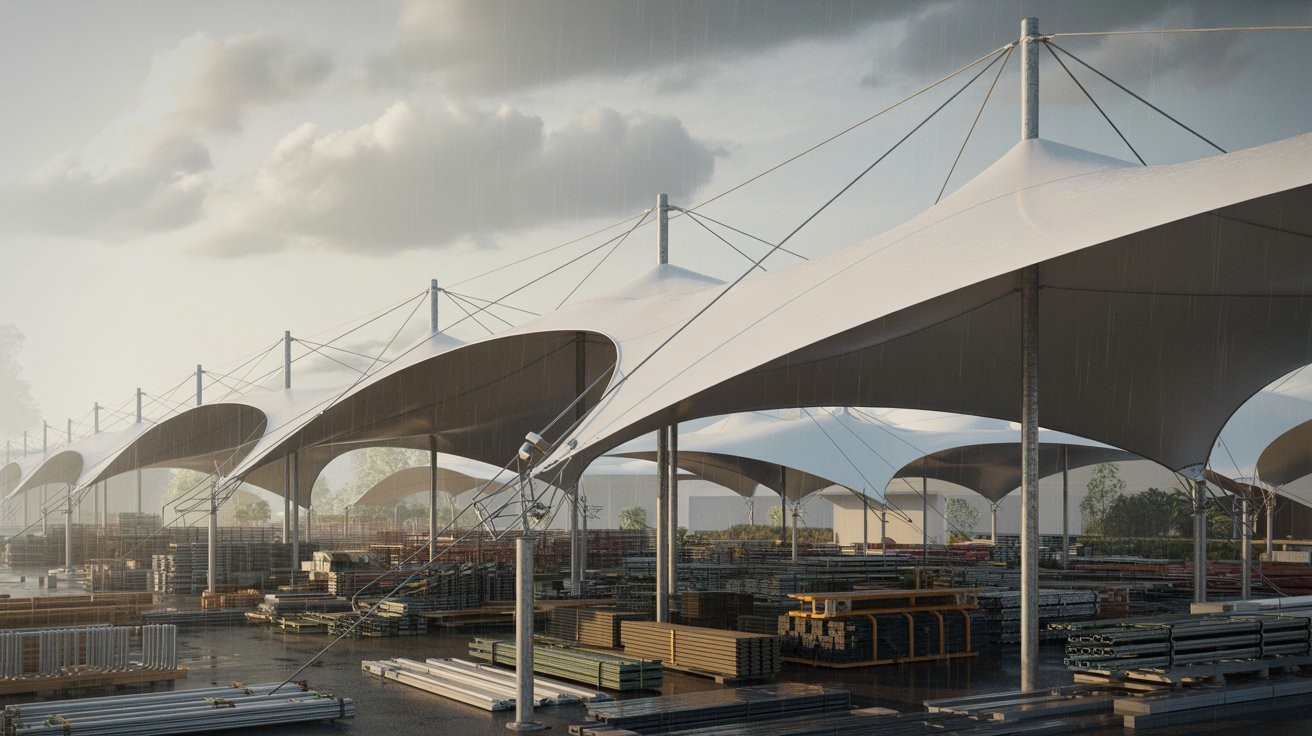
Tensile Roofing Structures for Outdoor Storage Yards: What Material Holds up to Indian Weather?

What Makes Prefab Quality Control Rooms Ideal for Manufacturing Facilities?

How Portable Workmen Accommodation Improves Site Productivity
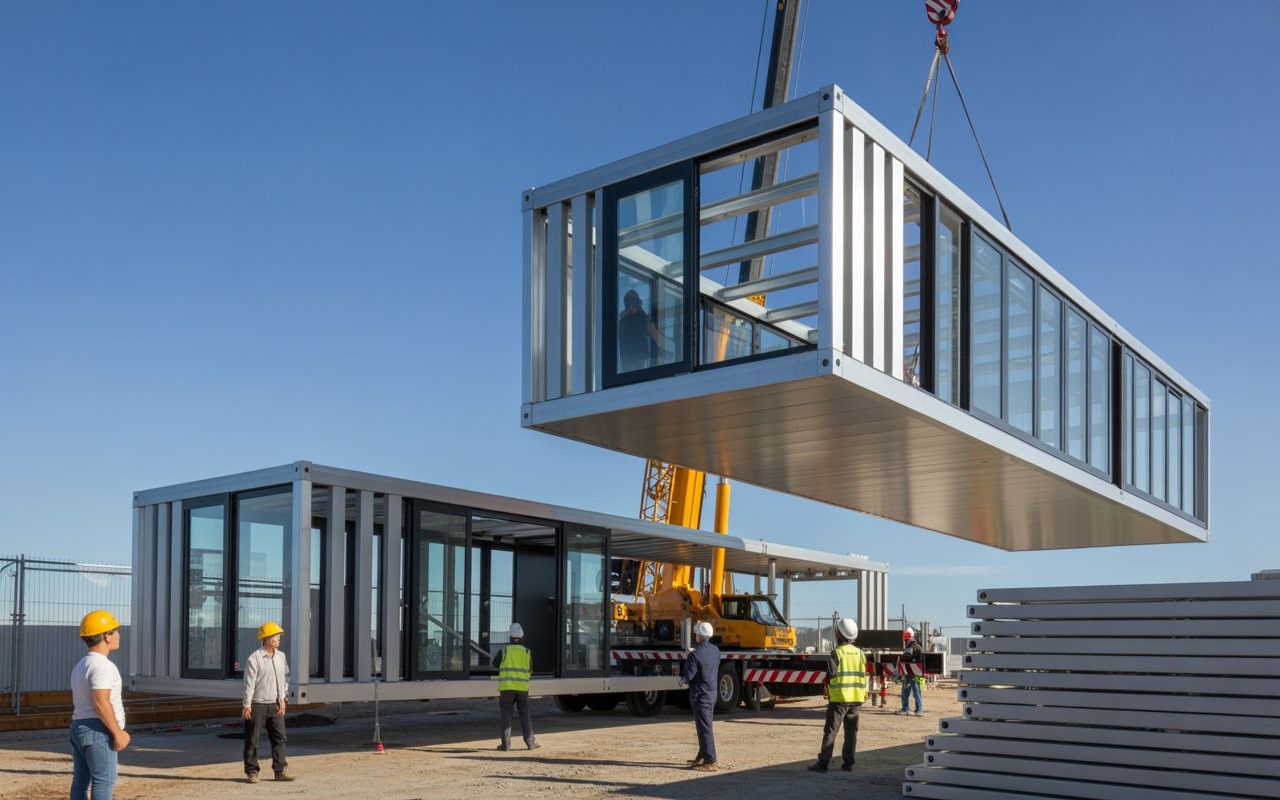
How Prefabricated Buildings Help Reduce Project Delays?
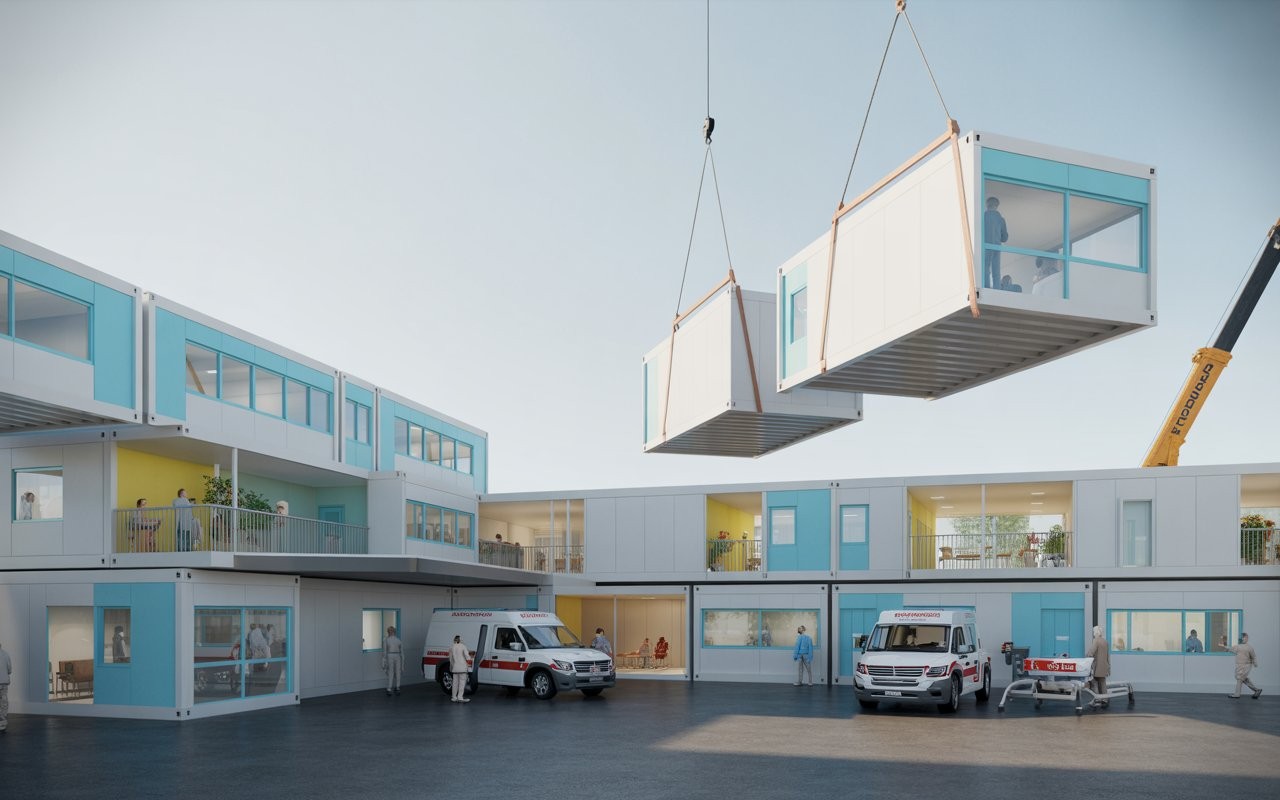
What Are Prefabricated Hospitals and When Are They the Right Choice?
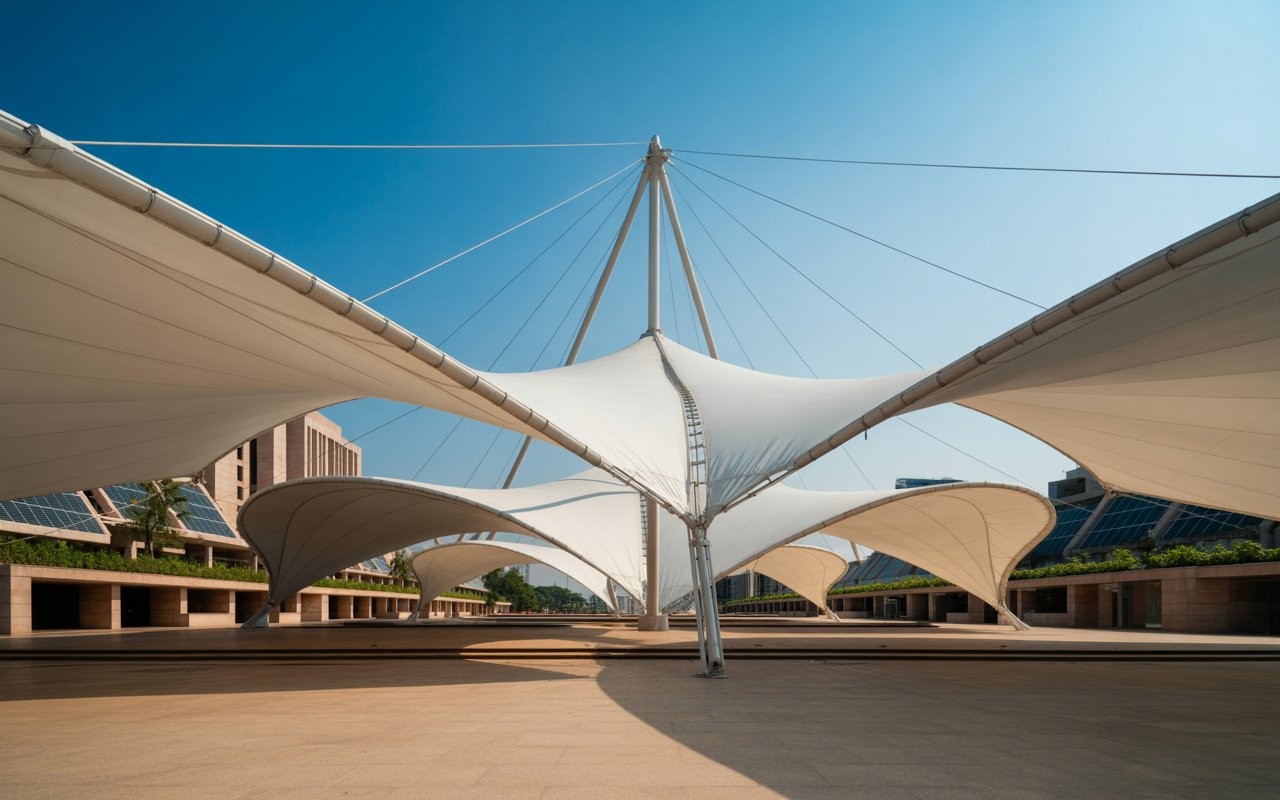
Why Tensile Membrane Structures are the Future of Modern Architecture in India
What Are the Advantages of Prefab Toilets Over Conventional Toilets?
How PUF Panels Improve Cooling Efficiency in Warehouses and Cold Rooms
Why Tensile Roofing Solutions Outshine Traditional Roofing Options
Top Industries that Benefits from Prefabricated Structures
The Rise of Prefabricated Construction in India: Benefits and Challenges
Why You Should Conduct Soil Testing Before Building a Prefab Modular Home
How Pressmach is India's Leading Prefabricated Building Manufacturer
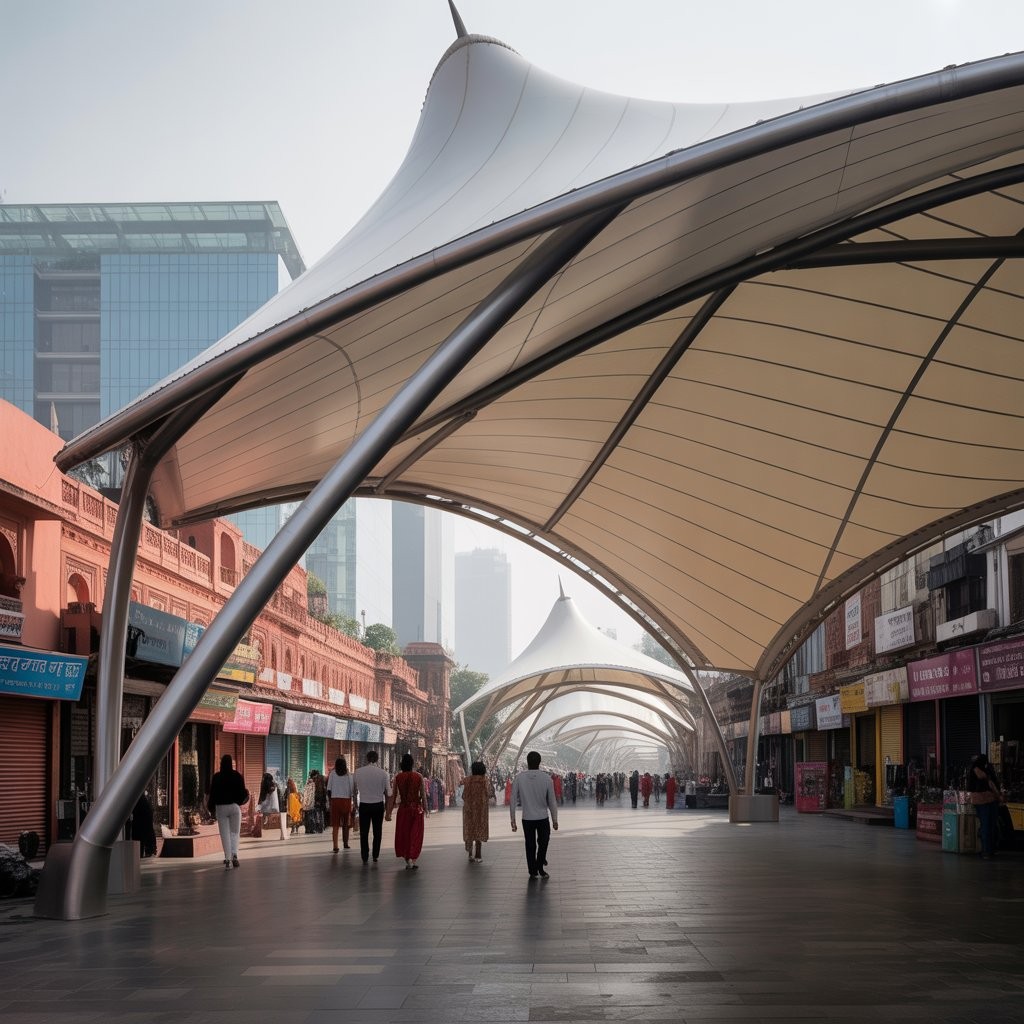
How Tensile Architecture Combines Sustainability with Striking Design

Rising Demand and Future Growth of the Solar Mounting Structures Market
Why Are Prefabricated Site Offices a Smart Choice?
Why Businesses are Turning to PEB Building Construction in 2025

Why PUF Panels Are the Best Choice for Prefabricated Construction

Acoustic Enclosures vs Industrial Enclosures: What’s the Difference and Why It Matters

Solar Panel Orientation and Tilt Angle: How Mounting Structures Play a Role

Rise of Prefabricated Data Centers in India’s Digital Boom

Can Prefabricated Structures Withstand Seismic Shocks?

How LGSF is Revolutionizing Affordable Housing in India

Role of Prefabricated Warehouses in Modern Business Storage Solutions

The Future of AI in Prefabricated Construction

10 Major Advantages of Prefabrication in Modern Construction Projects

Advancements in Prefabricated Materials: What to Expect in 2025
6790c3d8f29a2.jpeg)
The Role of Prefabrication in Disaster Relief and Emergency Housing

Tips for Preparing Your Site for a Prefabricated Structure

Are Modular Prefab Homes Suitable for Extreme Weather Conditions

Uses Of Peb Structure In Residential Spaces

Trends and Innovations in Prefab Commercial Buildings

Top Benefits of Modular Office Space in 2024

Prefabricated Homes vs Traditional Homes

Benefits of Having Modular Prefabricated Cold Storage Solutions

How is Prefab Modernising India’s Ageing Industrial Spaces

How Modular Construction Improves Accessibility in Remote Areas

How to Choose the Right PUF Panels for Your Prefab Building

Types of Pre-engineered Buildings Used in Different Industries

Pre-Monsoon Checklist For PEB Buildings

Uses of Portable Cabins in Disaster Relief

Top Uses for Portable Cabins

Advantages of Portable Security Cabins

Why are Eco-friendly Prefab Homes a Better Choice

Insulation and Passive Technology Benefits of Prefab Modular Buildings

Why is Prefab Construction Greener than RCC Construction

Securing Modular and Prefabricated Buildings: Essential Tips

Benefits of Modular Construction in Healthcare

Factors To Consider Before Buying A Prefabricated Warehouse Building

Benefits of Portable Labour Accommodation Manufacturer

Reasons To Choose Portable Cabins

Myths And Facts About Portable Office Buildings

Innovative Uses Of Modular Buildings
Benefits Of Modular Cleanroom
Advantages Of Pre-Engineered Factory Buildings
65cf4d38697f9.webp)


65cf65f046eed.webp)

64afe3444467b.jpeg)

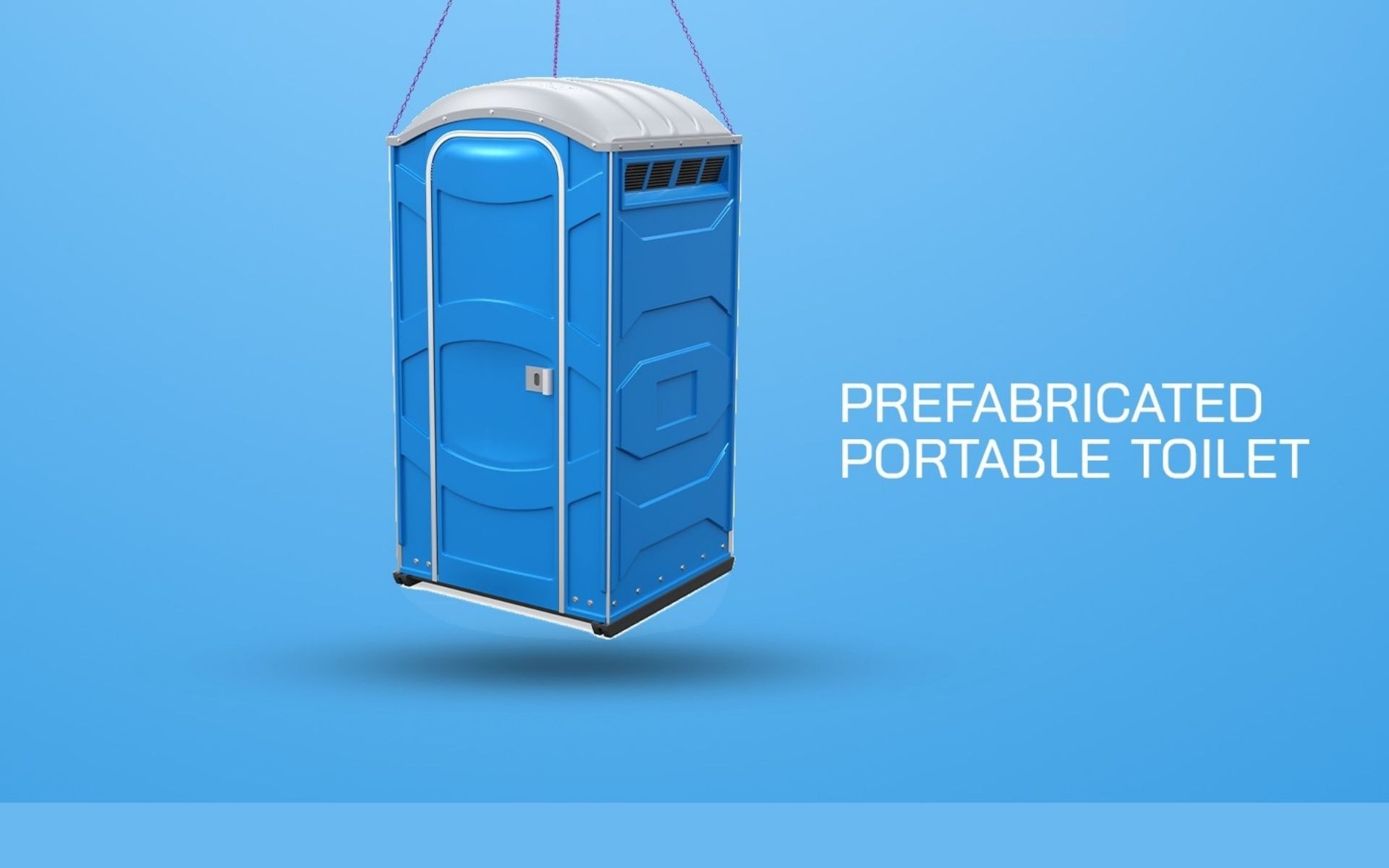
Importance Of Having Portable Toilets On-Site
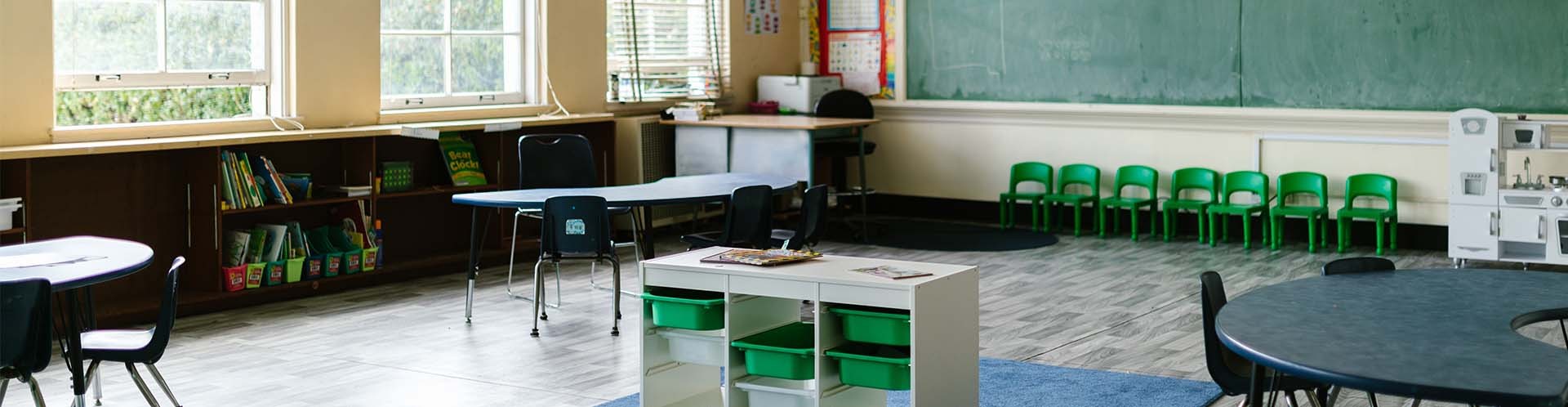
Why Prefab Solutions are Ideal For Schools In Rural Areas?
What Is The Difference Between Precast And Prefabricated Buildings?
How LGSF Building Helps In Rapid Construction

Important Things To Look For In a Prefab Company
How Long Does A Prefab Structure Last
 site office front view622f00119ba65.jpg)
9 Benefits Of Choosing Portable On Site Office

Building Materials Used for Modular Construction
6349487807893.jpeg)
Modular Home Construction: Pros and Cons