
Can a Prefab Structure Be Installed During Monsoon or Do You Have to Wait It Out?
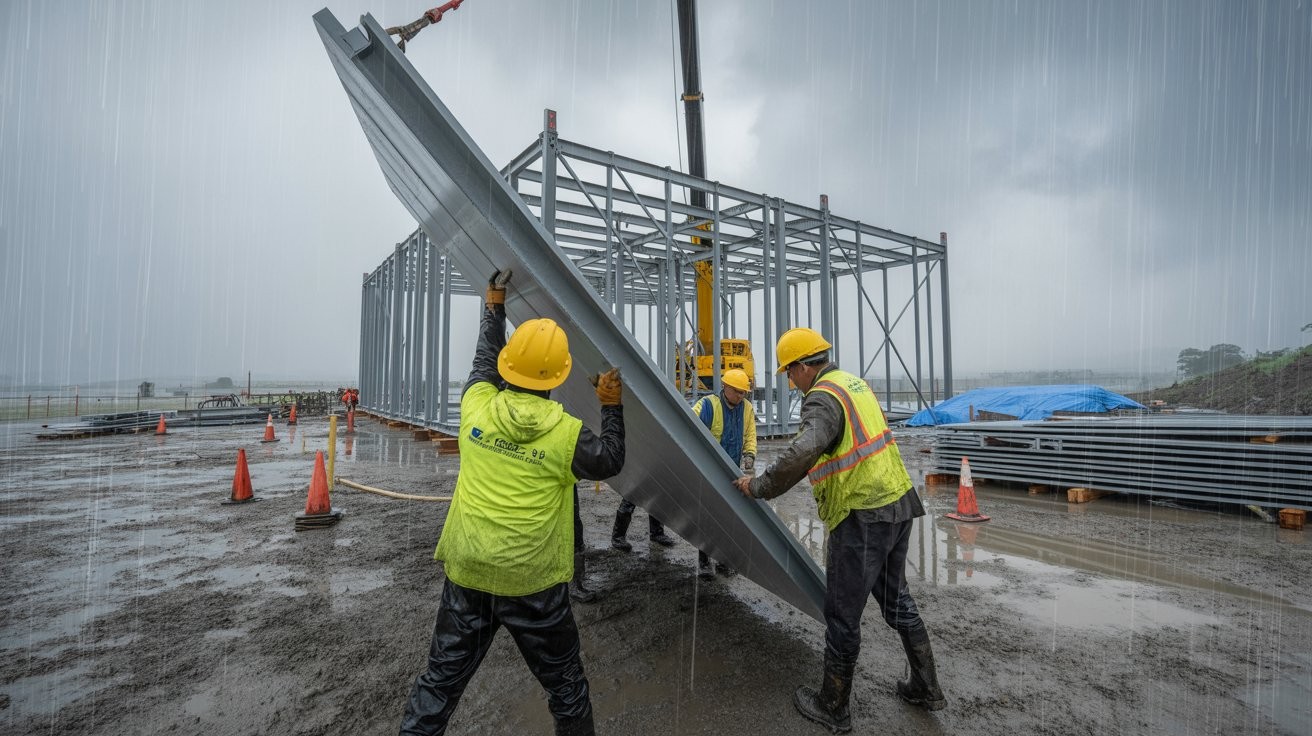
Managing a construction site in India during July and August means one thing: the monsoon doesn't wait. For traditional construction, rain means stoppages, ruined cement, and costly delays. But prefab structure installation works differently and smarter. Here is what you need to know before your next project.
Working with prefabricated structures in the rain needs a change of perspective. It’s less about waiting for dry weather and more about controlling periods of opportunity wisely. From my on-site experience, traditional construction work can come to a halt, but a well-coordinated prefab assembly can continue with minimal disruption.
The Short Answer: Yes, But the System Matters
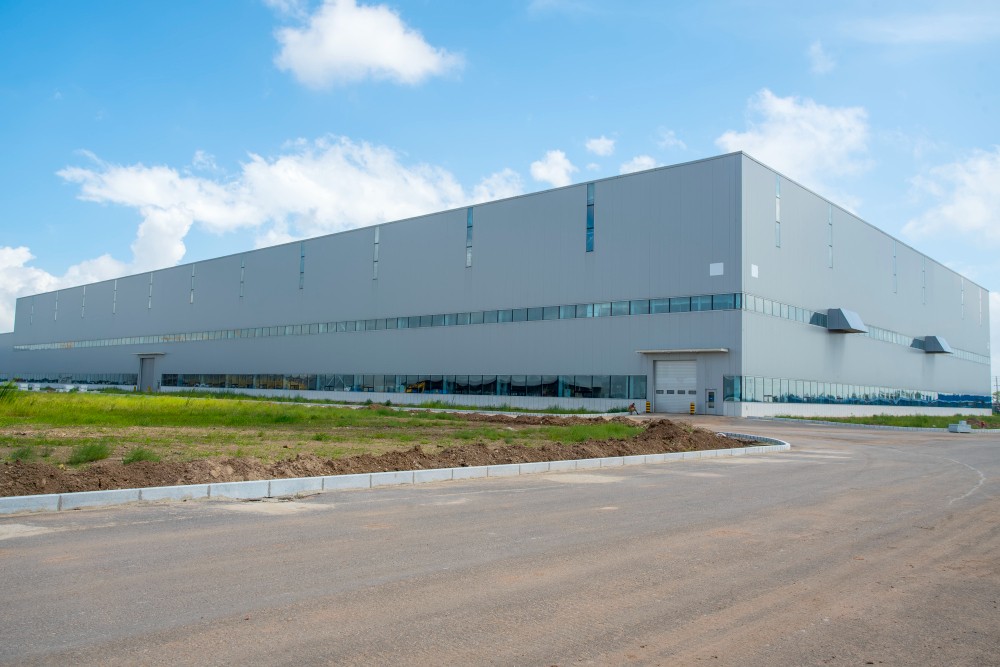
Short answer: A definitive yes. You don't have to wait until October to launch your project. But the “how” really relies on what prefabrication system you’re using. A PUF (Polyurethane Foam) panel structure and a PEB (Pre-Engineered Building) steel structure have different site assembly requirements that determine how you deal with typical rainfall.
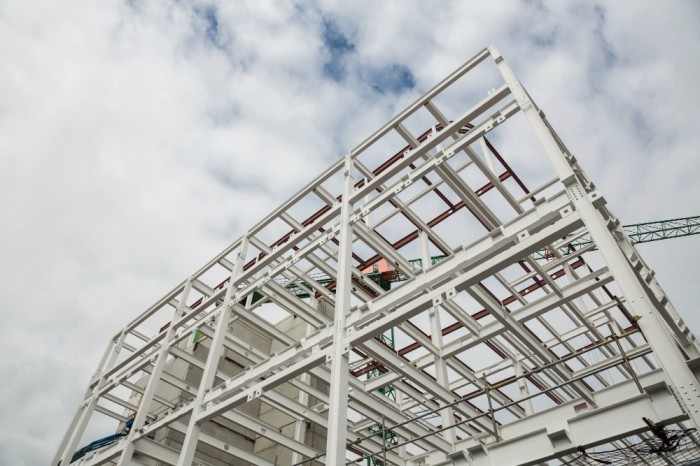
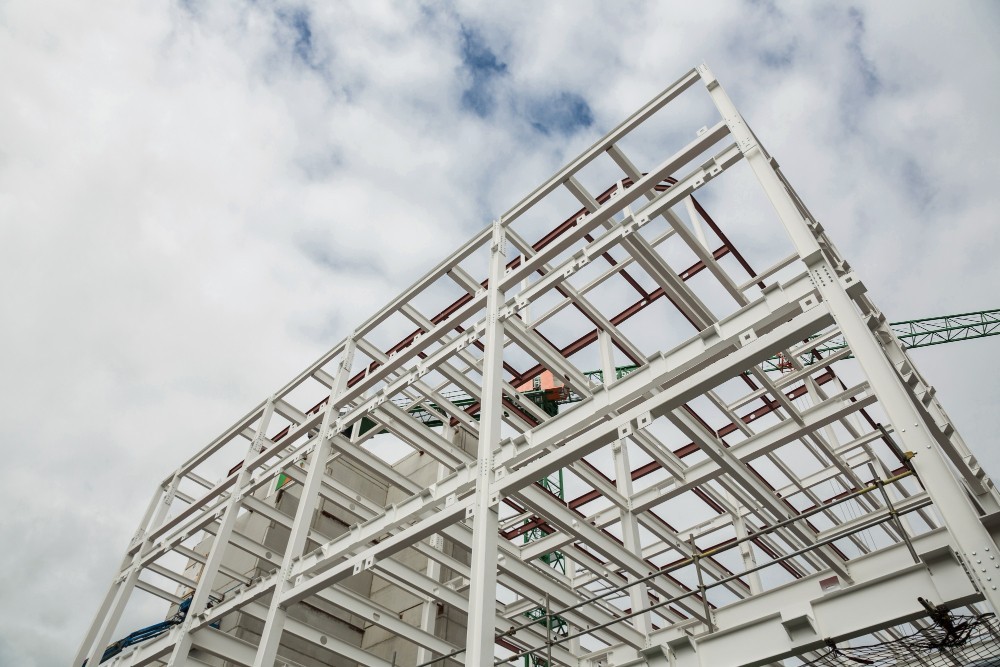
This is simply a “dry” assembly of PUF structures. The panels are factory-produced and sealed; the worry is with the foundation and the lifting. In other words, a PEB structure is composed of strong steel elements with high-strength bolting. The rain is no problem for the steel, but the safety of the riggers and the stability of the cranes on soft soil are the true concerns.
What Monsoon Actually Disrupts in a Prefab Installation
The factory production of your building is not affected by weather, but the site is still a challenge. The biggest interruption is not the rain striking the building, but what the rain causes to the ground. Saturated soil lowers bearing capacity, which can make it hazardous to move big trailers or place cranes. The process of moving the prefab components from the truck to the plinth can come to a halt without the right paving or solid foundation in place at your site.
Additionally, high-strength bolting and welding must be done in dry circumstances to maintain structural integrity and worker safety. For electrical work, dry windows are also needed, and special sealants for the roof joints. To seal a roof, you only need to dry for 4 hours, but a sudden cloudburst in that period can destroy the bonding of the sealants and cause leaks that will be hard to detect afterwards. A thorough pre-monsoon site preparation checklist can help you anticipate each of these windows before work begins
Why Prefab Has an Advantage Over Conventional Construction
The most significant advantage of prefab is the separation of "manufacturing" and "assembly." In conventional construction, every brick laid and every slab poured is a weather-dependent event. In prefab, 80% of the work happens inside a controlled factory environment. The differences go well beyond weather resilience, as our breakdown of prefab construction versus conventional building explains. Here is how the two approaches compare on the most critical site factors.
| Feature | Prefabricated Structures | Conventional Construction |
| Material Storage | Minimal site storage; panels arrive ready to install. | Heavy storage of sand and cement, prone to moisture damage. |
| Water Usage | Dry construction; almost zero water required on-site. | High water dependency; curing is difficult in high humidity. |
| Timeline | 50% faster; factory work continues during rain. | Frequent stoppages; rain halts masonry and concrete works. |
| Quality Control | Factory-tested sealants and precision joins. | On-site mixing and curing; quality varies with weather. |
| Labor Safety | Reduced on-site time limits exposure to rain. | Long-term exposure to slippery, muddy site conditions. |
Real Challenges You Will Face and How to Work Around Them
Site preparation is where most monsoon projects fail. During the rains, the foundation area often becomes a collection point for water. The solution is to plan your drainage before the first drop falls. Create peripheral trenches and keep high-capacity dewatering pumps on standby. If you are at the foundation stage, use quick-setting admixtures and cover the excavated pits with temporary sheds. It is far cheaper to rent a temporary tin shed for your foundation work than to re-excavate a collapsed, muddy pit.
Logistics also requires a tactical approach. Because rural and semi-urban roads in India can become treacherous, you should plan your material deliveries in larger, fewer batches during predicted dry spells. Instead of daily deliveries, stock your non-perishable steel members and panels on raised platforms or wooden sleepers. Keep a monsoon kit on site, with heavy-duty industrial tarpaulins, waterproof tape, and gumboots for the team. If the ground is too soft to support a crane, then customized ground mats or temporary stone padding can be used to create a firm platform for lifting.
What Makes Modern Prefab Structures Weather Ready?
Modern prefab engineering is built to withstand the elements. Prefab uses integrated rainscreen principles, not the wall thickness to keep the water out, compared to traditional houses. For instance, PEB roofing systems use "standing seam" technology, where the fasteners are not exposed to the weather, virtually eliminating the primary cause of leaks. The panels themselves are coated with anti-corrosive coatings such as Galvalume, which are significantly more resistant to the humid, acidic environment of a severe monsoon than normal paint on a brick wall.
Weather preparedness is also a factor in insulation. High-grade PUF or Rockwool panels eliminate the usual problem of condensation inside the building in the tropics during the monsoon when the temperature lowers outside, but the humidity inside remains high. These constructions also have a thermal break that keeps “sweating” of walls that causes mold and mildew growth, so indoor air quality is healthy, even when it’s pouring outside. This same engineering logic is what makes prefab structures reliable across extreme weather conditions well beyond just the monsoon season
Why Choosing Experienced Prefab Structure Manufacturers Matters
Installing a building in the rain isn't a task for beginners. It needs an engineering partner that understands the local environment and has the logistical power to back it up. With over 40 years of on-site experience, Pressmach Infrastructure is one of the pioneers in this business. We don’t just ship panels; we provide a full-service, integrated engineering solution to anticipate the challenges of the Indian monsoon. Our QA team inspects every component, from the main steel frame to the smallest bolt, to guarantee it fulfills international standards for durability and moisture resistance.
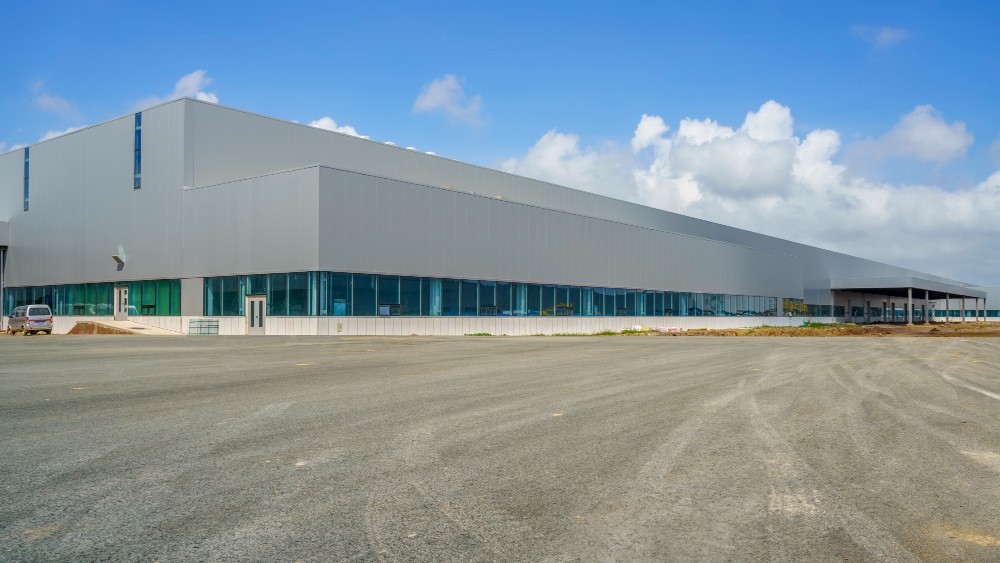
As a leading prefab company in India, Pressmach specializes in fast-track buildings that are designed to be cost-effective and durable replacements for traditional brick-and-mortar. We understand that in business, time is money, and waiting for the weather to clear is often not an option. We have established techniques based on our customer-centric solutions with a focus on safety and precision, regardless of the season. When you partner with an experienced manufacturer, you are not just purchasing a structure; you are getting a guaranteed timeline and the peace of mind that comes with four decades of structural expertise.
Don’t Wait for the Clouds to Clear
The idea that construction should cease during the monsoon is outdated. Wet sand and ruined cement may challenge traditional ways, but prefabricated technology allows you to move further. Moving the heavy lifting into a factory and dry assembly techniques can literally cut your project duration in half and avoid the seasonal monsoon surcharge often caused by labor shortages and material wastage.
Smart planning, the correct drainage measures and an emphasis on site safety can bring your dream project to life while everyone else waits for the rainy season to end. The key is to partner with a team like Pressmach to ensure a seamless project execution.
Pressmach has been delivering prefabricated structures across India for over four decades, through every season and every site condition. If your project cannot afford to wait, neither should your planning. Explore our range of prefabricated structures in India or get in touch with our team to map out a monsoon-ready build plan that works for your timeline and budget.
Your Requirements
Related
Blogs

How Prefab Buildings Can Help You Earn Green Building Ratings (IGBC/GRIHA)
How Tensile Roofing Structures Improve Bus Terminal Infrastructure

How Tensile Roofing Structures Reduce Swimming Pool Maintenance
Benefits of Tensile Roofing Structures for Modern Agriculture
How to Maintain Tensile Roofing Structures
Benefits of Tensile Roofing for Industrial Projects

Can Tensile Structures Handle Heavy Rain and Strong Wind Loads
Questions to Ask Before Choosing a Prefabricated Farmhouse Manufacturer
How Long Does it Take to Install a 10,000 sq ft Prefab Warehouse in India?
How Pressmach Delivered a 50-Bed Hospital in Just 90 Days
How Educational Institutions Are Using Portable Classrooms to Handle Enrollment Pressure
How to Install Solar Panels on Prefabricated Rooftop Structures
Tensile Roofing Structures for Outdoor Storage Yards: What Material Holds up to Indian Weather?

What Makes Prefab Quality Control Rooms Ideal for Manufacturing Facilities?

How Portable Workmen Accommodation Improves Site Productivity
How Prefabricated Buildings Help Reduce Project Delays?
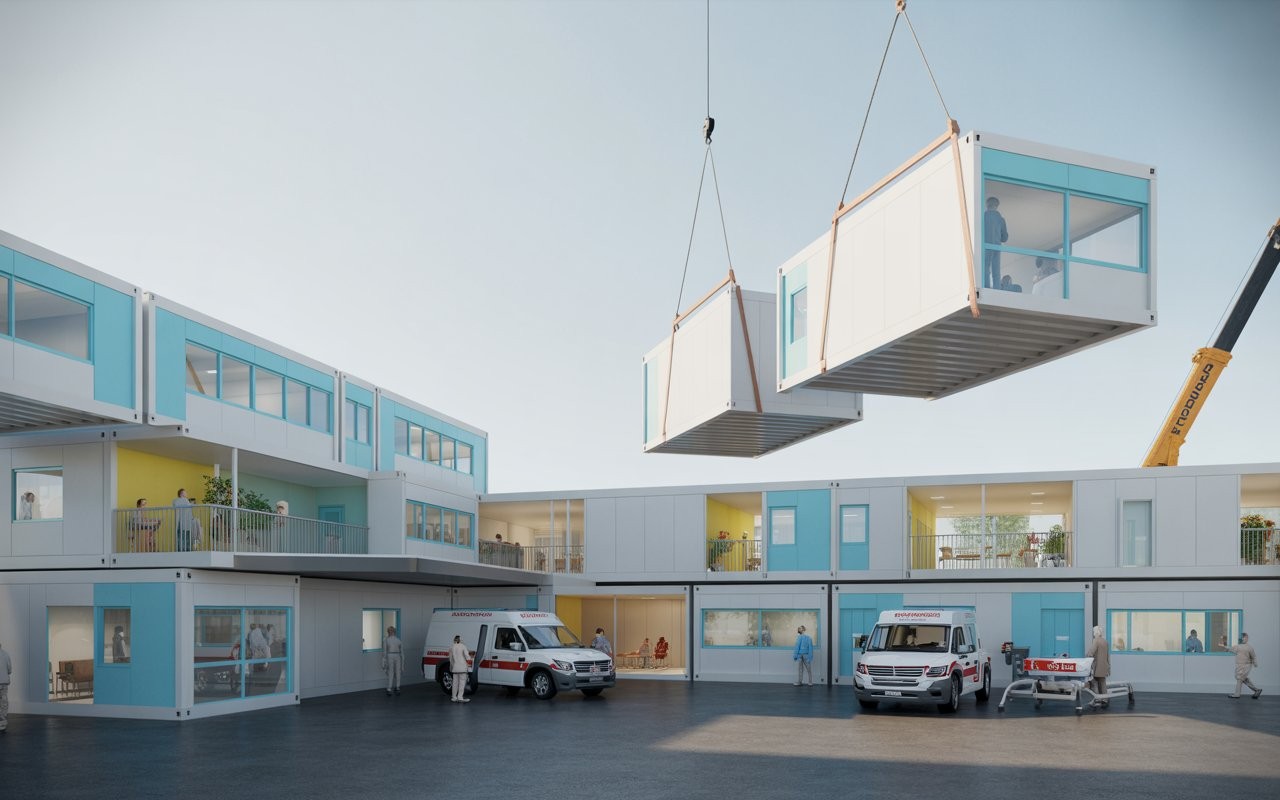
What Are Prefabricated Hospitals and When Are They the Right Choice?

Why Tensile Membrane Structures are the Future of Modern Architecture in India
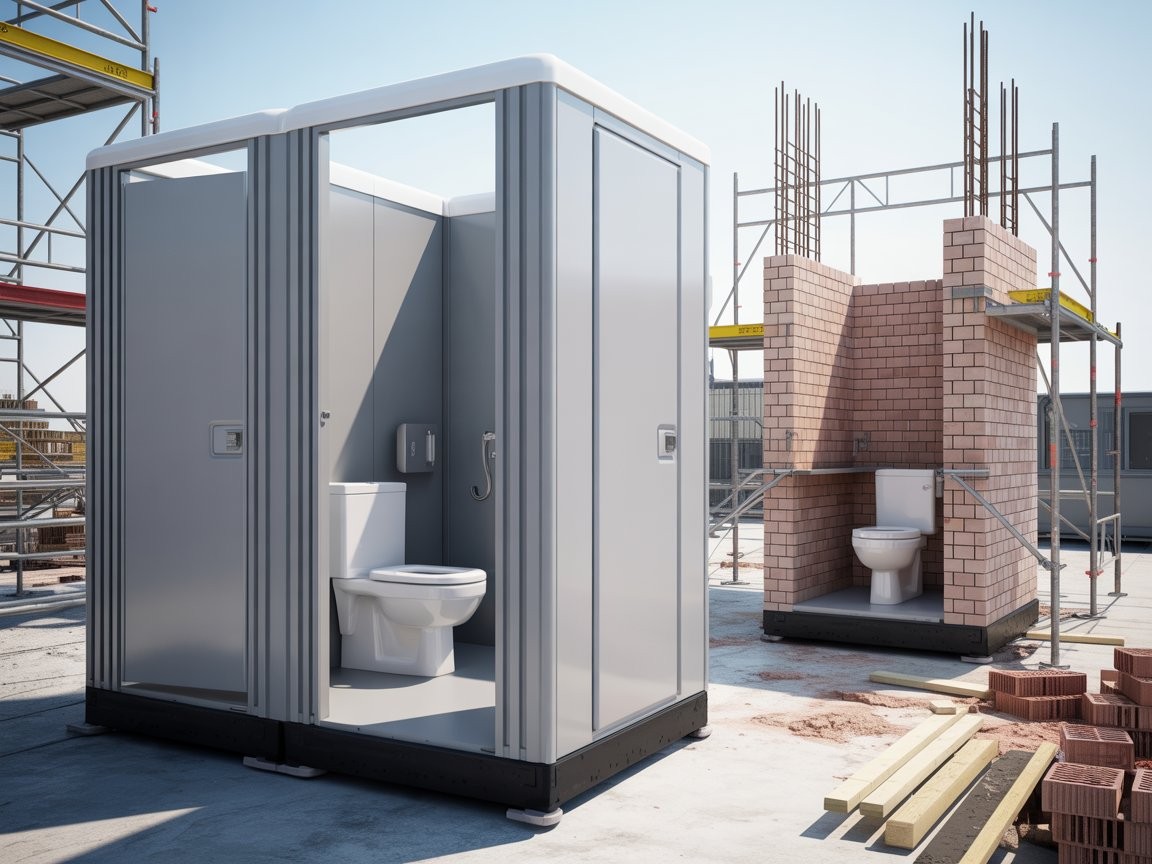
What Are the Advantages of Prefab Toilets Over Conventional Toilets?
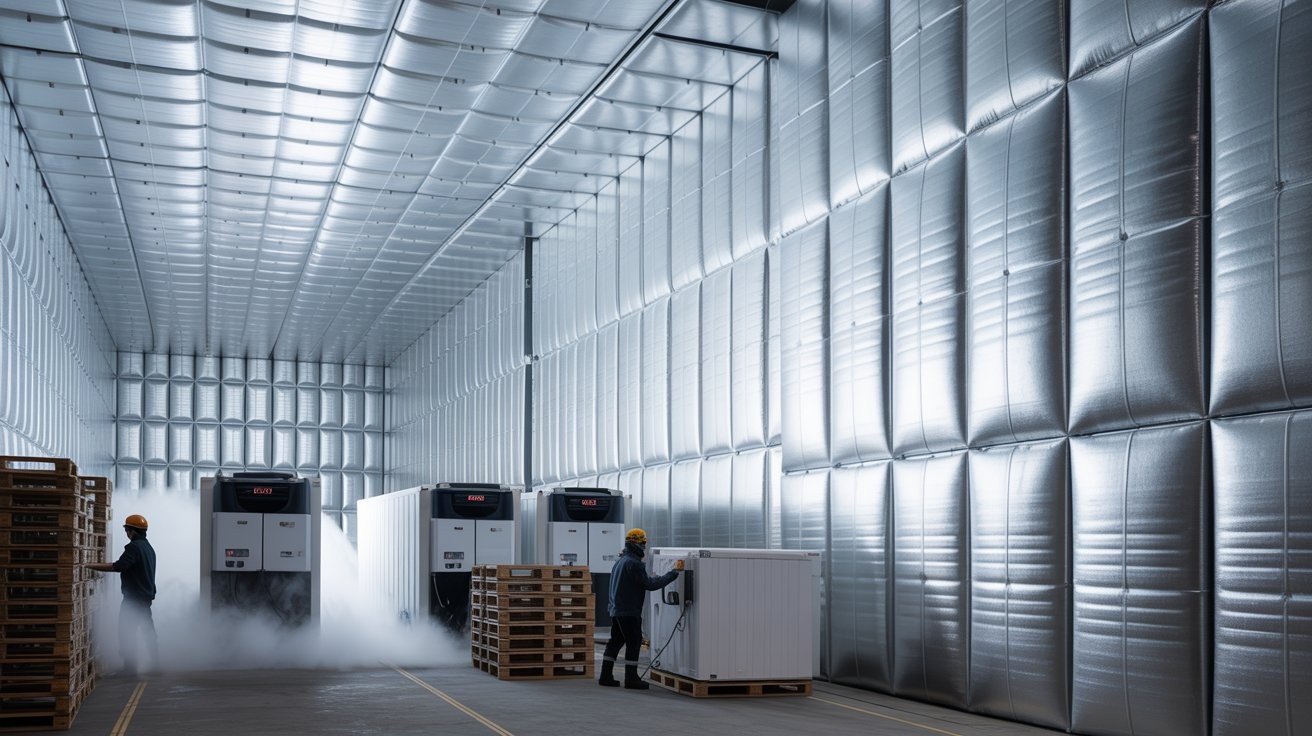
How PUF Panels Improve Cooling Efficiency in Warehouses and Cold Rooms
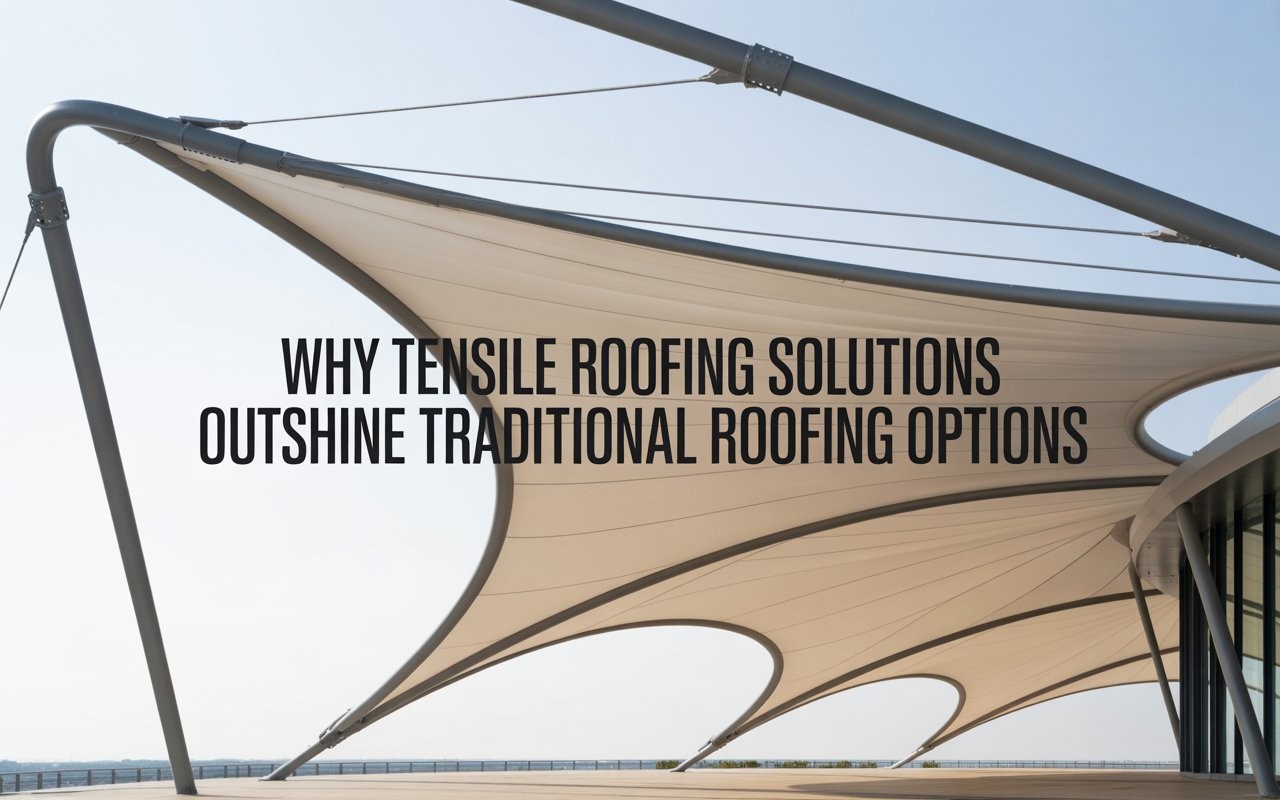
Why Tensile Roofing Solutions Outshine Traditional Roofing Options
Top Industries that Benefits from Prefabricated Structures
The Rise of Prefabricated Construction in India: Benefits and Challenges
Why You Should Conduct Soil Testing Before Building a Prefab Modular Home
How Pressmach is India's Leading Prefabricated Building Manufacturer
How Tensile Architecture Combines Sustainability with Striking Design

Rising Demand and Future Growth of the Solar Mounting Structures Market
Why Are Prefabricated Site Offices a Smart Choice?
Why Businesses are Turning to PEB Building Construction in 2025

Why PUF Panels Are the Best Choice for Prefabricated Construction

Acoustic Enclosures vs Industrial Enclosures: What’s the Difference and Why It Matters

Solar Panel Orientation and Tilt Angle: How Mounting Structures Play a Role

Rise of Prefabricated Data Centers in India’s Digital Boom

Can Prefabricated Structures Withstand Seismic Shocks?

How LGSF is Revolutionizing Affordable Housing in India

Role of Prefabricated Warehouses in Modern Business Storage Solutions

The Future of AI in Prefabricated Construction

10 Major Advantages of Prefabrication in Modern Construction Projects

Advancements in Prefabricated Materials: What to Expect in 2025
6790c3d8f29a2.jpeg)
The Role of Prefabrication in Disaster Relief and Emergency Housing

Tips for Preparing Your Site for a Prefabricated Structure

Are Modular Prefab Homes Suitable for Extreme Weather Conditions

Uses Of Peb Structure In Residential Spaces

Trends and Innovations in Prefab Commercial Buildings

Top Benefits of Modular Office Space in 2024

Prefabricated Homes vs Traditional Homes

Benefits of Having Modular Prefabricated Cold Storage Solutions

How is Prefab Modernising India’s Ageing Industrial Spaces

How Modular Construction Improves Accessibility in Remote Areas

How to Choose the Right PUF Panels for Your Prefab Building

Types of Pre-engineered Buildings Used in Different Industries

Pre-Monsoon Checklist For PEB Buildings

Uses of Portable Cabins in Disaster Relief

Top Uses for Portable Cabins

Advantages of Portable Security Cabins

Why are Eco-friendly Prefab Homes a Better Choice

Insulation and Passive Technology Benefits of Prefab Modular Buildings

Why is Prefab Construction Greener than RCC Construction

Securing Modular and Prefabricated Buildings: Essential Tips

Benefits of Modular Construction in Healthcare

Factors To Consider Before Buying A Prefabricated Warehouse Building

Benefits of Portable Labour Accommodation Manufacturer

Reasons To Choose Portable Cabins

Myths And Facts About Portable Office Buildings

Innovative Uses Of Modular Buildings
Benefits Of Modular Cleanroom
Advantages Of Pre-Engineered Factory Buildings
65cf4d38697f9.webp)


65cf65f046eed.webp)


64afe3444467b.jpeg)

Importance Of Having Portable Toilets On-Site

Why Prefab Solutions are Ideal For Schools In Rural Areas?
What Is The Difference Between Precast And Prefabricated Buildings?

How LGSF Building Helps In Rapid Construction

Important Things To Look For In a Prefab Company
How Long Does A Prefab Structure Last
 site office front view622f00119ba65.jpg)
9 Benefits Of Choosing Portable On Site Office

Building Materials Used for Modular Construction
6349487807893.jpeg)
Modular Home Construction: Pros and Cons