
How PUF Panels Improve Cooling Efficiency in Warehouses and Cold Rooms
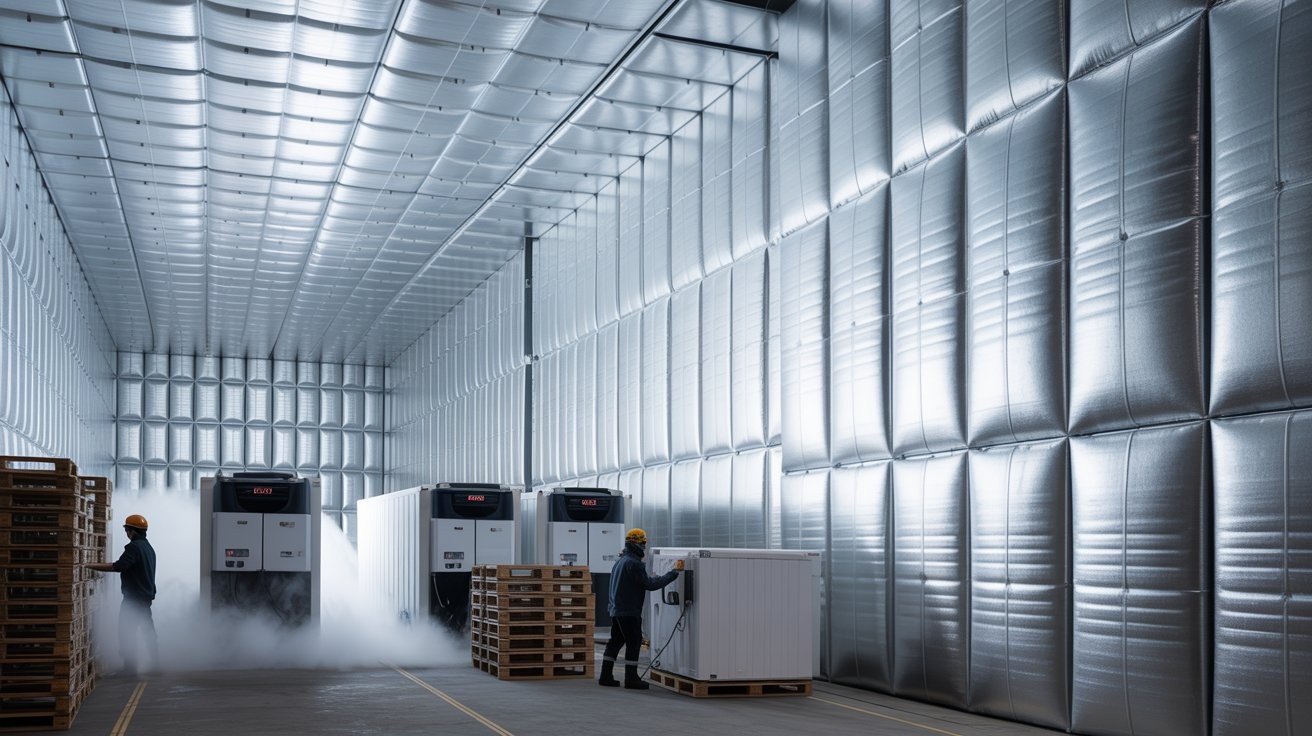
The contemporary supply chains rely on regulated temperatures. Starting with food and dairy products, then on to medicines, chemicals, and packaged goods, the cool environment is needed to keep many products safe and usable. That is why cooling efficiency in warehouses, cold rooms has become a high priority for businesses of various industries.
Polyurethane Foam panels, also known as PUF panels, are recent panels applied in insulated warehouses as well as cool rooms. These panels aid in minimizing heat conduction, maintaining steady interior temperatures, and minimizing electricity consumption. The core of these panels is made of high-density foam that renders them strong, lightweight, and highly resistant to the heat flow between two metal sheets.
The PUF Panels reduce the flow of heat by the following mechanisms
The most significant challenge in warehouses and cold rooms is to control the flow of outside heat. Refrigeration equipment has to work harder to maintain the appropriate temperature when external heat gets into a cooled environment. This not only adds to the consumption of power but also accelerates the wear of the equipment.
The issue is resolved by PUF panels due to the closed-cell foam structure. Both panels have polyurethane foam that contains air in minute bubbles. In this design, there is a process of slowness of heat transfer as air is not a good conductor of heat.
The major factors contributing to the effectiveness of the PUF panels in terms of heat transfer:
- Foam traps closed-cell insulations.
- Low thermal conductivity inhibits heat flow.
- Metal layers prevent external heat and reflect it.
- Tight joints reduce air gaps.
- Loss of temperature is curtailed by controlled airflow.
PUF panels can be used to make cooling systems run economically without carrying out a sustained heavy load.
Key Ways PUF Panels Improve Cooling Efficiency
Cooling efficiency depends on how well a space can hold its set temperature without forcing the compressors to run all the time. Poor insulation causes temperature loss, higher energy bills, and frequent system failures.
PUF panels solve this problem due to their closed-cell foam structure. Each panel contains polyurethane foam that traps air in small cells. This setup reduces heat transfer because air does not conduct heat well.
PUF panels also limit moisture entry. Moisture increases the cooling load and leads to frost formation, especially in cold rooms and freezer zones. By blocking moisture, PUF panels improve the overall cooling performance.
PUF panels enhance cooling by:
- Decreases outside heat entry
- Maintaining constant internal temperatures
- Lowering the work hours of the compressor
- Reducing daily electricity consumption
- Minimum Frost Formation
- Long equipment life supported
This has resulted in smooth cooling operations both in the warehouses and cold rooms.
Read our blog on: Role of Prefabricated Warehouses in Modern Business Storage Solutions
Where PUF Panels Are Used in Warehouses and Cold Rooms
PUF panels are applied in numerous applications in temperature controlled warehouses and cold storage. They create the core which contains the cooling.
They are also used for:
- Insulated warehouse walls and roofing
- Cold room walls and ceilings
- Internal partitions for temperature zoning
- Freezer room enclosures
- Packing and processing zones
Practically, PUF panels find their application in:
- Food distribution warehouses
- Dairy and milk storage facilities
- Cold rooms for meat and seafood
- Pharmaceutical warehouses
- vaccine storage units
- Frozen food warehouses
- Storage of chemical and specialty products
They are also used in blast freezers and quick-freezing sections where very low temperatures are required within short time periods. Because of this wide usage, PUF panels are now considered a core construction material for temperature-controlled warehouses and cold rooms.
Why Warehouses and Cold Rooms Rely on PUF Panels
Both warehouses and cold rooms operate under strict temperature requirements. Any fluctuation can lead to product loss, safety risks, and financial damage. PUF panels provide a dependable insulation system that helps avoid these risks.
They support uniform cooling across large spaces. This is especially important in warehouses where different storage zones must remain at consistent temperatures. PUF panels also offer hygiene-friendly surfaces. This is essential for food handling, medicine storage, and clean processing environments.
The key reasons facilities prefer PUF panels include:
- Dependable temperature control
- Reduce electricity usage.
- Better product protection
- Hygienic and easy-to-clean surfaces
- Faster construction timelines
- Long service life
These advantages make PUF panels a trusted choice for temperature-controlled infrastructure.
Performance Advantages of PUF Panels in Warehouses and Cold Rooms
PUF panels deliver strong performance across energy efficiency, hygiene, durability, and project speed. They help facilities run smoothly while controlling long-term operating costs.
High Insulation Capacity
PUF panels offer excellent insulation due to their low thermal conductivity. This helps both warehouses and cold rooms maintain stable internal temperatures even during hot weather.
Reduced Energy Consumption
With reduced heat entry, refrigeration systems use less power. This leads to lower monthly electricity bills and improved energy efficiency.
Hygienic Interior Surfaces
The smooth, nonporous metal surfaces of PUF panels prevent dust, moisture, and bacterial buildup. This is essential for food and pharmaceutical storage.
Fast Project Setup
PUF panels are prefabricated and easy to assemble. This helps reduce project timelines and allows faster operational readiness.
Strong Structural Support
Despite being lightweight, PUF panels provide solid structural strength for daily warehouse and cold room operations.
Tight Sealing
The locking system of PUF panels creates airtight enclosures that prevent cooling loss and outside air entry.
Long-Term Cost Savings
Lower energy use, reduced equipment stress, and minimal maintenance result in strong long-term cost benefits.
Read more on: Benefits of Having Modular Prefabricated Cold Storage Solutions
Prefabricated Construction Using PUF Panels
PUF panels support prefabricated construction for both warehouses and cold rooms. The panels are manufactured in factories and delivered to the site ready for installation. On-site work mainly involves assembly, not heavy fabrication.
This approach improves build quality and reduces construction time. It also keeps the site cleaner and safer.
Advantages of using prefabricated systems include:
- Faster installation
- Consistent insulation quality
- Reduced site disruption
- Easy future expansion
- Better construction accuracy
It is perfect for businesses that want a quick setup with no performance compromise.
Check out our blog on: Why PUF Panels are the Best Choice for Prefabricated Construction
Hygiene and Moisture Control in Storage Environments
Maintaining hygiene is critical in food warehouses, pharmaceutical storage units, and cold rooms. Moisture control is equally important because moisture leads to mold growth and insulation damage.
PUF panels support both hygiene and moisture protection. Their closed-cell structure does not absorb water. The metal surfaces allow easy daily cleaning and sanitization.
Benefits of PUF panels relating to hygiene include:
- Easy surface washing
- Absorbs no moisture
- Reduced mold risk
- Better adherence to safety standards
- Improved product protection
Energy-Saving Influence of PUF Panels in Warehouses and Cold Rooms
Energy is one of the highest operating costs in temperature-controlled facilities. Poor insulation increases electricity consumption and puts a heavy load on cooling equipment.
PUF panels reduce energy waste by keeping heat and moisture outside. This lowers compressor workload, reduces power usage, and improves equipment efficiency.
Lower energy use also supports sustainability goals by reducing the carbon footprint of warehouse and cold room operations.
Custom Storage Solution with PUF Panels
The temperatures and the layouts of storage vary across industries. PUF panels are customized to meet the warehouse and cold room requirements as per the operational requirements.
The thickness of a panel is available in choices depending on the intensity of cooling. Surface finishing is a choice that can be made according to the need for hygiene and corrosion resistance.
PUF panels can normally be used to make:
- Food storage facilities
- Dairy and milk storage zones
- Pharmaceutical and vaccine rooms
- Frozen product storage areas
- Ripening chambers
- Laboratory temperature control rooms
Structural Strength and Airtight Construction
PUF panels are resistant to insulation and structural integrity. The high density of their core and metal cover produces a robust and stable structure of the facilities.
The interlocking joint system provides a close panel connection. This helps to avoid air leakage and helps to maintain stable internal pressure conditions. A sealed building enhances the cooling process and the ability of the facility to withstand dust, moisture, and heat loss.
How Pressmach Helps in Building Energy-Efficient Warehouses and Cold Rooms
Pressmach designs and builds modern, energy-efficient warehouses and cold rooms using advanced prefabricated construction methods and high-quality PUF panel systems. The company focuses on delivering facilities that combine strong insulation, long durability, and efficient operations. Pressmach solutions focus on: Temperature control precisely, High insulation efficiency, Hygienic interior finishes, Airtight panel installation, Quick project execution, and Long-term energy savings.
By using the right materials and engineered installation methods, Pressmach helps businesses reduce operating costs, improve product safety, and achieve reliable cooling performance.
Your Requirements
Related
Blogs

How Tensile Roofing Structures Reduce Swimming Pool Maintenance

Benefits of Tensile Roofing Structures for Modern Agriculture
How to Maintain Tensile Roofing Structures
Benefits of Tensile Roofing for Industrial Projects

Can Tensile Structures Handle Heavy Rain and Strong Wind Loads

Questions to Ask Before Choosing a Prefabricated Farmhouse Manufacturer
How Long Does it Take to Install a 10,000 sq ft Prefab Warehouse in India?
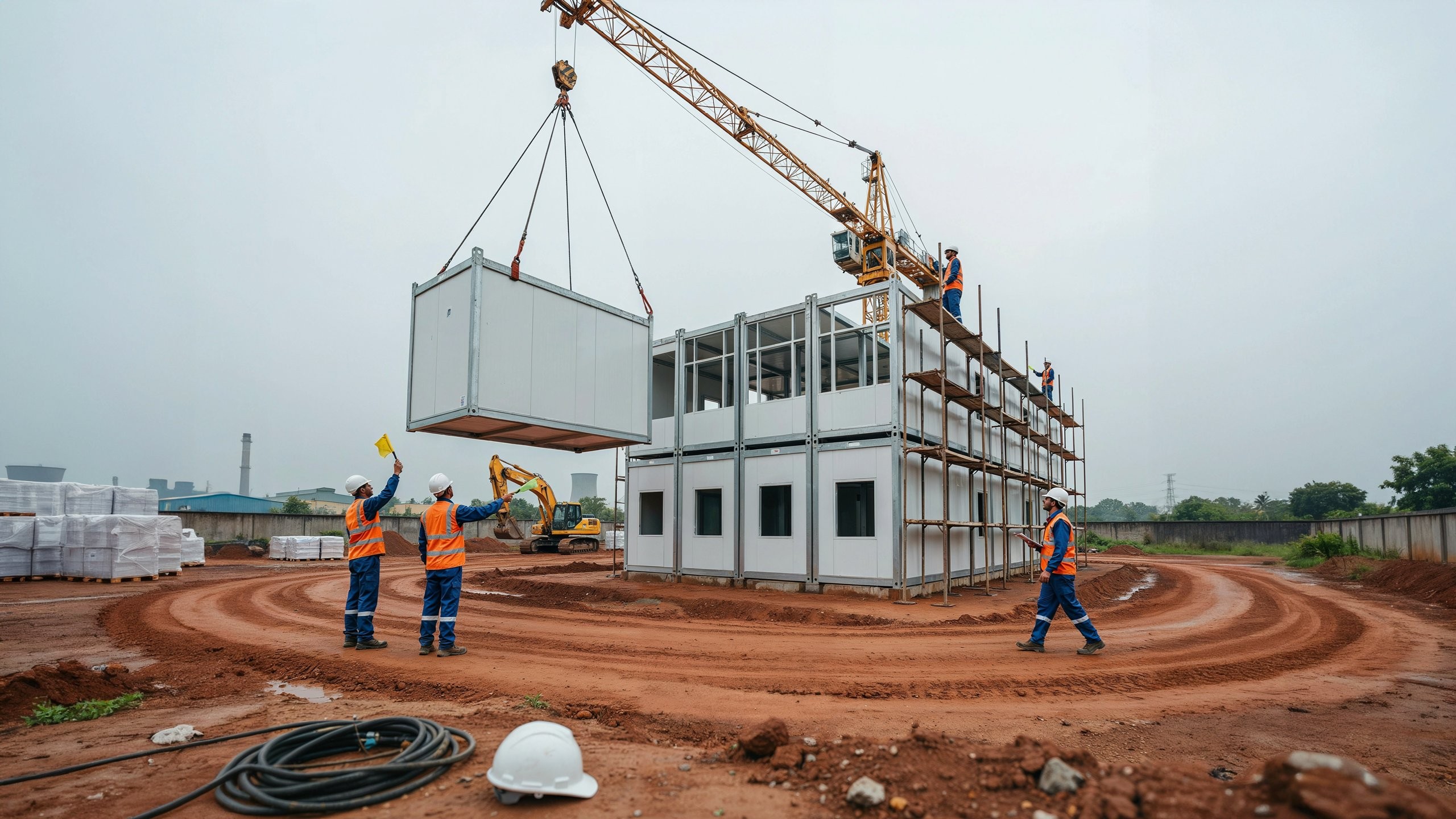
How Pressmach Delivered a 50-Bed Hospital in Just 90 Days

How Educational Institutions Are Using Portable Classrooms to Handle Enrollment Pressure
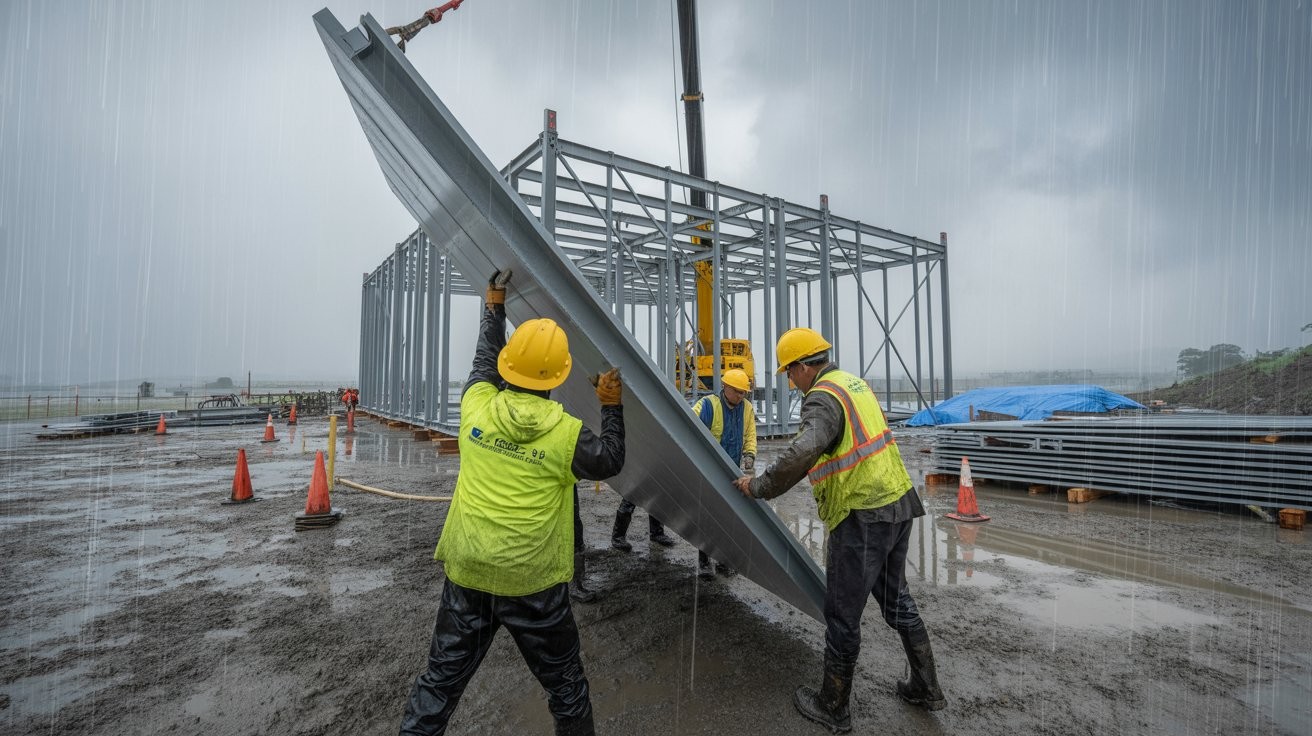
Can a Prefab Structure Be Installed During Monsoon or Do You Have to Wait It Out?
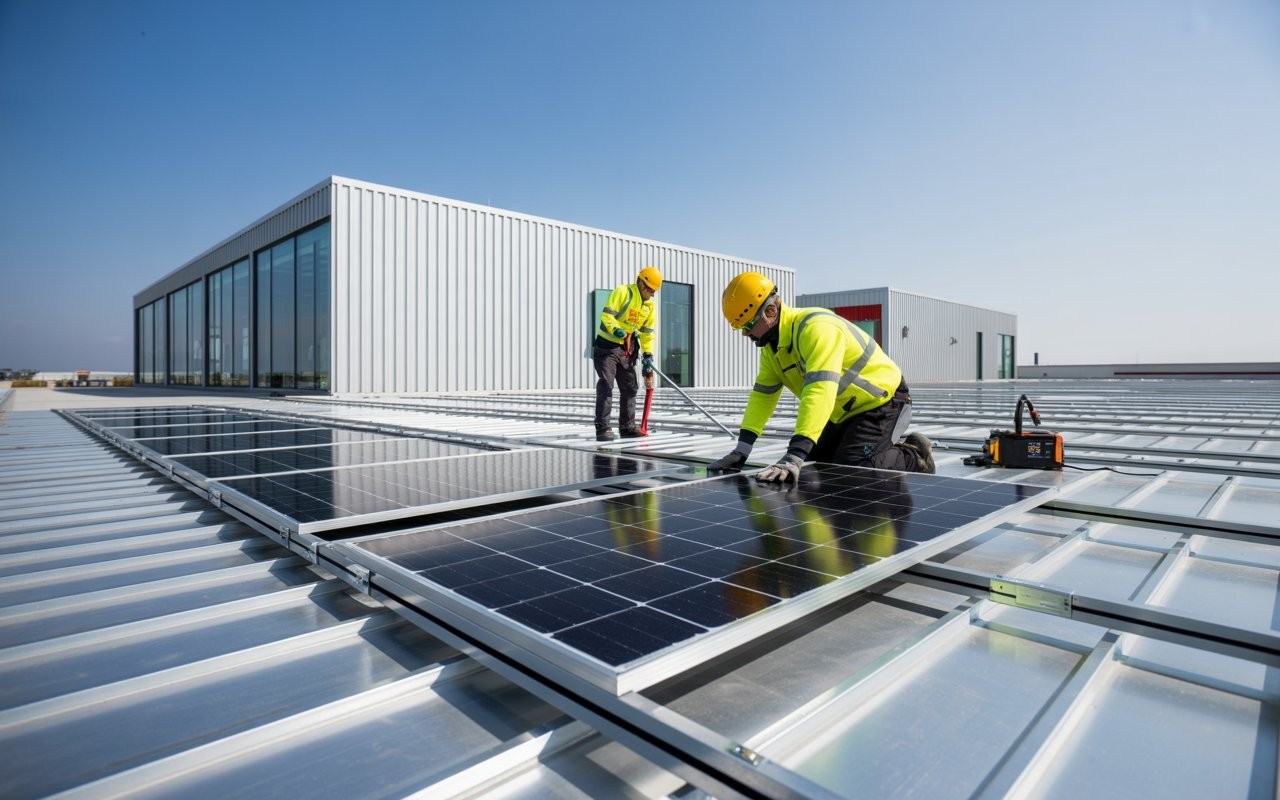
How to Install Solar Panels on Prefabricated Rooftop Structures

Tensile Roofing Structures for Outdoor Storage Yards: What Material Holds up to Indian Weather?

What Makes Prefab Quality Control Rooms Ideal for Manufacturing Facilities?

How Portable Workmen Accommodation Improves Site Productivity
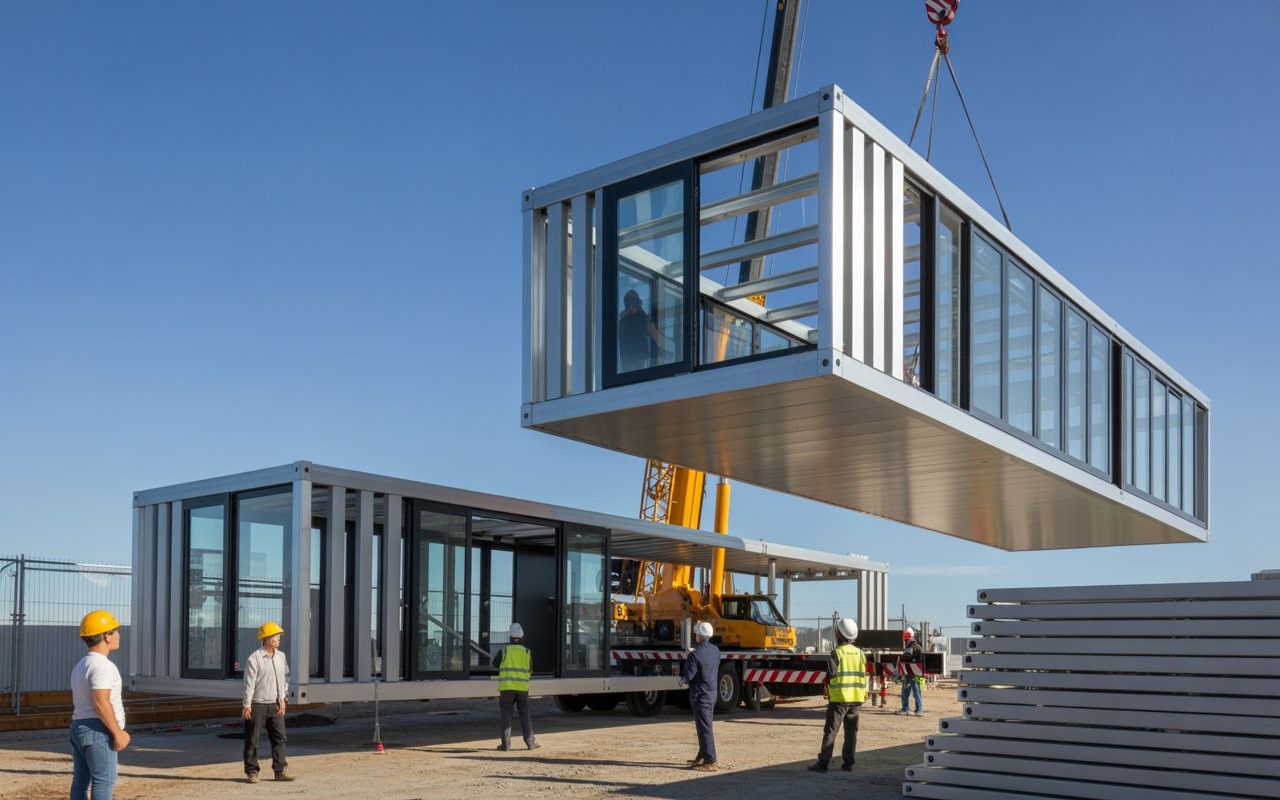
How Prefabricated Buildings Help Reduce Project Delays?

What Are Prefabricated Hospitals and When Are They the Right Choice?

Why Tensile Membrane Structures are the Future of Modern Architecture in India
What Are the Advantages of Prefab Toilets Over Conventional Toilets?
Why Tensile Roofing Solutions Outshine Traditional Roofing Options
Top Industries that Benefits from Prefabricated Structures

The Rise of Prefabricated Construction in India: Benefits and Challenges
Why You Should Conduct Soil Testing Before Building a Prefab Modular Home
How Pressmach is India's Leading Prefabricated Building Manufacturer
How Tensile Architecture Combines Sustainability with Striking Design

Rising Demand and Future Growth of the Solar Mounting Structures Market
Why Are Prefabricated Site Offices a Smart Choice?
Why Businesses are Turning to PEB Building Construction in 2025

Why PUF Panels Are the Best Choice for Prefabricated Construction

Acoustic Enclosures vs Industrial Enclosures: What’s the Difference and Why It Matters

Solar Panel Orientation and Tilt Angle: How Mounting Structures Play a Role

Rise of Prefabricated Data Centers in India’s Digital Boom

Can Prefabricated Structures Withstand Seismic Shocks?

How LGSF is Revolutionizing Affordable Housing in India

Role of Prefabricated Warehouses in Modern Business Storage Solutions

The Future of AI in Prefabricated Construction

10 Major Advantages of Prefabrication in Modern Construction Projects

Advancements in Prefabricated Materials: What to Expect in 2025
6790c3d8f29a2.jpeg)
The Role of Prefabrication in Disaster Relief and Emergency Housing

Tips for Preparing Your Site for a Prefabricated Structure

Are Modular Prefab Homes Suitable for Extreme Weather Conditions

Uses Of Peb Structure In Residential Spaces

Trends and Innovations in Prefab Commercial Buildings

Top Benefits of Modular Office Space in 2024

Prefabricated Homes vs Traditional Homes

Benefits of Having Modular Prefabricated Cold Storage Solutions

How is Prefab Modernising India’s Ageing Industrial Spaces

How Modular Construction Improves Accessibility in Remote Areas

How to Choose the Right PUF Panels for Your Prefab Building

Types of Pre-engineered Buildings Used in Different Industries

Pre-Monsoon Checklist For PEB Buildings

Uses of Portable Cabins in Disaster Relief

Top Uses for Portable Cabins

Advantages of Portable Security Cabins

Why are Eco-friendly Prefab Homes a Better Choice

Insulation and Passive Technology Benefits of Prefab Modular Buildings

Why is Prefab Construction Greener than RCC Construction

Securing Modular and Prefabricated Buildings: Essential Tips

Benefits of Modular Construction in Healthcare

Factors To Consider Before Buying A Prefabricated Warehouse Building

Benefits of Portable Labour Accommodation Manufacturer

Reasons To Choose Portable Cabins

Myths And Facts About Portable Office Buildings

Innovative Uses Of Modular Buildings
Benefits Of Modular Cleanroom
Advantages Of Pre-Engineered Factory Buildings

65cf4d38697f9.webp)



65cf65f046eed.webp)


64afe3444467b.jpeg)

Importance Of Having Portable Toilets On-Site

Why Prefab Solutions are Ideal For Schools In Rural Areas?

What Is The Difference Between Precast And Prefabricated Buildings?

How LGSF Building Helps In Rapid Construction

Important Things To Look For In a Prefab Company
How Long Does A Prefab Structure Last
 site office front view622f00119ba65.jpg)
9 Benefits Of Choosing Portable On Site Office

Building Materials Used for Modular Construction
6349487807893.jpeg)
Modular Home Construction: Pros and Cons