
Why Tensile Membrane Structures are the Future of Modern Architecture in India
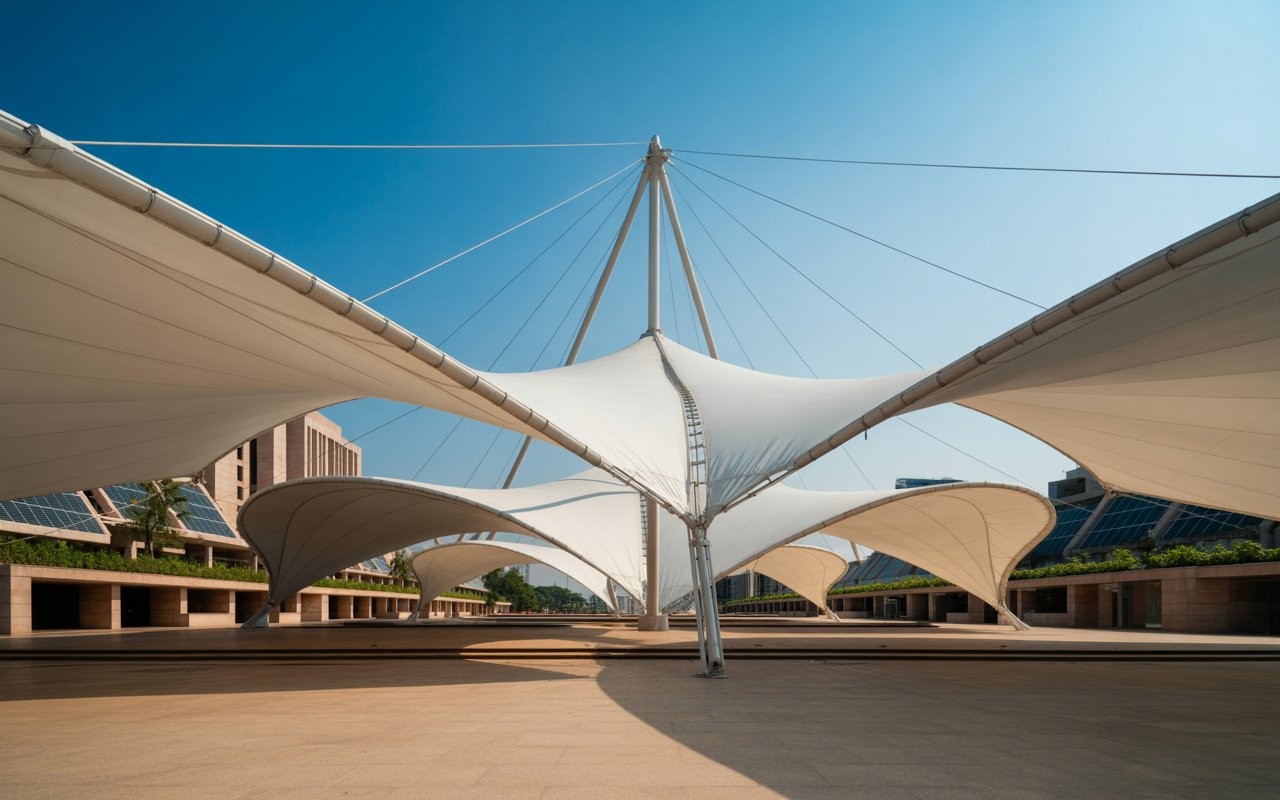
India is undergoing a shift in how buildings are designed and utilized. Cities are modernizing, and people want spaces that look good, offer comfort, and are built efficiently. There is also a focus on reducing construction costs and minimizing environmental impact.
While concrete, steel, and other traditional materials are still in use, they are not the top choice for large rooftops. This is why tensile membrane structures are gaining popularity in the Indian market. These structures are lightweight, strong, and visually appealing. They are now commonly used in various commercial, public, and industrial settings.
What are Tensile Membrane Structures
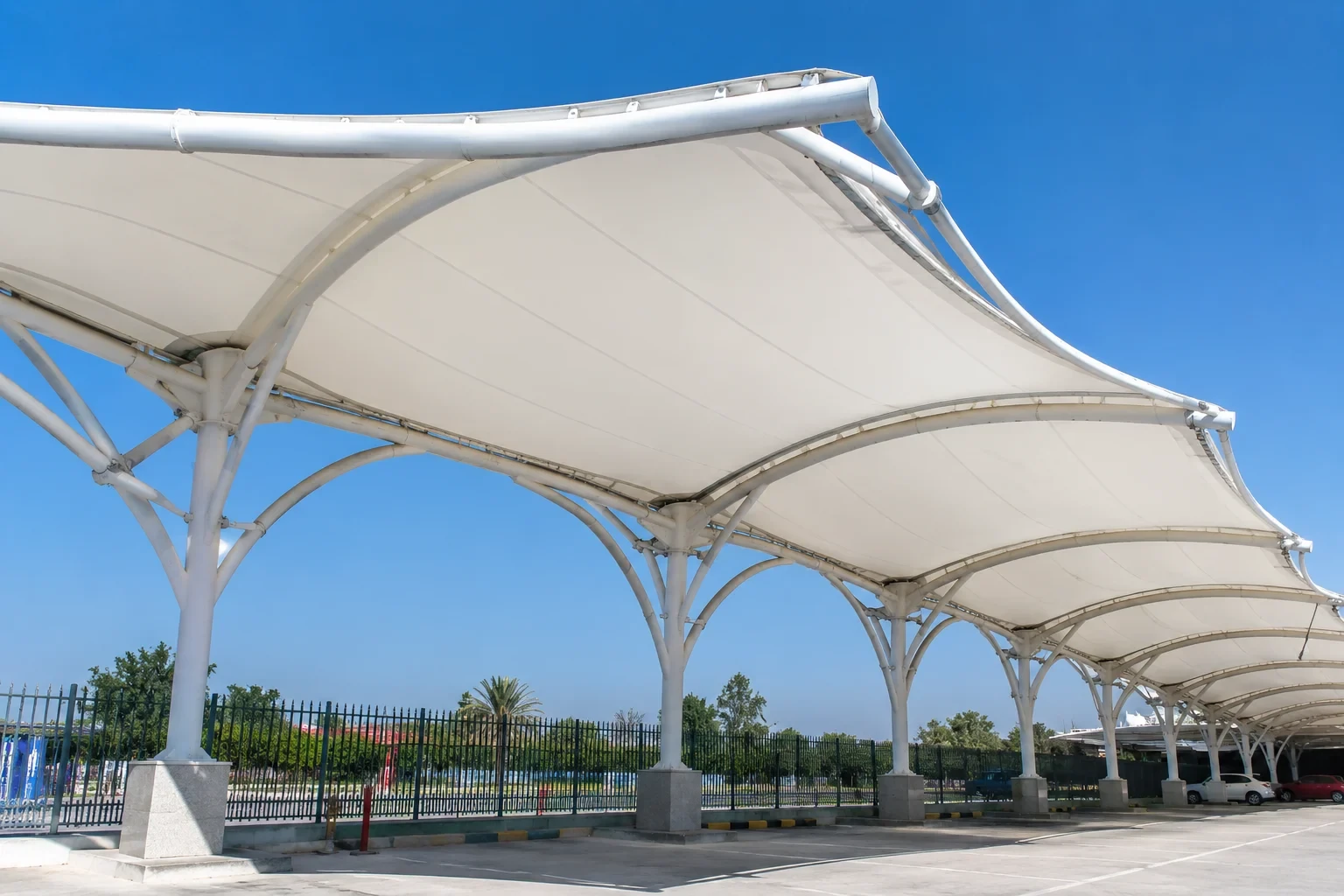
Tensile membrane constructions are constructed with robust fabric stretched strongly over a grid of steel or a cable. This pulling is known as tension that serves to make the fabric strong enough to cover great areas.
The cloth is most often covered with special materials such as PTFE or PVC. These finishes make the fabric tough, water-resistant, and sun-sensitive. When the cloth is cemented in place, it becomes a concrete roof that is capable of absorbing the wind, rain, and heat.
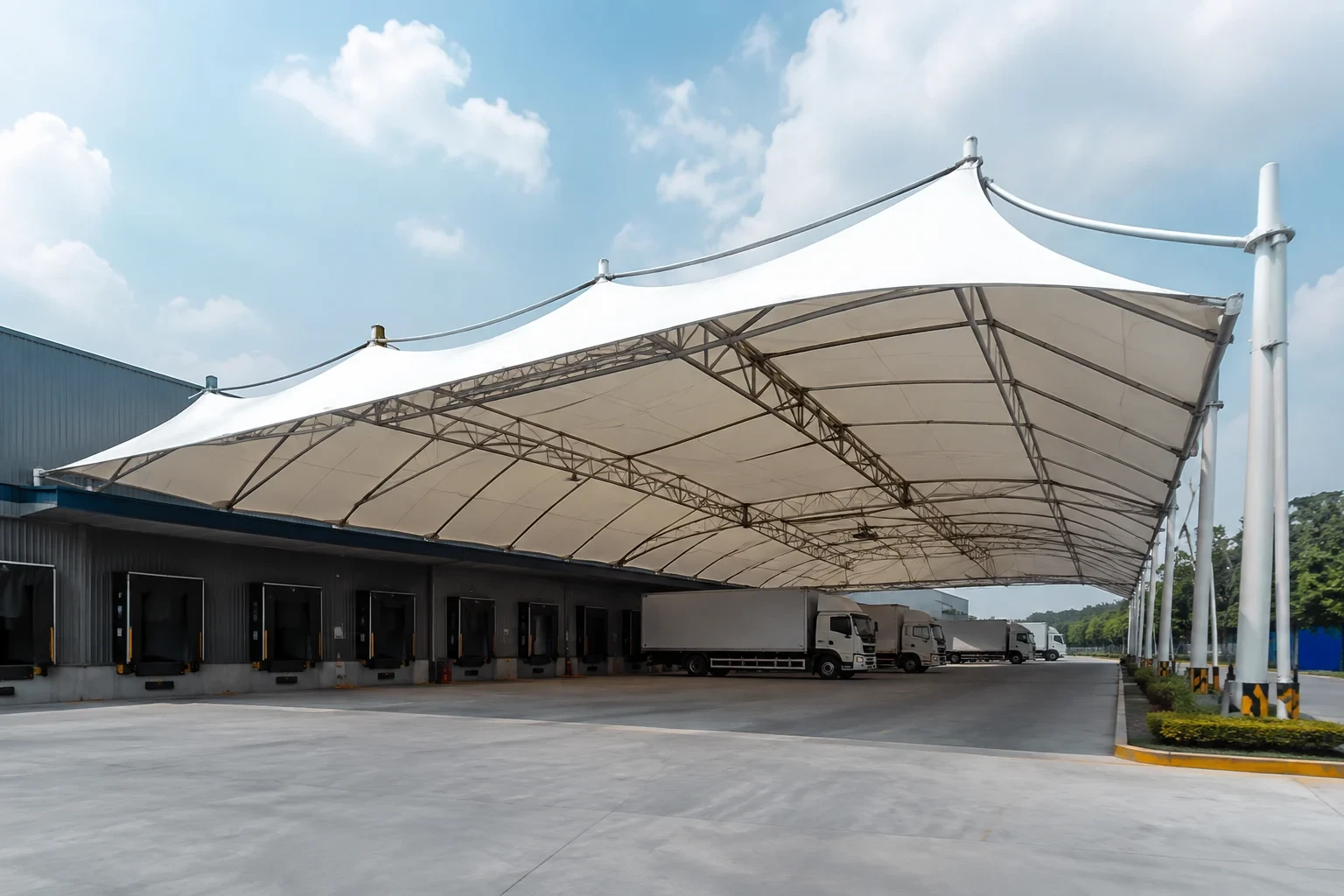
These structures can be curved and smooth in shape. This makes buildings contemporary and fashionable. Tensile membrane is applied to the rooms, walkways, parking shades, stadiums, airport canopies, and open areas. They shield individuals against the sun and rain with the soft, natural light passing through.
Why Tensile Structures are Popular in India
The tensile membrane structures have gained popularity in India due to their smart combination of strength, beauty, and cost efficiency. They fit the weather conditions and the modern design of the country very well. In the public building sector, as well as commercial areas, tensile structures are increasingly being implemented in more projects due to their superior performance and construction speed.
Works Well in Indian Weather
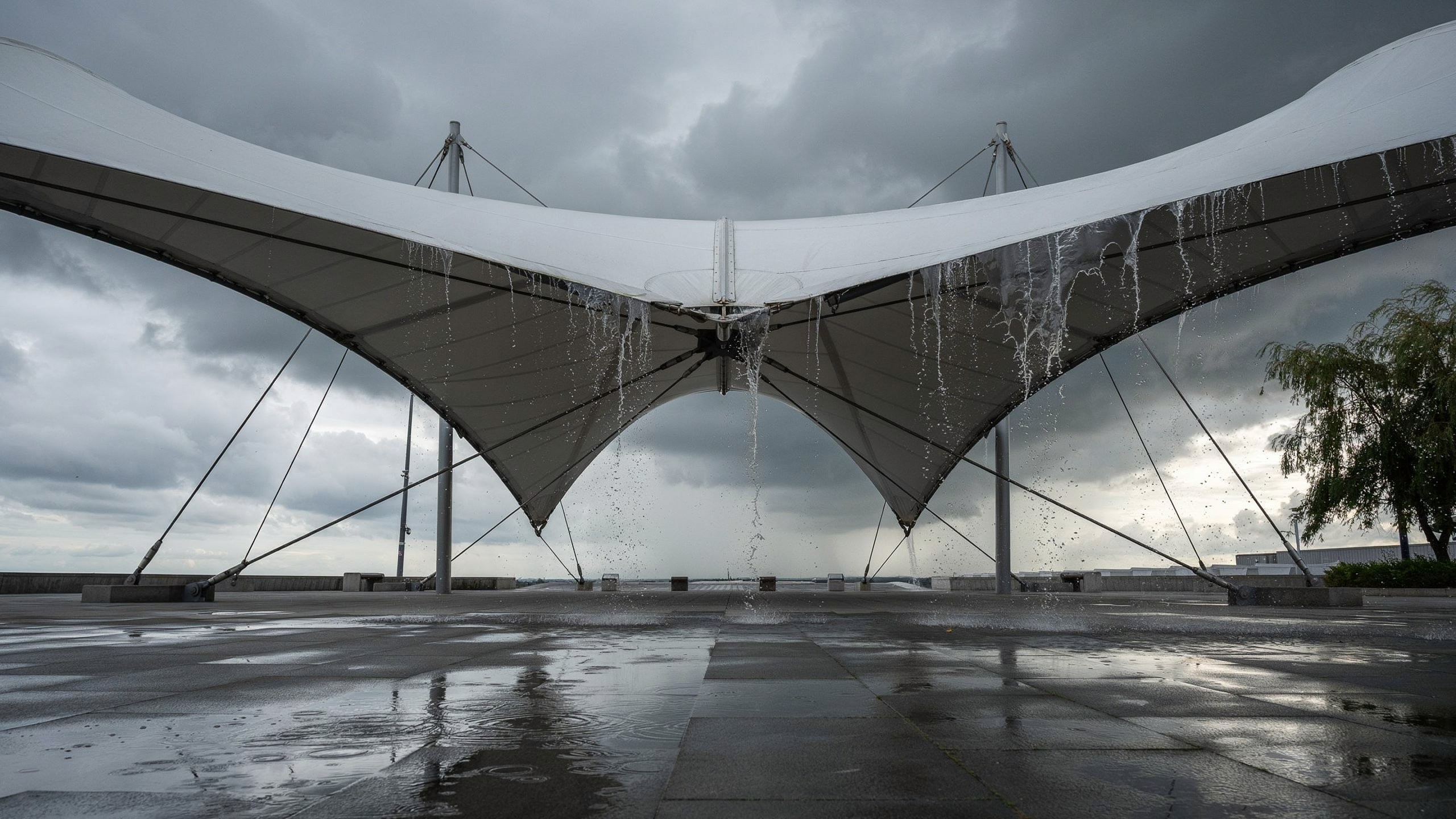
India has strong sunlight, high heat, and heavy rains. Tensile membrane fabrics are made to handle all these conditions. They block harmful sunlight and help keep areas cooler. They are waterproof, so rain does not pass through. They also resist dust and moisture, which helps them last longer.
Saves Money and Time
These structures are much lighter than concrete or metal roofs, so they need less steel and smaller foundations, which helps reduce construction costs. They are also faster to build because many parts are made in factories and then installed on site, allowing projects to be completed more quickly.
Creates Open and Spacious Areas
Tensile structures can cover large areas without pillars in the middle. This is very useful in airports, stadiums, and halls where people need open space.
Looks Modern and Attractive
The fabric can be shaped into smooth curves and beautiful designs. It can also be made in different colors. This makes buildings look stylish and unique.
Environmentally Friendly
These structures use less material than traditional roofs. They also allow daylight to enter, which reduces the need for lights during the day. This saves electricity and supports green building goals.
Needs Less Maintenance
The fabric does not rust like metal. It also does not crack like concrete. It stays clean for a long time and needs only simple cleaning.
Read more on: Why Tensile Roofing Solutions Outshine Traditional Roofing Options
Where Tensile Membrane Structures are Used in India
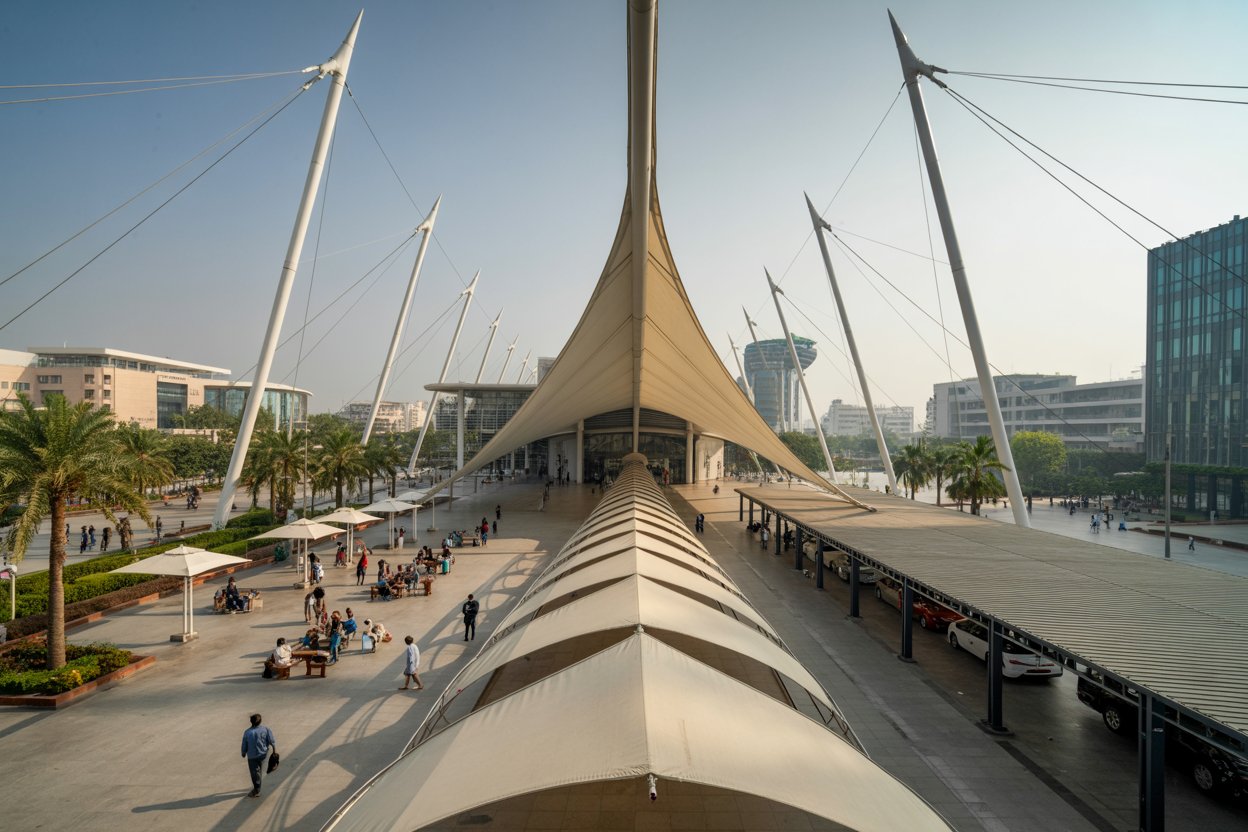
Tensile membrane structures are now widely seen across India in many types of spaces. They are used for entrance canopies, covered walkways, seating areas, and open public zones. These structures are also common in malls, hotels, resorts, parking areas, exhibition centers, and convention halls, where large covered spaces are needed without internal pillars. Many public places also use tensile canopies to provide shade and protection from rain.
How Technology is Making Tensile Structures Better
Modern technology has made tensile membrane structures stronger and more reliable. Better fabrics are now available that last longer and resist fire and sunlight. Engineers use computer software to design the structure and test how it will behave in wind and rain. This makes sure the structure is safe and stable.
The fabric panels are cut and joined using machines, which gives accurate size and strong joints. Installation methods have also improved, allowing structures to be set up faster and more safely. Beyond performance and efficiency, these advancements also highlight how tensile architecture balances sustainability with visually striking design.
Why Tensile Membrane Structures are the Future
India needs to build solutions that are fast, affordable, and good for the environment. Tensile membrane structures meet all these needs. They are strong, beautiful, and suitable for Indian weather. They also help save money and time.
Tensile Membrane Structure is the best choice you can make in an attempt to have a strong and stylish roofing or canopy that will serve you for many years. Pressmach offers quality tensile membrane structures that are suitable for the climate of India. No matter if it is an airport, stadium, office building, or an industrial setup, Pressmach has the expertise and capability to offer quality structures.
Your Requirements
Related
Blogs
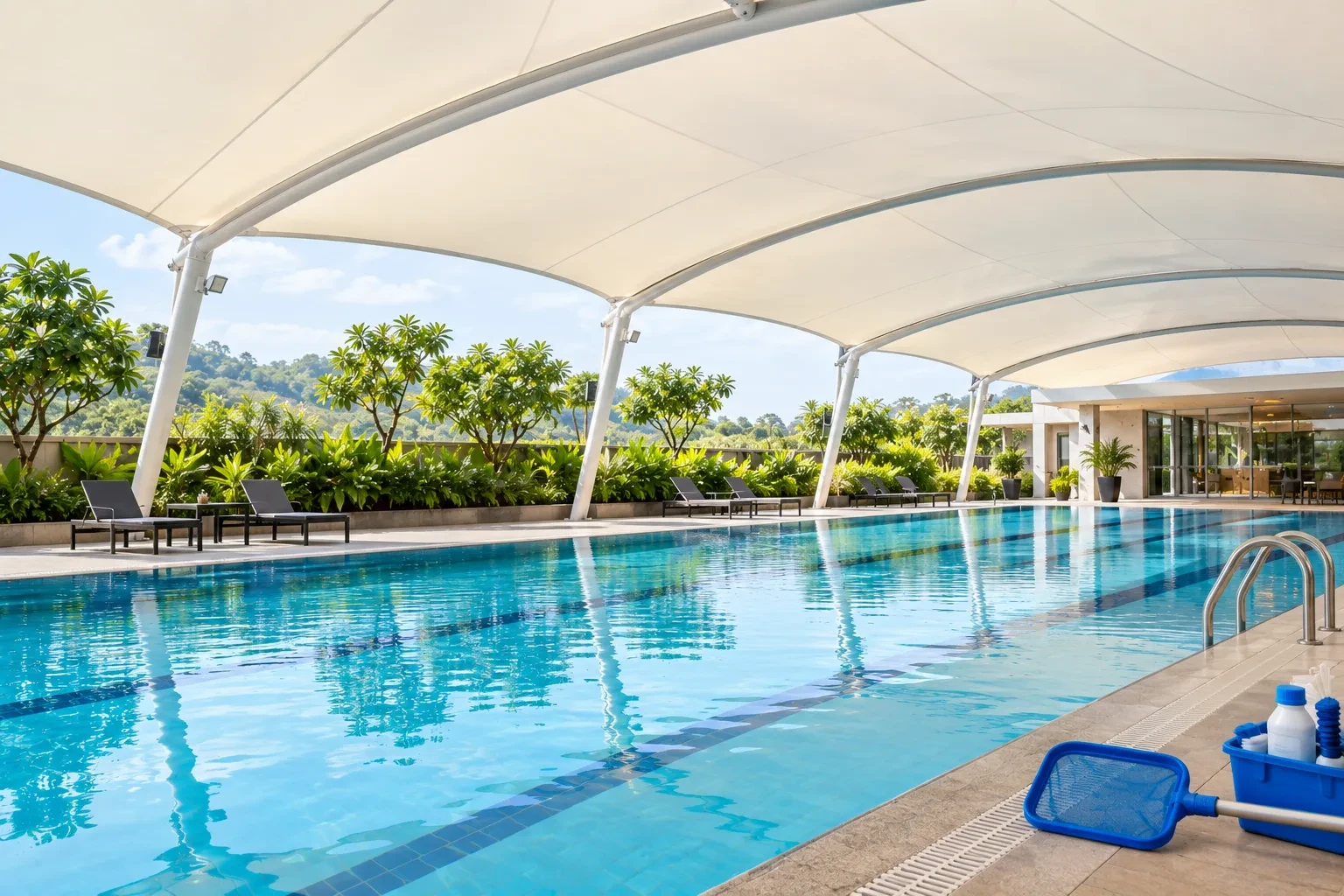
How Tensile Roofing Structures Reduce Swimming Pool Maintenance
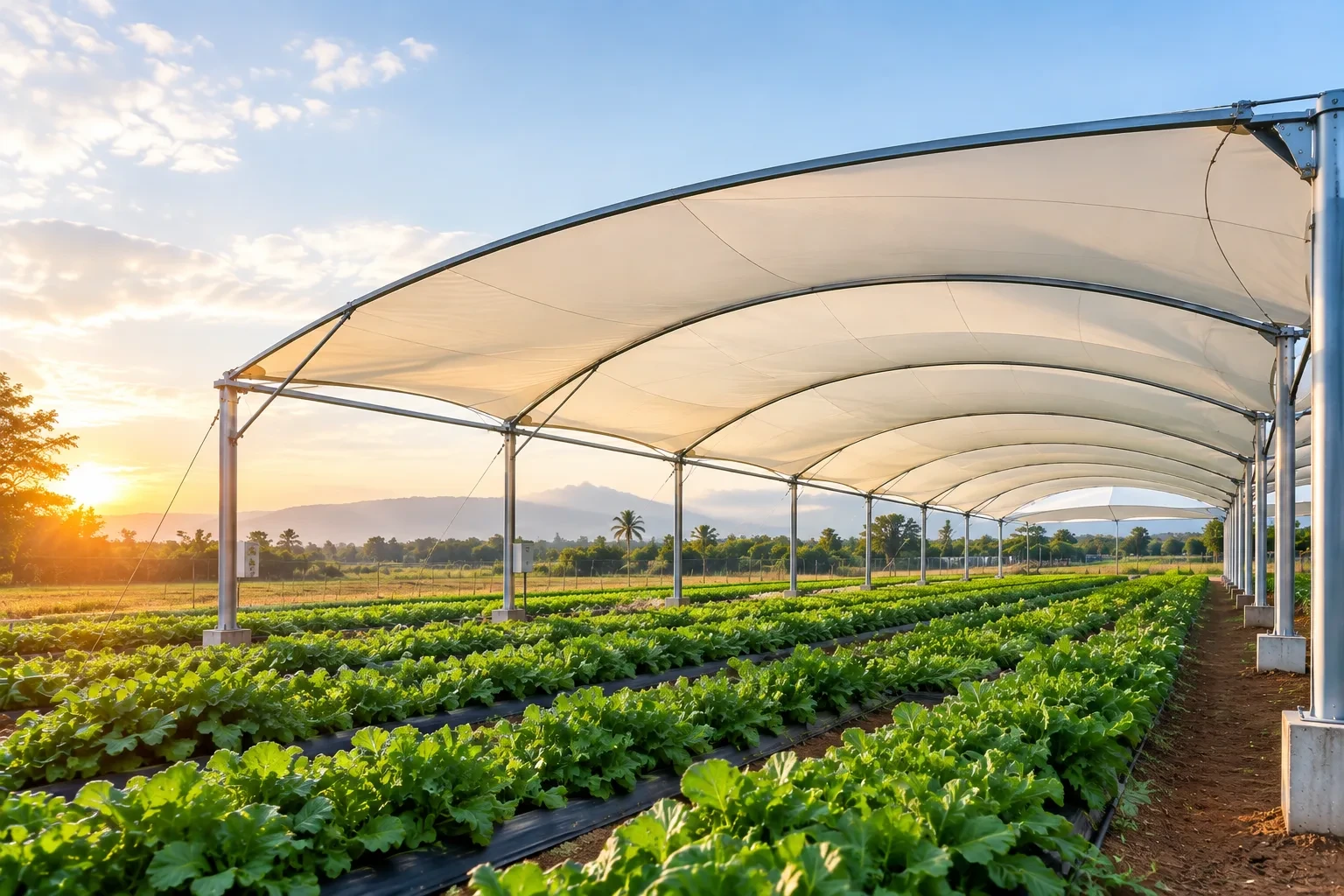
Benefits of Tensile Roofing Structures for Modern Agriculture
How to Maintain Tensile Roofing Structures
Benefits of Tensile Roofing for Industrial Projects
Can Tensile Structures Handle Heavy Rain and Strong Wind Loads
Questions to Ask Before Choosing a Prefabricated Farmhouse Manufacturer
How Long Does it Take to Install a 10,000 sq ft Prefab Warehouse in India?
How Pressmach Delivered a 50-Bed Hospital in Just 90 Days
How Educational Institutions Are Using Portable Classrooms to Handle Enrollment Pressure
Can a Prefab Structure Be Installed During Monsoon or Do You Have to Wait It Out?
How to Install Solar Panels on Prefabricated Rooftop Structures
Tensile Roofing Structures for Outdoor Storage Yards: What Material Holds up to Indian Weather?

What Makes Prefab Quality Control Rooms Ideal for Manufacturing Facilities?

How Portable Workmen Accommodation Improves Site Productivity
How Prefabricated Buildings Help Reduce Project Delays?
What Are Prefabricated Hospitals and When Are They the Right Choice?
What Are the Advantages of Prefab Toilets Over Conventional Toilets?
How PUF Panels Improve Cooling Efficiency in Warehouses and Cold Rooms
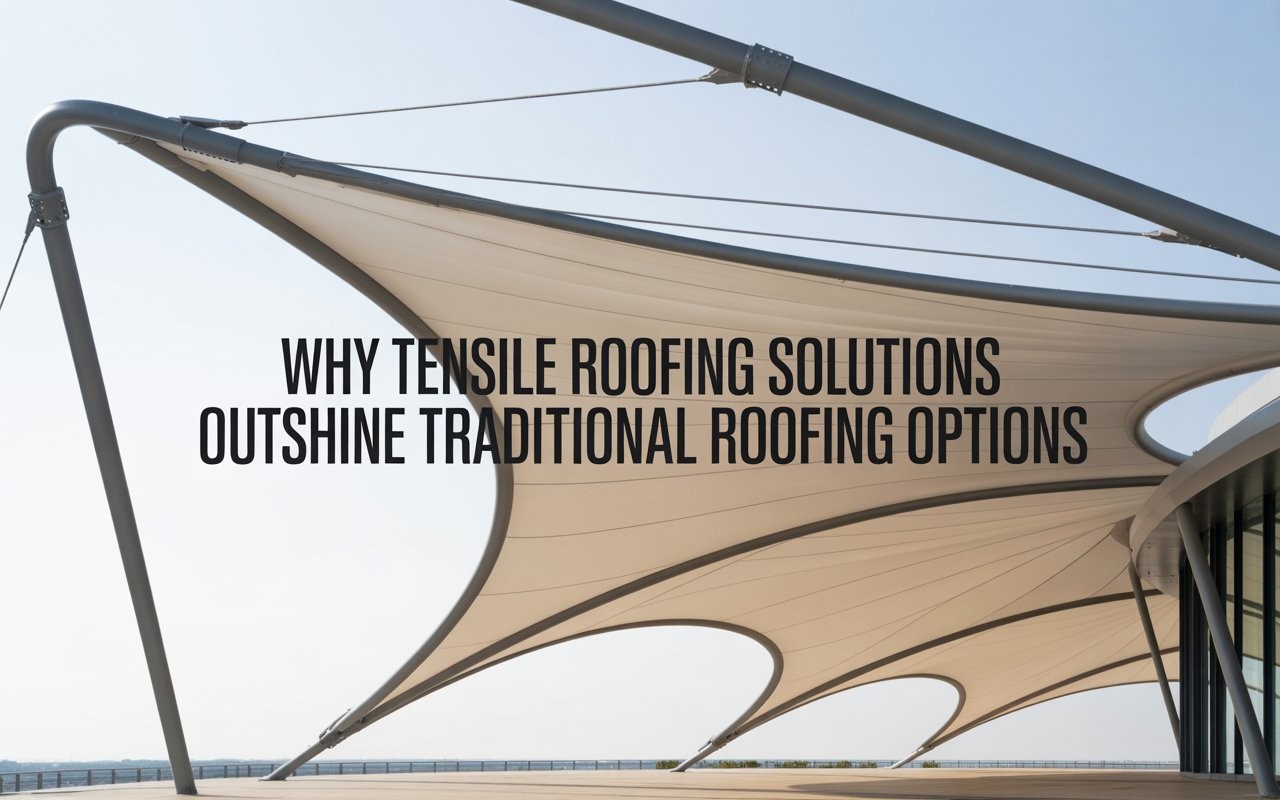
Why Tensile Roofing Solutions Outshine Traditional Roofing Options
Top Industries that Benefits from Prefabricated Structures
The Rise of Prefabricated Construction in India: Benefits and Challenges
Why You Should Conduct Soil Testing Before Building a Prefab Modular Home
How Pressmach is India's Leading Prefabricated Building Manufacturer
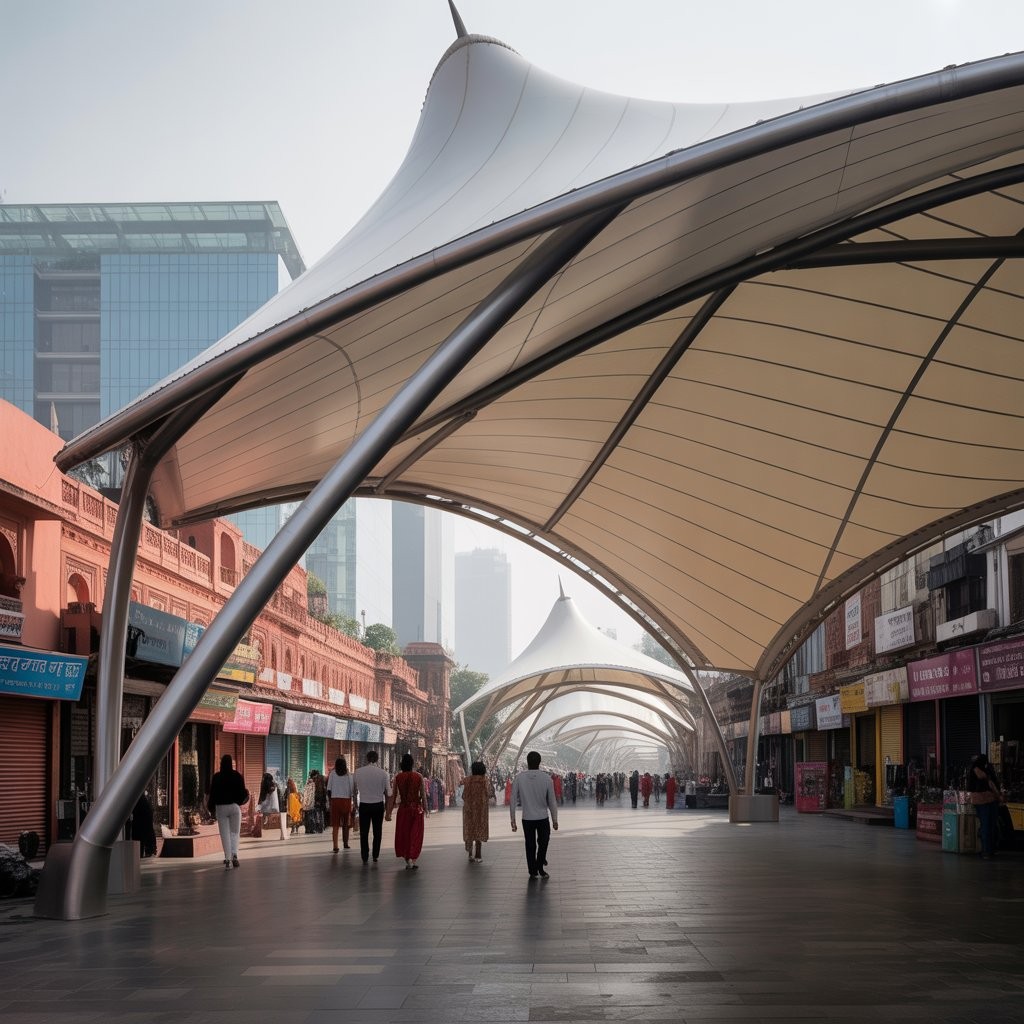
How Tensile Architecture Combines Sustainability with Striking Design

Rising Demand and Future Growth of the Solar Mounting Structures Market
Why Are Prefabricated Site Offices a Smart Choice?
Why Businesses are Turning to PEB Building Construction in 2025

Why PUF Panels Are the Best Choice for Prefabricated Construction

Acoustic Enclosures vs Industrial Enclosures: What’s the Difference and Why It Matters

Solar Panel Orientation and Tilt Angle: How Mounting Structures Play a Role

Rise of Prefabricated Data Centers in India’s Digital Boom

Can Prefabricated Structures Withstand Seismic Shocks?

How LGSF is Revolutionizing Affordable Housing in India

Role of Prefabricated Warehouses in Modern Business Storage Solutions

The Future of AI in Prefabricated Construction

10 Major Advantages of Prefabrication in Modern Construction Projects

Advancements in Prefabricated Materials: What to Expect in 2025
6790c3d8f29a2.jpeg)
The Role of Prefabrication in Disaster Relief and Emergency Housing

Tips for Preparing Your Site for a Prefabricated Structure

Are Modular Prefab Homes Suitable for Extreme Weather Conditions

Uses Of Peb Structure In Residential Spaces

Trends and Innovations in Prefab Commercial Buildings

Top Benefits of Modular Office Space in 2024

Prefabricated Homes vs Traditional Homes

Benefits of Having Modular Prefabricated Cold Storage Solutions

How is Prefab Modernising India’s Ageing Industrial Spaces

How Modular Construction Improves Accessibility in Remote Areas

How to Choose the Right PUF Panels for Your Prefab Building

Types of Pre-engineered Buildings Used in Different Industries

Pre-Monsoon Checklist For PEB Buildings

Uses of Portable Cabins in Disaster Relief

Top Uses for Portable Cabins

Advantages of Portable Security Cabins

Why are Eco-friendly Prefab Homes a Better Choice

Insulation and Passive Technology Benefits of Prefab Modular Buildings

Why is Prefab Construction Greener than RCC Construction

Securing Modular and Prefabricated Buildings: Essential Tips

Benefits of Modular Construction in Healthcare

Factors To Consider Before Buying A Prefabricated Warehouse Building

Benefits of Portable Labour Accommodation Manufacturer

Reasons To Choose Portable Cabins

Myths And Facts About Portable Office Buildings

Innovative Uses Of Modular Buildings
Benefits Of Modular Cleanroom
Advantages Of Pre-Engineered Factory Buildings
65cf4d38697f9.webp)


65cf65f046eed.webp)

64afe3444467b.jpeg)

Importance Of Having Portable Toilets On-Site
Why Prefab Solutions are Ideal For Schools In Rural Areas?
What Is The Difference Between Precast And Prefabricated Buildings?
How LGSF Building Helps In Rapid Construction

Important Things To Look For In a Prefab Company
How Long Does A Prefab Structure Last
 site office front view622f00119ba65.jpg)
9 Benefits Of Choosing Portable On Site Office

Building Materials Used for Modular Construction
6349487807893.jpeg)
Modular Home Construction: Pros and Cons