
How to Maintain Tensile Roofing Structures
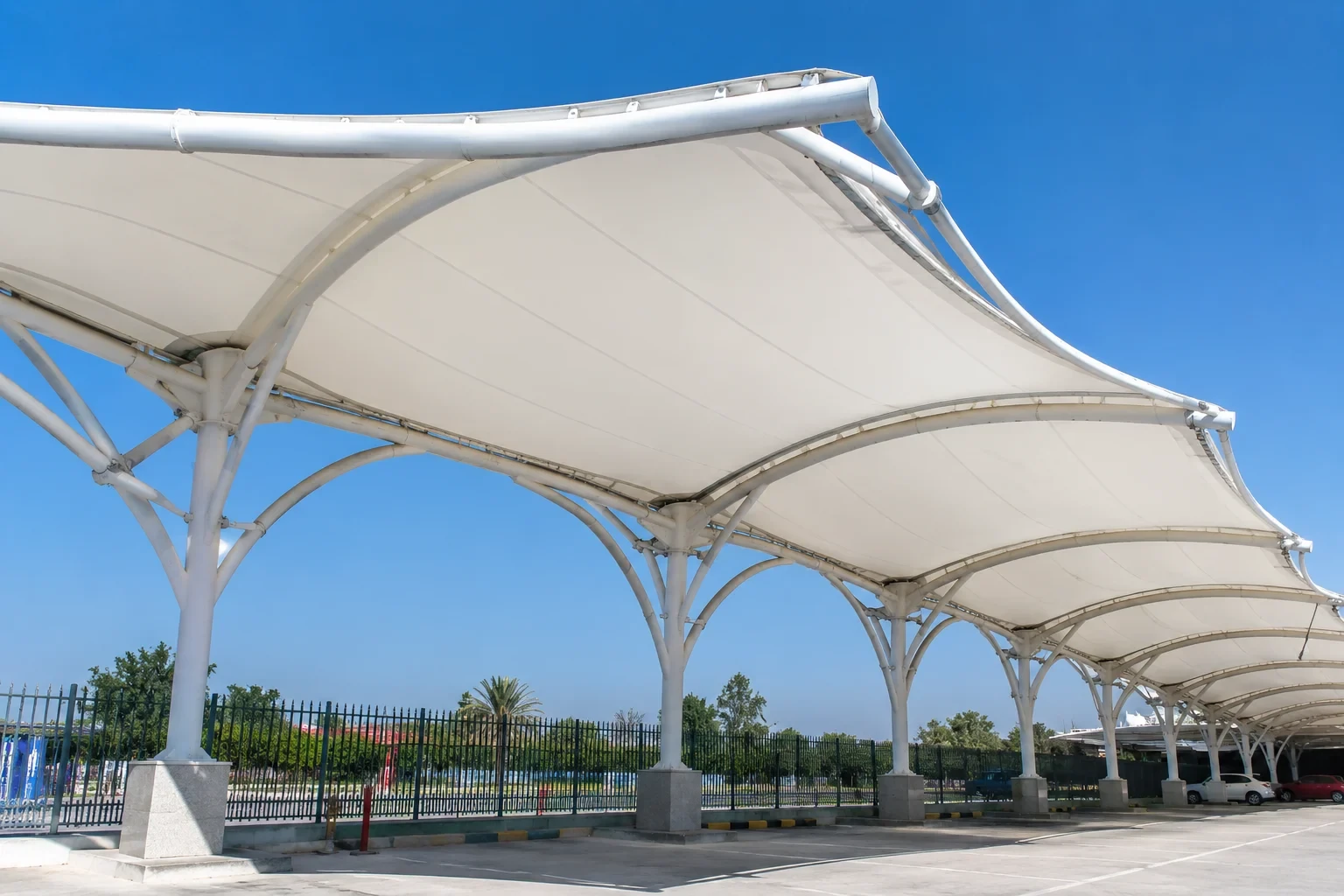
Tensile roofing structures have become a popular choice for industrial, commercial, institutional, and public infrastructure projects. They're lightweight, resilient, and architecturally versatile in ways that traditional roofing just isn't. However, even the most well-constructed tensile structure needs to be regularly attended to so that it continues to operate safely and looks as it should. Routine inspections, periodic cleaning, and preventative maintenance can spot little problems before they become costly ones, maintaining both the integrity of the structure and the way it looks over the long haul.
Why Do Tensile Roofing Structures Need Maintenance?
Tensile roofing structures use high-strength fabric membranes supported by steel frames and tensioned cable networks to cover large areas without internal columns. That combination of lightweight construction, modern aesthetics, and wide-span capability makes them well-suited to warehouses, stadiums, parking sheds, commercial complexes, transport hubs, schools, and public spaces.
They're designed to handle harsh conditions, but they're still exposed to sunlight, wind, rain, dust, pollution, and temperature swings every single day. Over time, those environmental pressures work on the membrane, steel framework, and tensioning components in ways that gradually add up. Loose cables, blocked drainage, or a small membrane tear might seem manageable individually, but left unattended, they can undermine the structure's performance and lifespan considerably. Regular maintenance is what keeps those minor issues from becoming major ones.
Common Factors That Can Affect the Performance of Tensile Roofing Structures
There are many environmental and operational elements that affect the durability and performance of tensile roofing systems.
Continuous Weather Exposure
Strong winds impact the cable tension. If drainage is impeded, heavy rain can cause water to stand. The daily swings in temperature lead the materials to expand and contract. This puts a constant load on the structural components over time.
Ultraviolet Radiation
Good quality tensile membranes are made with UV-resistant coatings, but continuous exposure to the sun will eventually degrade the performance of those coatings. Routine examinations help detect surface wear before reaching the membrane itself.
Dirt, Pollution, and Biological Growth
In urban or industrial environments, dust, pollution, bird droppings, leaves and organic waste build up on the surface of the membrane. If not removed at regular intervals, these impurities not only change the appearance of the building but trap the moisture, leading to faster deterioration of the materials.
Mechanical Damage
Impacts from maintenance equipment, falling branches, nearby construction activity, or sharp objects can puncture or tear the membrane. Even small damage needs prompt attention, as minor damage spreads faster than most people expect.
Essential Tips to Maintain Tensile Roofing Structures
A proactive maintenance programme significantly increases the lifespan of tensile roofing systems while reducing unexpected repair costs.
Carry Out Regular Professional Inspections
Inspections are the foundation of any maintenance programme. An inspection should be done on the membrane, the supporting steel structure, the cable systems, the welded joints, the anchor points and the drainage components. Yearly professional inspections uncover hidden flaws before they become structural difficulties and also check that the roofing system is still working to its design specification.
Clean the Membrane Using Appropriate Methods
Regular cleaning protects the surface coating and maintains the structure's appearance. Use mild detergents and clean water. Abrasive brushes and harsh chemicals damage the protective coating and should always be avoided. How often the membrane needs to be cleaned depends on the environment. Buildings near industrial regions or busy roadways often require more frequent upkeep than those in cleaner locations.
Inspect the Tensioning System
The membrane needs to be kept at the correct tension so it can transmit loads efficiently and shed rainwater effectively. Loose cables, worn fittings, or an overstretched membrane must be attended to by qualified people as soon as possible. Proper tension will also prevent it from drooping and will add to the overall stability of the building.
Ensure Efficient Rainwater Drainage
Water sitting on the membrane surface for extended periods is a problem. Gutters, outlets, and drainage channels need regular checking and clearing to prevent blockages from leaves, dust, and debris. Good drainage relieves unneeded tension on the membrane and decreases the danger of structural deformation over time.
Monitor the Steel Framework
Most of the maintenance focus goes to the membrane, but the steel structure underneath is equally deserving of the same attention. Routine checks should be made for corrosion, loose bolts, broken welds and failing protective coatings. If caught early, it will keep your entire roof system stable.
Repair Damage Without Delay
Small punctures, loose seams, and damaged connections are easy to overlook, but they shouldn't be. Water seeps through even minor damage, leading to further tearing and, eventually, costly structural work. Professional repairs carried out promptly preserve both the strength and the appearance of the membrane.
Signs It's Time to Inspect or Repair Your Tensile Roofing Structure
Visible sagging, folds in the membrane, water pooling that doesn’t clear, or inexplicable leaks all signify something that needs rapid care. Rust on steel components, loose wires, damaged connection points, membrane discolouration, and unusual movement in heavy wind are warning indicators worth examining seriously.
It's also worth scheduling an inspection after severe weather events, such as storms or heavy rainfall, which can cause damage that isn't immediately visible. Picking up on small defects early is almost always cheaper and easier than dealing with them once they've developed into something more serious.
Common Maintenance Mistakes to Avoid
Even well-designed tensile roofs can experience premature wear if maintenance is carried out incorrectly.
Delaying Routine Inspections
Most maintenance problems start small and get worse because inspections were put off until damage became obvious. Preventive inspections are consistently cheaper than emergency repairs.
Using Incorrect Cleaning Products
Strong chemical cleaners and abrasive equipment strip the protective coating from tensile membranes. Manufacturers generally recommend pH-neutral cleaning agents that clean effectively without affecting performance.
Ignoring Minor Damage
Small cuts, slightly loose fittings, or subtle sagging often don't seem urgent until they worsen under sustained wind and weather exposure. Addressing them straight away avoids far more extensive repair work later.
Attempting Unauthorised Repairs
Adjusting cable tension or repairing membrane materials without the right knowledge and equipment can compromise structural safety. Repairs should always be carried out by trained professionals using appropriate materials and approved methods.
Partner with Pressmach for Durable Tensile Roofing Structures
With decades of engineering experience, Pressmach creates tensile roofing systems for industrial, commercial, and infrastructural projects throughout India. We mix quality tensile membranes, corrosion-resistant steel, and precision production in the creation of buildings that are truly robust, weather-resistant, and visually strong.
Pressmach provides comprehensive turnkey solutions as per the exact requirements of the project. Right from the initial concept and design to fabrication, installation, and after-sales service. All structures are constructed to high material standards and industry best practices with long-term performance and low maintenance in mind.
Whether you're planning a warehouse canopy, stadium roof, parking shed, walkway cover, or commercial tensile structure, contact Pressmach for expert guidance and a solution built to last.
Your Requirements
Related
Blogs
How Tensile Roofing Structures Reduce Swimming Pool Maintenance
Benefits of Tensile Roofing Structures for Modern Agriculture
Benefits of Tensile Roofing for Industrial Projects
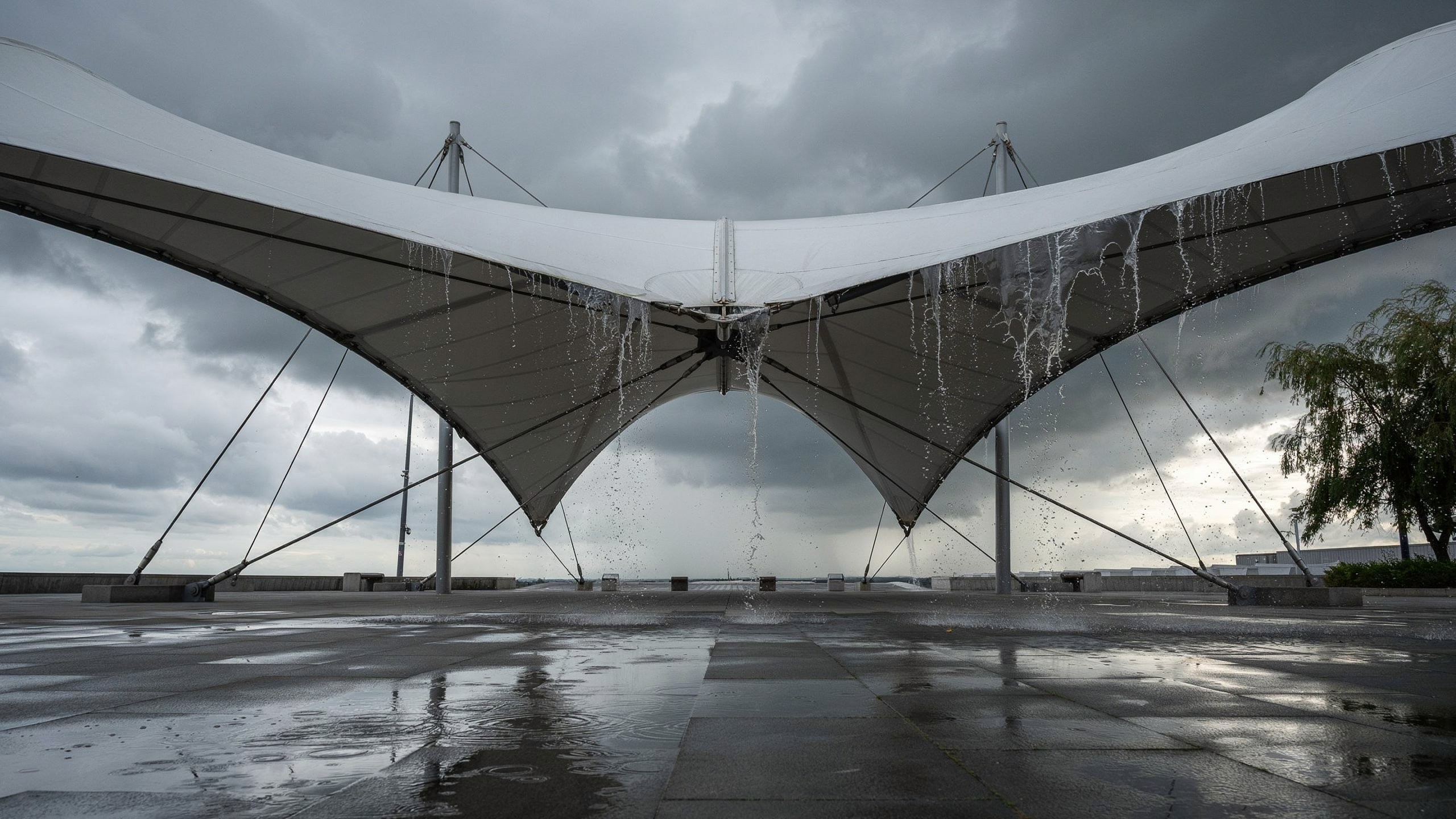
Can Tensile Structures Handle Heavy Rain and Strong Wind Loads
Questions to Ask Before Choosing a Prefabricated Farmhouse Manufacturer
How Long Does it Take to Install a 10,000 sq ft Prefab Warehouse in India?
How Pressmach Delivered a 50-Bed Hospital in Just 90 Days
How Educational Institutions Are Using Portable Classrooms to Handle Enrollment Pressure
Can a Prefab Structure Be Installed During Monsoon or Do You Have to Wait It Out?
How to Install Solar Panels on Prefabricated Rooftop Structures
Tensile Roofing Structures for Outdoor Storage Yards: What Material Holds up to Indian Weather?

What Makes Prefab Quality Control Rooms Ideal for Manufacturing Facilities?

How Portable Workmen Accommodation Improves Site Productivity
How Prefabricated Buildings Help Reduce Project Delays?
What Are Prefabricated Hospitals and When Are They the Right Choice?

Why Tensile Membrane Structures are the Future of Modern Architecture in India
What Are the Advantages of Prefab Toilets Over Conventional Toilets?
How PUF Panels Improve Cooling Efficiency in Warehouses and Cold Rooms
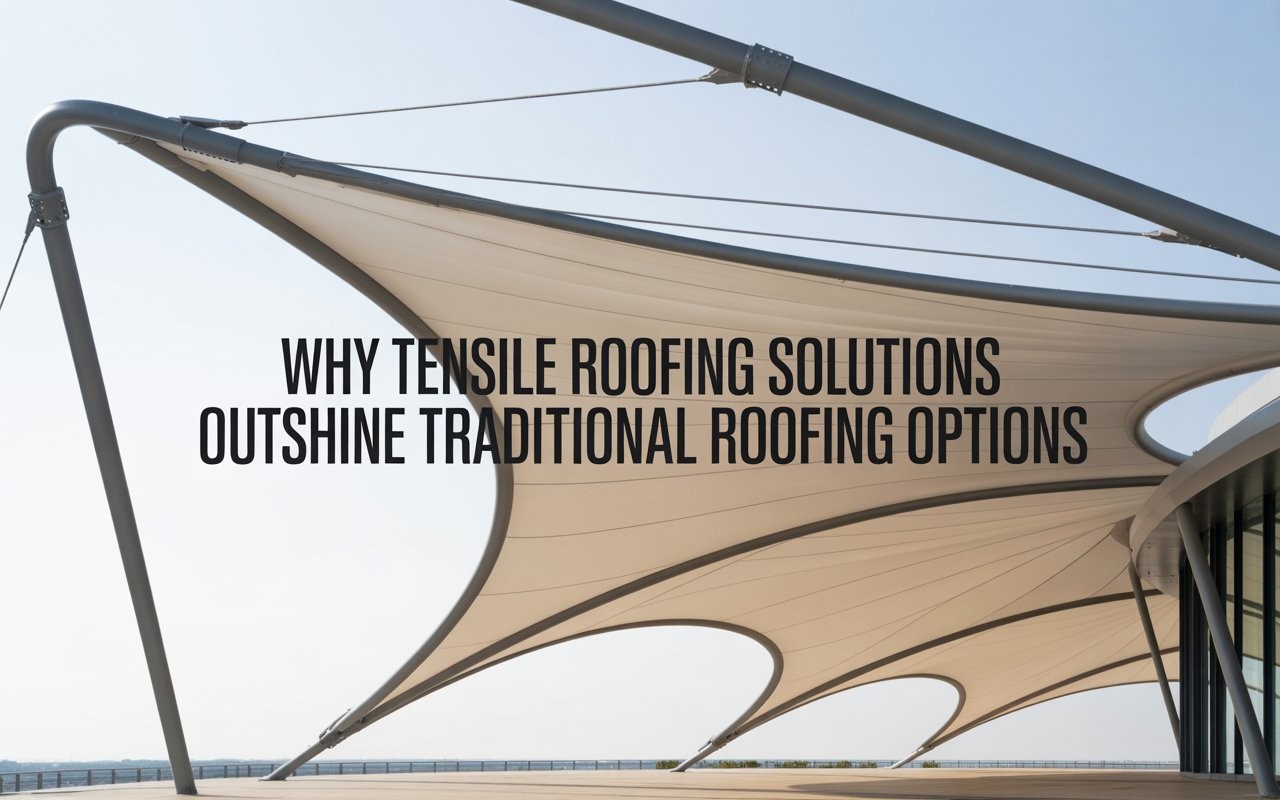
Why Tensile Roofing Solutions Outshine Traditional Roofing Options
Top Industries that Benefits from Prefabricated Structures
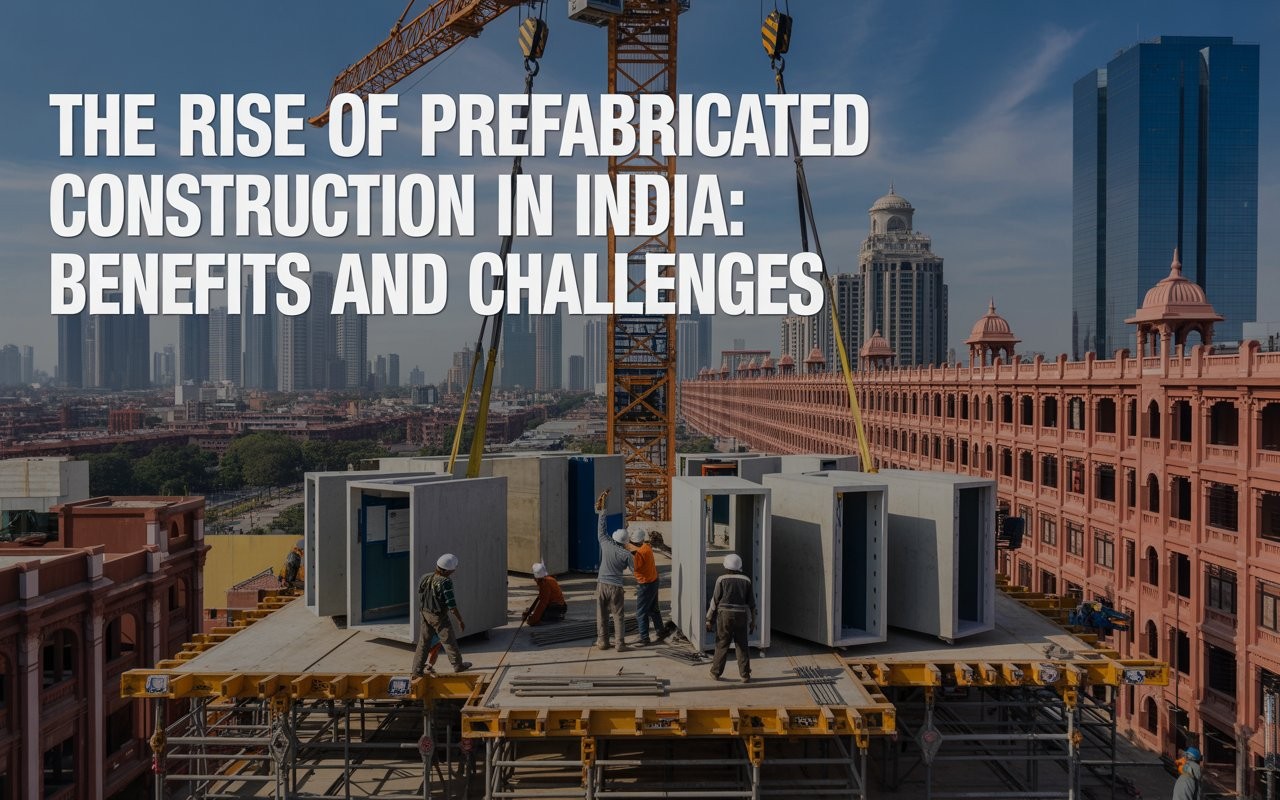
The Rise of Prefabricated Construction in India: Benefits and Challenges

Why You Should Conduct Soil Testing Before Building a Prefab Modular Home
How Pressmach is India's Leading Prefabricated Building Manufacturer
How Tensile Architecture Combines Sustainability with Striking Design

Rising Demand and Future Growth of the Solar Mounting Structures Market
Why Are Prefabricated Site Offices a Smart Choice?
Why Businesses are Turning to PEB Building Construction in 2025

Why PUF Panels Are the Best Choice for Prefabricated Construction

Acoustic Enclosures vs Industrial Enclosures: What’s the Difference and Why It Matters

Solar Panel Orientation and Tilt Angle: How Mounting Structures Play a Role

Rise of Prefabricated Data Centers in India’s Digital Boom

Can Prefabricated Structures Withstand Seismic Shocks?

How LGSF is Revolutionizing Affordable Housing in India

Role of Prefabricated Warehouses in Modern Business Storage Solutions

The Future of AI in Prefabricated Construction

10 Major Advantages of Prefabrication in Modern Construction Projects

Advancements in Prefabricated Materials: What to Expect in 2025
6790c3d8f29a2.jpeg)
The Role of Prefabrication in Disaster Relief and Emergency Housing

Tips for Preparing Your Site for a Prefabricated Structure

Are Modular Prefab Homes Suitable for Extreme Weather Conditions

Uses Of Peb Structure In Residential Spaces

Trends and Innovations in Prefab Commercial Buildings

Top Benefits of Modular Office Space in 2024

Prefabricated Homes vs Traditional Homes

Benefits of Having Modular Prefabricated Cold Storage Solutions

How is Prefab Modernising India’s Ageing Industrial Spaces

How Modular Construction Improves Accessibility in Remote Areas

How to Choose the Right PUF Panels for Your Prefab Building

Types of Pre-engineered Buildings Used in Different Industries

Pre-Monsoon Checklist For PEB Buildings

Uses of Portable Cabins in Disaster Relief

Top Uses for Portable Cabins

Advantages of Portable Security Cabins

Why are Eco-friendly Prefab Homes a Better Choice

Insulation and Passive Technology Benefits of Prefab Modular Buildings

Why is Prefab Construction Greener than RCC Construction

Securing Modular and Prefabricated Buildings: Essential Tips

Benefits of Modular Construction in Healthcare

Factors To Consider Before Buying A Prefabricated Warehouse Building

Benefits of Portable Labour Accommodation Manufacturer

Reasons To Choose Portable Cabins

Myths And Facts About Portable Office Buildings

Innovative Uses Of Modular Buildings
Benefits Of Modular Cleanroom
Advantages Of Pre-Engineered Factory Buildings
65cf4d38697f9.webp)


65cf65f046eed.webp)

64afe3444467b.jpeg)

Importance Of Having Portable Toilets On-Site
Why Prefab Solutions are Ideal For Schools In Rural Areas?
What Is The Difference Between Precast And Prefabricated Buildings?
How LGSF Building Helps In Rapid Construction

Important Things To Look For In a Prefab Company
How Long Does A Prefab Structure Last
 site office front view622f00119ba65.jpg)
9 Benefits Of Choosing Portable On Site Office

Building Materials Used for Modular Construction
6349487807893.jpeg)
Modular Home Construction: Pros and Cons