
How Prefab Buildings Can Help You Earn Green Building Ratings (IGBC/GRIHA)
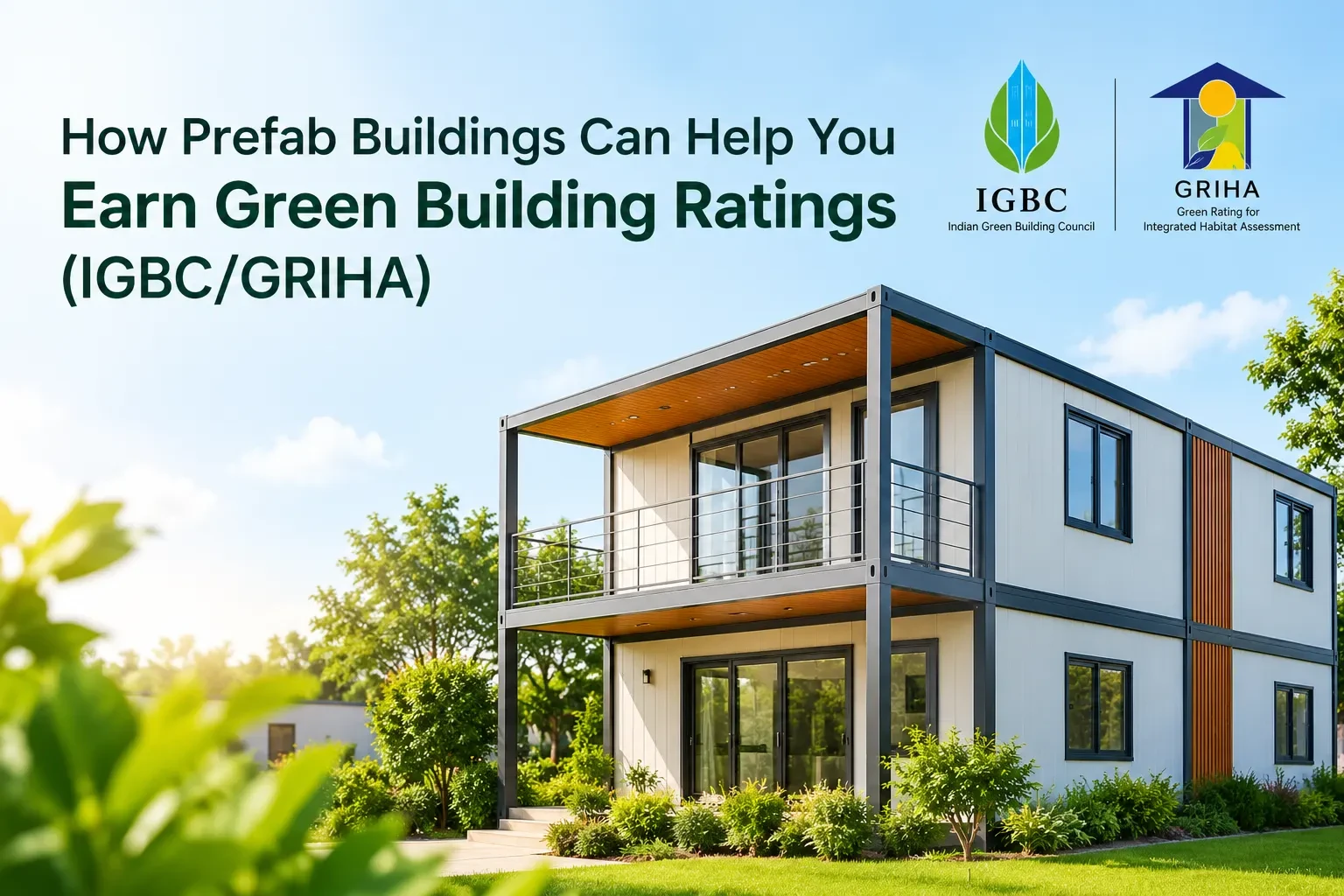
When people talk about green buildings, the conversation often goes beyond solar panels and rooftop gardens. The materials used, the amount of construction waste produced, energy consumed, water saved, and even the way a building is assembled can all influence its environmental performance. This is where prefab buildings can offer a practical advantage. Since many building components are manufactured in a controlled setting, prefabricated construction can make better use of materials, reduce waste at the site and shorten on-site construction activities. With the right insulation, energy-saving systems, water management measures, and material choices, prefab construction can also support projects working towards recognized green building ratings such as IGBC and GRIHA.
At the same time, using a prefab structure does not automatically make a building eligible for a green certification. IGBC and GRIHA consider the building as a whole, including its design, energy and water performance, materials, construction practices and supporting documentation. So, how exactly can prefabricated construction contribute to a green building project? In this blog, we explore how prefab buildings can support IGBC and GRIHA requirements, reduce material waste, conserve resources and help project teams make more sustainable construction choices.
Why Green Building Ratings Matter for Modern Construction
A green building rating provides a structured way to measure the environmental performance of a building instead of relying on broad claims about sustainability. In India, IGBC offers rating systems for different building types, while GRIHA is India's national green building rating system developed by TERI and adopted by the Government of India in 2007.
For example, IGBC Green New Buildings covers areas such as sustainable architecture and design, water conservation, energy efficiency, building materials and resources, indoor environmental quality, and innovation. GRIHA also examines areas such as sustainable site planning, construction management, energy efficiency, occupant comfort, water management, solid waste management, sustainable building materials, and performance monitoring.
This matters because sustainability starts well before a building is occupied. The way materials are purchased, transported, stored, fabricated, and installed can affect the environmental impact of a project.
Prefab construction offers an interesting advantage here. A large part of the work can be carried out in a controlled manufacturing environment before components reach the site. This can make material planning more precise and reduce some of the waste and disturbance normally associated with extensive on-site construction.
How Prefab Buildings Support IGBC and GRIHA Requirements
Prefab buildings can contribute to a green building strategy in several ways. The exact contribution depends on the building type, design, materials selected, and the particular version of the rating system being pursued. Here’s why prefab solutions are considered ideal:
Better Material Planning
Factory-based manufacturing allows components to be designed and fabricated according to specific measurements. Accurate fabrication can reduce unnecessary cutting, excess material and repeated adjustments at the construction site.
This is particularly useful when the project team keeps records of material quantities, manufacturing waste, reused materials and recyclable waste. Such documentation can become useful evidence during green building assessment.
Controlled Manufacturing
A factory provides greater control over how components are manufactured, stored and inspected. Materials can be measured and processed in a planned setting instead of being exposed to the same level of site-related variability.
For a green project, this can make it easier to track material use and construction practices. The documentation aspect should not be overlooked. GRIHA, for example, specifically considers construction management practices and asks projects to document construction waste generation, reuse and recycling.
Reduced Site Activity
Prefab components can arrive at the site ready for assembly. This reduces the amount of fabrication required at the project location and can shorten the period of intensive construction activity.
Less site work can mean less packaging, cutting and discarded material at the construction location. It can also reduce disturbance associated with prolonged construction, although the actual environmental benefit depends on the project design, transportation requirements and site practices.
Support for Energy-Conscious Design
The building envelope has a major role in determining how much energy a building needs during operation. Insulated wall and roof systems, appropriate glazing, shading, natural ventilation and suitable building orientation can all influence thermal performance.
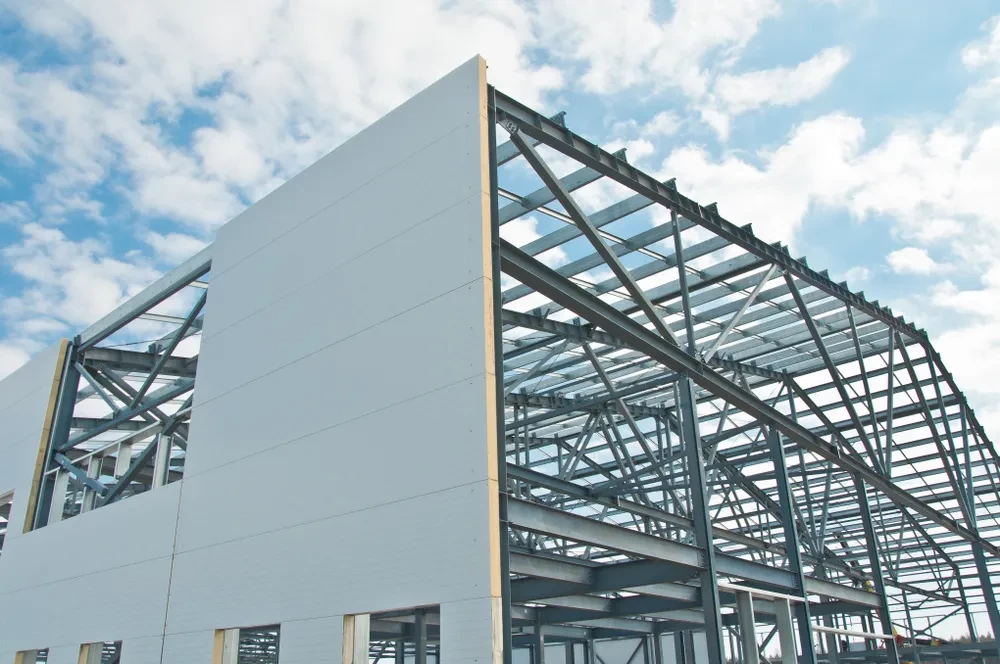
Prefab construction can accommodate these features through the selection and assembly of appropriate wall, roof and insulation systems. Pressmach offers prefab structures using steel frames with PUF and EPS insulated panels in certain building applications.
The key point is that insulation or panels alone do not make a building green. Their contribution needs to be considered as part of the building's overall thermal and energy performance.
How Prefabricated Construction Helps Reduce Material Waste
Construction waste is one of the areas where the difference between factory production and extensive on-site construction can become particularly noticeable. On a conventional construction site, materials may need to be cut, shaped and adjusted several times as work progresses. Surplus concrete, steel, boards, packaging and other materials can accumulate when quantities are difficult to predict or when components need to be modified on site.
Prefab manufacturing moves much of this work into a controlled production environment. Components are produced according to predetermined dimensions and specifications. This can reduce unnecessary offcuts and make material quantities easier to plan. Pressmach offers prefabricated structures, pre-engineered buildings, LGSF construction and modular solutions. Its approach to prefabrication can help reduce material wastage by shifting much of the fabrication work away from the construction site.
There is another advantage worth considering. Materials that remain after manufacturing can often be separated and managed more systematically than mixed waste generated across a busy construction site. Metals such as steel also have strong recycling potential, which makes material selection and end-of-life planning relevant to the sustainability discussion.
GRIHA's construction management requirements illustrate why this matters. A project needs to demonstrate proper storage and disposal of construction waste, along with records showing the quantity of waste generated, reused or sent to recyclers. For a project seeking a green rating, simply producing less waste is not enough. The project team should also be able to demonstrate how waste was managed.
Energy Efficiency and Resource Conservation in Prefab Buildings
A sustainable prefab building is not simply a building that was manufactured in a factory. Its environmental performance also depends on what happens after installation. Energy consumption can be influenced by the building envelope, insulation, orientation, glazing, shading, lighting, HVAC systems and the use of natural daylight and ventilation. Prefab construction can provide a practical base for incorporating these features into the building design.
For example, insulated wall and roof panels can help reduce unwanted heat transfer. Properly designed openings can improve daylight and ventilation. Energy-efficient lighting, suitable HVAC equipment, occupancy controls and solar power can be considered alongside the prefab structure. Water management is another important area. Green building projects may incorporate rainwater harvesting, low-flow fixtures, wastewater treatment or reuse systems depending on the building type and rating criteria.
IGBC rating systems address areas such as water conservation, energy efficiency, materials and resources, indoor environmental quality and site planning. GRIHA also gives dedicated attention to water management, energy efficiency and performance monitoring. This means the green potential of a prefab building should be considered as a complete package. A well-designed structure with suitable insulation but inefficient lighting, excessive water consumption and poor site planning may still fall short of a project's sustainability target.
Documentation Can Be Just as Important as the Building Materials
One aspect of green certification that people sometimes overlook is documentation. A project may use recyclable materials, manage construction waste properly and install energy-saving systems, but the project team still needs appropriate records to demonstrate compliance with the relevant requirements.
This is particularly important when prefab components are manufactured away from the construction site. Material specifications, product information, manufacturing records, quantities, recycled content information where applicable, waste records and other technical documents can be useful during the assessment process.
The exact documents required will depend on the rating system, project type and certification version. GRIHA, for example, has a formal process covering registration, workshops, site visits, documentation submissions and evaluation.
For this reason, architects, sustainability consultants and prefab manufacturers should discuss the project's green building objectives before manufacturing begins. Material selection and documentation can then be considered alongside the building design instead of being addressed at the final stage.
Key Factors to Consider When Choosing Prefab Buildings for Green Projects
If you are planning a prefab building and intend to pursue an IGBC or GRIHA rating, look beyond construction speed and initial cost. Make sure that you focus on the following factors:
- Select Materials Carefully: Ask about the structural materials, insulation, panels, finishes and other products proposed for the building. Consider durability, recycled content where relevant, recyclability, local sourcing and available product documentation.
- Look at Thermal Performance: The walls and roof should be selected according to the project's climate and energy requirements. Insulation, glazing, shading and ventilation all have a role in the final thermal performance of the building.
- Plan for Construction Waste Management: Discuss how manufacturing waste, packaging and site waste will be collected, reused, recycled or disposed of. Keep records that can support the project's green building documentation.
- Consider Water and Energy Systems Early: Rainwater harvesting, efficient plumbing fixtures, solar systems, energy-efficient lighting and suitable HVAC equipment should be considered during design rather than added as an afterthought.
- Ask for Technical Documentation: A reliable prefab manufacturer should be able to provide relevant specifications and product information for the components used in the building. Depending on the project, this may include material specifications, insulation details, structural information, quality records and other supporting documents.
- Involve the Green Building Team Early: The prefab manufacturer, architect, structural engineer and green building consultant should discuss the rating target before finalizing the building specification. This allows the team to identify which design and material decisions may contribute to the selected rating system.
- Consider the Complete Building, Not Just the Prefab Structure: IGBC and GRIHA assess buildings across multiple areas. Site planning, water, energy, materials, indoor comfort, waste management and building performance all have a role. Prefabrication can support some of these areas, but the final rating depends on the complete project.
Achieve Sustainable Construction Goals with Pressmach Prefab Buildings
Pressmach offers engineered and customized prefab buildings for commercial, institutional, industrial, and residential applications. With experience in prefabricated structures, pre-engineered buildings, LGSF construction, and modular solutions, Pressmach develops building systems around project requirements, site conditions, and intended use.
For projects with sustainability objectives, the right prefab solution can bring together efficient material use, controlled manufacturing, reduced construction waste, and practical resource management. Pressmach's approach includes site planning, architectural design, exterior and interior design, and customized prefab construction, allowing different aspects of a project to be considered together.
A green building rating still depends on the complete project and the requirements of the selected certification system. Pressmach can, however, help project owners and design teams explore prefab solutions that support efficient construction, material optimization, structural performance, and energy-conscious building design. Contact us to learn more about green building ratings from our experts today!
Your Requirements
Related
Blogs
How Tensile Roofing Structures Improve Bus Terminal Infrastructure
How Tensile Roofing Structures Reduce Swimming Pool Maintenance
Benefits of Tensile Roofing Structures for Modern Agriculture
How to Maintain Tensile Roofing Structures
Benefits of Tensile Roofing for Industrial Projects

Can Tensile Structures Handle Heavy Rain and Strong Wind Loads
Questions to Ask Before Choosing a Prefabricated Farmhouse Manufacturer
How Long Does it Take to Install a 10,000 sq ft Prefab Warehouse in India?
How Pressmach Delivered a 50-Bed Hospital in Just 90 Days
How Educational Institutions Are Using Portable Classrooms to Handle Enrollment Pressure
Can a Prefab Structure Be Installed During Monsoon or Do You Have to Wait It Out?
How to Install Solar Panels on Prefabricated Rooftop Structures
Tensile Roofing Structures for Outdoor Storage Yards: What Material Holds up to Indian Weather?

What Makes Prefab Quality Control Rooms Ideal for Manufacturing Facilities?

How Portable Workmen Accommodation Improves Site Productivity
How Prefabricated Buildings Help Reduce Project Delays?
What Are Prefabricated Hospitals and When Are They the Right Choice?
Why Tensile Membrane Structures are the Future of Modern Architecture in India
What Are the Advantages of Prefab Toilets Over Conventional Toilets?
How PUF Panels Improve Cooling Efficiency in Warehouses and Cold Rooms
Why Tensile Roofing Solutions Outshine Traditional Roofing Options
Top Industries that Benefits from Prefabricated Structures
The Rise of Prefabricated Construction in India: Benefits and Challenges
Why You Should Conduct Soil Testing Before Building a Prefab Modular Home
How Pressmach is India's Leading Prefabricated Building Manufacturer
How Tensile Architecture Combines Sustainability with Striking Design
Rising Demand and Future Growth of the Solar Mounting Structures Market
Why Are Prefabricated Site Offices a Smart Choice?
Why Businesses are Turning to PEB Building Construction in 2025

Why PUF Panels Are the Best Choice for Prefabricated Construction

Acoustic Enclosures vs Industrial Enclosures: What’s the Difference and Why It Matters

Solar Panel Orientation and Tilt Angle: How Mounting Structures Play a Role

Rise of Prefabricated Data Centers in India’s Digital Boom

Can Prefabricated Structures Withstand Seismic Shocks?

How LGSF is Revolutionizing Affordable Housing in India

Role of Prefabricated Warehouses in Modern Business Storage Solutions

The Future of AI in Prefabricated Construction

10 Major Advantages of Prefabrication in Modern Construction Projects

Advancements in Prefabricated Materials: What to Expect in 2025
6790c3d8f29a2.jpeg)
The Role of Prefabrication in Disaster Relief and Emergency Housing

Tips for Preparing Your Site for a Prefabricated Structure

Are Modular Prefab Homes Suitable for Extreme Weather Conditions

Uses Of Peb Structure In Residential Spaces

Trends and Innovations in Prefab Commercial Buildings

Top Benefits of Modular Office Space in 2024

Prefabricated Homes vs Traditional Homes

Benefits of Having Modular Prefabricated Cold Storage Solutions

How is Prefab Modernising India’s Ageing Industrial Spaces

How Modular Construction Improves Accessibility in Remote Areas

How to Choose the Right PUF Panels for Your Prefab Building

Types of Pre-engineered Buildings Used in Different Industries

Pre-Monsoon Checklist For PEB Buildings

Uses of Portable Cabins in Disaster Relief

Top Uses for Portable Cabins

Advantages of Portable Security Cabins

Why are Eco-friendly Prefab Homes a Better Choice

Insulation and Passive Technology Benefits of Prefab Modular Buildings

Why is Prefab Construction Greener than RCC Construction

Securing Modular and Prefabricated Buildings: Essential Tips

Benefits of Modular Construction in Healthcare

Factors To Consider Before Buying A Prefabricated Warehouse Building

Benefits of Portable Labour Accommodation Manufacturer

Reasons To Choose Portable Cabins

Myths And Facts About Portable Office Buildings

Innovative Uses Of Modular Buildings
Benefits Of Modular Cleanroom
Advantages Of Pre-Engineered Factory Buildings
65cf4d38697f9.webp)

65cf65f046eed.webp)
64afe3444467b.jpeg)

Importance Of Having Portable Toilets On-Site
Why Prefab Solutions are Ideal For Schools In Rural Areas?
What Is The Difference Between Precast And Prefabricated Buildings?
How LGSF Building Helps In Rapid Construction

Important Things To Look For In a Prefab Company
How Long Does A Prefab Structure Last
 site office front view622f00119ba65.jpg)
9 Benefits Of Choosing Portable On Site Office

Building Materials Used for Modular Construction
6349487807893.jpeg)
Modular Home Construction: Pros and Cons