
Benefits of Tensile Roofing Structures for Modern Agriculture
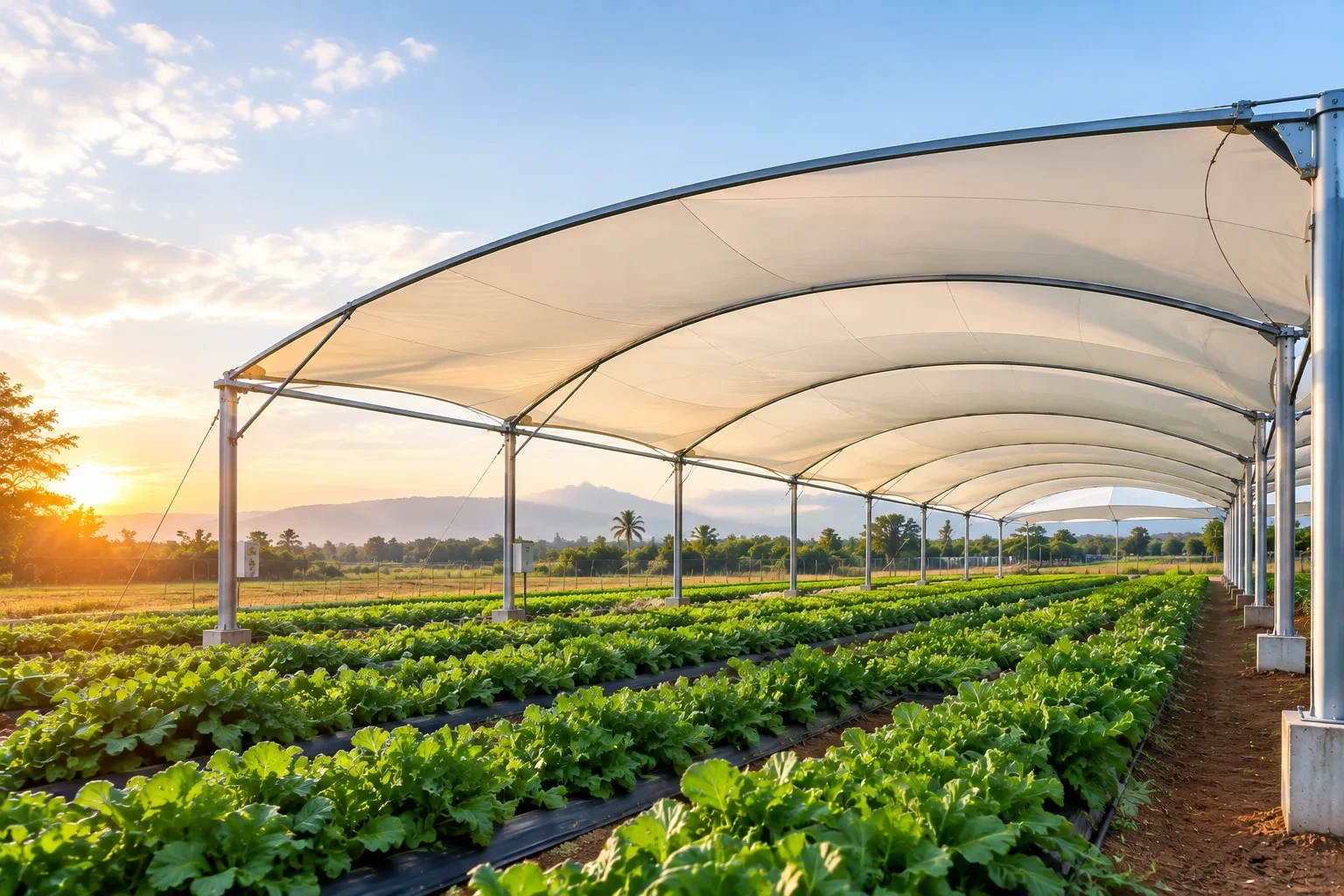
Indian farmers are facing high heat, heavy monsoons, and protracted dry spells in the same year, often on the same stretch of land. Protecting crops, livestock, equipment, and daily work areas from this range of conditions is where tensile roofing structures have become a genuinely useful solution. Instead of relying only on brick sheds or plastic-covered greenhouses, more farms and agricultural facilities are choosing lightweight, engineered fabric roofs that hold up through every season while keeping the space underneath open and usable.
What Are Tensile Roofing Structures, and How Are They Used in Agriculture?
A tensile roofing structure is a covering system built from high-strength fabric membrane, stretched tightly across a steel frame and a network of support cables, instead of a solid roof carried on columns and beams. The fabric stays under constant tension, and that tension is what gives the structure its strength and shape.
On a farm or agricultural facility, this design shows up in several practical forms:
- Livestock sheds that stay ventilated and shaded through the hottest months.
- Storage facilities for grain, produce and fertiliser requiring weatherproof cover, but not heavy build.
- Provides shade for nurseries, plantations and open growing areas.
- Equipment yards and machinery parking that need protection from sun and rain.
- Covered walkways connecting different sections of a larger facility.
The material is lightweight, and the frame is flexible enough in its design that you can size a tensile roof to fit anything from a small dairy shed to a large storage yard, without redesigning the whole system from scratch.
Key Benefits of Tensile Roofing Structures for Modern Agriculture
The primary advantage is protection without compromising. Your crops, animals, and equipment are protected from extreme weather conditions, and the area below is lighted, ventilated, and easy to work in. Unlike solid roofing, a tensile system lets in natural light and air, so day-to-day farm operations don't feel closed off or artificially lit, and that balance is what sets it apart from conventional roofing choices.
During the daylight hours, natural light passes through the membrane, reducing lighting costs.
- Ventilation remains effective, reducing heat stress in the livestock shed.
- Installation takes a fraction of the time needed for brick or RCC construction.
- Long spans are possible without rows of internal columns blocking movement.
- Maintenance stays minimal once the structure is anchored and properly tensioned.
- As demands change over time, expansion or moving is an option for your farm.
How Tensile Roofing Structures Protect Crops, Livestock, and Equipment
Protection comes from combining a weatherproof membrane with a design built to handle wind, rain, and heat without breaking down. Each type of crop, livestock, and equipment requires a slightly different type of coverage, and a well-planned tensile roof is designed to provide protection for all three.
- Crops receive diffused natural light instead of direct exposure to hail, heavy rain, or scorching midday sun.
- Less damage occurs in nurseries and open growing areas in sudden weather changes typical of monsoon months.
- With better air movement, livestock remain cooler and reduce heat stress in dairy and poultry sheds.
- Animals kept dry and shaded through the year tend to show fewer weather-related health issues.
- Stored produce and equipment stay protected from moisture-related damage under a well-anchored membrane.
- The structure does not require heavy internal columns to support the usable floor space.
Why Tensile Roofing Structures Are a Cost-Effective Choice for Agricultural Projects
Cost efficiency comes from three places: less material, faster installation, and lower long-term upkeep. A tensile structure generally requires less supporting material compared to many conventional roofing systems, and the fabric membrane is also lighter and easier to transport than solid roofing sheets. Over the life of the structure, that results in significant savings across a working farm budget.
- Material costs remain lower because the membrane is used instead of the heavy roofing sheets.
- Foundation requirements are lighter, helping reduce overall civil construction expenses.
- Projects move from design to completion in weeks rather than months.
- When the membrane is properly maintained, repairs are rare and affordable.
- Relocation or expansion saves the expense of constructing an entirely new building.
Factors to Consider When Choosing Tensile Roofing Structures for Agriculture
Getting the right structure depends on matching the design to your specific farming operation, not picking a standard size and hoping it fits. Site conditions, local climate, and the kind of agricultural activity underneath all shape what the roofing system should look like.
- Local wind speed and rainfall data should guide the structural design.
- Membrane material needs to suit your climate, whether that means UV resistance or added waterproofing strength.
- Span and height requirements depend on the equipment or livestock housed inside.
- The ventilation requirements differ for crop storage, livestock sheds, and open shade.
- Experience in agricultural projects is more important than general construction experience.
Choose Pressmach for Tensile Roofing Structures for Agriculture
We have been working on prefabricated and engineered structures for nearly 40 years in India, and tensile roofing for agriculture is one of the regular applications. We begin each project by studying your site conditions, usage requirements, and environmental challenges before developing the structural design.
We use high-tensile membrane materials paired with corrosion-resistant steel framing, so our structures hold up through repeated monsoons and long summers. Our installation teams handle everything from foundation work to final anchoring, and we stay available for support after the structure goes up.
If you're planning a tensile roofing structure for your farm, storage facility, or livestock operation, contact us for the right design and a structure built to last.
Your Requirements
Related
Blogs
How Prefab Buildings Can Help You Earn Green Building Ratings (IGBC/GRIHA)
How Tensile Roofing Structures Improve Bus Terminal Infrastructure
How Tensile Roofing Structures Reduce Swimming Pool Maintenance
How to Maintain Tensile Roofing Structures
Benefits of Tensile Roofing for Industrial Projects
Can Tensile Structures Handle Heavy Rain and Strong Wind Loads
Questions to Ask Before Choosing a Prefabricated Farmhouse Manufacturer
How Long Does it Take to Install a 10,000 sq ft Prefab Warehouse in India?
How Pressmach Delivered a 50-Bed Hospital in Just 90 Days
How Educational Institutions Are Using Portable Classrooms to Handle Enrollment Pressure
Can a Prefab Structure Be Installed During Monsoon or Do You Have to Wait It Out?
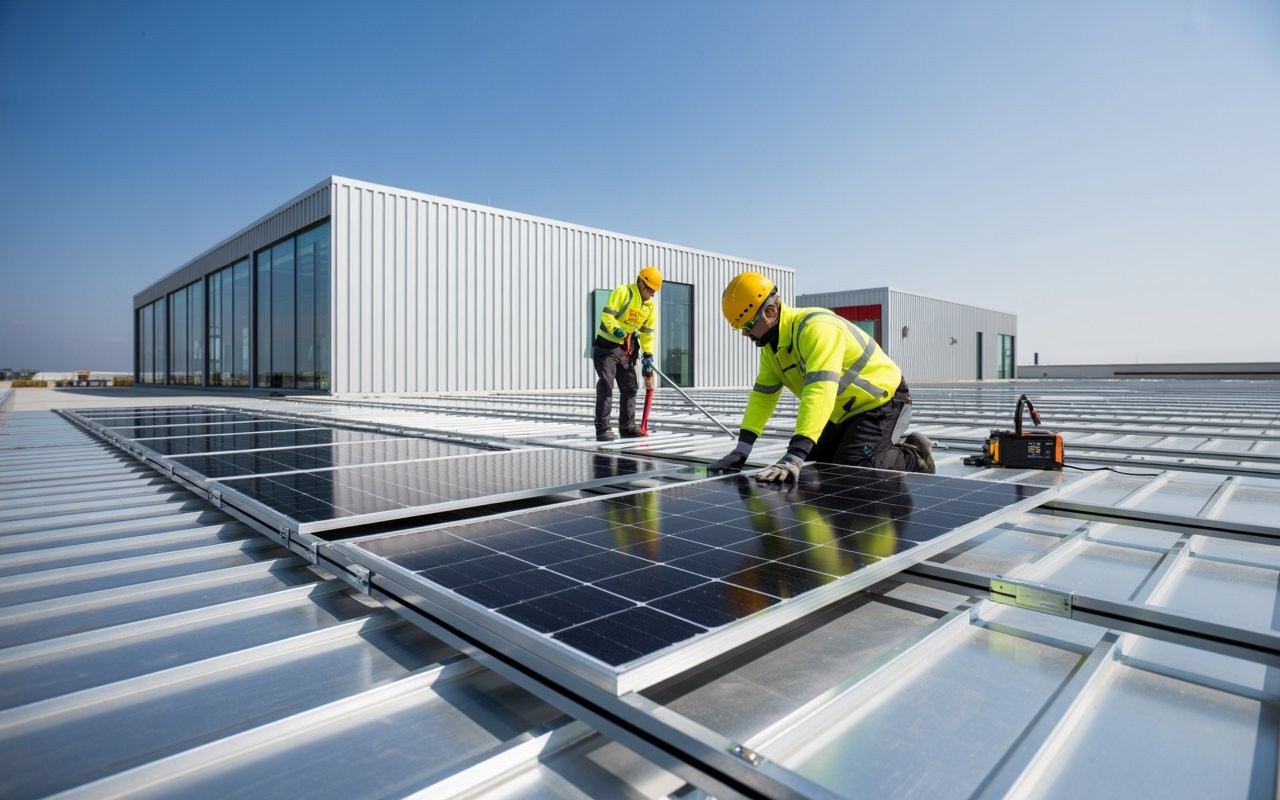
How to Install Solar Panels on Prefabricated Rooftop Structures
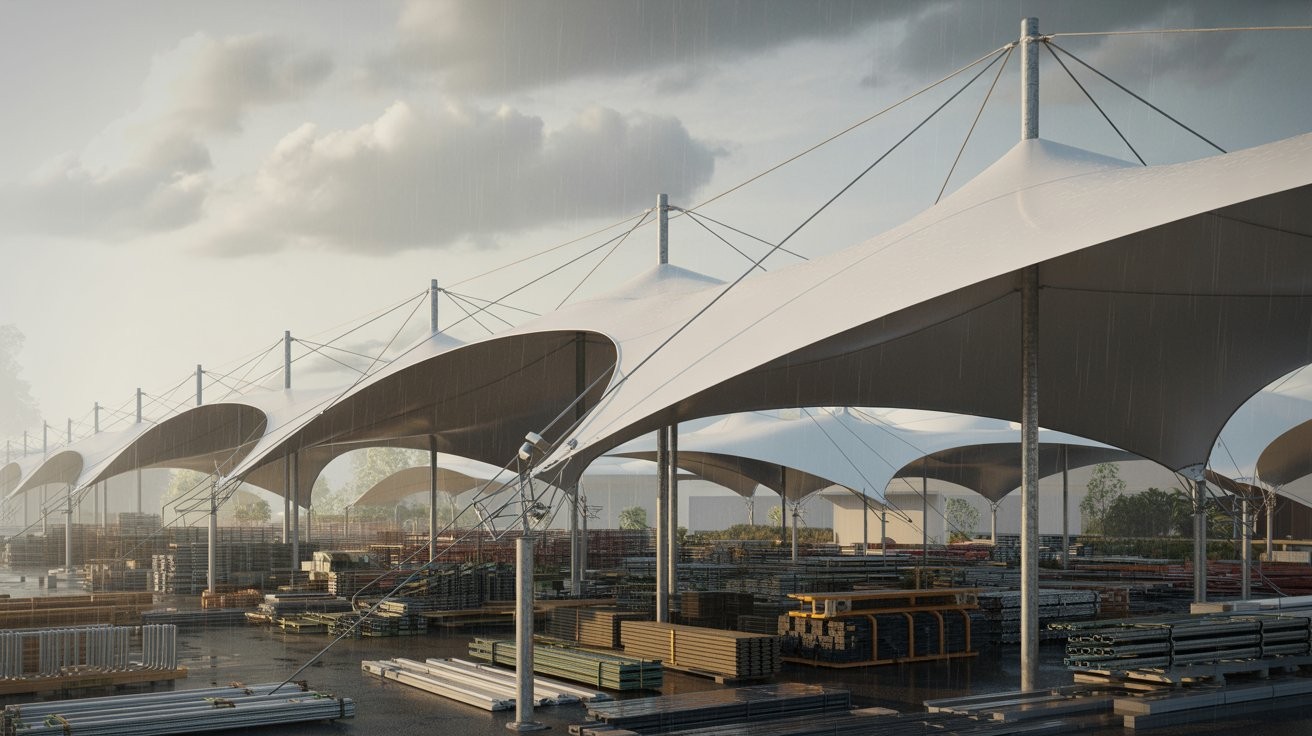
Tensile Roofing Structures for Outdoor Storage Yards: What Material Holds up to Indian Weather?

What Makes Prefab Quality Control Rooms Ideal for Manufacturing Facilities?

How Portable Workmen Accommodation Improves Site Productivity
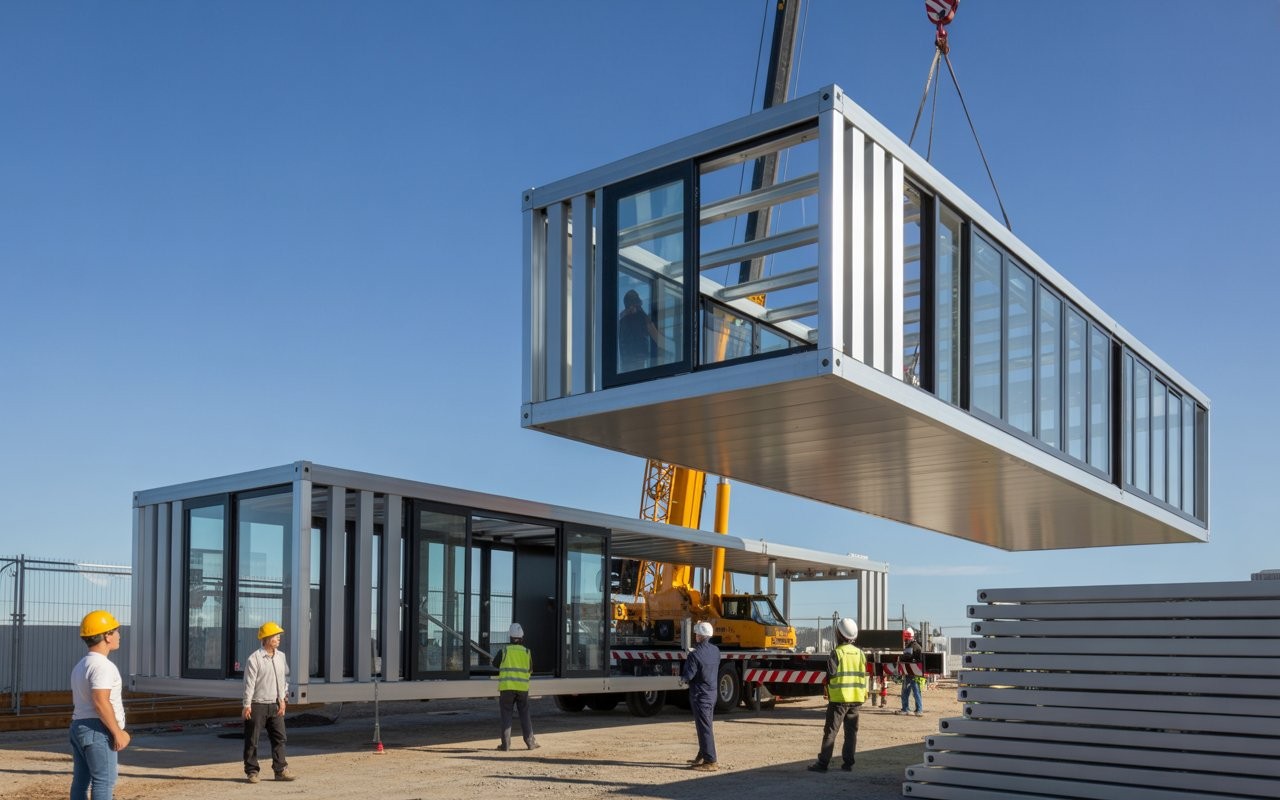
How Prefabricated Buildings Help Reduce Project Delays?
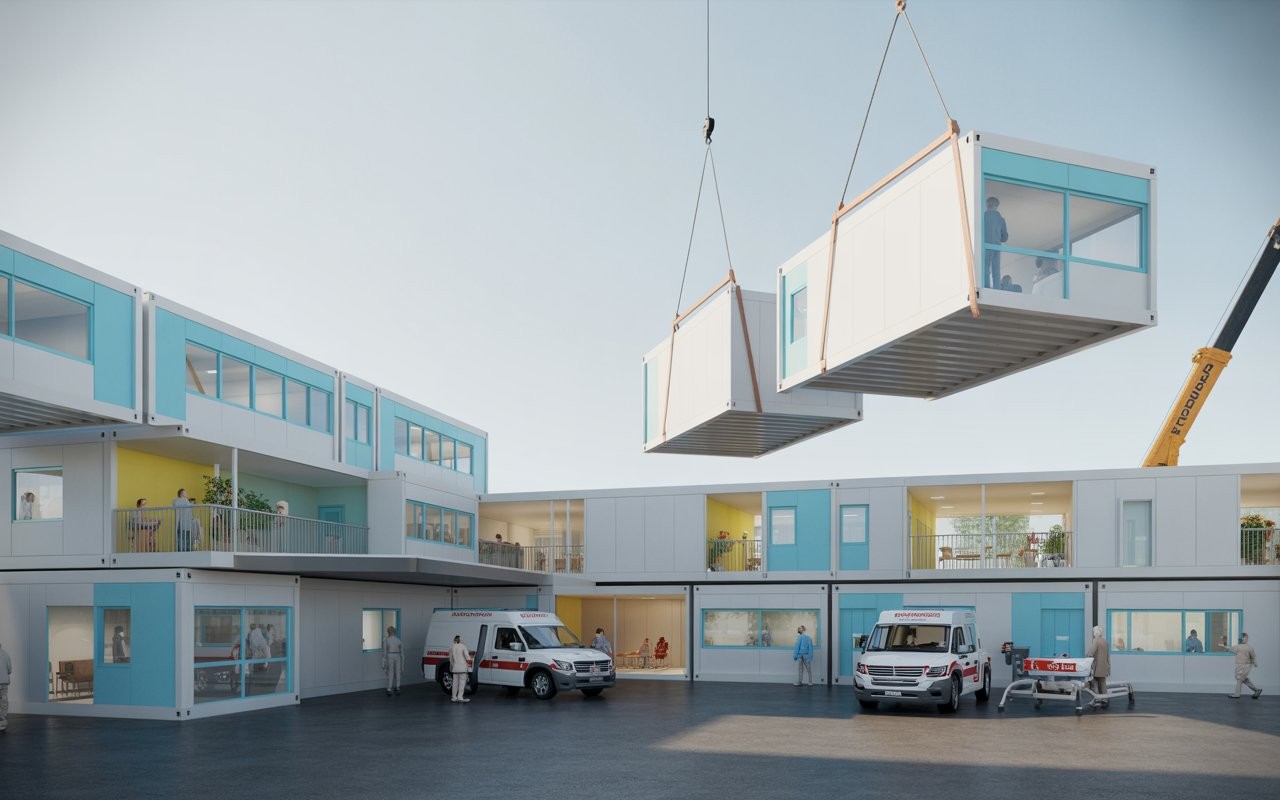
What Are Prefabricated Hospitals and When Are They the Right Choice?

Why Tensile Membrane Structures are the Future of Modern Architecture in India
What Are the Advantages of Prefab Toilets Over Conventional Toilets?
How PUF Panels Improve Cooling Efficiency in Warehouses and Cold Rooms
Why Tensile Roofing Solutions Outshine Traditional Roofing Options
Top Industries that Benefits from Prefabricated Structures
The Rise of Prefabricated Construction in India: Benefits and Challenges
Why You Should Conduct Soil Testing Before Building a Prefab Modular Home
How Pressmach is India's Leading Prefabricated Building Manufacturer
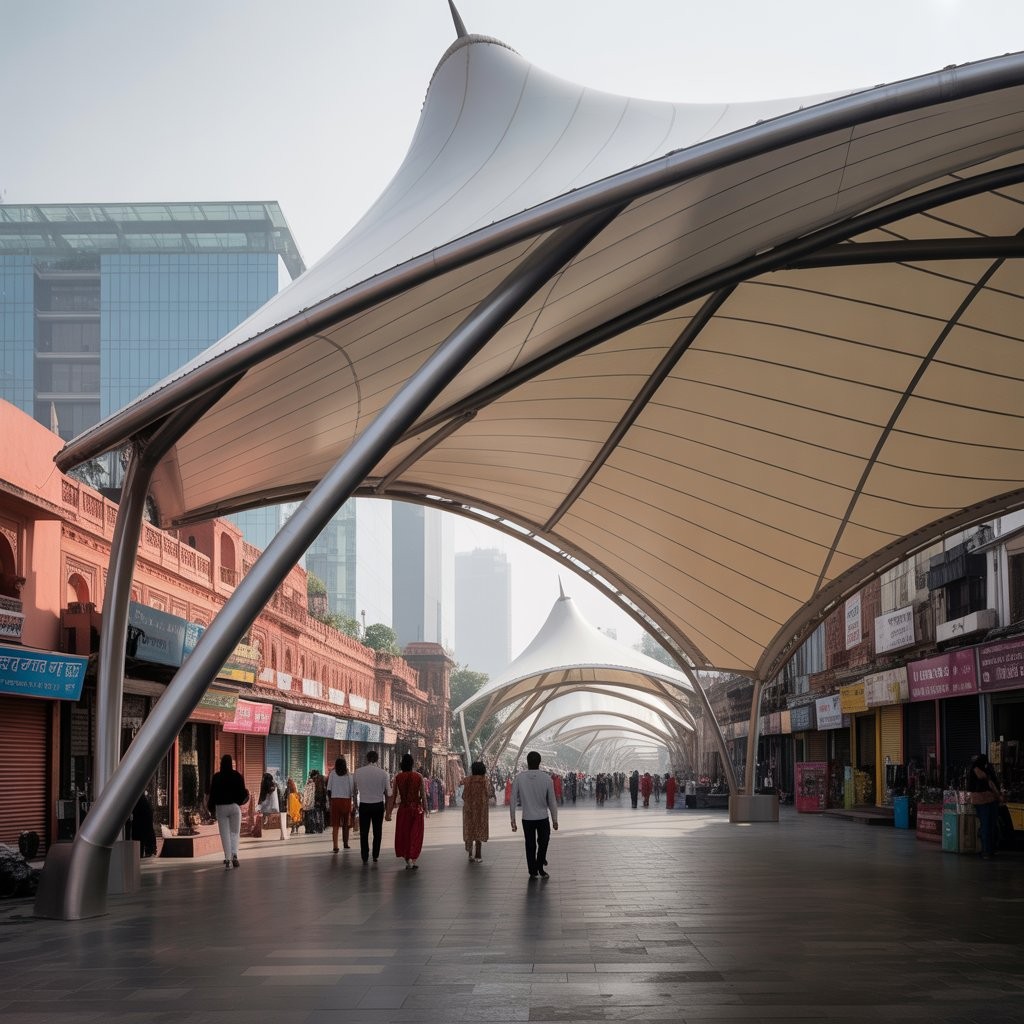
How Tensile Architecture Combines Sustainability with Striking Design

Rising Demand and Future Growth of the Solar Mounting Structures Market
Why Are Prefabricated Site Offices a Smart Choice?
Why Businesses are Turning to PEB Building Construction in 2025

Why PUF Panels Are the Best Choice for Prefabricated Construction

Acoustic Enclosures vs Industrial Enclosures: What’s the Difference and Why It Matters

Solar Panel Orientation and Tilt Angle: How Mounting Structures Play a Role

Rise of Prefabricated Data Centers in India’s Digital Boom

Can Prefabricated Structures Withstand Seismic Shocks?

How LGSF is Revolutionizing Affordable Housing in India

Role of Prefabricated Warehouses in Modern Business Storage Solutions

The Future of AI in Prefabricated Construction

10 Major Advantages of Prefabrication in Modern Construction Projects

Advancements in Prefabricated Materials: What to Expect in 2025
6790c3d8f29a2.jpeg)
The Role of Prefabrication in Disaster Relief and Emergency Housing

Tips for Preparing Your Site for a Prefabricated Structure

Are Modular Prefab Homes Suitable for Extreme Weather Conditions

Uses Of Peb Structure In Residential Spaces

Trends and Innovations in Prefab Commercial Buildings

Top Benefits of Modular Office Space in 2024

Prefabricated Homes vs Traditional Homes

Benefits of Having Modular Prefabricated Cold Storage Solutions

How is Prefab Modernising India’s Ageing Industrial Spaces

How Modular Construction Improves Accessibility in Remote Areas

How to Choose the Right PUF Panels for Your Prefab Building

Types of Pre-engineered Buildings Used in Different Industries

Pre-Monsoon Checklist For PEB Buildings

Uses of Portable Cabins in Disaster Relief

Top Uses for Portable Cabins

Advantages of Portable Security Cabins

Why are Eco-friendly Prefab Homes a Better Choice

Insulation and Passive Technology Benefits of Prefab Modular Buildings

Why is Prefab Construction Greener than RCC Construction

Securing Modular and Prefabricated Buildings: Essential Tips

Benefits of Modular Construction in Healthcare

Factors To Consider Before Buying A Prefabricated Warehouse Building

Benefits of Portable Labour Accommodation Manufacturer

Reasons To Choose Portable Cabins

Myths And Facts About Portable Office Buildings

Innovative Uses Of Modular Buildings
Benefits Of Modular Cleanroom
Advantages Of Pre-Engineered Factory Buildings
65cf4d38697f9.webp)


65cf65f046eed.webp)

64afe3444467b.jpeg)

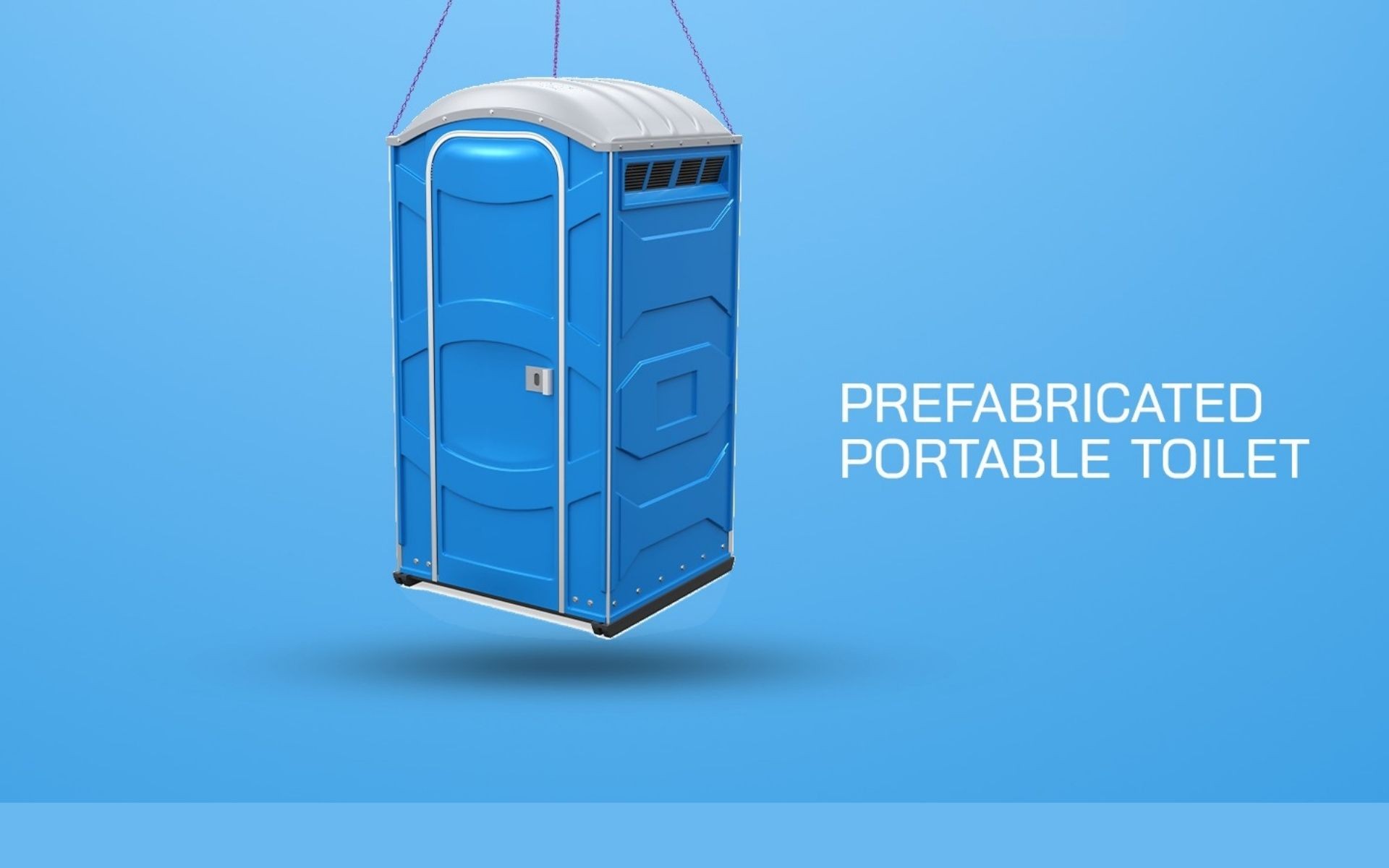
Importance Of Having Portable Toilets On-Site
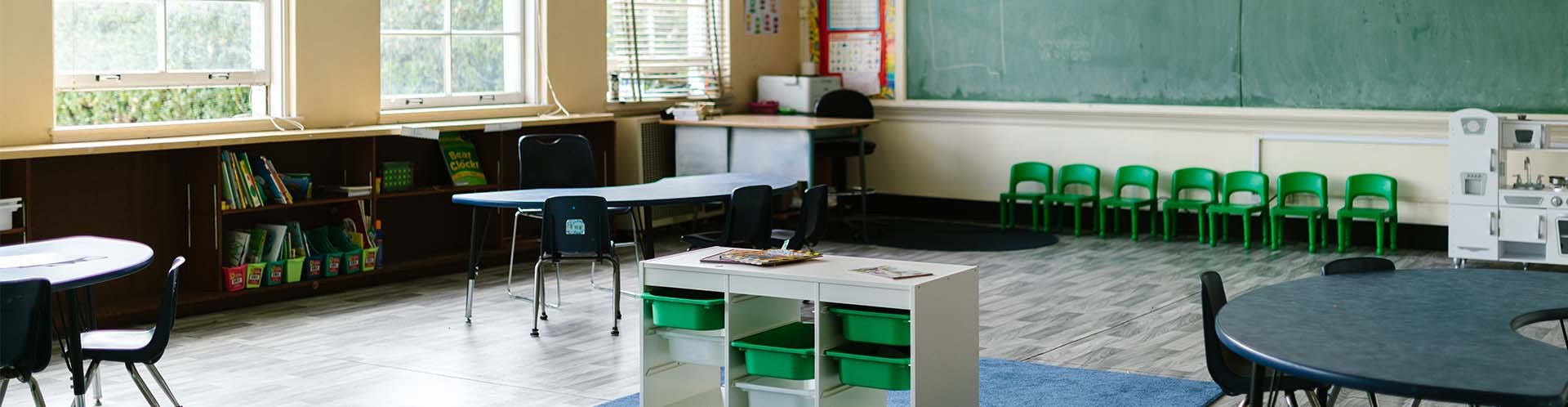
Why Prefab Solutions are Ideal For Schools In Rural Areas?
What Is The Difference Between Precast And Prefabricated Buildings?
How LGSF Building Helps In Rapid Construction

Important Things To Look For In a Prefab Company
How Long Does A Prefab Structure Last
 site office front view622f00119ba65.jpg)
9 Benefits Of Choosing Portable On Site Office

Building Materials Used for Modular Construction
6349487807893.jpeg)
Modular Home Construction: Pros and Cons