Benefits of Tensile Roofing for Industrial Projects
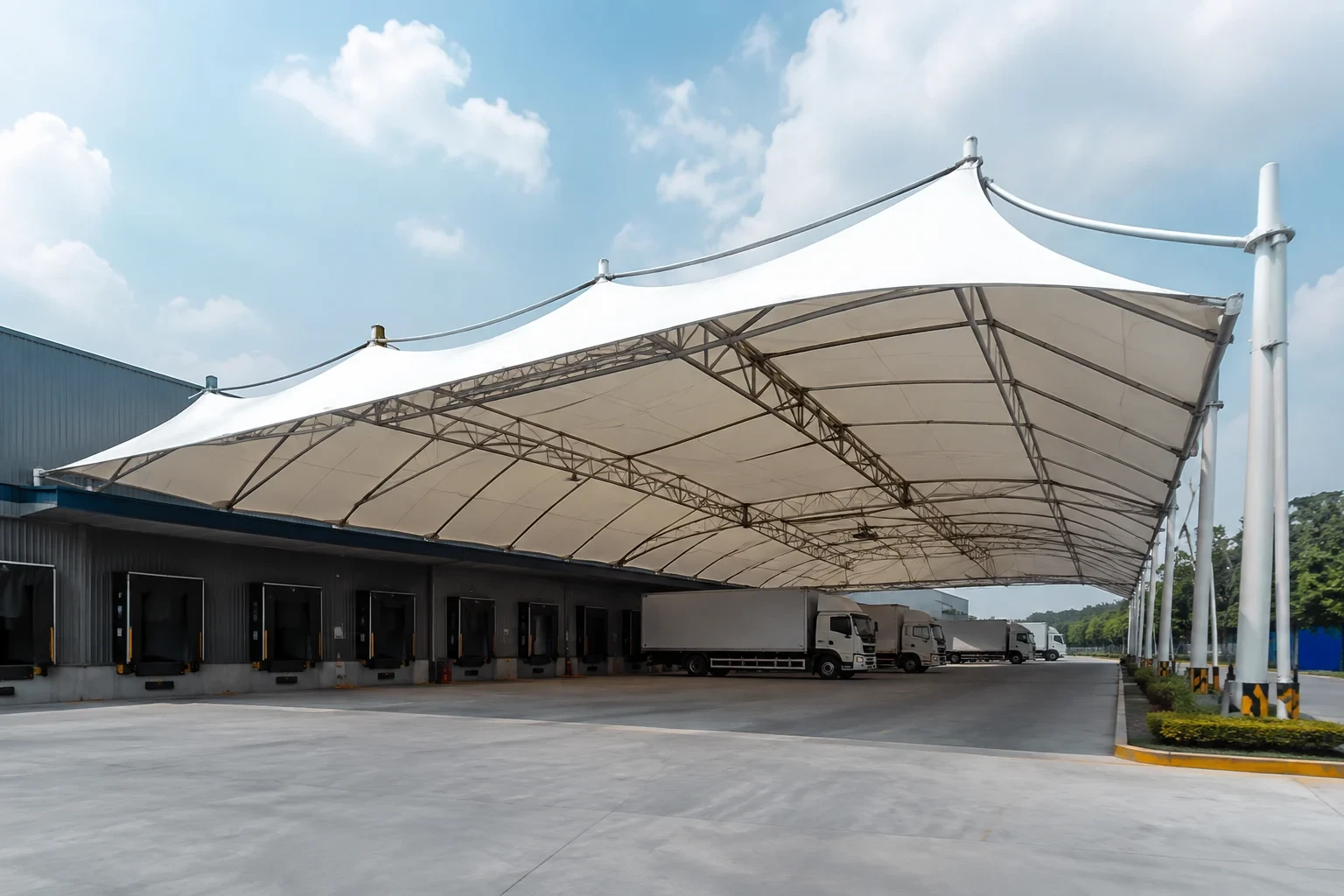
Industrial facilities across India are shifting away from conventional sheet roofing at a pace that would have seemed unlikely a decade ago. Tensile roofing structures have become one of the most requested solutions for warehouses, manufacturing plants, and processing units, largely because they solve three problems at once. These include the ability to withstand harsh site conditions, reduced installation costs, and a modern appearance that traditional roofing systems often cannot provide. This blog explores why tensile roofing is becoming a practical choice for industrial applications, the important benefits it offers, and the important factors to consider when selecting a manufacturer.

What Are Tensile Roofing Structures?

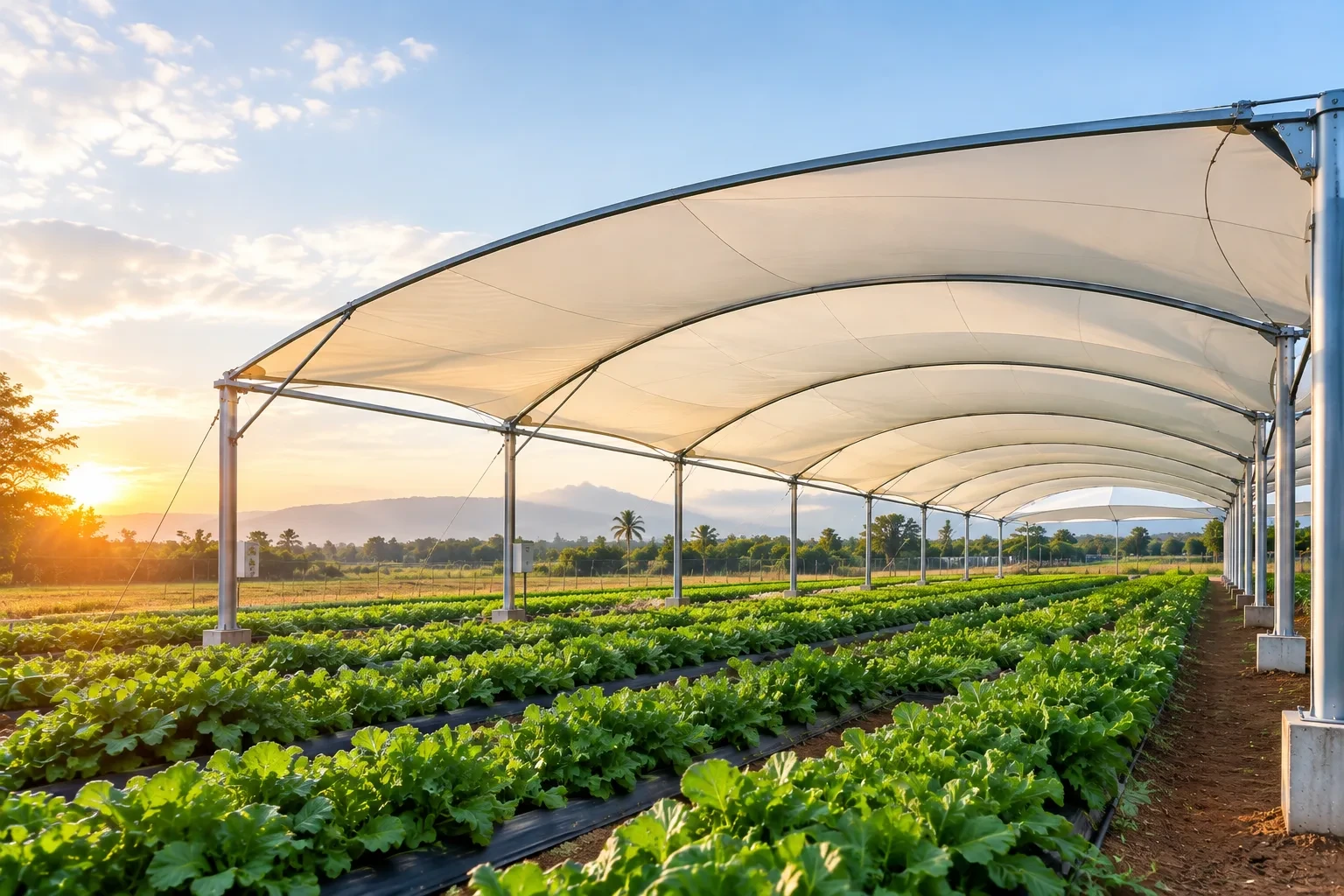
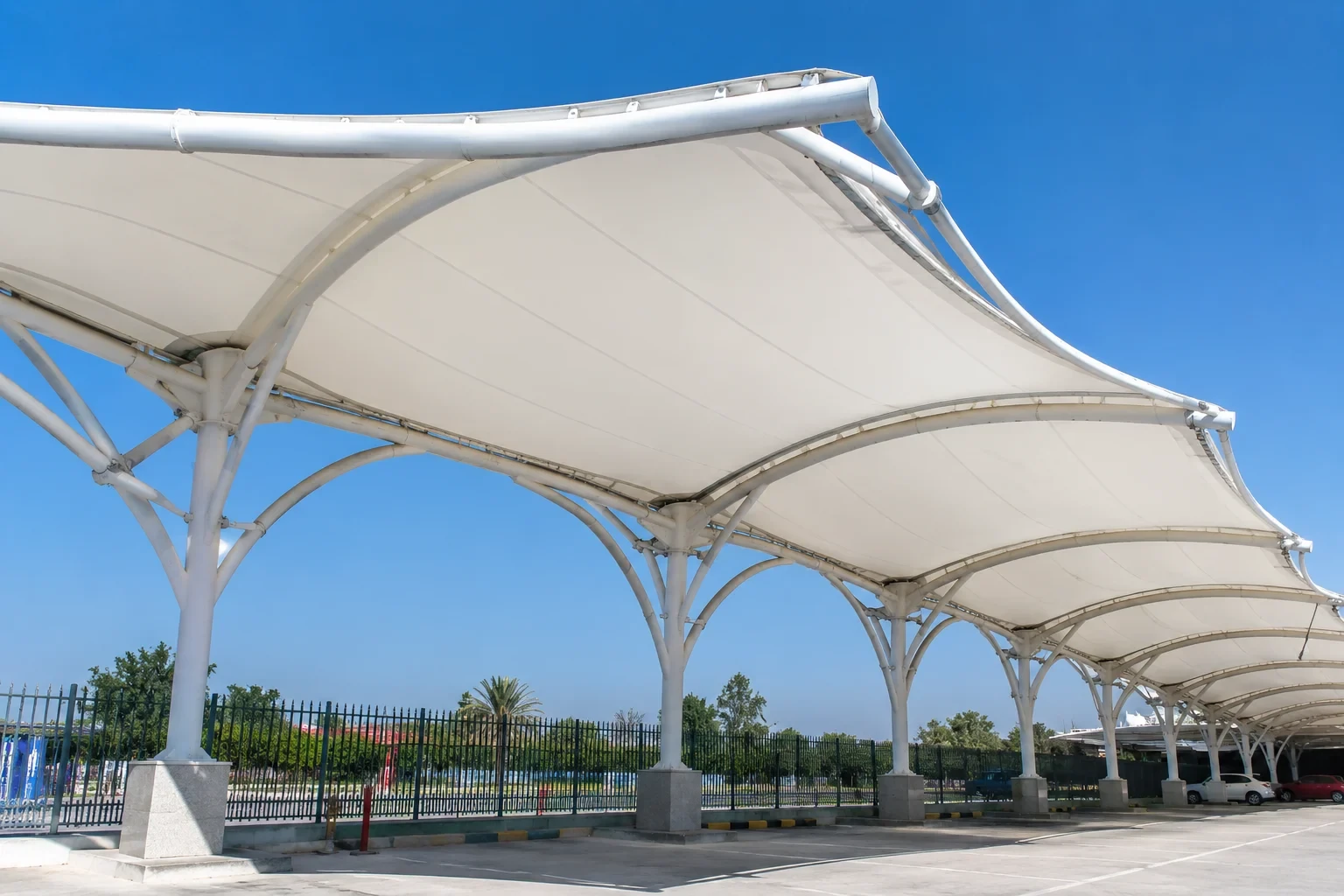
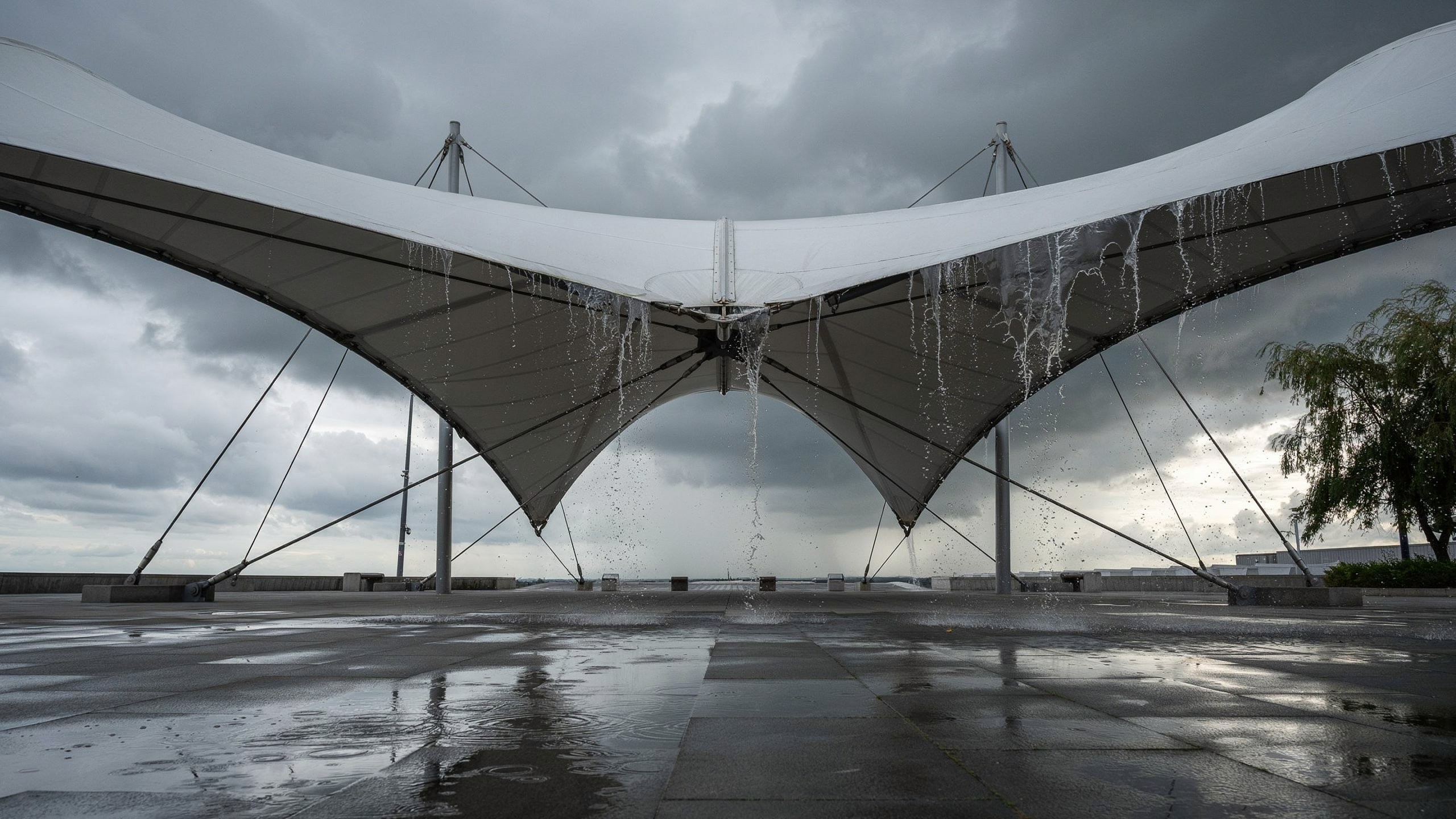
A tensile roofing structure is built from high-strength fabric membranes, typically PVC-coated polyester or PTFE-coated fibreglass, stretched taut across a network of steel cables and support frames. Rather than depending on heavy beams and columns to bear load the way conventional roofing does, tensile structures distribute stress through the tension in the membrane itself. This is what allows them to span large open areas using comparatively little material. The fabric also comes pre-engineered for the specific loads a site will face, whether that means monsoon rainfall, high wind zones, or constant sun exposure across an industrial yard. Common forms include conical structures, hyperbolic paraboloid or hypar shapes, barrel vaults, and dome structures, each suited to a different kind of span and load pattern, which is why an experienced manufacturer typically recommends a shape based on the site rather than defaulting to one standard design.

Why Are Tensile Roofing Structures Ideal for Industrial Projects?

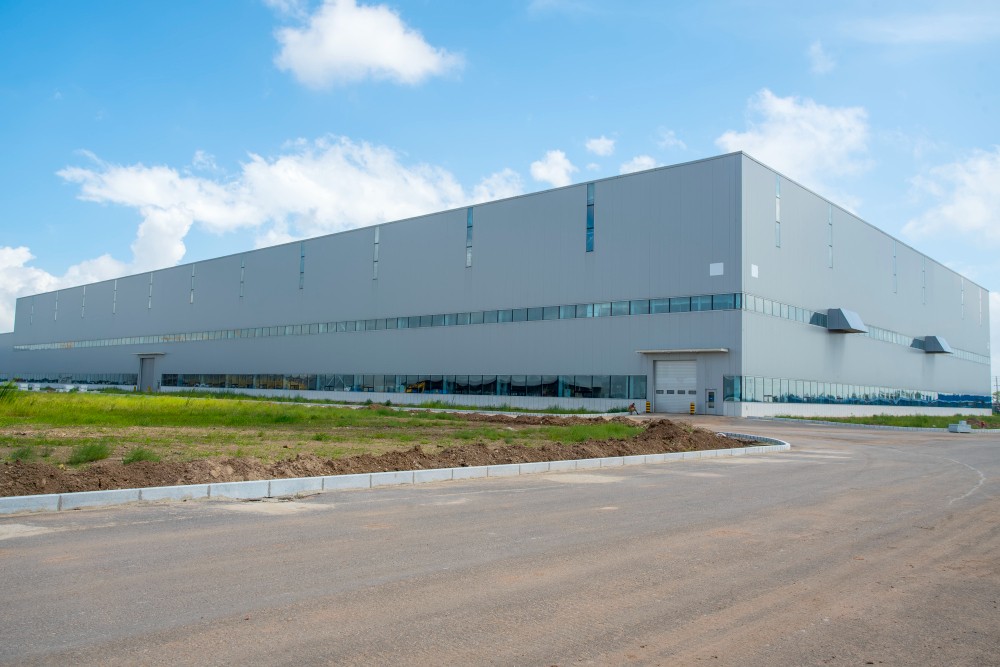
Industrial sites have specific requirements that tensile roofing is designed to address. Large open areas, such as warehouses and vehicle parking yards, need effective coverage without numerous support columns disrupting the workflow below. Tensile structures span these areas cleanly, since the tension-based design carries load without requiring columns at regular intervals. Fast deployment matters too. Industrial projects often run on tight commissioning timelines, and a tensile roof, being lightweight and prefabricated, installs considerably faster than a conventional steel or concrete roofing system. On top of that, the same membrane technology holds up under the punishing combination of heat, chemical exposure, and heavy rainfall that many industrial zones experience year-round.

Benefits of Using Tensile Roofing for Industrial Applications 

The benefits go beyond a faster build. Several benefits compound over the life of the structure, which is part of why so many facility managers now specify tensile roofing at the planning stage rather than treating it as an alternative to be considered later.

Durability and weather resistance: High-tensile membranes resist UV degradation, heavy rain, and strong wind loads, holding up for fifteen to thirty years depending on material grade and maintenance

Cost-effective installation: Lighter materials and a simpler framework mean shorter construction schedules, which trim both labor and material costs compared to conventional roofing

Design flexibility: Fabric membranes can be shaped into conical, barrel vault, dome, or cantilever forms, letting the structure fit unusual site layouts rather than forcing a standard rectangular footprint.

Natural light transmission: Most tensile fabrics allow significant daylight through, cutting down on artificial lighting costs across large industrial floors during working hours

Low maintenance: Coated membranes resist dirt and mildew buildup, generally needing only periodic cleaning rather than the repainting or rust treatment conventional metal roofing demands.

Reduced structural load: The lightweight nature of tensile membranes reduces the load on supporting foundations, which can lower overall construction costs on sites with weaker soil conditions.

Common Applications of Tensile Roofing Structures

Tensile roofing is used across a wide range of industrial and adjacent settings, each with its own reason for choosing fabric over conventional roofing. The list below covers where this technology tends to deliver the most value on a working industrial site.

Warehouses and Storage Yards: Covers loading zones and stacking areas without obstructing forklift movement or requiring support columns that get in the way of daily operations

Oil and Gas Facilities: Provides weather protection over equipment and processing areas where heavy fixed roofing is impractical, while avoiding the corrosion issues steel roofing can develop in these environments over time.

Manufacturing Plants: Covers walkways and inter-building corridors, keeping staff and materials moving between production areas without weather-related delays

Vehicle Parking and Loading Docks: Gives industrial campuses lightweight, quick-to-install coverage for parking structures, loading docks, and open-air machinery storage areas

Transformer Yards and Utility Zones: Combines weather protection with unobstructed ventilation, something conventional roofing struggles to offer in these particular settings

Factors to Consider Before Choosing a Tensile Roofing Structure

Choosing the right tensile roofing structure requires more than comparing designs and prices. The quality of materials, engineering expertise, and installation process all play an important role in determining long-term performance. Before making a decision, it is worth evaluating a few key factors to ensure the structure meets your project's needs and expectations.

Choose the Right Membrane Material: Confirm the membrane material grade, as PTFE-coated fiberglass generally outperforms PVC-coated polyester in heavy industrial environments.

Verify Structural Load Calculations: Ask for evidence of structural load calculations specific to your site's wind and rain conditions, not just generic specifications.

Review Industrial Project Experience: Review the manufacturer's experience with industrial-scale projects specifically, rather than only commercial or event-based installations.

Check Warranty and After-Sales Support: Check warranty terms and post-installation support, since membrane tensioning may require adjustments over time.

Assess the Installation Timeline: Evaluate installation timelines against your project schedule, as one of the main advantages of tensile roofing is its speed of installation.

Pressmach: Reliable Tensile Roofing Solutions for Industrial Applications

Pressmach has spent more than three decades designing and installing tensile roofing structures for industrial clients across India, including names like NTPC, ONGC, Tata Steel, and Reliance. We use strong, certified roofing membranes and corrosion-resistant steel frames. Before installation, we check the structure and calculate the expected wind forces to make sure the roofing system is properly designed for the project. Every project is engineered around the specific site rather than adapted from a standard template, which is part of why our tensile roofing solutions for industrial warehouses and oil and gas facilities continue to hold up across some of the most demanding environments in the country. If your facility needs a roofing solution built for durability, speed, and long-term value, get in touch with Pressmach to discuss a tensile roofing structure designed around your site.

Your Requirements

Related
Blogs
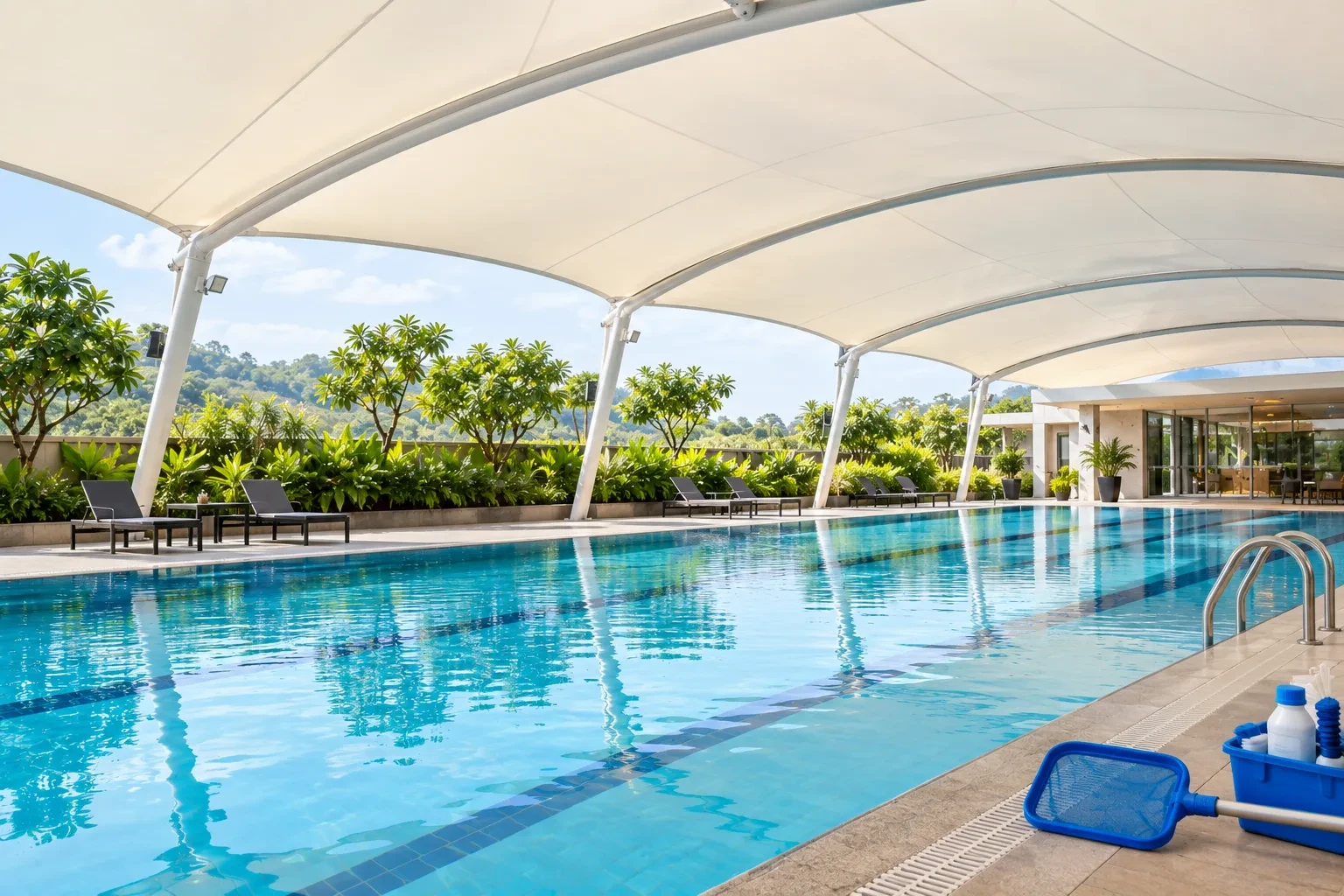
Can Tensile Structures Handle Heavy Rain and Strong Wind Loads
Heavy monsoon showers and strong coastal winds put real pressure on any outdoor structure, and tensile structures are often questioned for their strength during such conditions. This blog breaks down how tensile structures are engineered to handle rain load and wind pressure, the material and design factors that make them reliable in tough weather, and why they continue to hold up where traditional roofing sometimes fails.
Questions to Ask Before Choosing a Prefabricated Farmhouse Manufacturer
A prefabricated farmhouse is only as good as the manufacturer behind it. This guide walks through what to ask about materials, timelines, and structural warranties before you commit.
How Long Does it Take to Install a 10,000 sq ft Prefab Warehouse in India?
Setting up a warehouse involves more than just putting up a structure. From site preparation and foundation work to structural assembly and final finishing, every phase has its own timeline. This blog walks you through a realistic breakdown of how long it takes to install a 10,000 sq ft prefab warehouse in India, covering the key factors that influence the schedule and what businesses can do to keep the process on track.
How Pressmach Delivered a 50-Bed Hospital in Just 90 Days
When BALCO Vedanta needed a fully operational hospital for its Chhattisgarh workforce in just 90 days, conventional construction wasn't an option. Here's how Pressmach made it happen with prefabricated design and parallel-track execution.
How Educational Institutions Are Using Portable Classrooms to Handle Enrollment Pressure
Educational institutions are facing growing enrollment numbers and increasing space demands, making infrastructure expansion a major challenge. Portable classrooms are emerging as a practical and cost-effective solution, helping schools and colleges quickly create additional learning spaces without disrupting daily operations. This blog explores how modular classroom solutions are supporting educational institutions in managing enrollment pressure efficiently while maintaining a productive learning environment.
Can a Prefab Structure Be Installed During Monsoon or Do You Have to Wait It Out?
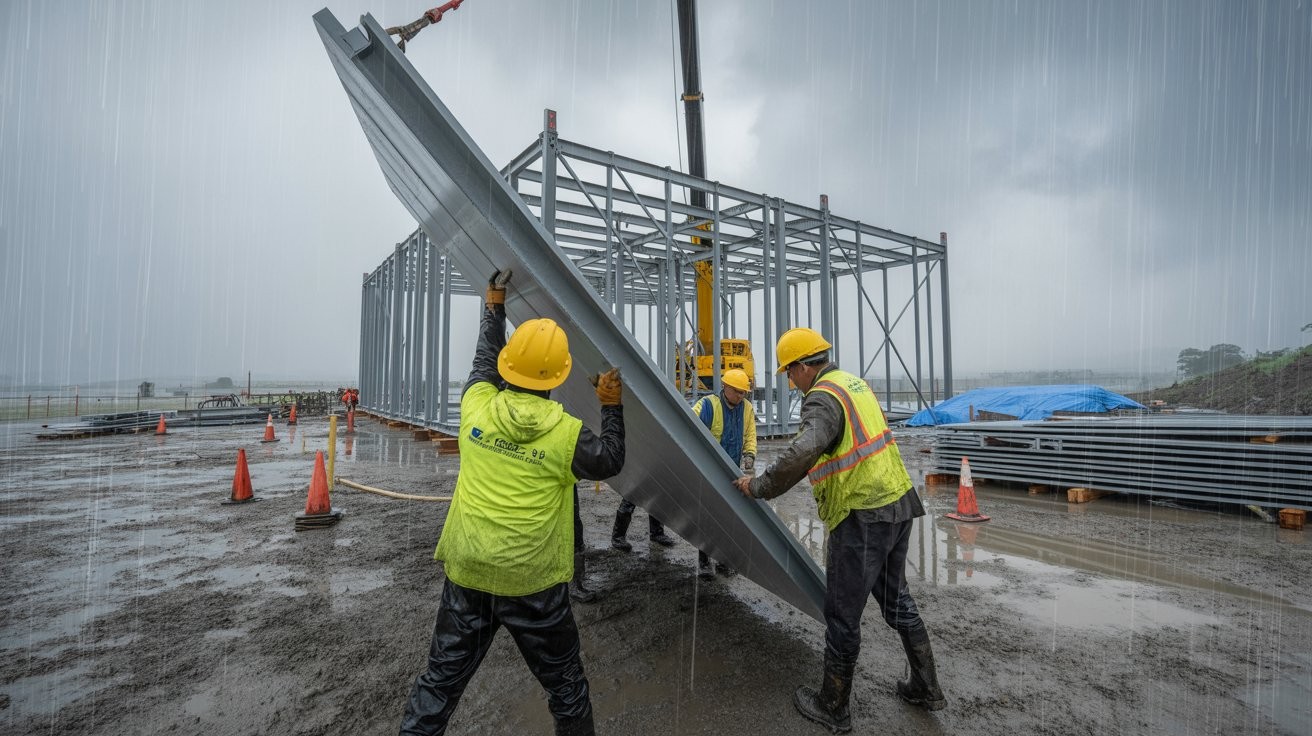
Monsoon does not have to mean a complete pause on construction. Most people assume prefab projects have to wait out the rains, but the reality is more practical than that. This piece breaks down what can realistically be done during monsoon season, what needs careful planning, and how the right preparation keeps your prefab structure project moving without compromising safety or quality.
How to Install Solar Panels on Prefabricated Rooftop Structures
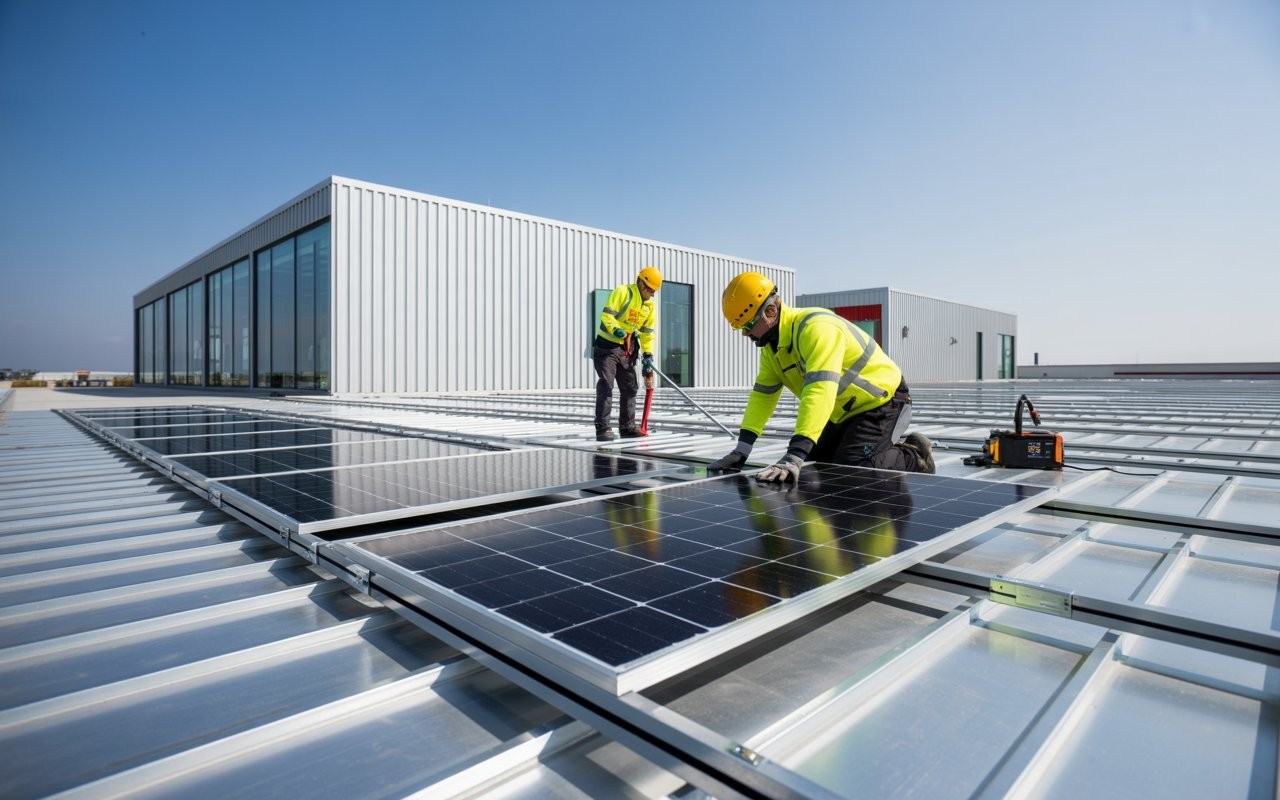
This blog explains how to install solar panels on prefabricated rooftops, covering key factors like load capacity, mounting methods, and roof orientation. It helps ensure a safe setup while maximizing energy efficiency and long-term performance.
Tensile Roofing Structures for Outdoor Storage Yards: What Material Holds up to Indian Weather?
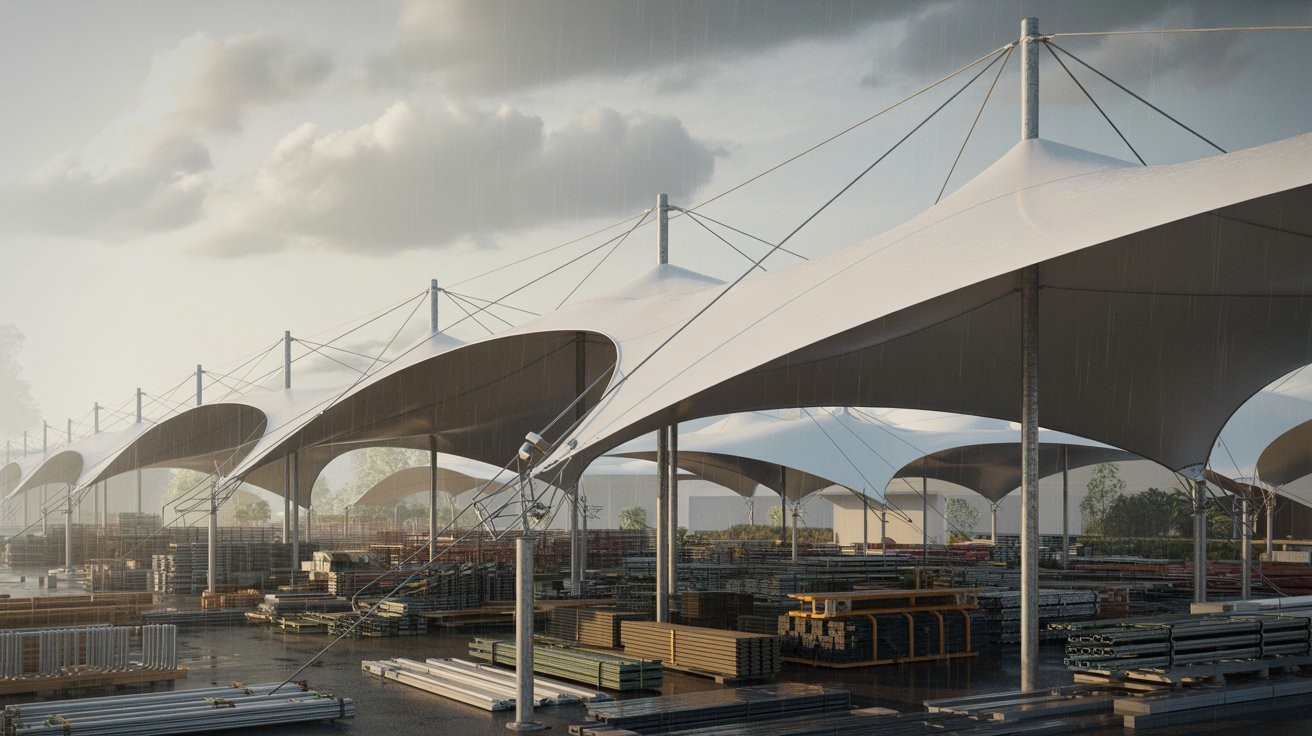
India's extreme weather, from scorching summers to heavy monsoon rains, demands roofing materials that go beyond the ordinary. This guide breaks down the best tensile structure fabrics for outdoor storage yards, comparing durability, UV resistance, waterproofing, and cost to help you make the right choice.
What Makes Prefab Quality Control Rooms Ideal for Manufacturing Facilities?
Prefab quality control rooms offer a reliable and efficient solution for manufacturing facilities, ensuring consistent testing, compliance, and improved workflow. Their quick installation, cost-effectiveness, and controlled environment make them ideal for maintaining quality without disrupting operations.
How Portable Workmen Accommodation Improves Site Productivity
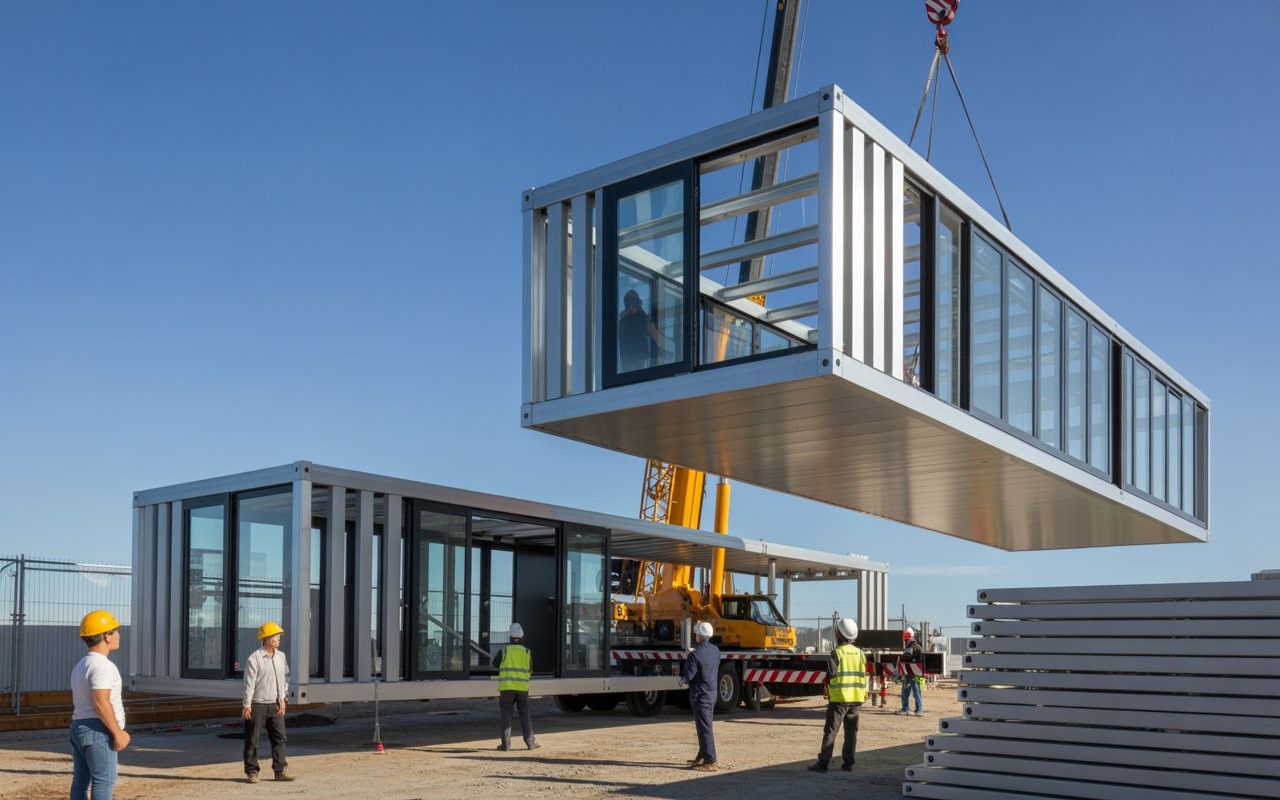
Managing a remote construction site comes with its fair share of logistical challenges, and worker accommodation is often at the top of the list. Portable workmen accommodation keeps your workforce on-site, well-rested, and ready to perform. In this blog, we explore how the right accommodation setup can directly translate into faster project timelines and a more productive team
How Prefabricated Buildings Help Reduce Project Delays?
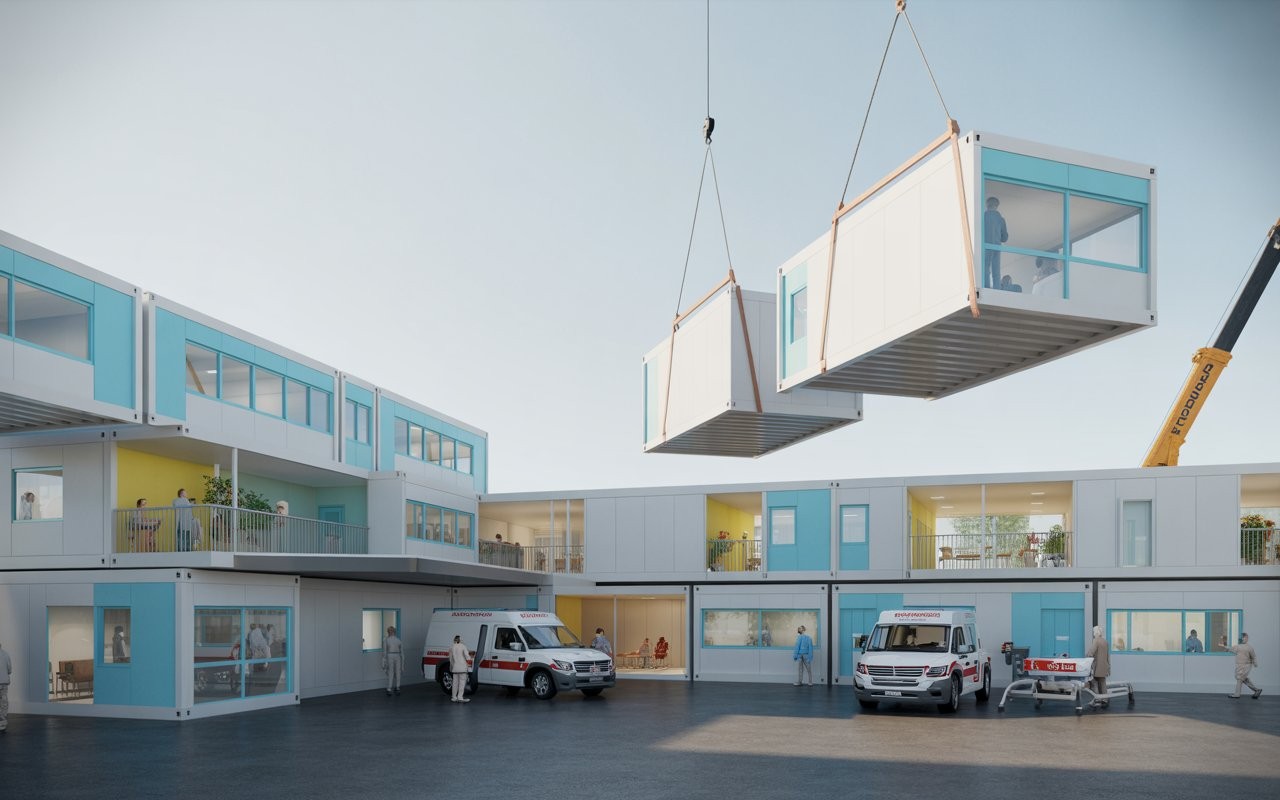
Prefabricated buildings reduce project delays by enabling parallel construction, controlled manufacturing, and faster on-site assembly, helping projects stay on schedule and within planned timelines.
What Are Prefabricated Hospitals and When Are They the Right Choice?
Prefabricated hospitals offer faster, cost-effective healthcare construction. Learn what they are and when they’re the right choice for modern medical needs.
Why Tensile Membrane Structures are the Future of Modern Architecture in India
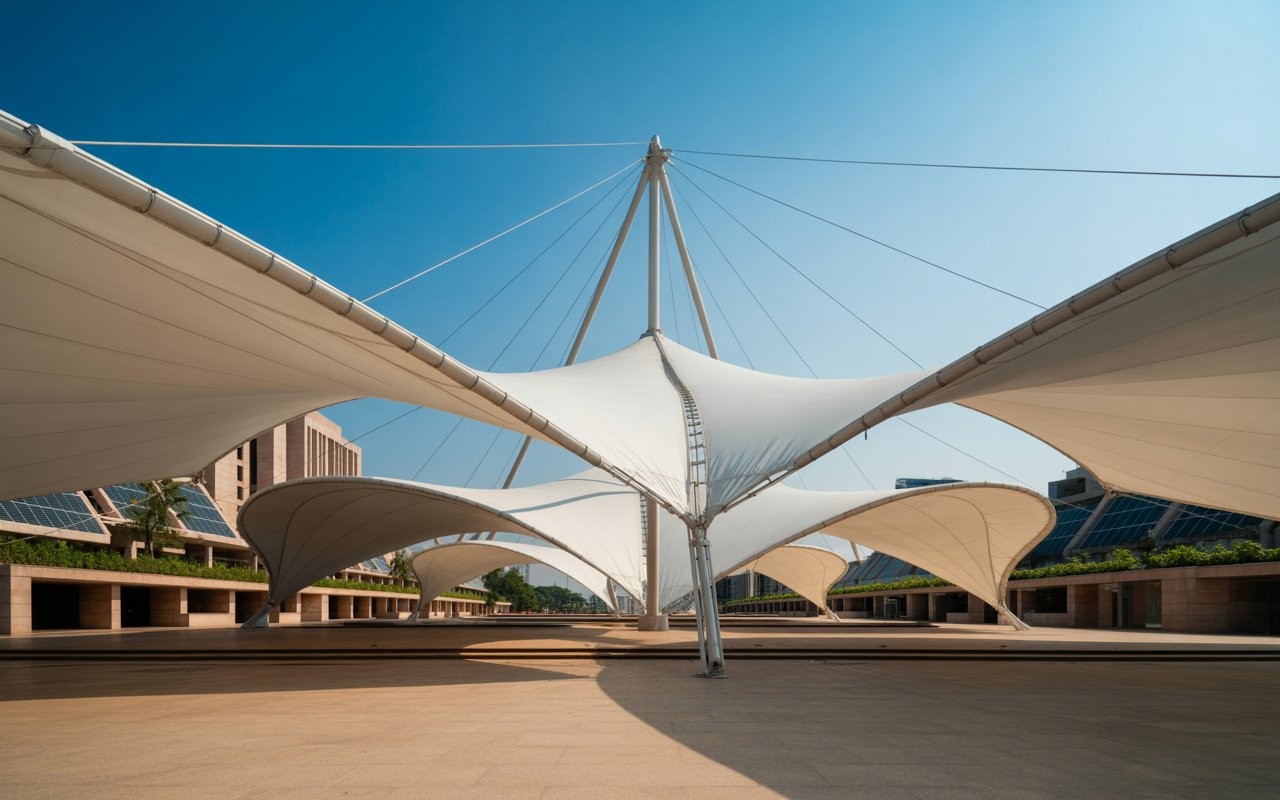
Tensile membrane structures are redefining modern architecture in India by blending innovation, sustainability, and striking design. This blog explores how lightweight materials, flexible forms, and cost-efficient construction are shaping the future of contemporary spaces across commercial, public, and recreational projects.
What Are the Advantages of Prefab Toilets Over Conventional Toilets?
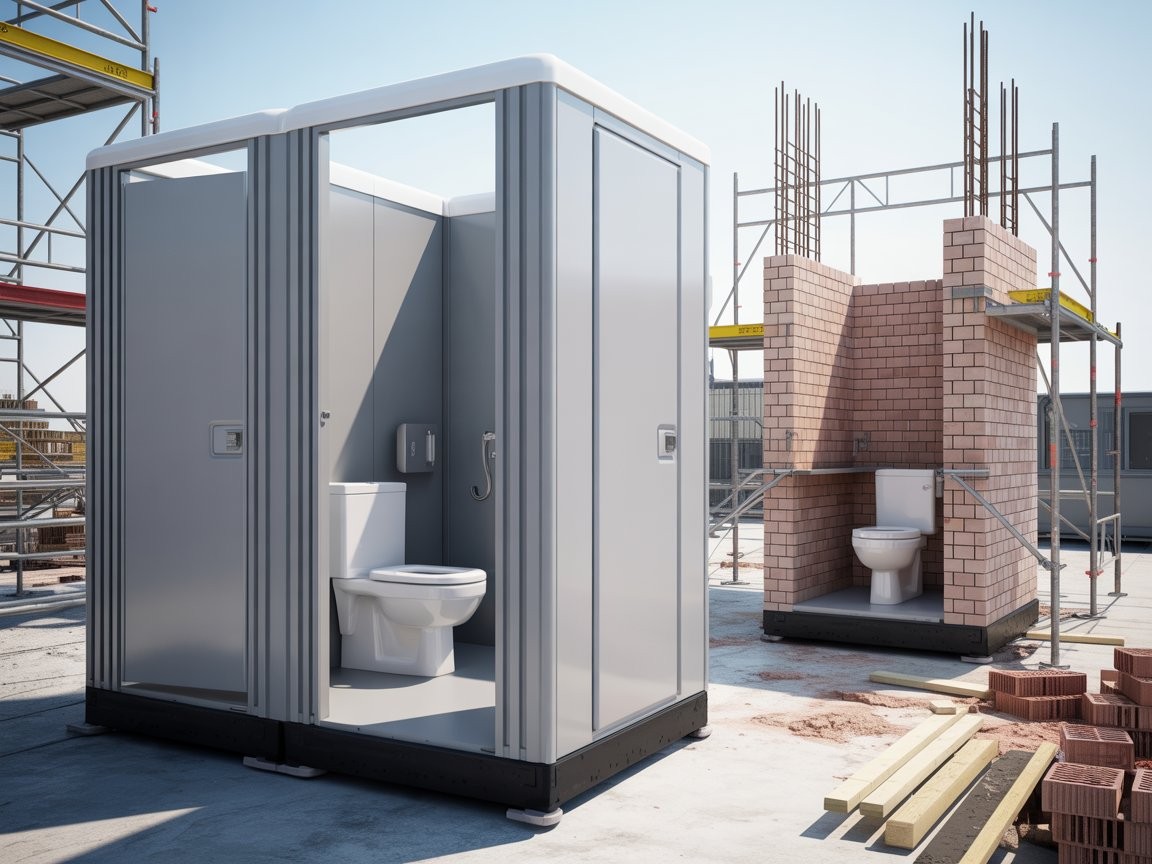
Prefab toilets offer a faster, smarter alternative to conventional toilets by combining quick installation, cost efficiency, and consistent quality. Designed for durability and sustainability, they reduce construction time, minimize on-site disruption, and are ideal for projects with tight timelines and space constraints.
How PUF Panels Improve Cooling Efficiency in Warehouses and Cold Rooms
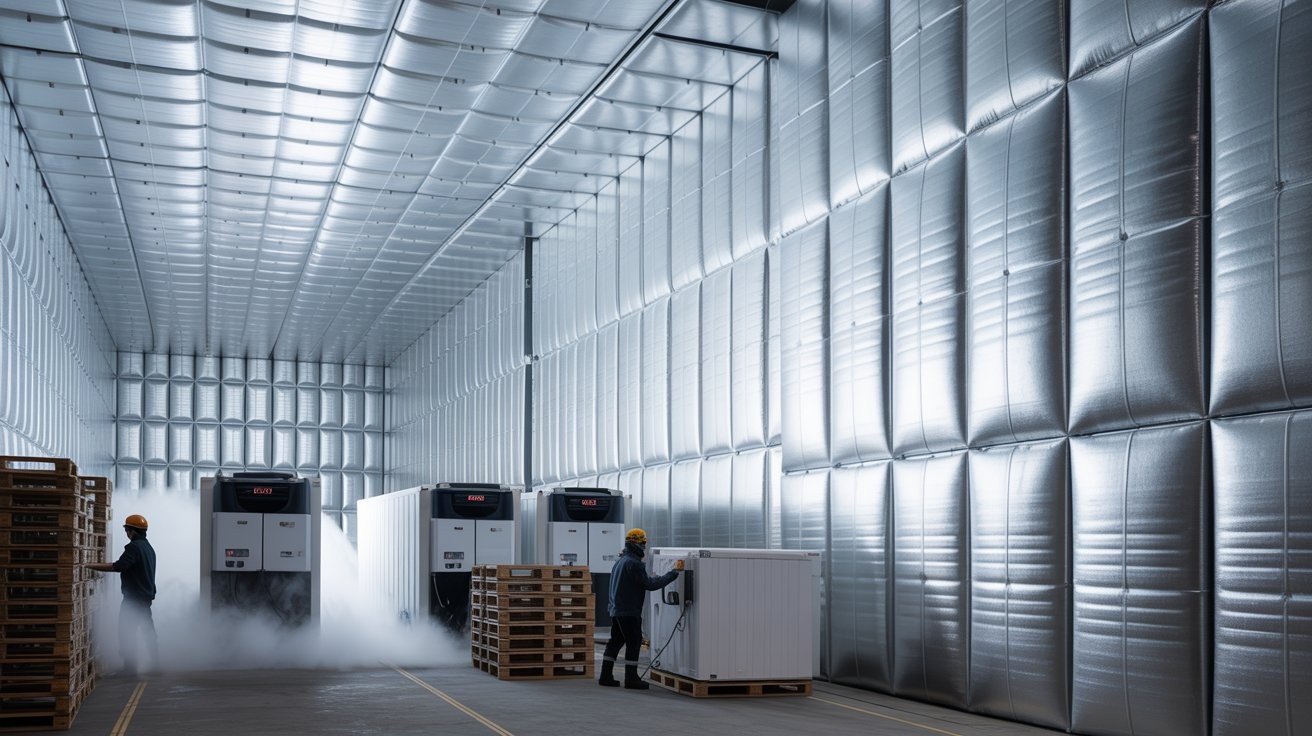
Learn how PUF panels improve cooling efficiency in warehouses and cold rooms by minimizing heat transfer, lowering energy consumption, and ensuring consistent storage conditions.
Why Tensile Roofing Solutions Outshine Traditional Roofing Options
This blog explains how tensile roofing solutions compare to traditional roofing options, helping you understand their advantages, uses, and why they’re becoming a popular choice for modern structures.
Top Industries that Benefits from Prefabricated Structures
Prefabricated structures have revolutionized construction across multiple industries by offering faster build times, cost efficiency, and superior quality control. This blog explores the top sectors — from healthcare and education to logistics, commercial, and industrial — that are leveraging prefabrication for scalable, sustainable, and durable infrastructure solutions.
The Rise of Prefabricated Construction in India: Benefits and Challenges
Explore the rise of prefabricated construction in India, highlighting its key benefits such as faster construction times, cost-efficiency, and sustainability. This blog also delves into the challenges faced in adopting prefabrication, including the need for skilled labor and infrastructure limitations
Why You Should Conduct Soil Testing Before Building a Prefab Modular Home
Before constructing a prefab modular home, understanding your site’s soil condition is essential. This blog explains why soil testing is a crucial first step—it helps assess stability, drainage, and foundation requirements to ensure long-term structural safety and cost efficiency. Learn how proper soil analysis can prevent future issues and support a durable, sustainable prefab build.
How Pressmach is India's Leading Prefabricated Building Manufacturer
This blog explores how Pressmach has established itself as India’s leading prefabricated building manufacturer, highlighting its innovative designs, quality construction, and commitment to delivering sustainable, cost-effective building solutions
How Tensile Architecture Combines Sustainability with Striking Design
Explore how tensile architecture blends eco-friendly materials with innovative design, delivering sustainable structures that are both functional and visually stunning.
Rising Demand and Future Growth of the Solar Mounting Structures Market
Explore the growing demand for solar mounting structures and how innovation, sustainability, and rising solar energy adoption are shaping the future of this expanding market.
Why Are Prefabricated Site Offices a Smart Choice?
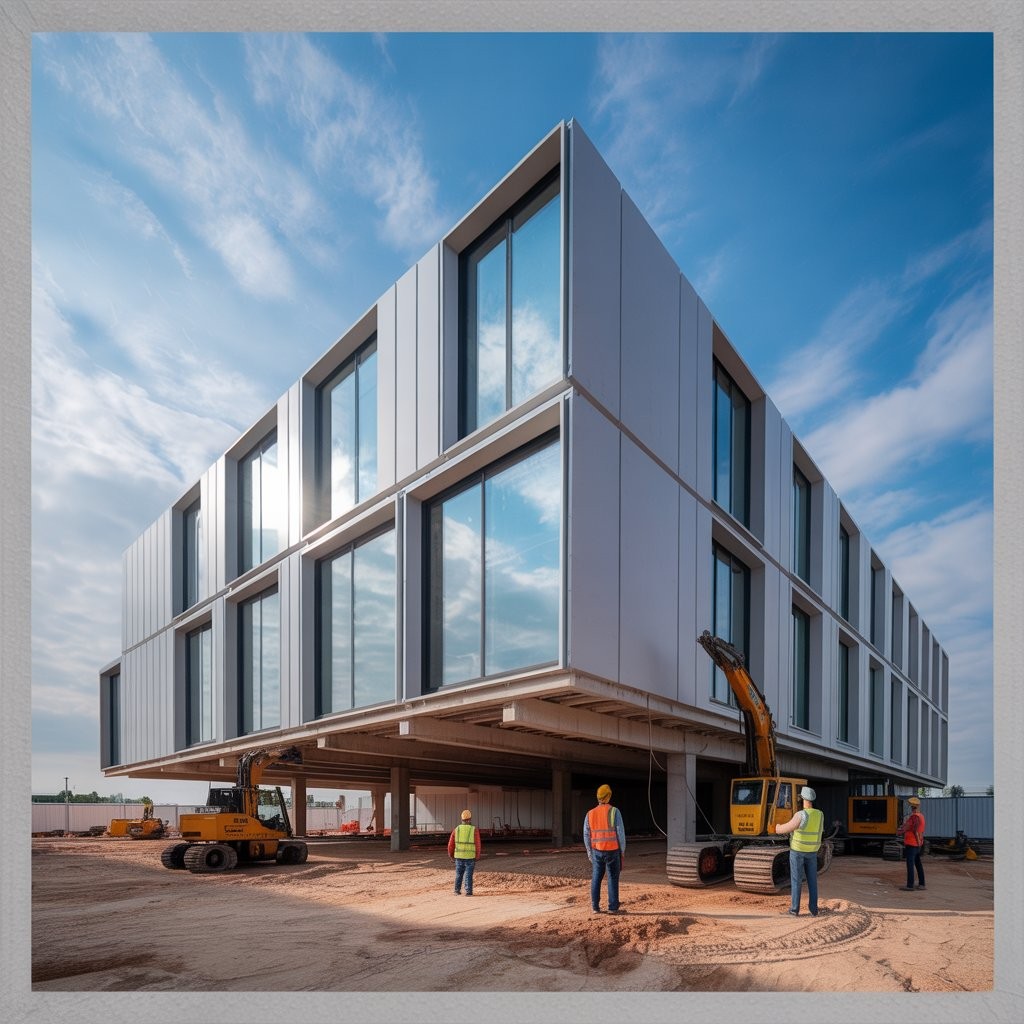
Prefabricated site offices are a quick, cost-effective, and flexible solution for construction sites. They’re easy to assemble, durable, and customizable, offering a practical way to manage on-site operations efficiently.
Why Businesses are Turning to PEB Building Construction in 2025
PEBs, which stand for pre-engineered buildings, are structures that are constructed from components that are built in a factory and then assembled on-site. In the year 2025, they are becoming an increasingly popular option for a variety of applications because of the fact that they are cost-effective, can be constructed quickly, have architectural flexibility, and are environmentally friendly.
Why PUF Panels Are the Best Choice for Prefabricated Construction
PUF panels are the perfect choice for prefabricated construction, offering great insulation, energy efficiency, and durability. Lightweight and easy to install, they ensure cost-effective and fast project completion. This blog explains why PUF panels are a top option for modern buildings
Acoustic Enclosures vs Industrial Enclosures: What’s the Difference and Why It Matters
Acoustic enclosures and industrial enclosures serve different purposes in managing noise and protecting equipment. This article breaks down their distinct features, uses, and why selecting the right enclosure impacts safety, efficiency, and workplace comfort.
Solar Panel Orientation and Tilt Angle: How Mounting Structures Play a Role
Maximize your solar power output by understanding how mounting structures influence panel tilt and direction — especially in changing environmental conditions.
Rise of Prefabricated Data Centers in India’s Digital Boom
India’s digital growth demands faster, scalable infrastructure. Prefabricated data centers offer a quick, cost-effective solution, powering the next phase of tech expansion.
Can Prefabricated Structures Withstand Seismic Shocks?
Explore how modern prefabricated structures are engineered to resist seismic shocks, ensuring safety, strength, and stability during earthquakes.
How LGSF is Revolutionizing Affordable Housing in India
Learn how Light Gauge Steel Frame (LGSF) technology is transforming affordable housing in India. Learn about its cost-effectiveness, speed, durability, and eco-friendly benefits, making it a modern, sustainable, and efficient construction solution.
Role of Prefabricated Warehouses in Modern Business Storage Solutions
Prefabricated warehouses are transforming modern business solutions with their cost-efficiency, flexibility, and sustainability. This blog explores their growing importance, benefits, and how they revolutionize logistics and supply chain management, making them a vital asset for today’s businesses.
The Future of AI in Prefabricated Construction
AI is transforming prefabricated construction by enhancing design precision, optimizing material usage, and improving project efficiency. From automation to smart manufacturing, explore how AI is shaping the future of prefab construction.
10 Major Advantages of Prefabrication in Modern Construction Projects
Prefabrication is transforming modern construction with faster build times, cost efficiency, and sustainability. This blog explores 10 major advantages of prefabrication, including improved quality control, reduced waste, and enhanced safety on-site.
Advancements in Prefabricated Materials: What to Expect in 2025
Uncover the latest advancements in prefabricated materials for 2025, focusing on enhanced durability, sustainability, and innovative designs shaping the future of construction.
The Role of Prefabrication in Disaster Relief and Emergency Housing
Find out the role of prefabrication in disaster relief and emergency housing.
Tips for Preparing Your Site for a Prefabricated Structure
Quick tips to ready your site for prefabricated structures.
Are Modular Prefab Homes Suitable for Extreme Weather Conditions
Discover the durability of modular prefab homes designed for extreme weather. Enjoy eco-friendly, cost-effective living without compromising on safety and comfort.
Uses Of Peb Structure In Residential Spaces
Explore the applications and advantages of PEB structures in residential spaces, emphasizing durability, design versatility, and sustainable living solutions.
Trends and Innovations in Prefab Commercial Buildings
Explore the trends and innovations in prefab commercial buildings in 2024, focusing on flexibility, cost-efficiency, and sustainability.
Top Benefits of Modular Office Space in 2024
Explore the flexibility, cost-efficiency, and sustainability of modular office spaces in 2024.
Prefabricated Homes vs Traditional Homes
Compare prefabricated homes and traditional homes in cost, construction, and design. Pressmach offers affordable, sustainable prefab homes tailored to your needs.
Benefits of Having Modular Prefabricated Cold Storage Solutions
Benefits of Modular Prefabricated Cold Storage Solutions: Key Advantages for Improved Efficiency and Flexibility
How is Prefab Modernising India’s Ageing Industrial Spaces
How Prefab is Modernising India’s Ageing Industrial Spaces: Key Insights for Enhanced Efficiency
How Modular Construction Improves Accessibility in Remote Areas
How Modular Construction Improves Accessibility in Remote Areas: Key Insights for Better Connectivity
How to Choose the Right PUF Panels for Your Prefab Building
Selecting the Right PUF Panels: Essential Guide for Prefab Building Success
Types of Pre-engineered Buildings Used in Different Industries
Types of Pre-Engineered Buildings Used in Different Industries: Versatile Solutions for Various Applications
Pre-Monsoon Checklist For PEB Buildings
Pre-Monsoon Checklist for PEB Buildings: Essential, Reliable Solutions for Seasonal Preparedness
Uses of Portable Cabins in Disaster Relief
Top Uses of Portable Cabins in Disaster Relief: Essential, Reliable Solutions for Emergency Situations
Top Uses for Portable Cabins
Top Uses for Portable Cabins: Versatile, Practical Solutions for Various Applications
Advantages of Portable Security Cabins
Advantages of Portable Security Cabins: Enhancing Safety and Mobility with Efficient, Flexible Solutions
Why are Eco-friendly Prefab Homes a Better Choice
Eco-friendly Prefab Homes: A Better Choice for Sustainable Living
Insulation and Passive Technology Benefits of Prefab Modular Buildings
Insulation & Passive Technology Benefits of Prefab Modular Buildings: Key Advantages and Environmental Insights
Why is Prefab Construction Greener than RCC Construction
Why Prefab Construction is Greener than RCC Construction: Key Benefits and Environmental Insights
Securing Modular and Prefabricated Buildings: Essential Tips
How to Secure Your Modular Buildings And Prefabricated Constructions: Key Strategies and Essential Insights
Benefits of Modular Construction in Healthcare
Advantages of Prefabrication and Modular Construction in Healthcare: Key Benefits and Essential Insights.
Factors To Consider Before Buying A Prefabricated Warehouse Building
Factors to Evaluate Before Purchasing a Prefabricated Warehouse Building: Key Considerations and Essential Insights.
Benefits of Portable Labour Accommodation Manufacturer
Benefits of Choosing a Portable Labour Accommodation Manufacturer: Exploring Advantages and Unveiling Practical Solutions.
Reasons To Choose Portable Cabins
Reasons to Choose Portable Cabins: Exploring Benefits and Unveiling Practical Solutions.
Myths And Facts About Portable Office Buildings
Myths and Facts About Portable Office Buildings: Dispelling Misconceptions, Highlighting Advantages, Unveiling Practical Solutions.
Innovative Uses Of Modular Buildings
Innovative uses of modular buildings: versatile applications, rapid construction, sustainable and efficient solutions.
Benefits Of Modular Cleanroom
Pressmach's modular cleanrooms: streamlined assembly, flexible design, efficient contamination control.
Advantages Of Pre-Engineered Factory Buildings
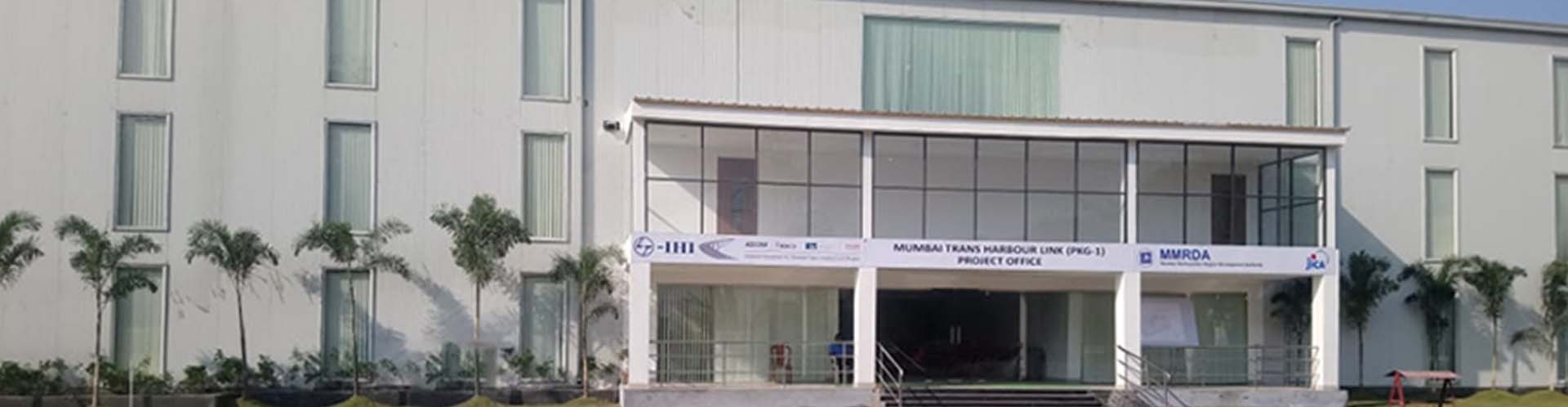
Boost productivity with Pressmach's pre-engineered factory buildings. Efficiency meets durability.
Importance Of Having Portable Toilets On-Site
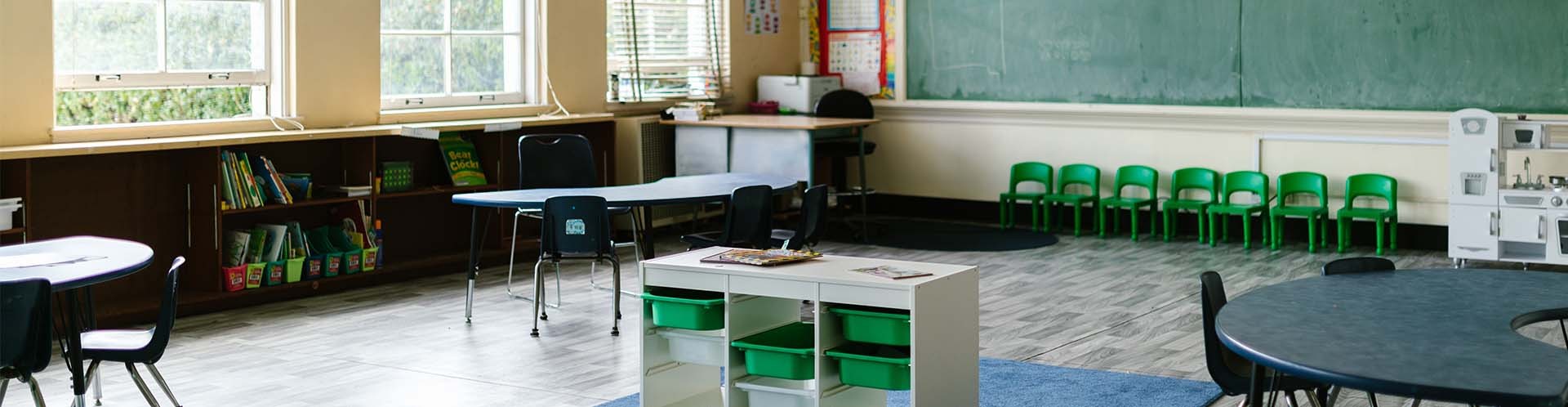
Prefab toilets are a must-have thing in the on-site construction field. Learn why you need to install portable toilets and the benefits of having one.
Why Prefab Solutions are Ideal For Schools In Rural Areas?
Prefabricated schools are considered modern solutions for education institutions. Here we share why modular schools are excellent solutions for rural areas.
What Is The Difference Between Precast And Prefabricated Buildings?
Planning to construct a building but are confused between precast and prefabricated buildings? In this guide, you will find the common differences & benefits between prefab and precast construction.
How LGSF Building Helps In Rapid Construction

Find factors that make LGSF a perfect choice for rapid construction. Know the advantages of LGSF buildings and why it’s relevant for quick construction needs.
Important Things To Look For In a Prefab Company
Do you know the factors to check while selecting a prefab company? Find about the questions & checklist while choosing a prefab manufacturing company.
How Long Does A Prefab Structure Last
Do you know how long a prefab structure lasts? We will discuss how durable pre-engineered buildings are and the factors that will influence their lifespan.
9 Benefits Of Choosing Portable On Site Office
The popularity of portable office cabins is increasing. Do you know the benefits of portable office cabins? Here we discuss the top benefits of a portable office on site.
Building Materials Used for Modular Construction
Are you aware of the building materials used in prefab construction? We help you understand more about the most common materials used in any modular construction.
Modular Home Construction: Pros and Cons

Modular homes are becoming extremely popular, so before making a decision to own a prefab home know about the advantages and disadvantages that come with them.
bg

Get all our informational articles on your mail. Subscribe Now!

×
Speak to Our Experts

Well done! Your form has been sent

Oh snap! Your form has not been sent

docx file PDF