
How Pressmach Delivered a 50-Bed Hospital in Just 90 Days
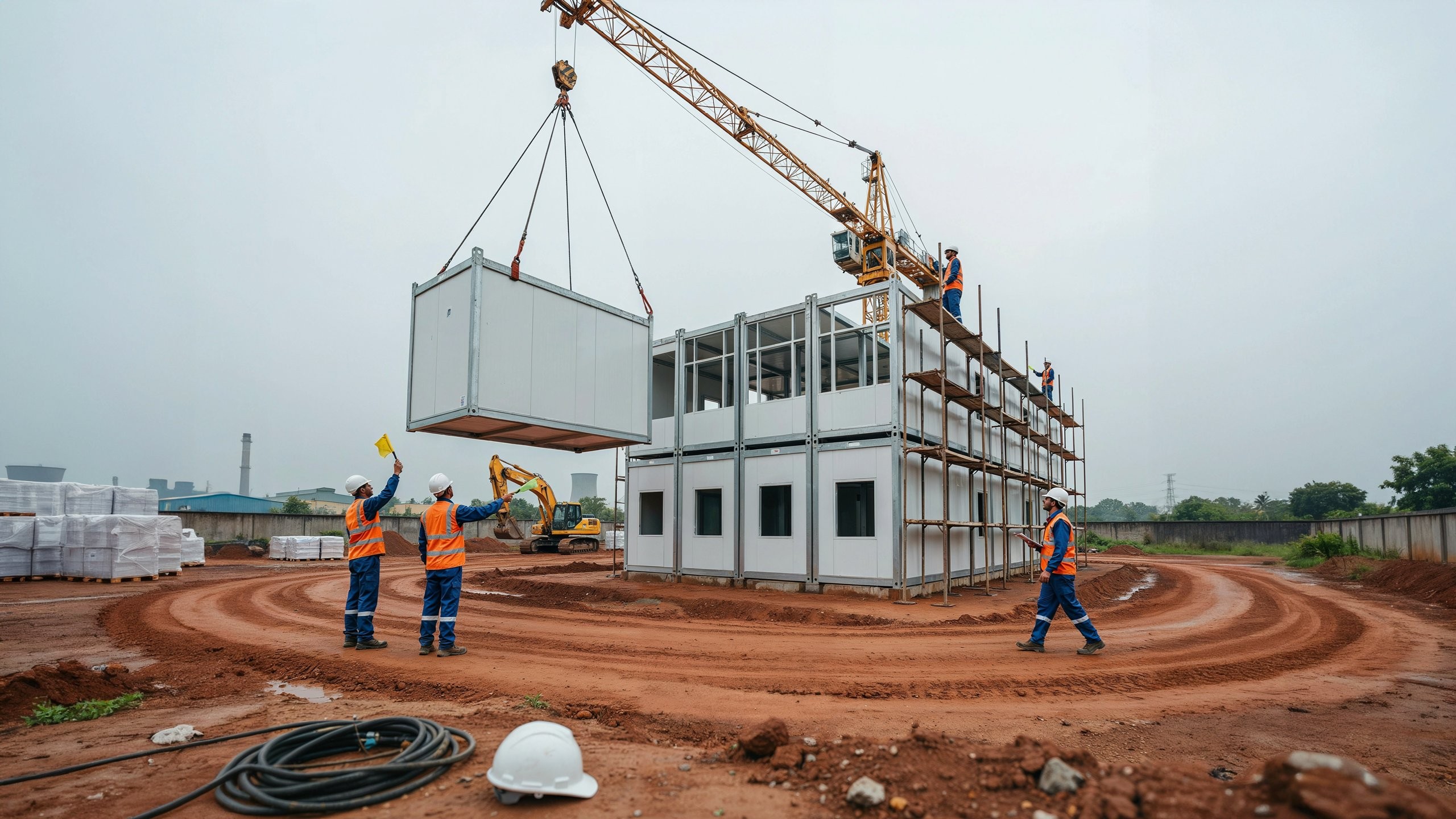
In industrial and mining regions across Chhattisgarh, access to immediate healthcare has long remained a serious challenge. Large commercial sites often sit far from urban medical infrastructure. In such situations, workers and emergency patients have to travel long distances for treatment during critical times. In accident-prone industrial environments, even small delays in receiving medical attention can have serious consequences.
Regions surrounding mining and heavy industrial operations frequently face these issues, as setting up permanent healthcare infrastructure takes time and seems impractical. Setting up healthcare centers or hospitals using conventional construction practices can stretch across several months or years. Prefabricated hospitals have emerged as a practical alternative specifically for environments where that kind of timeline is not viable. In remote locations, factors such as labor dependency, site limitations, weather disruptions, transportation challenges and logistical complications become even more challenging to manage.
On the other hand, workforce safety, emergency management and medical accessibility have become essential operational mandates in the modern industrial ecosystems.
Pressmach’s Modern-Day Healthcare Infrastructure Solution
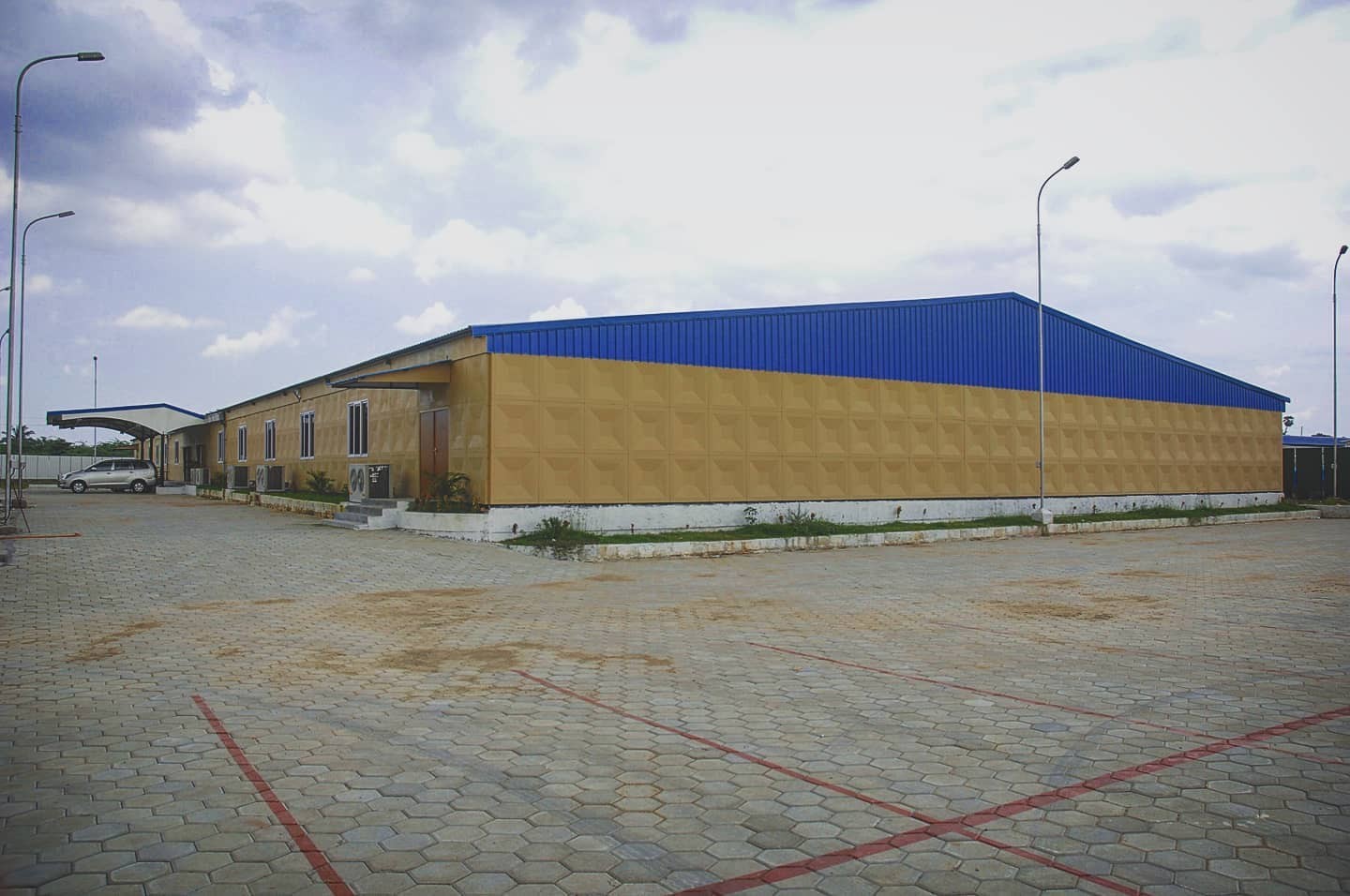
One such example was Pressmach’s execution of a 50-bed hospital project for BALCO Vedanta in Chhattisgarh. The challenge was ambitious from the beginning. We had to deliver a fully functional hospital facility within just 90 days. And it came with difficult site conditions and monsoon-related disruptions.
By using advanced prefabricated construction methods, strategic off-site manufacturing and carefully coordinated installation planning, we were able to successfully complete the project within the expected timeline. Our project stands as a strong example of how a prefab hospital manufacturer in India can help industries build critical healthcare infrastructure faster, smarter and more efficiently in demanding environments.
An Overview of BALCO Vedanta
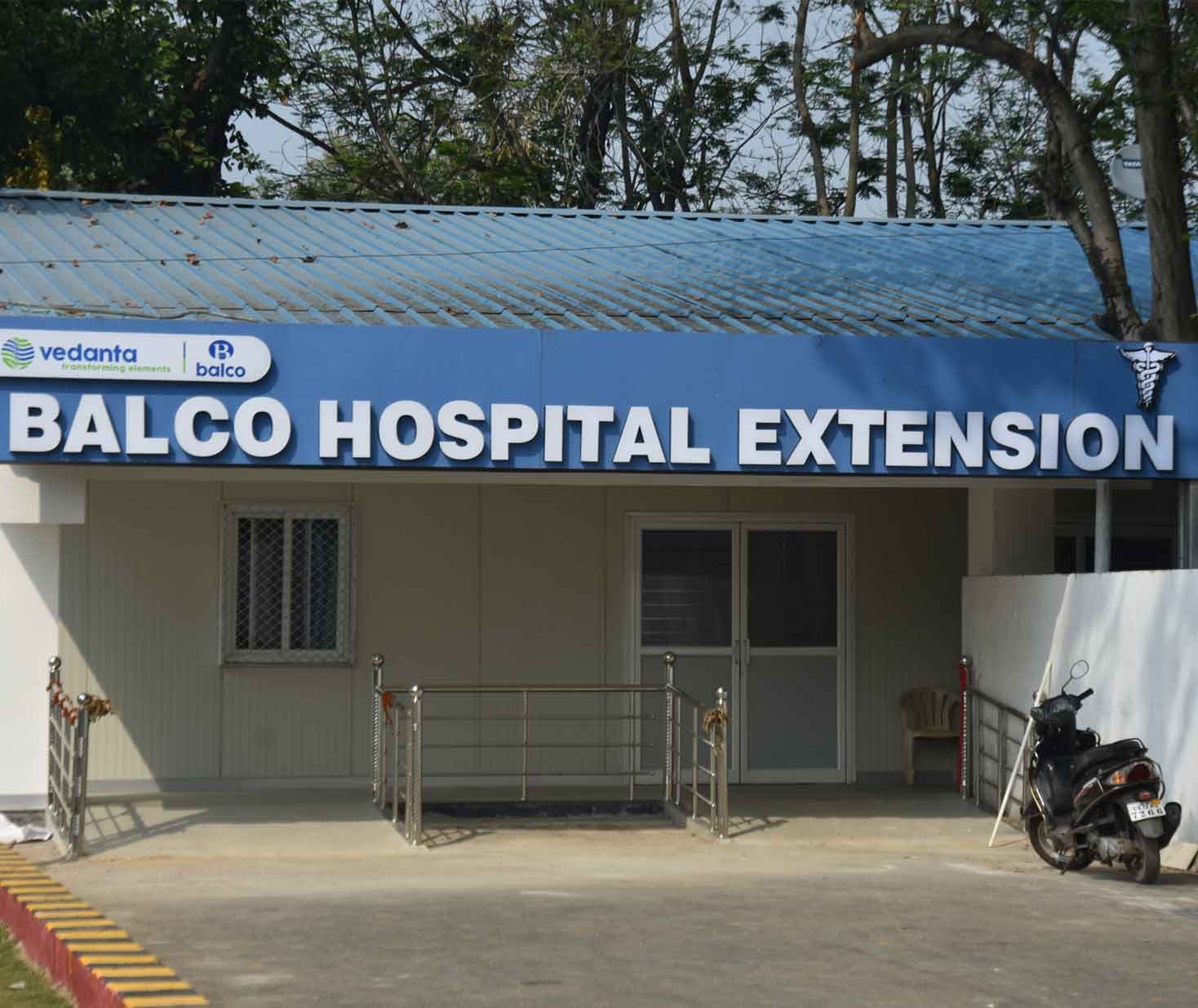
BALCO, Bharat Aluminium Company Limited, operates as part of the Vedanta Group and is one of India's primary aluminium producers, running mining, smelting and power generation operations out of Korba, Chhattisgarh. Based in Korba, Chhattisgarh, the company plays a major role in India’s aluminium manufacturing sector through its mining, smelting, and power generation operations. Over the years, BALCO Vedanta has developed a large industrial ecosystem that supports thousands of employees, engineers, contractors and operational staff working across extensive facilities.
Industrial ecosystems like these function almost like self-sustained environments. Worker welfare and medical support become part of day-to-day operations in such locations. However, as industrial activity expanded, the need for a dependable healthcare facility within the operational regions became progressively important.
As the workforce and operational footprint at the site grew, a dedicated healthcare facility became a practical necessity rather than a future consideration. That is what brought Pressmach into the project, with a 90-day delivery window from the start.
The Project Brief: What BALCO Vedanta Needed
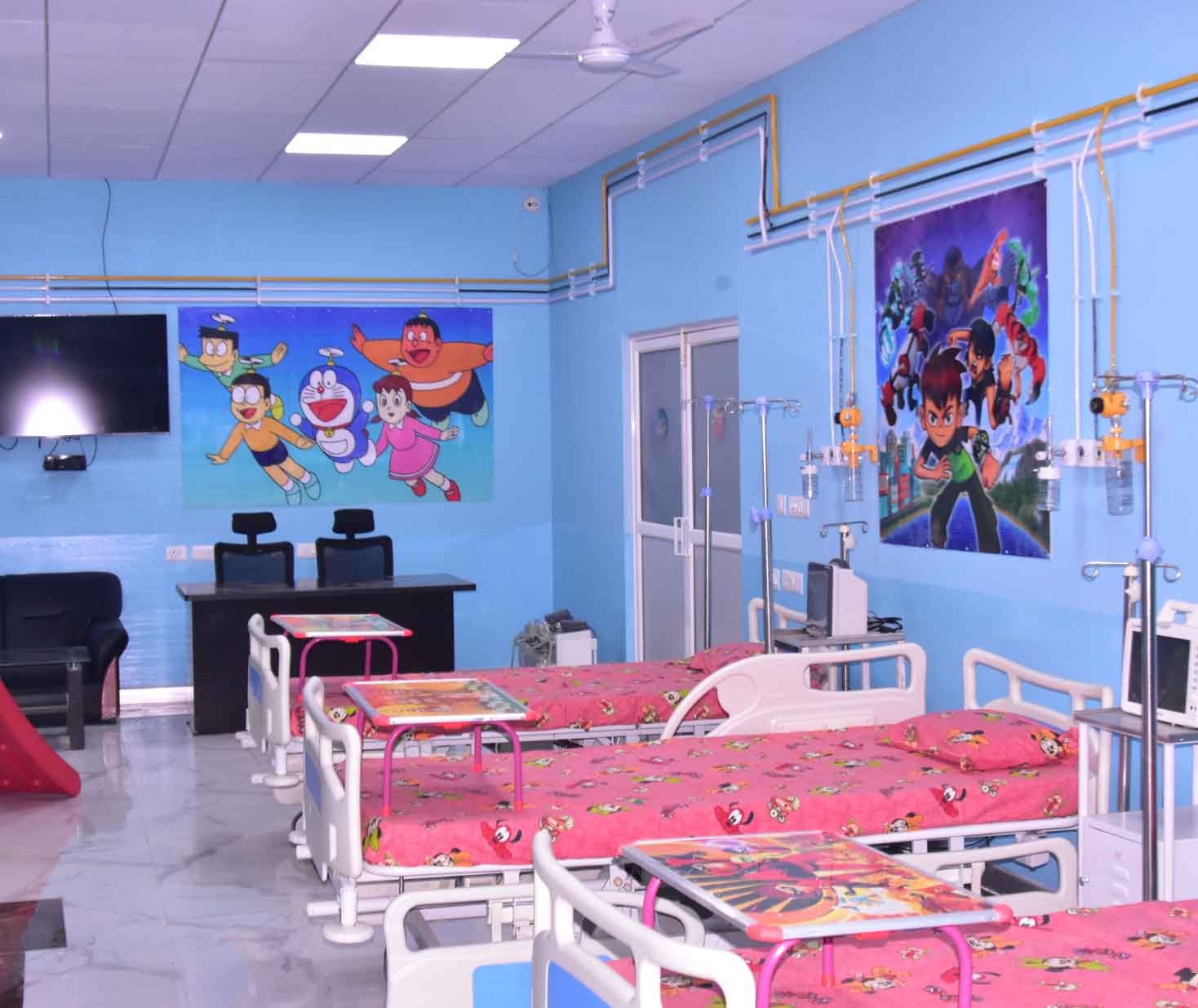
The BALCO Vedanta group required a fully functional 50-bed hospital facility that could support healthcare operations for its entire workforce as well as local surrounding communities. The facility needed to function like a fully operational hospital, with well-planned spaces for patient care, smooth day-to-day operations, and comfortable experiences for both staff and visitors. At the same time, the infrastructure had to withstand the demanding conditions of an industrial environment while supporting critical medical activities around the clock.
We planned the medical facility with the following priorities:
- A 50-bed healthcare facility
- Fast-track execution within 90 days
- Durable modular construction suitable for industrial conditions
- Functional hospital spaces with multiple departments
- Quality-controlled manufacturing and installation
- Minimal disruption caused by unpredictable site conditions
Ninety days does not leave room for sequential thinking. Everything had to run in parallel, design, manufacturing, site preparation and logistics, without any stage waiting on the one before it. That kind of execution is only possible when the construction method is built for it from the ground up, which is exactly where prefabricated modular construction has a clear advantage over conventional approaches.
The First Site Visit: What We Found on the Ground
As the first step in project initiation, we conducted a detailed site assessment. This helped our team understand the environmental, logistical and operational conditions of the location. The initial site visit revealed several critical considerations.
The project site also came with several practical challenges that are common in large industrial regions. Moving materials to the location was a major challenge. Coordinating with teams on-site required major planning and communication. Additionally, the changing weather conditions could impact the project speed and slow progress at any stage. At the same time, the hospital itself had to be built for long-term use in a demanding industrial environment where reliability and durability were critical.
We also evaluated the following elements:
- Ground conditions and site preparation requirements
- Transportation access for prefabricated modules
- Space allocation for installation and assembly
- Utility integration planning
- Drainage considerations due to approaching monsoon conditions
- Workflow planning for hospital movement and operations
The advantage of our prefabricated construction approach became evident very early in the project itself. Since a large portion of the manufacturing could be completed off-site, the team was able to avoid many of the delays and uncertainties that are common in remote industrial construction projects. Instead of depending on continuous on-site work, we divided all construction practices between factory-based manufacturing and planned site installation. This helped multiple stages of the project move forward simultaneously while also reducing the impact of weather-related disruptions.
The Unpredictible Factors: Monsoon Delays
It is normal for any construction project to face delays. However, monsoon disruptions stand as one of the major challenges in construction industries across the nation.
Heavy and erratic rainfall affects transportation, labour movement, excavation, foundation work, material storage and on-site assembly activities. Such disruptions can escalate timelines and cause major delays, particularly for conventional construction projects.
We encountered the same thing with the BALCO Vedanta hospital project. The site activity slowed during periods of intense rainfall. This created a situation that could have significantly affected project delivery under traditional construction models. However, instead of allowing the weather to halt progress completely, we shifted focus toward accelerated off-site work.While on-site conditions remained difficult, the factory kept moving. This is one of the more practical advantages of prefab construction in India, where monsoon season does not have to mean a complete halt to progress.
- Off-site module manufacturing
- Structural fabrication
- Interior pre-assembly
- Material preparation
- Utility planning
- Coordination sequencing for installation
- Quality inspections within controlled factory environments
The timeline held because the work did not stop. When rainfall made the site unworkable, the factory kept moving. Structural sections were fabricated, interiors were pre-assembled, components were inspected and staged for delivery. By the time conditions at the site improved, the modules were ready to go. There was no recovery period because there had been no real stoppage.
In many ways, the monsoon period became a preparation window for us, rather than a complete stoppage. This flexibility highlights why modular hospital construction in India is becoming increasingly relevant for industrial healthcare infrastructure. Construction no longer needs to pause entirely because of seasonal unpredictability. Instead, work can shift intelligently between factory and site operations.
How Pressmach Built the Medical Infrastructure: Phase by Phase
We delivered the 50-bed hospital within just 90 days through thorough planning at every stage of the project. Here’s a detailed look at all the stages involved in the project:
Phase 1: Design and Planning
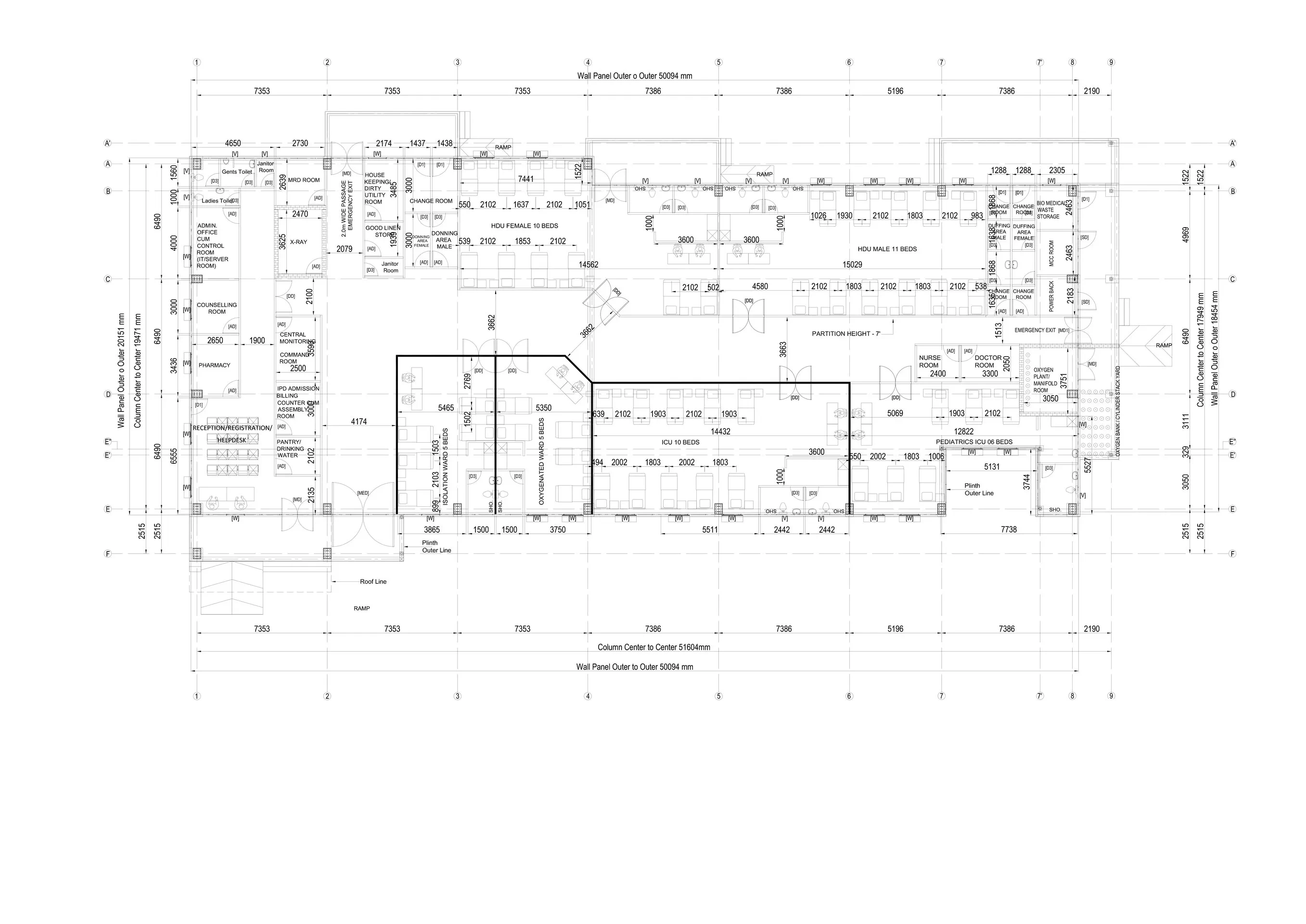
The project began with detailed planning and engineering coordination. Since this was a healthcare facility, every space had to be designed efficiently. The hospital had to support medical operations, patient movement, ventilation, sanitation and utility access. With all the available information and the client's requirements, our team developed a modular design for the facility. By finalizing the design and module specifications early on, our manufacturing activities could begin quickly without the need for any design changes. The structural system was built around PUF panels on a civil foundation, chosen for their thermal insulation, durability and suitability for a demanding industrial environment.
Phase 2: Off-Site Manufacturing
Once the designs received approval, we initiated the manufacturing activities at our production facility. We worked on structural components, wall panels, roofing systems, interior sections and utility provisions at the same time. Since we carried out the work in our factory environment, we were able to maintain consistency in quality and precision. Because different sections of the hospital were being fabricated simultaneously, the production timeline reflected the actual scope of the project rather than a sequence of one-at-a-time tasks.
Phase 3: Site Preparation
While manufacturing was running at the factory, the site team worked through foundation preparation, utility routing and drainage planning during the available weather windows. Keeping these two workstreams moving together meant there was no waiting period between structure completion and installation readiness. Site preparation for prefabricated structures follows a specific sequence that differs considerably from conventional builds, and getting it right before modules arrive is what keeps the installation phase on track.
Phase 4: Transportation and Module Delivery
Modules were dispatched in the order they were needed on site. Each delivery matched the installation sequence, which kept the site clear and the assembly team working without interruption. On a conventional project, raw materials come in continuously and pile up. Here, what arrived was already built and ready to go in.
Phase 5: Rapid Installation and Assembly
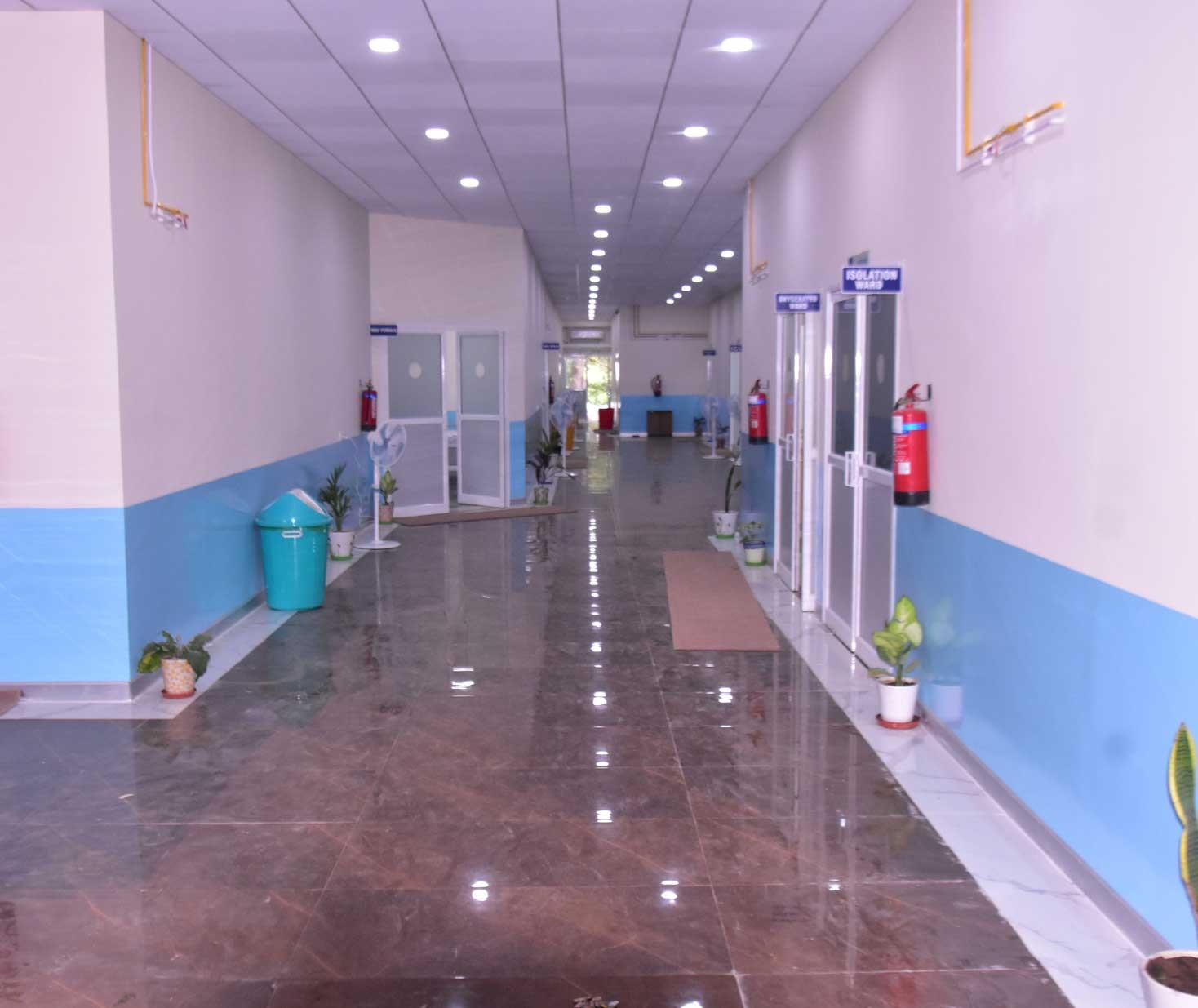
Once the site was ready, installation moved quickly. The assembly sequence had been planned during the manufacturing phase, so each team on the ground knew exactly what was going in and in what order. Structural sections, wall systems, roofing and interiors came together without the stop-start rhythm that typically slows conventional builds.
What This Means for Industries Considering Prefab Healthcare
The BALCO Vedanta hospital project was not just about delivering a healthcare facility within 90 days. It reflected a much larger transformation that Pressmach has been contributing to across India through our prefabricated infrastructure solutions.
Over the years, we have worked with industries, institutions and organizations operating in some of the country’s most demanding environments. Pressmach has delivered prefabricated structures across industrial sites, remote operational campuses, healthcare facilities and institutional projects throughout India. The BALCO Vedanta hospital is one of the more demanding examples, but the approach behind it is the same across every project: build as much as possible off-site, under controlled conditions, and bring it together on the ground with minimal dependence on variables you cannot control.
What the BALCO Vedanta project demonstrated is that a 90-day hospital is not an exception to how construction works. It is what becomes possible when the method is right for the environment. Industries operating in remote or demanding locations no longer have to accept long construction timelines as a given. The infrastructure they need can be planned, built and delivered on a schedule that matches their operational reality.
As the demand for faster and more dependable infrastructure continues to grow, we remain committed to helping industries across India build smarter, respond faster and create infrastructure that is ready when it is needed most. Here’s how prefabricated structures make all the difference:
Faster Completion of Project
When manufacturing and site preparation run at the same time, the overall timeline shrinks considerably. For industries in remote locations where access to emergency medical care is limited, that speed is not just a construction advantage. It is a workforce safety issue.
Better Weather Adaptability
Monsoon seasons and unpredictable rainfall do not halt prefab projects the way they halt conventional ones. The majority of production happens inside a factory. Site conditions affect installation windows, not the entire build.
Improved Quality Control
Factory production means every component is made under the same conditions, inspected before it leaves and arrives on site already meeting specification. For healthcare facilities where structural integrity, hygiene standards and finishing quality are non-negotiable, consistency matters more than it does in most other project types.
Reduced Site Congestion
A conventional construction site in a remote industrial location means continuous raw material deliveries, storage challenges and overlapping trades working in the same space. With prefabricated modules arriving in sequence, the site stays manageable and the installation team can work without constant interruption.
Scalability for Future Expansion
Workforce numbers grow. Operational requirements change. A modular hospital can be extended in phases without the disruption that comes with expanding a conventionally built structure. New sections integrate with what is already there rather than requiring the existing facility to be partially rebuilt around them.
Pressmach - Your Quality Partner for Prefabricated Infrastructure
The BALCO Vedanta hospital project was a 90-day brief on a difficult site, delivered on time. For Pressmach, it was also confirmation that the approach works where it needs to most, in the kind of environment where conventional construction would have struggled to keep pace.
Today, Pressmach continues to support industries across India with prefabricated infrastructure. If your project has a tight timeline, a demanding site, or both, that is exactly the kind of brief Pressmach is built for. Whether you need a prefabricated hospital, workforce accommodation, an industrial building or institutional infrastructure, get in touch with the team and we will tell you what is achievable and how we would approach it.
Your Requirements
Related
Blogs

How Tensile Roofing Structures Reduce Swimming Pool Maintenance
Benefits of Tensile Roofing Structures for Modern Agriculture
How to Maintain Tensile Roofing Structures
Benefits of Tensile Roofing for Industrial Projects

Can Tensile Structures Handle Heavy Rain and Strong Wind Loads
Questions to Ask Before Choosing a Prefabricated Farmhouse Manufacturer
How Long Does it Take to Install a 10,000 sq ft Prefab Warehouse in India?
How Educational Institutions Are Using Portable Classrooms to Handle Enrollment Pressure
Can a Prefab Structure Be Installed During Monsoon or Do You Have to Wait It Out?
How to Install Solar Panels on Prefabricated Rooftop Structures
Tensile Roofing Structures for Outdoor Storage Yards: What Material Holds up to Indian Weather?

What Makes Prefab Quality Control Rooms Ideal for Manufacturing Facilities?

How Portable Workmen Accommodation Improves Site Productivity
How Prefabricated Buildings Help Reduce Project Delays?
What Are Prefabricated Hospitals and When Are They the Right Choice?

Why Tensile Membrane Structures are the Future of Modern Architecture in India
What Are the Advantages of Prefab Toilets Over Conventional Toilets?
How PUF Panels Improve Cooling Efficiency in Warehouses and Cold Rooms
Why Tensile Roofing Solutions Outshine Traditional Roofing Options
Top Industries that Benefits from Prefabricated Structures
The Rise of Prefabricated Construction in India: Benefits and Challenges
Why You Should Conduct Soil Testing Before Building a Prefab Modular Home
How Pressmach is India's Leading Prefabricated Building Manufacturer
How Tensile Architecture Combines Sustainability with Striking Design

Rising Demand and Future Growth of the Solar Mounting Structures Market
Why Are Prefabricated Site Offices a Smart Choice?
Why Businesses are Turning to PEB Building Construction in 2025

Why PUF Panels Are the Best Choice for Prefabricated Construction

Acoustic Enclosures vs Industrial Enclosures: What’s the Difference and Why It Matters

Solar Panel Orientation and Tilt Angle: How Mounting Structures Play a Role

Rise of Prefabricated Data Centers in India’s Digital Boom

Can Prefabricated Structures Withstand Seismic Shocks?

How LGSF is Revolutionizing Affordable Housing in India

Role of Prefabricated Warehouses in Modern Business Storage Solutions

The Future of AI in Prefabricated Construction

10 Major Advantages of Prefabrication in Modern Construction Projects

Advancements in Prefabricated Materials: What to Expect in 2025
6790c3d8f29a2.jpeg)
The Role of Prefabrication in Disaster Relief and Emergency Housing

Tips for Preparing Your Site for a Prefabricated Structure

Are Modular Prefab Homes Suitable for Extreme Weather Conditions

Uses Of Peb Structure In Residential Spaces

Trends and Innovations in Prefab Commercial Buildings

Top Benefits of Modular Office Space in 2024

Prefabricated Homes vs Traditional Homes

Benefits of Having Modular Prefabricated Cold Storage Solutions

How is Prefab Modernising India’s Ageing Industrial Spaces

How Modular Construction Improves Accessibility in Remote Areas

How to Choose the Right PUF Panels for Your Prefab Building

Types of Pre-engineered Buildings Used in Different Industries

Pre-Monsoon Checklist For PEB Buildings

Uses of Portable Cabins in Disaster Relief

Top Uses for Portable Cabins

Advantages of Portable Security Cabins

Why are Eco-friendly Prefab Homes a Better Choice

Insulation and Passive Technology Benefits of Prefab Modular Buildings

Why is Prefab Construction Greener than RCC Construction

Securing Modular and Prefabricated Buildings: Essential Tips

Benefits of Modular Construction in Healthcare

Factors To Consider Before Buying A Prefabricated Warehouse Building

Benefits of Portable Labour Accommodation Manufacturer

Reasons To Choose Portable Cabins

Myths And Facts About Portable Office Buildings

Innovative Uses Of Modular Buildings
Benefits Of Modular Cleanroom
Advantages Of Pre-Engineered Factory Buildings
65cf4d38697f9.webp)



65cf65f046eed.webp)


64afe3444467b.jpeg)

Importance Of Having Portable Toilets On-Site

Why Prefab Solutions are Ideal For Schools In Rural Areas?
What Is The Difference Between Precast And Prefabricated Buildings?
How LGSF Building Helps In Rapid Construction

Important Things To Look For In a Prefab Company
How Long Does A Prefab Structure Last
 site office front view622f00119ba65.jpg)
9 Benefits Of Choosing Portable On Site Office

Building Materials Used for Modular Construction
6349487807893.jpeg)
Modular Home Construction: Pros and Cons