
What Are Prefabricated Hospitals and When Are They the Right Choice?
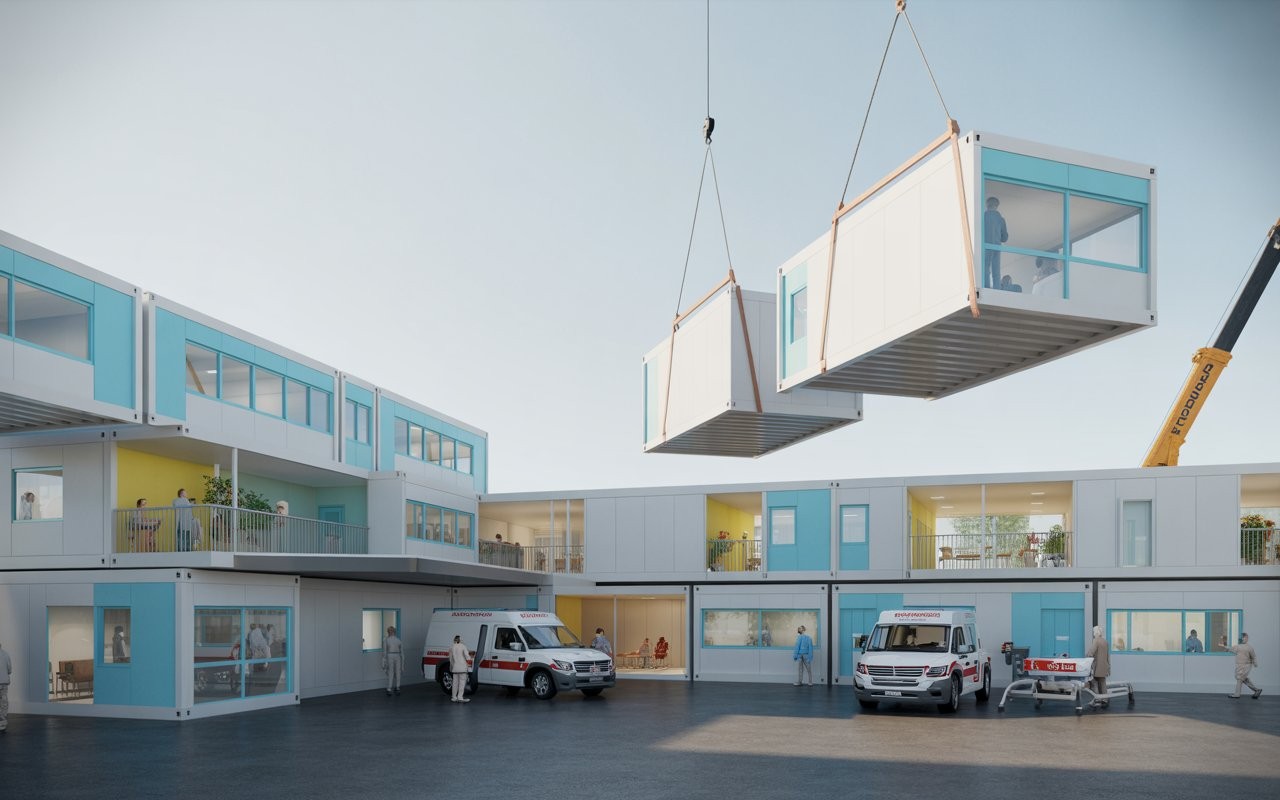
The demands of healthcare are unpredictable. A fast-growing urban area can suddenly demand an increase in the number of hospital beds, whereas remote locations may be in need of medical facilities in which there is no adequate infrastructure. Waiting years to build a traditional construction is not feasible, especially during emergencies like pandemics or other calamities. Pre-built hospitals are altering the manner in which healthcare institutions are constructed. They assist governments, medical professionals, and organizations in the construction of modern medical areas within significantly shorter periods than the traditional ways of construction. These are smoothly planned medical settings that not only satisfy the medical requirements but also provide higher speed, flexibility and efficiency.
What are Prefabricated Hospital Buildings and How do they Work?
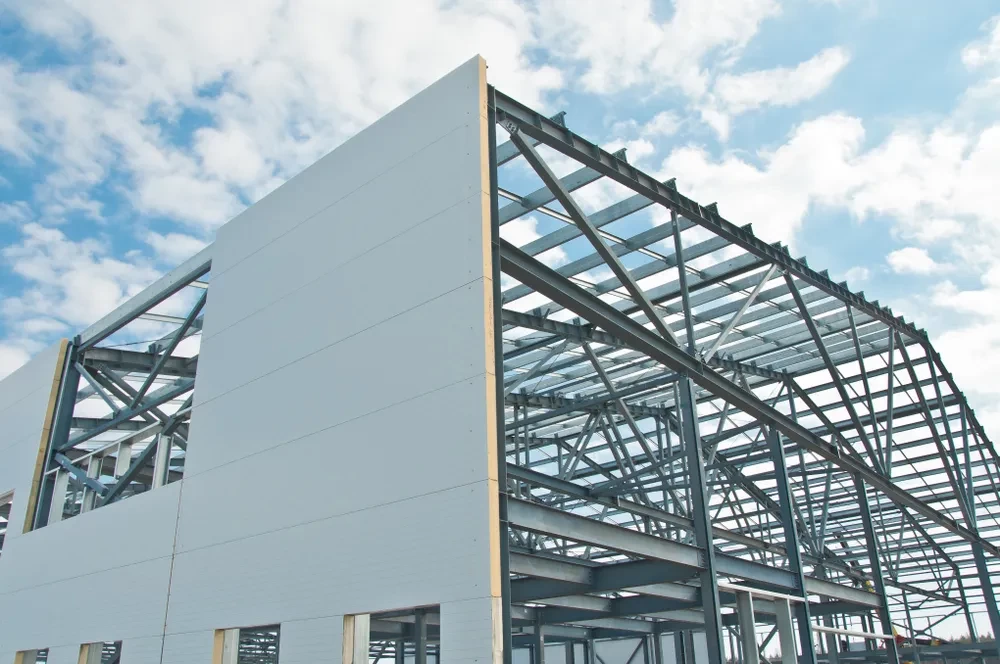
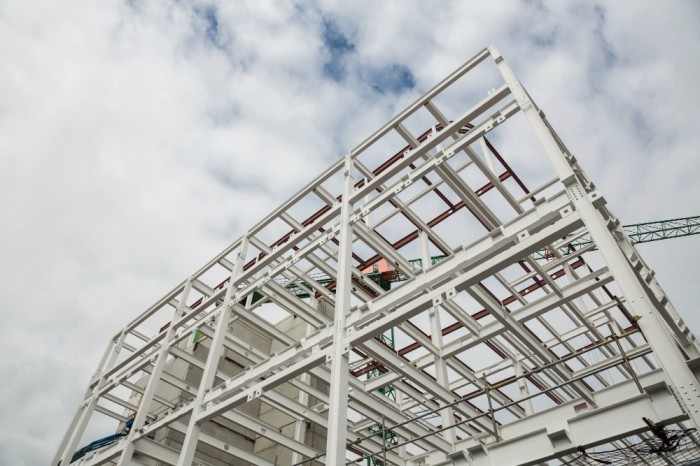
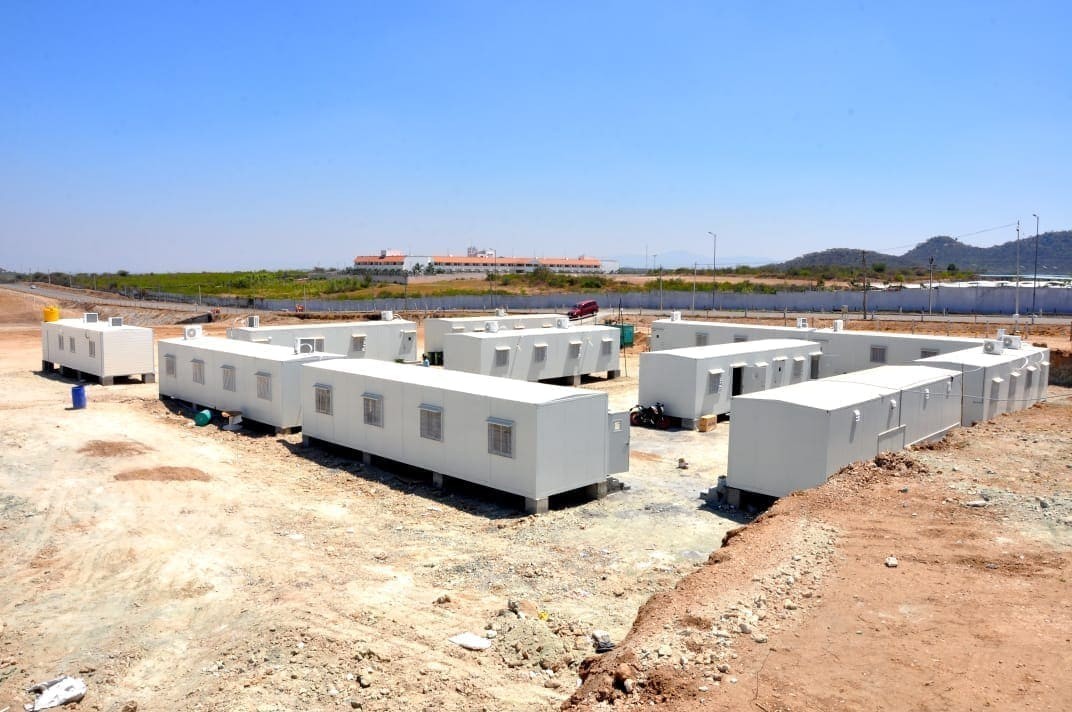
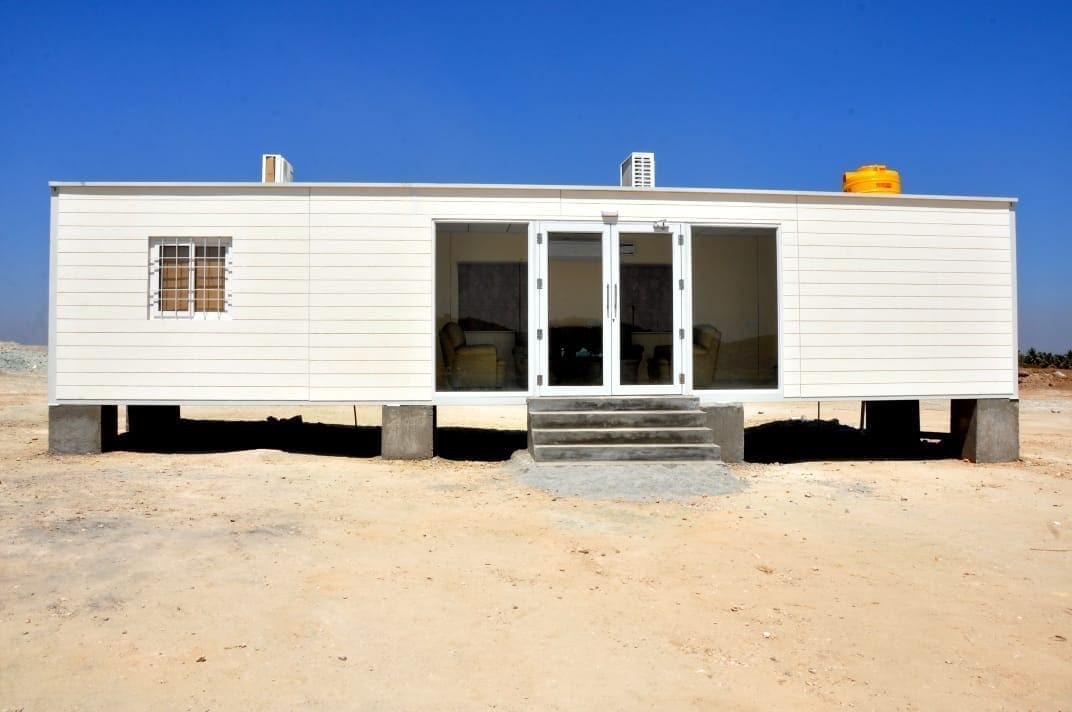
Prefabricated hospital buildings are medical facilities that are built in a different way from traditional hospitals. Instead of building everything at the hospital site, large parts of the building are made in a factory. These parts are called modules. After they are ready, the modules are transported to the site and assembled into a complete hospital.
Here is how the process usually works:
- Off-site construction
Walls, floors, roofs, and structural frames are made in a factory. Work continues without weather delays, and quality checks are easier to control. - Medical-ready design
These modules are not empty boxes. They can include ICUs, operation theaters, wards, laboratories, consultation rooms, and even emergency units. Electrical systems, plumbing, ventilation, and medical gas lines are fitted in advance. - Transport to site
Once the modules are completed, they are transported to the hospital location. - On-site assembly
At the site, the modules are placed on prepared foundations and connected together. Utility systems are linked, and the hospital becomes operational.
Because so much work is done before the modules reach the site, prefabricated hospitals can be completed 30 to 50 percent faster than traditional buildings. In some cases, hospitals can be ready in under nine months. This speed can save lives when medical facilities are urgently needed.
How Do Prefabricated Hospitals Differ from Traditional Hospital Buildings?
The biggest difference is in where and how construction takes place. Traditional hospitals are built entirely on-site with concrete, bricks, and lengthy construction processes. Prefabricated hospitals are mostly built in factories and then put together on-site.
Prefabricated vs Traditional Hospital Buildings
| Feature | Prefabricated Hospitals | Traditional RCC or Brick Hospitals |
| Construction Location | Factory environment | Fully on-site |
| Construction Time | Fast (weeks to months) | Slow (months to years) |
| Cost Predictability | More predictable | Prone to delays and cost increases |
| Quality Control | High (factory tested & standardized) | Depends heavily on site workmanship |
| Flexibility | Easy to expand or modify | Changes are complex and disruptive |
| Foundation Needs | Lighter foundations required | Heavy concrete foundations required |
| Site Disruption | Minimal noise and dust | Heavy site activity, noise, and pollution |
| Relocatability | Can be relocated in some cases | Permanent structures |
| Durability | Strong and designed for transport | Strong, traditional long-term durability |
Are Prefabricated Hospitals Safe and Suitable for Medical Use?
Prefabricated hospitals prioritize patient safety and medical performance. These facilities meet the same healthcare regulations and technical standards as traditional hospitals. Every aspect, from structure to ventilation systems, is designed to support safe medical operations. This approach makes modular hospitals quick to build and reliable for real healthcare settings.
They are designed to meet:
- Medical building safety standards
- Fire protection rules
- Infection control guidelines
- Structural safety requirements
- Proper ventilation and air quality needs
When Are Prefabricated Hospital Buildings the Right Choice?
Prefabricated hospital buildings are the right choice in many real-life situations.
Emergency situations
During pandemics or natural disasters, new healthcare space is needed quickly. Prefabricated hospitals can be built much faster than traditional buildings.
Rapid hospital expansion
Existing hospitals often need more beds, ICUs, or departments. Modular buildings allow for expansion without stopping hospital operations.
Remote or difficult locations
In areas with poor roads or limited infrastructure, traditional construction can be slow and expensive. Prefabricated modules can be transported and assembled more easily.
Temporary and permanent needs
These buildings can serve as temporary clinics or as long-term permanent hospitals. Their strength and durability allow both uses.
Time and budget pressure
When projects have tight deadlines and budgets, prefabricated hospitals help reduce construction time and control costs.
Useful link: Benefits of Modular Construction in Healthcare
Role of Pressmach in Prefabricated Hospital Building Solutions
Pressmach supports the development of modern prefabricated hospital structures through improved construction systems, including complementary solutions such as tensile roofing structures for hospital entrances and walkways. With expertise in prefabrication and modular building technology, Pressmach helps create healthcare facilities that are quick to build and dependable in performance.
Pressmach solutions focus on:
- Precision manufacturing
- Strong but lightweight structural systems
- Faster project delivery
- Flexible designs for different medical needs
- Reduced site work and safer construction
By using modern building methods, Pressmach helps healthcare providers get high-quality facilities without long construction delays. Contact us to explore prefabricated hospital structure solutions for your healthcare project.
Your Requirements
Related
Blogs
How Prefab Buildings Can Help You Earn Green Building Ratings (IGBC/GRIHA)
How Tensile Roofing Structures Improve Bus Terminal Infrastructure

How Tensile Roofing Structures Reduce Swimming Pool Maintenance

Benefits of Tensile Roofing Structures for Modern Agriculture
How to Maintain Tensile Roofing Structures
Benefits of Tensile Roofing for Industrial Projects

Can Tensile Structures Handle Heavy Rain and Strong Wind Loads
Questions to Ask Before Choosing a Prefabricated Farmhouse Manufacturer
How Long Does it Take to Install a 10,000 sq ft Prefab Warehouse in India?
How Pressmach Delivered a 50-Bed Hospital in Just 90 Days
How Educational Institutions Are Using Portable Classrooms to Handle Enrollment Pressure
Can a Prefab Structure Be Installed During Monsoon or Do You Have to Wait It Out?
How to Install Solar Panels on Prefabricated Rooftop Structures
Tensile Roofing Structures for Outdoor Storage Yards: What Material Holds up to Indian Weather?

What Makes Prefab Quality Control Rooms Ideal for Manufacturing Facilities?

How Portable Workmen Accommodation Improves Site Productivity
How Prefabricated Buildings Help Reduce Project Delays?

Why Tensile Membrane Structures are the Future of Modern Architecture in India
What Are the Advantages of Prefab Toilets Over Conventional Toilets?
How PUF Panels Improve Cooling Efficiency in Warehouses and Cold Rooms
Why Tensile Roofing Solutions Outshine Traditional Roofing Options
Top Industries that Benefits from Prefabricated Structures
The Rise of Prefabricated Construction in India: Benefits and Challenges
Why You Should Conduct Soil Testing Before Building a Prefab Modular Home
How Pressmach is India's Leading Prefabricated Building Manufacturer
How Tensile Architecture Combines Sustainability with Striking Design

Rising Demand and Future Growth of the Solar Mounting Structures Market
Why Are Prefabricated Site Offices a Smart Choice?
Why Businesses are Turning to PEB Building Construction in 2025

Why PUF Panels Are the Best Choice for Prefabricated Construction

Acoustic Enclosures vs Industrial Enclosures: What’s the Difference and Why It Matters

Solar Panel Orientation and Tilt Angle: How Mounting Structures Play a Role

Rise of Prefabricated Data Centers in India’s Digital Boom

Can Prefabricated Structures Withstand Seismic Shocks?

How LGSF is Revolutionizing Affordable Housing in India

Role of Prefabricated Warehouses in Modern Business Storage Solutions

The Future of AI in Prefabricated Construction

10 Major Advantages of Prefabrication in Modern Construction Projects

Advancements in Prefabricated Materials: What to Expect in 2025
6790c3d8f29a2.jpeg)
The Role of Prefabrication in Disaster Relief and Emergency Housing

Tips for Preparing Your Site for a Prefabricated Structure

Are Modular Prefab Homes Suitable for Extreme Weather Conditions

Uses Of Peb Structure In Residential Spaces

Trends and Innovations in Prefab Commercial Buildings

Top Benefits of Modular Office Space in 2024

Prefabricated Homes vs Traditional Homes

Benefits of Having Modular Prefabricated Cold Storage Solutions

How is Prefab Modernising India’s Ageing Industrial Spaces

How Modular Construction Improves Accessibility in Remote Areas

How to Choose the Right PUF Panels for Your Prefab Building

Types of Pre-engineered Buildings Used in Different Industries

Pre-Monsoon Checklist For PEB Buildings

Uses of Portable Cabins in Disaster Relief

Top Uses for Portable Cabins

Advantages of Portable Security Cabins

Why are Eco-friendly Prefab Homes a Better Choice

Insulation and Passive Technology Benefits of Prefab Modular Buildings

Why is Prefab Construction Greener than RCC Construction

Securing Modular and Prefabricated Buildings: Essential Tips

Benefits of Modular Construction in Healthcare

Factors To Consider Before Buying A Prefabricated Warehouse Building

Benefits of Portable Labour Accommodation Manufacturer

Reasons To Choose Portable Cabins

Myths And Facts About Portable Office Buildings

Innovative Uses Of Modular Buildings

Benefits Of Modular Cleanroom
Advantages Of Pre-Engineered Factory Buildings
65cf4d38697f9.webp)




65cf65f046eed.webp)


64afe3444467b.jpeg)

Importance Of Having Portable Toilets On-Site

Why Prefab Solutions are Ideal For Schools In Rural Areas?
What Is The Difference Between Precast And Prefabricated Buildings?

How LGSF Building Helps In Rapid Construction

Important Things To Look For In a Prefab Company
How Long Does A Prefab Structure Last
 site office front view622f00119ba65.jpg)
9 Benefits Of Choosing Portable On Site Office

Building Materials Used for Modular Construction
6349487807893.jpeg)
Modular Home Construction: Pros and Cons