
How to Choose the Right PUF Panels for Your Prefab Building

How to Choose the Right PUF Panels for Your Prefab Building
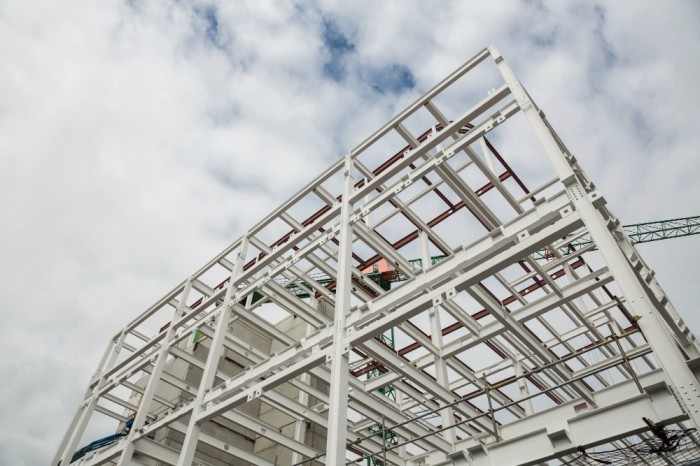
Prefabricated buildings and PEBs are among the newest innovations in manufacturing and construction. They have the power to drastically alter how infrastructure is constructed in India in the years to come, so they are more than simply a temporary trend.
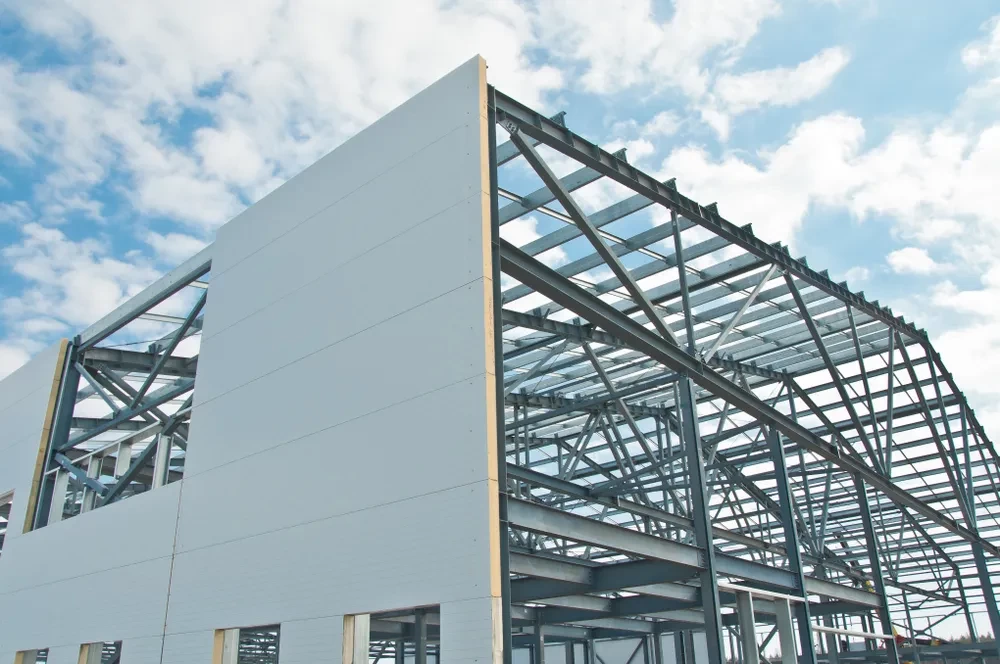
Polyurethane, or PUF, panels are a commonly used material for cladding walls and roofs in prefabricated steel structural buildings. These panels are assembled on the construction site after being brought from a specialized facility where they are produced in an efficient manner.
PUF panels are incredibly high-quality, offering a durable and lightweight design. Additionally, they offer exceptional insulation, guaranteeing that interior rooms stay comfortably cool.
Key Factors to Consider When Choosing PUF Panels
Selecting the right PUF panels is essential for any project since they are the fundamental elements of a prefabricated building, or PEB. Therefore, before you make a choice, consider the following points:.
Thickness
The PUF core's insulating ability is directly impacted by its thickness. Better thermal insulation provided by thicker panels lowers the amount of energy needed for heating and cooling. When selecting the thickness, take the project's environment and intended level of energy efficiency into account.
Coatings
To prevent fire, UV rays, and corrosion, PUF panels can be coated with a variety of materials. Typical coatings consist of:
Basic corrosion protection is offered by galvanized steel (GI).
Polyester (PE)
It comes in a broad range of colors and is more water resistant.
PVDF, or polyvinylidene fluoride, has an exceptional resistance to solvents, chalking, and fading.
Finishes
The panel's usefulness and appearance are influenced by its finish. Typical finishes include the following:
Plain: a texture-free, smooth surface
Embossed: a rough surface for improved grip and aesthetic appeal.
Profiled panels have higher ribs to give them more rigidity and strength.
Climate Considerations
PUF panels designed with the local climate in mind can prolong the life of a building, even though PEB structures are resistant to high temperatures. More thermally resistant ticker panels may be an appropriate choice for chilly climates.
Building Type and Application
Take into account the particular needs of your undertaking. For instance, strong thermal insulation is necessary for cold storage facilities, yet smooth, easily cleaned surfaces may be necessary for cleanrooms.
Budget
Depending on their thickness, coatings, and finishes, PUF panels fluctuate in price. Prioritize the aspects that are most crucial to your project and set a budget.
Step-by-Step Guide to Choosing the Right PUF Panel
Assess Your Needs
Clearly state the insulation, durability, aesthetics, and financial constraints for your project.
Research
Compile information and quotations regarding the performance of various PUF panel manufacturers' goods.
Compare
Consider the features, costs, and technical characteristics of different PUF panels while making your decision.
Speak with Experts
Consult experts in the prefabricated structure construction and PEB sectors for advice. They can offer insightful analysis and suggestions tailored to your particular project.
Make an Informed Decision
Select the PUF panel that best suits the specifications of your project and balances the benefits listed with the cost.
The advantages of PUF Panels
PUF panels combine all the necessary elements as a workable alternative to conventional brick-and-mortar walls, showing exceptional resilience while staying lightweight. They are quite useful in many different kinds of applications. Because of their exceptional insulating qualities.
PUF panels help to effectively regulate temperature by reducing energy usage. Furthermore, the fact that they are modular makes it easier to expand structures that are built using them, and their portability makes it simple to disassemble and transport by truck. The lighter weight results in significant transportation cost savings, and the panels come in a variety of designs and colors to accommodate a wide range of tastes.
Application Of PUF Panels
PUF (polyurethane foam) panels are essential components of pre-engineered building systems (PEBS) because of their remarkable qualities and adaptability. PEBS are renowned for their effectiveness and quickness of construction; PUF panels add to these benefits by providing superior structural support and insulation. The following are some crucial uses for PUF panels in PEBs:
Thermal Insulation
The excellent thermal insulation offered by PUF panels contributes to energy savings and the maintenance of a comfortable interior environment. For PEBS, which frequently function as factories, offices, or warehouses, it is essential.
Systems for Walls and Roofing
PUF panels are a cost-effective way to clothe walls and provide weather protection and longevity. Because they are lightweight, they are appropriate for PBS's rapid construction process.
Sound Insulation
Noise management is crucial in commercial or industrial PEBS. By reducing sound transmission, PUF panels make an area calmer and more conducive to productivity.
Fire Resistance
PEBS can be made safer overall by engineering PUF panels to fulfill fire safety regulations.
Pressmach:Your Trusted Prefab Manufacturer In India
PUF panels are highly customizable in size, thickness, and finish, allowing for tailored solutions in PEBS design.
PUF panels in PEBS are essential to contemporary industrial and commercial building systems because they promote comfort, safety, energy efficiency, and quick construction. Consult Pressmach, one of the top PEB building suppliers, for exceptional PEBs that combine PUF panels to provide construction projects with flexibility and cost savings.
Your Requirements
Related
Blogs

How Tensile Roofing Structures Reduce Swimming Pool Maintenance
Benefits of Tensile Roofing Structures for Modern Agriculture
How to Maintain Tensile Roofing Structures
Benefits of Tensile Roofing for Industrial Projects

Can Tensile Structures Handle Heavy Rain and Strong Wind Loads
Questions to Ask Before Choosing a Prefabricated Farmhouse Manufacturer
How Long Does it Take to Install a 10,000 sq ft Prefab Warehouse in India?
How Pressmach Delivered a 50-Bed Hospital in Just 90 Days

How Educational Institutions Are Using Portable Classrooms to Handle Enrollment Pressure
Can a Prefab Structure Be Installed During Monsoon or Do You Have to Wait It Out?
How to Install Solar Panels on Prefabricated Rooftop Structures
Tensile Roofing Structures for Outdoor Storage Yards: What Material Holds up to Indian Weather?

What Makes Prefab Quality Control Rooms Ideal for Manufacturing Facilities?

How Portable Workmen Accommodation Improves Site Productivity
How Prefabricated Buildings Help Reduce Project Delays?

What Are Prefabricated Hospitals and When Are They the Right Choice?

Why Tensile Membrane Structures are the Future of Modern Architecture in India
What Are the Advantages of Prefab Toilets Over Conventional Toilets?
How PUF Panels Improve Cooling Efficiency in Warehouses and Cold Rooms
Why Tensile Roofing Solutions Outshine Traditional Roofing Options
Top Industries that Benefits from Prefabricated Structures
The Rise of Prefabricated Construction in India: Benefits and Challenges
Why You Should Conduct Soil Testing Before Building a Prefab Modular Home
How Pressmach is India's Leading Prefabricated Building Manufacturer
How Tensile Architecture Combines Sustainability with Striking Design

Rising Demand and Future Growth of the Solar Mounting Structures Market
Why Are Prefabricated Site Offices a Smart Choice?
Why Businesses are Turning to PEB Building Construction in 2025

Why PUF Panels Are the Best Choice for Prefabricated Construction

Acoustic Enclosures vs Industrial Enclosures: What’s the Difference and Why It Matters

Solar Panel Orientation and Tilt Angle: How Mounting Structures Play a Role

Rise of Prefabricated Data Centers in India’s Digital Boom

Can Prefabricated Structures Withstand Seismic Shocks?

How LGSF is Revolutionizing Affordable Housing in India

Role of Prefabricated Warehouses in Modern Business Storage Solutions

The Future of AI in Prefabricated Construction

10 Major Advantages of Prefabrication in Modern Construction Projects

Advancements in Prefabricated Materials: What to Expect in 2025
6790c3d8f29a2.jpeg)
The Role of Prefabrication in Disaster Relief and Emergency Housing

Tips for Preparing Your Site for a Prefabricated Structure

Are Modular Prefab Homes Suitable for Extreme Weather Conditions

Uses Of Peb Structure In Residential Spaces

Trends and Innovations in Prefab Commercial Buildings

Top Benefits of Modular Office Space in 2024

Prefabricated Homes vs Traditional Homes

Benefits of Having Modular Prefabricated Cold Storage Solutions

How is Prefab Modernising India’s Ageing Industrial Spaces

How Modular Construction Improves Accessibility in Remote Areas

Types of Pre-engineered Buildings Used in Different Industries

Pre-Monsoon Checklist For PEB Buildings

Uses of Portable Cabins in Disaster Relief

Top Uses for Portable Cabins

Advantages of Portable Security Cabins

Why are Eco-friendly Prefab Homes a Better Choice

Insulation and Passive Technology Benefits of Prefab Modular Buildings

Why is Prefab Construction Greener than RCC Construction

Securing Modular and Prefabricated Buildings: Essential Tips

Benefits of Modular Construction in Healthcare

Factors To Consider Before Buying A Prefabricated Warehouse Building

Benefits of Portable Labour Accommodation Manufacturer

Reasons To Choose Portable Cabins

Myths And Facts About Portable Office Buildings

Innovative Uses Of Modular Buildings
Benefits Of Modular Cleanroom
Advantages Of Pre-Engineered Factory Buildings
65cf4d38697f9.webp)


65cf65f046eed.webp)


64afe3444467b.jpeg)

Importance Of Having Portable Toilets On-Site

Why Prefab Solutions are Ideal For Schools In Rural Areas?
What Is The Difference Between Precast And Prefabricated Buildings?

How LGSF Building Helps In Rapid Construction

Important Things To Look For In a Prefab Company
How Long Does A Prefab Structure Last
 site office front view622f00119ba65.jpg)
9 Benefits Of Choosing Portable On Site Office

Building Materials Used for Modular Construction
6349487807893.jpeg)
Modular Home Construction: Pros and Cons